

Mori Atlas logo
Wildlife reserveHaley Lake Migratory Bird Sanctuary

Understanding the unique geographic role of this vital migratory waterfowl habitat within the South Shore region.

Haley Lake Migratory Bird Sanctuary: Mapped Freshwater Refuge and Coastal Protected Area

Haley Lake Migratory Bird Sanctuary sits as a distinctive freshwater haven amidst the saltwater-dominated estuaries of southwestern Nova Scotia. This protected area offers essential roosting grounds for waterfowl such as Canada geese and black ducks during high tides, while also sustaining a long-standing great blue heron breeding colony. Positioned between the Port L'Hebert and Sable River estuaries, the site serves as a quiet but significant ecological node in the Atlantic coastal flyway.

migratory bird sanctuaryfreshwater lakewaterfowl refugeCanada geeseblack ducksgreat blue heron

Haley Lake Migratory Bird Sanctuary

Wildlife reserve

Park overview

Structured park overview, official facts, and landscape profile for Haley Lake Migratory Bird Sanctuary

Haley Lake Migratory Bird Sanctuary park facts, protected area profile, and essential visitor context

Review the core facts for Haley Lake Migratory Bird Sanctuary, including designation, size, terrain, visitor scale, habitats, and operating context in one park-focused overview.

About Haley Lake Migratory Bird Sanctuary

Haley Lake Migratory Bird Sanctuary occupies a compact but ecologically important corner of southwestern Nova Scotia, where freshwater and saltwater habitats meet along the Atlantic coast. Despite its modest size of 95 hectares, the sanctuary plays a significant role in the seasonal ecology of the region by providing a rare freshwater sanctuary for waterfowl in a landscape otherwise shaped by tide, salt, and estuarine influence.

The sanctuary's identity is tightly bound to its geographic position. It lies roughly midway between Port L'Hebert Bay to the north and the Sable River estuary to the south, both of which are themselves protected as separate Migratory Bird Sanctuaries. This clustering of protected sites reflects the broader ecological importance of the South Shore coast for migratory and coastal birds. Highway 103 passes a couple of kilometers to the northwest, marking the boundary between the remote coastal wetlands and the more developed inland areas around Liverpool.

Within the sanctuary, Haley Lake itself is the focal feature. Surrounded by rocky shoreline elements that offer perching and resting sites, the lake functions as a refuge for birds displaced from nearby tidal flats when high tides inundate the intertidal zones. The sanctuary is part of the Important Bird Area designated as the South Shore (Port Joli sector), reinforcing its status within regional bird conservation planning.

The site is administered by the Canadian Wildlife Service, which oversees a nationwide network of Migratory Bird Sanctuaries stretching from the Atlantic to the Arctic. Haley Lake's inclusion in that network underscores how even very small protected areas, when placed at ecologically strategic locations on migratory routes, can carry meaningful conservation value.

Quick facts and research context for Haley Lake Migratory Bird Sanctuary

Haley Lake Migratory Bird Sanctuary is a 95-hectare protected area located in the southwestern part of the Nova Scotia peninsula, along Canada's Atlantic coast. It was formally designated in 1980 and is managed by the Canadian Wildlife Service, placing it within the national system of Migratory Bird Sanctuaries.

The sanctuary sits within the Important Bird Area known as the South Shore (Port Joli sector) and is bracketed by two neighboring migratory bird sanctuaries, Port Hebert and Sable River. Its defining feature is the freshwater Haley Lake itself, which contrasts with the surrounding estuarine and tidal environments and provides birds with a stable and sheltered freshwater roosting site.

Protection and recognition

Examine the official terrestrial protection data and designated area parameters for Haley Lake Migratory Bird Sanctuary.

Haley Lake Migratory Bird Sanctuary Protection Status and Administrative Scope

Documented protection status and conservation parameters outline the terrestrial management framework established for Haley Lake Migratory Bird Sanctuary. Official records provide verified boundary data and baseline administrative details without supplementary international designations.

Protection details

Protection scope
Terrestrial
Transboundary protection
No
WDPA ID
65682
Park context

Deeper park guide and search-rich context for Haley Lake Migratory Bird Sanctuary

Haley Lake Migratory Bird Sanctuary history, landscape, wildlife, and travel context

Explore Haley Lake Migratory Bird Sanctuary through its history, landscape character, ecosystems, wildlife, conservation priorities, cultural context, and seasonal travel timing in a structured park guide built for atlas discovery and search intent.

Why Haley Lake Migratory Bird Sanctuary stands out

The sanctuary is best known for its role as a freshwater refuge and roosting site for migratory waterfowl in an otherwise saltwater-dominated coastal landscape. During early autumn, Canada geese and black ducks leave the tidal flats when rising tides flood the mudflats and gather at the lake, where up to one thousand birds have been observed at a time. It is also recognized as the site of a long-standing great blue heron breeding colony that has been present on the lake since 1944, making it an important multi-species bird area in the South Shore region of Nova Scotia.

Haley Lake Migratory Bird Sanctuary history and protected-area timeline

The Haley Lake area gained early recognition as a bird site through the establishment of a great blue heron breeding colony on the lake, documented since 1944. This long-standing colony predates formal federal protection by several decades and reflects the lake's enduring value as a nesting and roosting habitat for waterbirds.

Formal protection came in 1980, when the area was designated as a Migratory Bird Sanctuary under the administration of the Canadian Wildlife Service. The designation placed Haley Lake within Canada's national system of bird sanctuaries and aligned it with neighboring protected areas along the South Shore.

The sanctuary was later incorporated into the Important Bird Area program as part of the South Shore (Port Joli sector) IBA, a recognition that situates the site within broader hemispheric-scale bird conservation frameworks. While the surrounding coasts have seen land-use changes over time, the lake itself has retained its protected character, providing continuity for the species that depend on it across seasons.

Haley Lake Migratory Bird Sanctuary landscape and geographic character

The landscape of the sanctuary is defined by a small freshwater lake set among the salt-influenced coastal landforms of southwestern Nova Scotia. The lake sits roughly halfway between Port L'Hebert Bay to the north and the Sable River estuary to the south, both of which introduce tidal and brackish conditions into the broader coastal environment.

In contrast to these tidal systems, Haley Lake itself is a freshwater body, a quality that shapes much of the site's ecological identity. Rocky outcrops and shoreline features around the lake provide elevated perching sites above the water, useful for waterfowl and wading birds that use the lake as a roosting area.

The wider surrounding region is shaped by Atlantic coastal topography, with low-lying coastlines, estuarine tidal flats, and mixed shoreline vegetation that transitions between marine and terrestrial environments. Highway 103 runs a short distance inland, threading the otherwise coastal landscape together with the broader Nova Scotia road network, while keeping the sanctuary itself in a relatively undisturbed coastal setting.

Haley Lake Migratory Bird Sanctuary ecosystems, habitats, and plant life

The sanctuary's ecological profile centers on a freshwater lake embedded within a predominantly coastal and estuarine landscape. This juxtaposition of freshwater and tidal environments creates a distinctive habitat mosaic that supports both freshwater-associated species and birds strongly linked to saline and coastal wetlands.

Haley Lake functions primarily as a refuge habitat. When tides rise and flood the surrounding intertidal flats, conditions on the open coast and in the bays become unfavorable for feeding and resting waterfowl. The freshwater lake, with its rocky edges and sheltered water, offers an alternative resting site where birds can aggregate away from tidal disturbance.

The broader habitat setting includes the neighboring Port L'Hebert Bay and the Sable River estuary, each of which provides its own range of tidal mudflat, shallow-water, and estuarine conditions. Together with Haley Lake, these environments support a diversity of foraging and resting opportunities that complement one another across tidal cycles.

Haley Lake Migratory Bird Sanctuary wildlife and species highlights

The sanctuary is recognized for its waterbird communities, especially during the early autumn staging period. Canada geese and black ducks are among the most prominent species recorded at the lake, and counts of up to one thousand birds at the lake have been documented during peak use.

These species typically move between the tidal flats of the nearby bays and the freshwater refuge of Haley Lake across the tidal cycle. When tides inundate the mudflats, the birds shift inland and inland to the lake, where conditions remain stable and undisturbed. Rocky features at the lake provide preferred perching and resting sites for the gathered flocks.

A great blue heron breeding colony has been present on the lake since 1944, making it a long-established and locally significant nesting site for the species. The colony connects the sanctuary to multi-generational patterns of heron use of the South Shore coast and adds a breeding-bird dimension to a site otherwise most noted for its migratory and staging values.

Haley Lake Migratory Bird Sanctuary conservation status and protection priorities

Haley Lake Migratory Bird Sanctuary is protected as part of Canada's national Migratory Bird Sanctuary system, administered by the Canadian Wildlife Service. Its designation reflects the importance of even small freshwater refuges in heavily tidal coastal systems, where feeding habitats can become unavailable at high tide.

The sanctuary is part of the Important Bird Area known as the South Shore (Port Joli sector), which links it to broader conservation frameworks that prioritize migratory bird habitat across hemispheric flyways. Its position among a chain of sanctuaries, including Port Hebert to the north and the Sable River sanctuary to the south, strengthens the network effect of protected habitats along this stretch of the Nova Scotia coast.

By safeguarding a freshwater roosting site within a tidal-dominated landscape, the sanctuary contributes to the resilience of migratory waterfowl and heron populations that depend on predictable, disturbance-free resting habitat. Its long-standing great blue heron colony further underscores its role as a stable breeding site within the regional coastal ecosystem.

Haley Lake Migratory Bird Sanctuary cultural meaning and human context

The coastal zone in which Haley Lake sits has historically been shaped by the rhythms of fishing, small-scale settlement, and tide-based livelihoods that characterize southwestern Nova Scotia's South Shore communities. Liverpool, the nearest reference town of regional significance, lies about 31 kilometers to the northeast, and the broader region carries a long maritime and Acadian heritage intertwined with the Atlantic coast.

The sanctuary itself does not appear to carry a distinctive indigenous or settler cultural narrative in the available source material, and its current significance is primarily ecological and conservation-oriented rather than cultural-historical. Visitors and researchers encounter the site primarily as part of the working coastal landscape of Nova Scotia, where protection of bird habitat sits alongside traditional uses of the surrounding tidal flats and bays.

Top sights and standout views in Haley Lake Migratory Bird Sanctuary

Haley Lake Migratory Bird Sanctuary stands out for pairing a freshwater lake with an otherwise saltwater-dominated coastline, making it a dependable roosting refuge when tides cover nearby mudflats. Its capacity to hold up to one thousand waterfowl in a single gathering is a defining seasonal phenomenon.

The great blue heron breeding colony, present since 1944, adds a layer of multi-generational ecological continuity rarely seen in such small protected areas. As a node in the South Shore (Port Joli sector) Important Bird Area and a neighbor to the Port Hebert and Sable River sanctuaries, Haley Lake contributes to one of Nova Scotia's most concentrated coastal bird-protection corridors.

Best time to visit Haley Lake Migratory Bird Sanctuary

The sanctuary's most pronounced ecological activity occurs in early autumn, when Canada geese and black ducks concentrate on the lake after leaving the tidal flats of nearby bays. This period tends to bring the largest congregations and the most visible bird activity, making it a natural focus for anyone interested in waterfowl.

Spring and summer are also seasonally meaningful, since the great blue heron breeding colony is active across the warmer months. Cooler months, when many migratory species have moved further south, typically bring quieter conditions at the lake itself, though the coastal landscape retains its character year-round.

Monthly climate preview

Monthly temperature ranges and long-term precipitation averages across the sanctuary coordinate

Haley Lake Migratory Bird Sanctuary Climate Normals and Annual Weather Rhythm

Representative coordinate records show measured temperature variations from subzero winters to warm summer peaks alongside steady monthly precipitation rates. Analyzing the complete twelve-month profile provides deeper insight into long-term climate normals and annual environmental patterns.
Annual mean8 °C
-3 °C18 °C
Jan-3°
Feb-3°
Mar
Apr
May10°
Jun14°
Jul18°
Aug18°
Sep15°
Oct10°
Nov
Dec
Warmest month
August

18.3 °C

Coolest month
January

-3 °C

Wettest month
December

4.2 mm/day

Driest month
July

2.6 mm/day

Park location guide

Geography guide, regional context, and park location map for Haley Lake Migratory Bird Sanctuary

Haley Lake Migratory Bird Sanctuary park geography, regions, and map view in Canada

Understand where Haley Lake Migratory Bird Sanctuary sits in Canada through a broader geographic reading of the surrounding landscape, nearby location context, and its mapped position within the national park landscape.

How Haley Lake Migratory Bird Sanctuary fits into Canada

Canada is a federal parliamentary constitutional monarchy spanning North America from the Atlantic to the Pacific and Arctic Oceans. With a population of over 41 million, it is officially bilingual in English and French at the federal level. The country gained independence from the United Kingdom through a gradual process culminating in 1982.

Wider geography shaping Haley Lake Migratory Bird Sanctuary in Canada

Canada occupies the northern portion of North America, sharing its longest international border with the United States. The country extends from the Atlantic Ocean to the Pacific Ocean and northward into the Arctic Ocean, giving it the longest coastline of any nation.

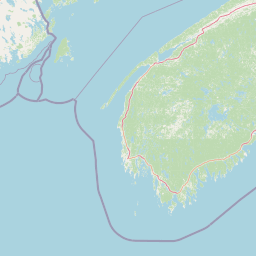
Map view of Haley Lake Migratory Bird Sanctuary

Use this park location map to pinpoint Haley Lake Migratory Bird Sanctuary in Canada, understand its exact geographic position, and read its mapped placement within the surrounding landscape more clearly.

Pigeon | © OpenStreetMap contributors

Location context for Haley Lake Migratory Bird Sanctuary

Nova Scotia
Park atlas

Compare surrounding coastal landscapes and regional bird sanctuaries in Nova Scotia

Explore Parks Near Haley Lake Migratory Bird Sanctuary and Related Protected Areas

Browsing other parks near Haley Lake Migratory Bird Sanctuary reveals connected coastal habitats across the wider regional ecosystem. Comparing these adjacent protected landscapes provides deeper context into Atlantic flyway migration corridors.
Wildlife reserveNova Scotia
2 km away#1 closest

Southwest

Zugvogelschutzgebiet Sable River Wildlife Reserve and Nova Scotia Coastal Geography

Protected estuarine sanctuary and waterfowl habitat

Spanning the sheltered waters of a river estuary, Zugvogelschutzgebiet Sable River acts as a essential component of the coastal conservation landscape in Nova Scotia. This protected wildlife reserve remains a vital staging area for migratory species, defined by its tidal salt marshes and open aquatic terrain which function in coordination with neighboring Atlantic sanctuary sites.

Area
3.13 km²
Established
1941
IUCN
Ia
Wildlife reserveNova Scotia
2.5 km away#2 closest

Northeast

Zugvogelschutzgebiet Port Hebert: Coastal Protected Landscapes of Nova Scotia

Wildlife reserve and intertidal wetland geography

Spanning the shallow reaches of Port L'Hebert, this wildlife reserve serves as a foundational element of the South Shore protected area network. The sanctuary is defined by its wide tidal range, which uncovers extensive sand and mudflats to provide essential feeding grounds for migratory geese and ducks. This site offers deep insight into the coastal geography and wetland preservation status of Nova Scotia's rugged Atlantic fringe.

Area
3.46 km²
Established
1941
IUCN
Ia
Watercolor painting showing a river landscape with green trees, rolling hills, and mountains in the background
National parkNova Scotia
51 km away#3 closest

North

Kejimkujik National Park: Detailed Protected Landscape and Regional Geography

Explore mapped boundaries and geographic context in Nova Scotia.

Kejimkujik National Park offers a dedicated entry for understanding protected natural areas. As a national park in Nova Scotia, its geographic features and protected boundaries are detailed here to support atlas-based exploration. Discover the park's unique landscape context and its positioning within regional geography, providing a factual basis for comprehending its role as a conservation area.

Area
404 km²
Established
1967
IUCN
II
Visitors
75.3K annual
Wildlife reserveNova Scotia
141 km away#4 closest

North

Kentville Migratory Bird Sanctuary: A Protected Wetland Reserve in the Cornwallis River Valley

Mapped riparian ecosystems and migratory bird habitats in Nova Scotia.

Discover the unique geography of the Kentville Migratory Bird Sanctuary, a compact wildlife reserve in Nova Scotia. This protected area features a blend of river channels, open fields, and forest mosaic that serves as a seasonal sanctuary for waterfowl. Learn about the riparian terrain that defines this critical node in the broader Atlantic flyway network.

Area
5.06 km²
Established
1939
Relief
Lowland
Scope
Terrestrial
Wildlife reserveNova Scotia
About 156 km away#5 closest

North

Boot Island National Wildlife Area: Mapping Coastal Conservation in Nova Scotia

Protecting intertidal mudflats and migratory bird habitats

Located in the Southern Bight of the Minas Basin, Boot Island National Wildlife Area serves as a key protected refuge within the Bay of Fundy. This reserve safeguards essential coastal and marshland habitats that support migratory bird populations, offering a focused look at how specific island geography functions within a larger, dynamic estuarine wetland system.

Area
1.07 km²
Established
1979
IUCN
Ia
Relief
Lowland
Wildlife reserveNova Scotia
About 157 km away#6 closest

North

Île Haute Wildlife Reserve: Mapped Volcanic Geography and Coastal Protected Terrain

Bay of Fundy protected area, Nova Scotia

Rising abruptly from the Bay of Fundy, Île Haute features a steep, isolated plateau encircled by 100-meter basalt cliffs. This wildlife reserve showcases Jurassic volcanic geology and provides essential habitat for migratory seabirds and marine mammals. Gain insights into the island's unique coastal geography and its role as a protected natural sanctuary in Atlantic Canada.

Area
0.8 km²
Established
2025
Relief
Upland
Scope
Mixed
National parkNew Brunswick
188 km away#7 closest

North

Fundy National Park: New Brunswick National Park Atlas and Geographic Exploration

Mapped protected landscape and regional park context.

Fundy National Park represents a vital protected area, offering rich geographic discovery within New Brunswick, Canada. This national park detail provides context for its mapped boundaries and landscape, supporting atlas-based exploration of its regional significance. Understand Fundy National Park's protected status and its contribution to the mapped natural terrain of eastern Canada.

Area
207 km²
Established
1948
IUCN
II
Visitors
303.6K annual
Wildlife reserveNew Brunswick
About 209 km away#8 closest

North

Réserve nationale de faune de Shepody: Geographic Overview of a New Brunswick Wildlife Reserve

Coastal wetlands and protected intertidal geography

Located along the Bay of Fundy, Réserve nationale de faune de Shepody represents an essential network of salt marshes and freshwater habitats. This mapping analysis traces the intersection of tidal dynamics, riverine estuaries, and ancient sandstone formations that define this critical protected area in New Brunswick.

Area
10.69 km²
Established
1980
IUCN
IV
Relief
Lowland

Common questions about visiting, size, designation, and location context for Haley Lake Migratory Bird Sanctuary

Haley Lake Migratory Bird Sanctuary FAQs for park facts, access, geography, and protected area context

Find quick answers about Haley Lake Migratory Bird Sanctuary, including protected-area facts, park geography, trail and visitor context, and how the park fits into its surrounding country and regional landscape.
MoriAtlas Explorer

Continue Your Protected Areas Search Across the Global Atlas

Deepen your exploration by continuing the structured search for national parks and protected areas worldwide. Utilize the comprehensive filtering capabilities to compare different conservation landscapes and refine your understanding of global park geography. Discover more about the distribution and characteristics of protected natural areas.

Global natural geography