Why Inkwenkwezi Private Game Reserve stands out
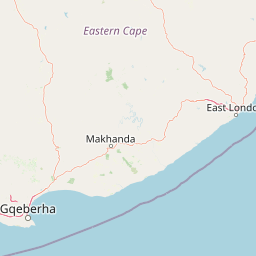
Inkwenkwezi is best known for the rare presence of white lions alongside more typical Big Four game species, and for the remarkable convergence of five biomes within a single reserve boundary. This combination of rare genetic wildlife lines and compressed ecological diversity gives the reserve a profile that distinguishes it from many larger, more uniform private game properties in southern Africa. The reserve also draws attention for its accessibility from East London and for blending conservation with hospitality in the scenic Chintsa valley, a region traditionally associated with the Wild Coast's cultural and natural landscape.
Inkwenkwezi Private Game Reserve history and protected-area timeline
Inkwenkwezi grew out of the vision of brothers Graham and Keith Stanton, who were born in Mthatha and developed the idea of creating a private conservation and hospitality property in the Chintsa valley. Graham Stanton acquired the first of several parcels of land that would eventually form the reserve in 1983, and over time these adjoining properties were consolidated into a single, larger private game reserve under the Inkwenkwezi name. The reserve's name itself comes from the Xhosa phrase meaning "under the stars," anchoring the property in the linguistic and cultural traditions of the Eastern Cape.
As the reserve developed, it expanded beyond purely conservation-oriented activities. In addition to its wildlife focus, it began hosting events such as weddings, and in 2019 it served as the venue for the South African Majorettes and Cheerleading National Championships. The reserve has also navigated modern conservation challenges, including a 2017 incident in which five suspected poachers were apprehended on the property, and a 2019 controversy surrounding the relocation of two elephants from the reserve to the Johannesburg Zoo, which drew public scrutiny and debate about private reserve management practices and animal welfare standards.
Inkwenkwezi Private Game Reserve landscape and geographic character
Inkwenkwezi sits in the Chintsa valley region of the Eastern Cape, a landscape shaped by the transition between the interior grasslands and forests of South Africa and the coastal influences of the Wild Coast. Within its roughly 4,500-hectare footprint, the reserve claims to contain five distinct biomes, a level of physical and ecological contrast that translates into varied terrain, vegetation cover, and scenery across the property.
Although the reserve is inland from the coast, its setting in the Wild Coast hinterland places it within a broader landscape renowned for its rolling hills, river valleys, and patches of indigenous forest interspersed with open grassland and thicket. Topography within the reserve supports this habitat mosaic, creating natural transition zones between more closed woody vegetation and open plains, which in turn shape both the visual character of the property and the distribution of its wildlife.
Inkwenkwezi Private Game Reserve ecosystems, habitats, and plant life
The nature of Inkwenkwezi is defined less by any single dominant ecosystem and more by the deliberate convergence of multiple biomes within a relatively compact private landholding. This biome diversity supports a layered habitat structure, with forest patches, thicket, open grassland, and transitional vegetation zones all present across the reserve. Such variation is ecologically significant because it provides different microhabitats for different species groups, supporting both browsers and grazers, predator and prey species, and a richer overall faunal assemblage than typically found in reserves dominated by a single biome.
The reserve's position in the Eastern Cape also places it within a broader regional ecosystem context that includes coastal forest belt influences, inland grassland expansions, and thicket mosaics characteristic of the Wild Coast transition zone. This regional context gives Inkwenkwezi an ecological role that complements, rather than duplicates, the larger state-managed protected areas of the Eastern Cape.
Inkwenkwezi Private Game Reserve wildlife and species highlights
Inkwenkwezi supports a mammal community that is unusually broad for a private reserve of its size, anchored by four of the Big Five game species. Lion, African buffalo, leopard, and both black and white rhinoceros form the headline wildlife offering, accompanied by giraffe, plains zebra, numerous antelope species, and a wide variety of smaller mammals. The presence of rhinoceros in particular places the reserve within the important network of private properties that contribute to the conservation of threatened rhino populations outside of formal national parks.
A particularly distinctive feature of the reserve's wildlife is its association with white lions, a rare color morph with deep regional and conservation significance. White lions are not a separate subspecies but a rare genetic expression within the southern African lion population, and Inkwenkwezi has been involved in maintaining and breeding this rare lineage. The reserve has reported at least one tawny female lion carrying the white gene and producing mixed brown and white litters, contributing to ongoing efforts to preserve this unusual genetic line within managed populations.
The reserve's wildlife operations have also intersected with broader conservation debates. In 2017, five suspected poachers were apprehended on the property, underscoring the ongoing pressures of illegal wildlife trafficking in the region. In 2019, the reserve attracted criticism and public debate when it transferred two elephants to the Johannesburg Zoo, raising questions about the responsibilities and ethical considerations facing private game reserves managing large, mobile species.
Inkwenkwezi Private Game Reserve conservation status and protection priorities
Inkwenkwezi's conservation role operates on several levels. As a private reserve covering roughly 4,500 hectares and supporting four of the Big Five game species, it contributes to the broader network of protected and managed land in the Eastern Cape that buffers formal state reserves and helps maintain habitat connectivity in the region. Its particular emphasis on rhinos and on rare white lion genetics aligns it with conservation priorities that extend well beyond local tourism interests.
The reserve also represents a model of conservation integrated with commercial activity, with income from wildlife-based tourism and event hosting supporting ongoing land management and anti-poaching efforts. The 2017 apprehension of suspected poachers indicates an active security posture against wildlife crime, while the 2019 elephant transfer to Johannesburg Zoo illustrates the kinds of management decisions and ethical controversies that private reserves of this kind increasingly face as they engage with species-level conservation and animal welfare questions.
Inkwenkwezi Private Game Reserve cultural meaning and human context
The reserve's name, Inkwenkwezi, is drawn directly from the Xhosa language and translates to "under the stars," embedding the property in the linguistic and cultural traditions of the Eastern Cape. Its founders, the Stanton brothers, were born in Mthatha, a city closely associated with Xhosa history and heritage, and their choice of a Xhosa name for the reserve reflects a deliberate cultural grounding in the region's identity. This connection is reinforced by the reserve's location in the broader Wild Coast region, an area long associated with traditional Xhosa communities and rural cultural landscapes.
Inkwenkwezi also intersects with contemporary South African cultural life through its event hosting role, which has included both weddings and national sporting championships, positioning the reserve as a venue where wildlife conservation, regional tourism, and broader social gatherings come together.
Top sights and standout views in Inkwenkwezi Private Game Reserve
Inkwenkwezi Private Game Reserve combines multi-biome ecological diversity with rare wildlife features, including white lion genetics and four of the Big Five game, within a relatively compact and accessible Eastern Cape property. Its proximity to East London, its scenic Wild Coast setting, and its dual role as a conservation property and event venue make it a versatile destination within the regional private reserve landscape.
The reserve's blend of cultural grounding, modern hospitality, and active wildlife management gives it a character that is both regionally distinctive and representative of the evolving role of private game reserves in contemporary South Africa.
Best time to visit Inkwenkwezi Private Game Reserve
The Eastern Cape's climate supports wildlife viewing and bush experiences across much of the year, with milder temperatures and greener landscapes typically associated with the warmer and wetter months, and cooler, drier conditions following in the cooler season. These seasonal changes tend to alter visibility, animal movement around water sources, and the overall character of the bush, though Inkwenkwezi's multi-biome structure means that different parts of the reserve may retain visual interest regardless of broader seasonal shifts.