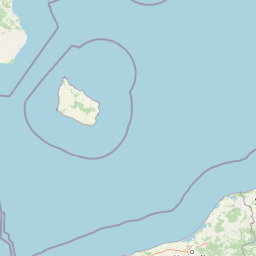
Why Jezioro Modła Nature Reserve stands out
The reserve is best known for its protected breeding sites of waterbirds tied to coastal lakes and marshlands, including mute swans, black terns, black-tailed godwits, and bitterns, as well as for the presence of mammals such as Eurasian otters and European beavers in a richly overgrowing coastal lake habitat.
Jezioro Modła Nature Reserve history and protected-area timeline
Jezioro Modła Nature Reserve was formally established in 1982 under Polish law, with its creation documented in Monitor Polski of that year. The classification of the site as a faunistic reserve signaled its primary purpose as protection of animal life, particularly breeding waterbirds associated with the lake and the surrounding marshlands.
Since its establishment, the reserve's role has been reinforced through its inclusion in the Natura 2000 network, specifically within the site known as Przymorskie Błota, aligning its protection with broader European-level wetland conservation efforts. Scholarly attention to the reserve, including studies of its water conditions, has contributed to a more detailed understanding of the ecological dynamics of this coastal lake system.
Jezioro Modła Nature Reserve landscape and geographic character
The landscape of the reserve is shaped by its setting on the Słupsk Plain, part of the larger Pobrzeże Koszalińskie coastal belt. The defining landform is Lake Modła itself, a shallow coastal lake that is undergoing eutrophication and steady overgrowth, gradually giving way to adjacent wetland habitats.
Around the lake, the terrain transitions through reed fringes into wet meadows, sedge communities, and boggy ground, creating the kind of soft, water-saturated mosaic typical of Pomeranian coastal wetland complexes. There are no major cliffs or pronounced relief features here; instead, the visual character of the area is one of low-lying, gradually shifting shoreline, where open water gives way to dense marsh vegetation over relatively short distances.
Jezioro Modła Nature Reserve ecosystems, habitats, and plant life
Ecologically, the reserve is anchored by a eutrophic coastal lake whose nutrient richness and slow infilling process create the conditions for a particularly dynamic wetland environment. Reedbeds, meadows, and boggy patches form a mosaic that supports both aquatic and semi-aquatic life, while the gradual overgrowth of the lake continually reshapes habitat availability for different species groups.
The wetland complex supports characteristic plant communities of the Pomeranian coastal lowlands, while the lake itself harbors fish species adapted to the soft-bottom, vegetation-rich conditions of a maturing coastal water body. Together with its surrounding habitats, the lake forms a functioning marshland ecosystem in which open water, emergent vegetation, and wet meadow zones are tightly interconnected.
The nature of the reserve is closely tied to the wider Przymorskie Błota Natura 2000 site, situating it within a larger wetland complex and reinforcing its ecological coherence at a regional scale.
Jezioro Modła Nature Reserve wildlife and species highlights
Wildlife is the core focus of the reserve, reflecting its classification as a faunistic protected area. The lake and its surroundings provide breeding habitat for several waterbird species characteristic of coastal Polish wetlands, including mute swans, black terns, fieldfares, black-tailed godwits, and bitterns. Mallards and herring gulls also nest within the protected area, taking advantage of the mix of open water, reeds, and meadow edge.
Beyond birds, the reserve supports mammals that are closely associated with wetland environments, including European beavers, weasels, and Eurasian otters. The presence of otters in particular highlights the functional health of the lake and its fringing habitats as a hunting and living space for semi-aquatic predators.
The fish community of the lake includes species such as the European weatherfish, the common bullhead, and the stone loach, fish typically associated with vegetated, soft-bottomed inland and coastal waters. Their presence underscores the lake's character as a maturing, biologically rich coastal waterbody rather than an open, degraded system.
Jezioro Modła Nature Reserve conservation status and protection priorities
Conservation significance at Jezioro Modła centers on the protection of breeding habitat for waterbirds that depend on quiet, undisturbed coastal wetlands, as well as on the preservation of a eutrophic coastal lake in a state of natural ecological succession. The reserve's faunistic designation directs focus specifically toward maintaining functional conditions for nesting birds and resident mammals.
The inclusion of the reserve within the Natura 2000 site Przymorskie Błota binds it into a larger network of protected wetland areas along Poland's Baltic coast, embedding the site within European-level biodiversity protection frameworks. This connection strengthens the reserve's role in maintaining landscape-scale coherence of coastal marshes.
By keeping the area closed to visitors, the reserve also reflects a conservation approach that prioritizes minimal disturbance, helping protect sensitive breeding birds and shy wetland mammals from the pressures associated with public access.
Jezioro Modła Nature Reserve cultural meaning and human context
The reserve sits within a sparsely populated rural landscape of the Ustka commune, near small villages and colonies such as Modła, Duninowo, Lędowo, and Modlinek. These settlements reflect the traditional pattern of small coastal communities dispersed across the Pomeranian agricultural and fishing hinterland.
While the reserve itself is not a cultural site, its location between these small settlements underlines how wetland protection in this part of Poland sits alongside long-standing patterns of rural land use along the Baltic coastal plain.
Top sights and standout views in Jezioro Modła Nature Reserve
Jezioro Modła Nature Reserve stands out for combining a gradually overgrowing coastal lake with a richly structured surrounding marshland, offering high-quality habitat for nesting waterbirds and wetland mammals. Its formal faunistic designation and inclusion within the Natura 2000 site Przymorskie Błota give it both national and European-level conservation significance.
The presence of species such as black terns, bitterns, black-tailed godwits, and Eurasian otters, together with European beavers, marks the reserve as a particularly representative example of the wetland heritage of Poland's Pomeranian coast.
Best time to visit Jezioro Modła Nature Reserve
Jezioro Modła Nature Reserve is not open to visitors, so traditional visit-timing guidance does not apply. From a broader ecological perspective, the wetland landscape it protects is most biologically active during the spring and early summer months, when waterbird breeding is at its peak and the marshland habitats reach their fullest seasonal expression.