

Mori Atlas logo
Nature reserveJip Jip Conservation Park

Investigate the geological boundaries and diverse plant communities of this iconic Padthaway Rise reserve.

Jip Jip Conservation Park: Exploring Granite Inselbergs and Protected South Australia Landscapes

Jip Jip Conservation Park stands as a vital protected area within the Padthaway Rise of South Australia, defined by its striking granitic inselbergs and contrasting sandy swales. This 1.4 square kilometre reserve provides essential habitat for uncommon marsupials, rare fern species, and over sixty recorded bird types. Its compact terrain creates a distinct mosaic of low open eucalypt forest and heath that serves as an important landmark for natural history and regional geography.

granite outcropsinselbergsPadthaway Risesandy woodlandheath understoreysmall protected area

Jip Jip Conservation Park

Nature reserve

Park overview

Structured park overview, official facts, and landscape profile for Jip Jip Conservation Park

Jip Jip Conservation Park park facts, protected area profile, and essential visitor context

Review the core facts for Jip Jip Conservation Park, including designation, size, terrain, visitor scale, habitats, and operating context in one park-focused overview.

About Jip Jip Conservation Park

Jip Jip Conservation Park is a compact but ecologically rich protected area in the south-east of South Australia, established to protect a particular geological feature rather than a large wilderness tract. The park lies in the gazetted locality of Marcollat, with its boundaries defined by a single land section in the Hundred of Peacock, sitting on the northern side of the Kingston to Keith road. Despite covering only about 1.4 square kilometres, it carries a meaningful mix of granite outcrops, sandy swales, ridges, and low woodland that together represent a distinctive slice of the Padthaway Rise.

The reserve was first proclaimed on 20 March 1967 as Jip Jip National Park under South Australia's National Parks Act 1966, following what contemporary accounts describe as a protracted dispute and considerable public interest in protecting the granite outcrops. When the broader National Parks and Wildlife Act 1972 was proclaimed, the park's status changed on 27 April 1972 and it was reconstituted as Jip Jip Conservation Park. The change reflected a national shift in how smaller reserves with particular natural features were categorised, rather than any reduction in protection commitment, and the underlying purpose of the reserve, safeguarding the Jip Jip Rocks, has remained constant.

The park's identity is shaped as much by its vegetation as by its rocks. The sandy areas between the granite outcrops support low open forest dominated by brown stringybark and pink gum eucalypts, with a diverse heath understorey. Around the granitic outcrops, drooping sheoak becomes a prominent tree alongside eucalypts and taller shrubs including native blackthorn, hopbush, broombush, and mintbush. Smaller patches of open scrub and open heath occupy the depressions, creating a mosaic of plant communities within a very small footprint.

For visitors, Jip Jip has long been known as a quiet, accessible natural area rather than a major tourism destination. As early as 1980 it was described as a popular picnic spot, and by 1992 the visiting profile had settled into a mix of local residents coming for picnics, walking, and viewing the granite outcrops, along with bird observers and field naturalists drawn by the park's unusual combination of geological and biological interest.

Quick facts and research context for Jip Jip Conservation Park

Jip Jip Conservation Park covers approximately 1.4 square kilometres in the gazetted locality of Marcollat in south-eastern South Australia, around 50 kilometres north-east of Kingston SE.

It protects a group of granite outcrops known as Jip Jip Rocks, which are part of the Padthaway Rise. The park was first proclaimed as Jip Jip National Park in 1967 under the National Parks Act 1966 and was reconstituted as a conservation park in 1972. It is classified as an IUCN Category III protected area, recognising it primarily as a natural monument or feature of regional significance.

Protection and recognition

Terrestrial protected area records established in 1972

Jip Jip Conservation Park Protection Status and Designation History

Jip Jip Conservation Park maintains documented terrestrial protection status established in 1972. Factual designation records outline the governing management framework and international recognition history.

Protection details

Protection scope
Terrestrial
Designated year
1972
Transboundary protection
No
Park context

Deeper park guide and search-rich context for Jip Jip Conservation Park

Jip Jip Conservation Park history, landscape, wildlife, and travel context

Explore Jip Jip Conservation Park through its history, landscape character, ecosystems, wildlife, conservation priorities, cultural context, and seasonal travel timing in a structured park guide built for atlas discovery and search intent.

Why Jip Jip Conservation Park stands out

Jip Jip Conservation Park is best known for its distinctive group of granitic inselbergs, known together as Jip Jip Rocks, which rise out of surrounding sandy swales and form a local landmark within the Padthaway Rise. The contrast between smooth granite outcrops, sandy ridges, and deeply rooted low eucalypt forest gives the park a compact but unusually characterful landscape for its small size. Alongside its scenery, the park is recognised for the unusual concentration of rare and regionally significant plants and wildlife that the same outcrops and sandy soils support, including a rare fern species, a small possum uncommon in South Australia, and a diverse bird list for such a compact reserve.

Jip Jip Conservation Park history and protected-area timeline

Jip Jip Conservation Park has its origins in a public effort to protect a cluster of granite outcrops in south-eastern South Australia that were known locally as Jip Jip Rocks. Records from 1980 describe the dedication of the area as a national park as the resolution of a protracted dispute that had attracted considerable public interest in keeping the granite outcrops intact and out of competing land uses.

On 20 March 1967, the land was formally proclaimed as Jip Jip National Park under the South Australian National Parks Act 1966. This made it one of the smaller reserve units created during a period of expanding protected-area legislation in the state, and it signalled the rising importance of landscape-scale geological features in conservation planning.

In 1972, South Australia enacted the broader National Parks and Wildlife Act 1972, which reorganised how different categories of protected land were defined. On 27 April 1972, Jip Jip National Park was reconstituted as Jip Jip Conservation Park under that new legislation, adjusting its legal category while keeping the same land and protection intent. In 1980, the park was also listed on the Register of the National Estate, a former Australian heritage register that has since been discontinued but reflects the recognised national significance of the site at that time.

Jip Jip Conservation Park landscape and geographic character

The defining landscape feature of Jip Jip Conservation Park is a group of rounded granite outcrops, described historically as granitic inselbergs and a gently sloping hill, that rise out of a surrounding matrix of sandy swales and low ridges. These outcrops form part of the Padthaway Rise, a broader geological province in south-eastern South Australia that hosts a scattered pattern of similar granite exposures across the regional landscape.

The terrain transitions sharply from hard granite to sandy soils over very short distances. Where sand has accumulated in the swales and along the ridges, low open eucalypt forest and heathy understorey have established. Where granite lies near or at the surface, the vegetation shifts to a drier, more open mix of drooping sheoak and scattered shrubs. The result is a compact reserve where dramatic rock formations, pale sandy soils, and dark low forest coexist in close proximity.

For visitors, the visual signature of Jip Jip is the way its rocky outcrops break through the otherwise gentle, sandy landscape. The granite formations provide elevated vantage points, sheltered pockets, and exposed rock surfaces that contrast strongly with the surrounding woodland. This scale of landscape, while tightly contained, gives the park a sense of place distinct from the broader flat sandy country that surrounds it.

Jip Jip Conservation Park ecosystems, habitats, and plant life

Jip Jip Conservation Park contains a striking concentration of ecological diversity within its small footprint, reflecting the way its granite outcrops and sandy swales create sharply different microhabitats. The dominant vegetation community across the sandy ridges and swales is a low open forest of brown stringybark and pink gum eucalypts above a heath understorey, a formation broadly representative of the region's sandy rises. In the depressions between ridges, smaller patches of open scrub and open heath, featuring broombush and certain hakea species, occupy wetter or lower-lying ground.

Closer to the granite outcrops, the plant community changes markedly. Drooping sheoak becomes a prominent tree, joined by eucalypts and a layer of taller shrubs that includes native blackthorn, hopbush, broombush, and a species of Prostanthera mintbush that thrives in rocky niches. This juxtaposition of woodland, heath, and rock-outcrop vegetation within a single small reserve makes the park a notable example of how geology drives ecological variety in south-eastern South Australia.

The park is also recognised for supporting a regionally rare fern, the necklace fern, which has been recorded in the reserve and is regarded as endangered within South Australia. Several other plant species found at Jip Jip are considered rare within the state, reinforcing the conservation value of the plant communities that have developed on and around the granite outcrops. Collectively, the vegetation at Jip Jip is relatively unmodified, with much of the original structure of the woodland and heath still intact.

Jip Jip Conservation Park wildlife and species highlights

The wildlife profile of Jip Jip Conservation Park is unusually rich for a reserve of its size. More than sixty bird species have been recorded in the park, reflecting the way woodland, heath, and exposed rock habitats together provide niches for a wide range of birds including those reliant on eucalypt canopy, understorey shrubs, and rocky perches. The diversity of the bird list has made the park a known destination for bird observers, who are among the regular visitors documented in descriptions of the reserve.

Among mammals, the little pygmy possum, a small marsupial, has been recorded in the park and is regarded as uncommon in South Australia. The presence of this species is significant for a protected area of just over a square kilometre, indicating that the habitat mosaic and the relative lack of disturbance have helped sustain populations of small native mammals that are often under pressure elsewhere in the region.

The combination of granite, sand, woodland, and heath also supports a broad invertebrate and reptile community typical of the Padthaway Rise, although these groups are less prominently documented. For visitors and field naturalists, the most visible expressions of wildlife at Jip Jip are its birdlife and the floristic richness that supports it, which together give the reserve a biological character well beyond what its modest footprint might suggest.

Jip Jip Conservation Park conservation status and protection priorities

Jip Jip Conservation Park was established primarily for conservation of a specific natural feature: its granite outcrops, which are recognised as part of the Padthaway Rise and were the subject of public campaigns to keep them protected from degradation or incompatible land use. The park's status as an IUCN Category III protected area reflects its classification as a natural monument or feature of regional importance, rather than as a large-scale wilderness reserve.

Conservation significance at Jip Jip extends beyond its rocks. The reserve protects a relatively unmodified mosaic of sandy woodland, heathy understorey, and rock-outcrop shrubland that hosts rare plants including the endangered necklace fern and several other species that are rare in South Australia. The presence of the little pygmy possum, an uncommon mammal in the state, adds to the park's value as a refuge for fauna that depend on intact native vegetation.

In 1980, the conservation importance of the park was formally recognised through its listing on the Register of the National Estate, which recorded nationally significant natural and cultural places across Australia. While that register has since been discontinued, its inclusion underpins the continued recognition of Jip Jip as a small reserve of disproportionate ecological and geological importance in the South Australian reserve system.

Top sights and standout views in Jip Jip Conservation Park

Granitic inselbergs of the Padthaway Rise form the centrepiece of the park, providing both scenery and habitat.

A compact mosaic of low open eucalypt forest, open scrub, open heath, and rock-outcrop shrubland all coexist within roughly 1.4 square kilometres.

The park is a known home to more than sixty recorded bird species and to the little pygmy possum, a small marsupial that is uncommon in South Australia.

Rare and endangered plant species, including the necklace fern, contribute to the park's strong botanical significance despite its small size.

A quiet, accessible destination long associated with picnics, short walks, and natural history observation by local visitors and field naturalists.

Best time to visit Jip Jip Conservation Park

Jip Jip Conservation Park is best experienced in the cooler and drier months of late autumn, winter, and spring, when South Australia's south-eastern climate produces mild daytime temperatures and when heath and woodland vegetation are most active. Spring in particular is associated with flowering across heath understoreys and increased bird activity, while autumn brings stable weather and comfortable conditions for walking among the granite outcrops.

Summer in the region can bring higher temperatures and drier conditions, which reduce shade availability in the low open forest and can make walking on exposed granite surfaces uncomfortable. Winter and early spring may occasionally bring wet ground, but the generally sandy soils and rocky outcrops dry quickly and the park remains accessible for short visits by those comfortable with seasonal conditions.
Monthly climate preview

Long-term average temperature and monthly precipitation patterns across representative coordinates

Jip Jip Conservation Park Climate Normals and Measured Temperature Rhythm

Representative coordinate records show measured long-term temperature variation and precipitation distribution across twelve distinct monthly intervals for Jip Jip Conservation Park. Detailed monthly climate normals provide comprehensive baseline data for examining multi-year averages and seasonal weather rhythms.
Annual mean15 °C
10 °C21 °C
Jan21°
Feb21°
Mar19°
Apr16°
May13°
Jun11°
Jul10°
Aug11°
Sep12°
Oct15°
Nov17°
Dec19°
Warmest month
January

21 °C

Coolest month
July

10.3 °C

Wettest month
June

2 mm/day

Driest month
February

0.6 mm/day

Park location guide

Geography guide, regional context, and park location map for Jip Jip Conservation Park

Jip Jip Conservation Park park geography, regions, and map view in Australia

Understand where Jip Jip Conservation Park sits in Australia through a broader geographic reading of the surrounding landscape, nearby location context, and its mapped position within the national park landscape.

How Jip Jip Conservation Park fits into Australia

Australia is a constitutional monarchy and federal parliamentary democracy comprising six states and ten territories. With a population of nearly 28 million, it is one of the world's most urbanised countries, with most people concentrated on the eastern seaboard. The country has a high Human Development Index and is known for its cultural diversity, ancient Aboriginal heritage, and unique wildlife.

Wider geography shaping Jip Jip Conservation Park in Australia

Australia occupies the entire Australian continent, the island of Tasmania, and numerous smaller islands. It is the world's flattest and driest inhabited continent, featuring vast deserts in the interior (the Outback), tropical rainforests along the eastern coast, and a coastline bordering the Indian and Pacific Oceans.

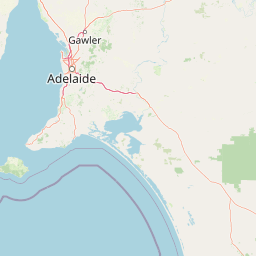
Map view of Jip Jip Conservation Park

Use this park location map to pinpoint Jip Jip Conservation Park in Australia, understand its exact geographic position, and read its mapped placement within the surrounding landscape more clearly.

Pigeon | © OpenStreetMap contributors

Location context for Jip Jip Conservation Park

South Australia
Park atlas

Compare surrounding granite landscapes and regional conservation reserves

Exploring Parks Near Jip Jip Conservation Park and Regional Protected Areas

Continue geographic discovery by comparing protected areas and nearby reserves sharing similar regional terrain. Broadening the protected-landscape view helps contextualize the unique geological features and native woodland habitats found around Jip Jip Conservation Park.
State or regional parkSouth Australia
About 14 km away#1 closest

East

Desert Camp Conservation Park: Geographic Overview and Protected Area Atlas

Interdunal plains and pink gum woodland in South Australia

Examine the unique geomorphology and protected vegetation of Desert Camp Conservation Park. This record details the park's characteristic sandy duplex soils, low dune ridges, and granite outcrops, offering insight into the specific ecosystems preserved within this South Australian regional conservation area.

Area
0.51 km²
Established
1967
IUCN
III
Relief
Lowland
Nature reserveSouth Australia
About 21 km away#2 closest

Northeast

Christmas Rocks Conservation Park: Exploring Granite Outcrops in South Australia

A vital nature reserve and geological monument site

Located in the Limestone Coast region, Christmas Rocks Conservation Park preserves a rare granite landform that rises above the surrounding rural plains. The site functions as a protected natural monument, offering insights into the ancient geological history of South Australia while providing essential habitat for endangered native flora like the Monarto mintbush.

Area
0.19 km²
Established
2014
IUCN
III
Relief
Upland
Nature reserveSouth Australia
About 21 km away#3 closest

Northwest

Gum Lagoon Conservation Park: Protected Landscapes of the Limestone Coast, South Australia

Mallee woodland and wetland drainage corridor

Investigate the complex terrain of Gum Lagoon Conservation Park. This nature reserve provides essential habitat through its combination of tea-tree scrub, wet heathland, and the Duck Island Watercourse. Recognized for its role in biodiversity conservation, the park offers a clear look at how fragmented ecosystems are restored and maintained within the broader geography of South Australia.

Area
89.06 km²
Established
1970
IUCN
VI
Relief
Lowland
National parkSouth Australia
About 32 km away#4 closest

Northwest

Coorong National Park: South Australia National Park Mapped Boundaries and Landscape Context

Explore its unique protected landscape and regional geography.

Coorong National Park in South Australia is featured here as a key protected area for geographic discovery. Users can explore the park's specific landscape characteristics, mapped boundaries, and its role within the regional geography of South Australia. This detail page supports an atlas-based understanding of protected lands, offering a focused perspective on the park's natural terrain and conservation significance within Australia.

Area
490.15 km²
Established
1967
IUCN
II
Relief
Lowland
Nature reserveSouth Australia
About 41 km away#5 closest

Southeast

Fairview Conservation Park: Protected Nature Reserve and Limestone Coast Geography

Mapped wetlands, sandy ridges, and woodlands in southeastern South Australia

Explore the geographic framework of Fairview Conservation Park, a nature reserve in South Australia's Limestone Coast. The protected area features a unique intersection of semi-permanent lagoons, periodically inundated flats, and varied woodland vegetation including blue gum and manna gum, offering a clear window into the regional geological and ecological character of the area.

Area
13.94 km²
Established
1960
IUCN
Ia
Relief
Lowland
Nature reserveSouth Australia
About 52 km away#6 closest

Southwest

Butcher Gap Conservation Park: A Protected Coastal Reserve in South Australia

Examining the dune-and-wetland geography along Lacepede Bay

Butcher Gap Conservation Park protects a unique, tightly layered coastal environment characterized by shifting foredunes, saline basins, and paperbark-fringed wetlands. This nature reserve provides essential habitat for migratory shorebirds and illustrates the complex geological and biological patterns defining this stretch of the South Australian Limestone Coast.

Area
1.8 km²
Established
1990
IUCN
III
Relief
Lowland
Nature reserveSouth Australia
About 58 km away#7 closest

Southeast

Grass Tree Conservation Park: A Protected Nature Reserve in South Australia

Geography and native woodland map exploration.

Grass Tree Conservation Park is a 16 hectare nature reserve in the Limestone Coast of South Australia, focused on the protection of iconic grass trees. The reserve captures a landscape of calcarenite dunes and diverse forest communities, including brown stringybark and pink gum. Through its protected status, it offers valuable insight into the native vegetation and sandy terrain typical of the West Naracoorte Range.

Area
0.16 km²
Established
1972
IUCN
III
Relief
Lowland
Nature reserveSouth Australia
About 62 km away#8 closest

East

Geegeela Conservation Park: Mapped Geography and Protected Area Data

Ecological restoration and woodland habitat in South Australia

Geegeela Conservation Park stands as a significant nature reserve within the Limestone Coast of South Australia. Covering over eight square kilometres, this area protects a regenerating mosaic of desert banksia heath and stringybark woodland, offering a critical refuge for local bird species and nationally endangered fauna within the surrounding rural landscape.

Area
8.58 km²
Established
2005
IUCN
III
Relief
Lowland

Common questions about visiting, size, designation, and location context for Jip Jip Conservation Park

Jip Jip Conservation Park FAQs for park facts, access, geography, and protected area context

Find quick answers about Jip Jip Conservation Park, including protected-area facts, park geography, trail and visitor context, and how the park fits into its surrounding country and regional landscape.
MoriAtlas Explorer

Continue Your Protected Areas Search Across the Global Atlas

Deepen your exploration by continuing the structured search for national parks and protected areas worldwide. Utilize the comprehensive filtering capabilities to compare different conservation landscapes and refine your understanding of global park geography. Discover more about the distribution and characteristics of protected natural areas.

Global natural geography