Mori Atlas logo
Nature reserveKacze Łęgi

A preserved riparian floodplain ecosystem situated within the Kashubian coastal lowlands

Kacze Łęgi Nature Reserve: Mapped Protected Landscapes and River Valley Geography in Poland

(Rezerwat przyrody Kacze Łęgi)

Kacze Łęgi represents a significant protected riparian enclave located along the valley of the Kacza River in Gdynia. This nature reserve preserves a rare fragment of floodplain woodland characterized by black alder and ash, functioning as a vital botanical reference point within the wider forested corridors of the Pomeranian Voivodeship. Mapped within the Trójmiejski Park Krajobrazowy, the terrain highlights the intersection of local stream hydrology and Baltic coastal vegetation patterns.

floodplain forestriverside woodlandnature reservepomeranian lowlandsurbannaturekaszuby
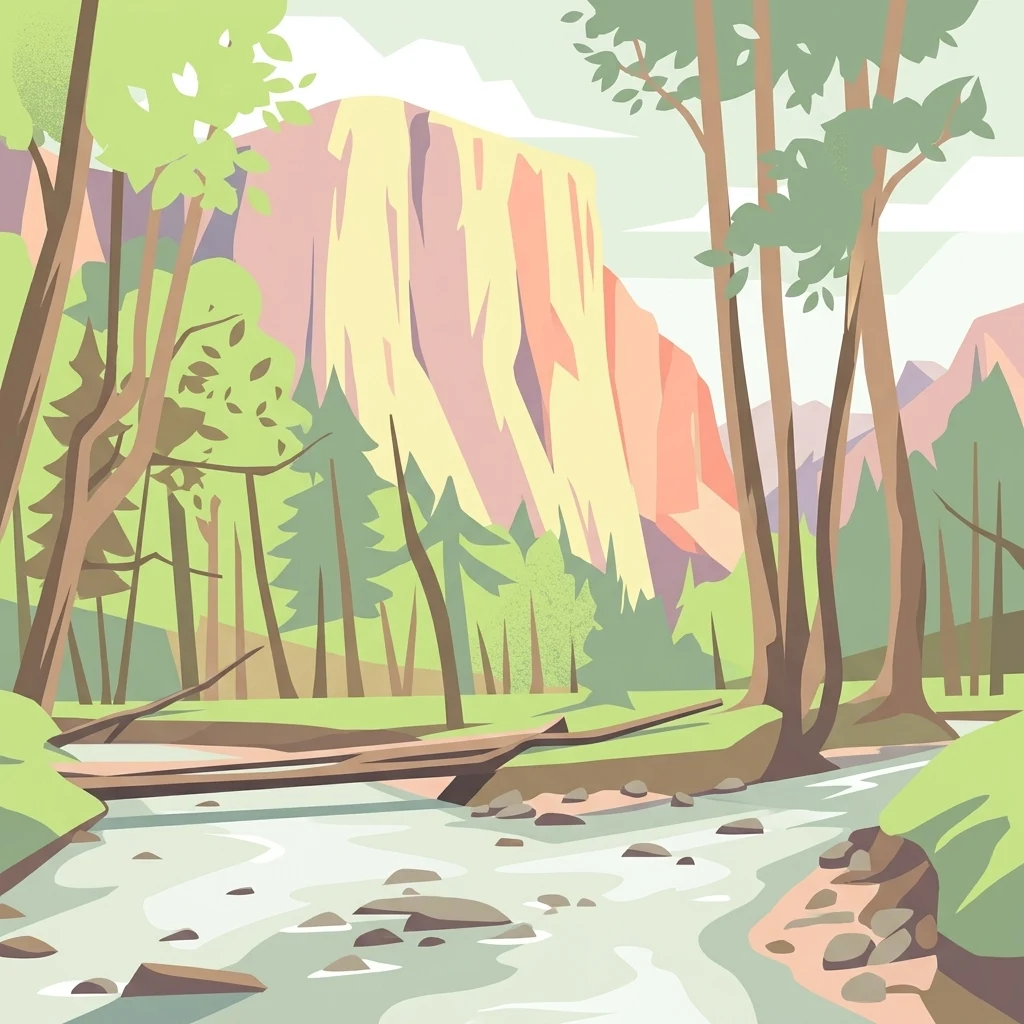
A stylized digital illustration of a forested river valley with a steep cliff in the background and a calm stream in the foreground.

Kacze Łęgi

Nature reserve

Park overview

Structured park overview, official facts, and landscape profile for Kacze Łęgi Nature Reserve

Kacze Łęgi Nature Reserve park facts, protected area profile, and essential visitor context

Review the core facts for Kacze Łęgi Nature Reserve, including designation, size, terrain, visitor scale, habitats, and operating context in one park-focused overview.

About Kacze Łęgi Nature Reserve

Kacze Łęgi is a compact forest nature reserve on the northern fringes of the Tri-City metropolitan area in Pomerania. Although it covers only a few hectares, it has been protected since 1983 precisely because it preserves a habitat type that has become rare in the surrounding lowland landscape: a natural riverside forest on the floodplain of the small Kacza River and one of its tributaries, marked by a stream confluence that still defines the local hydrology.

Geographically, the reserve sits within the Trójmiejski Park Krajobrazowy, on the Kashubian Coast mezoregion, where the surface is shaped less by dramatic relief than by valleys, streams, and patches of woodland that have resisted conversion. Its location in the Krykulec part of Gdynia's Mały Kack district places it in close proximity to residential neighborhoods, yet the reserve retains a forested, secluded character thanks to the surrounding landscape park and protected buffer.

Ecologically, Kacze Łęgi is valued as a surviving example of a floodplain forest community, known in Polish forestry as the elm floodplain type, that once characterized bottoms of small river valleys along the Baltic coast. The reserve's importance comes from its combination of intact natural forest structure, a diverse understory, and a notable presence of plant species more typical of upland and submontane environments, giving the site a botanical profile that stands out within the surrounding lowlands.

Quick facts and research context for Kacze Łęgi Nature Reserve

Kacze Łęgi is a Polish forest nature reserve established in 1983, covering about 8.97 hectares along the Kacza River in the Mały Kack area of Gdynia, within the Trójmiejski Park Krajobrazowy on the Kashubian Coast. The site is managed by Nadleśnictwo Gdańsk under the supervision of the Regional Directorate for Environmental Protection, and it protects a relict elm-type floodplain forest with a rich recorded flora of 210 vascular plant species, including upland and submontane plants that are unusual in this coastal lowland setting.

Protection and recognition

Review the official terrestrial designation records and management scope for Kacze Łęgi.

Kacze Łęgi Protection Status and Documented Conservation Scope

Terrestrial protection records for Kacze Łęgi outline the documented conservation scope and administrative history. Structured data details the formal designation framework and recognition sources associated with the reserve.

Protection details

Protection scope
Terrestrial
Park context

Deeper park guide and search-rich context for Kacze Łęgi Nature Reserve

Kacze Łęgi Nature Reserve history, landscape, wildlife, and travel context

Explore Kacze Łęgi Nature Reserve through its history, landscape character, ecosystems, wildlife, conservation priorities, cultural context, and seasonal travel timing in a structured park guide built for atlas discovery and search intent.

Why Kacze Łęgi Nature Reserve stands out

The reserve is best known for protecting a rare and unusually well-preserved fragment of elm floodplain forest along a small Baltic coastal river, embedded within a much larger protected landscape park and surrounded by the urban fabric of Gdynia.
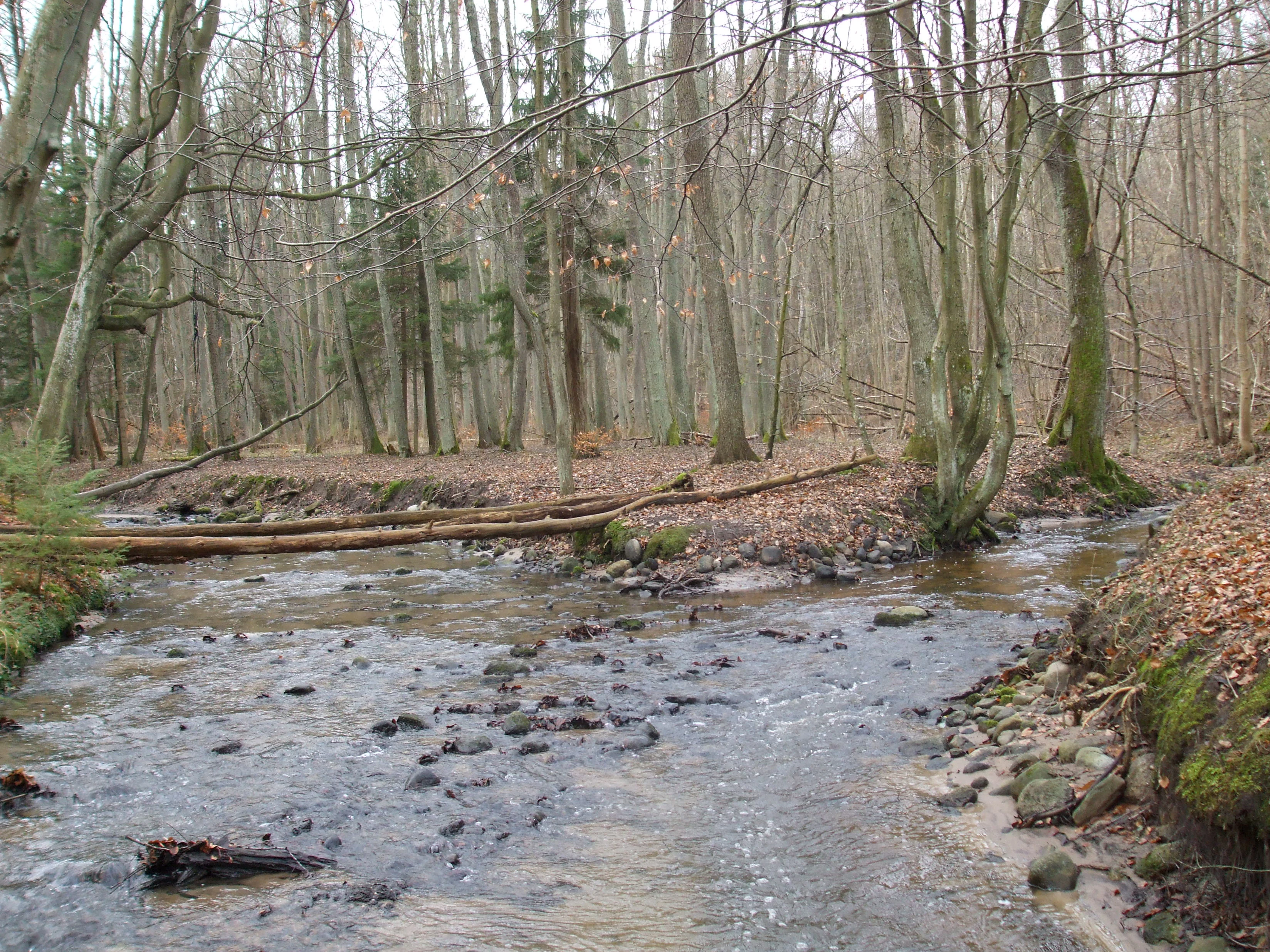
A shallow, rocky stream flowing through a dense, deciduous forest with fallen logs across the water.
The Kacza River flowing through the forested landscape of the Kacze Łęgi nature reserve.

Kacze Łęgi Nature Reserve history and protected-area timeline

The reserve was created in 1983 under the legal act recorded in the Polish Journal of Laws of that year, reflecting growing recognition in late twentieth-century Poland of the need to protect small but ecologically valuable fragments of natural forest embedded in urbanizing landscapes. Its establishment aimed to safeguard a particularly well-preserved piece of floodplain woodland on the Kacza River at a moment when much of the surrounding vegetation was being altered by suburban development in the Tri-City area.

Since its designation, Kacze Łęgi has been managed as part of the national forest administration through Nadleśnictwo Gdańsk, while environmental supervision rests with the Regional Directorate for Environmental Protection. The reserve's inclusion within the broader Trójmiejski Park Krajobrazowy has provided an additional layer of landscape protection around its small core area.

Kacze Łęgi Nature Reserve landscape and geographic character

The local landscape is shaped by the shallow valley of the Kacza River and a small tributary, where the streams meet within the forested core of the reserve. The terrain is gentle and low-lying, characteristic of the Kashubian Coast, with floodplain conditions that support moisture-loving woodland rather than dry upland forest.

A defining feature is the confluence of the tributary known as Źródło Marii with the Kacza River itself, which cuts through the protected area and gives the reserve its characteristic wet, shaded, and structurally complex forest interior. In the wider setting, the reserve is enveloped by the wooded buffer of the Trójmiejski Park Krajobrazowy, so even though the protected core is small, the surrounding hills, slopes, and forested ridges of the landscape park frame it within a much larger green belt.

Kacze Łęgi Nature Reserve ecosystems, habitats, and plant life

Ecologically, Kacze Łęgi represents a surviving fragment of natural floodplain forest, an elm-type community that once clothed the bottoms of small river valleys along the southern Baltic coast. The canopy is dominated by black alder and tall ash, producing a tall, layered, and distinctly shaded forest interior shaped by regular water availability from the river and its tributary.

A particularly interesting feature is the unusually rich vascular plant flora of 210 recorded species within a very small area, including a notable representation of plants more typical of upland and submontane regions. This blend of lowland floodplain habitat and upland-loving species gives the reserve a botanical profile that feels richer and more varied than the surrounding coastal lowlands would normally support.

Kacze Łęgi Nature Reserve wildlife and species highlights

Kacze Łęgi's wildlife value is closely linked to its wet floodplain forest character. The combination of alder and ash canopy, dense understory, and flowing water creates habitat for forest-dwelling birds, small mammals, and the invertebrates associated with old deciduous woodland and streamside conditions. Such floodplain forests in this region typically support typical lowland forest bird communities, amphibians breeding in slow-moving stretches of the stream, and a rich insect fauna around the wet ground flora. The reserve's ecological significance lies more in its intact habitat structure than in any single flagship species, offering a refuge of native forest habitat in an otherwise heavily urbanized setting.

Kacze Łęgi Nature Reserve conservation status and protection priorities

Kacze Łęgi is ecologically important because it preserves a habitat type, the small-river floodplain forest, that has become rare and fragmented across the southern Baltic coastal lowlands. By shielding a representative example from logging, drainage, and urban encroachment, the reserve maintains natural vegetation structure, hydrological function, and genetic continuity of the forest community that has been heavily reduced elsewhere.

Within the broader conservation framework, the reserve is strengthened by its location inside the Trójmiejski Park Krajobrazowy, which protects the wider landscape context around the small core area. This layered protection gives the site disproportionate importance for biodiversity conservation in the Tri-City area, functioning both as a refuge for woodland species and as a reference site for the historical natural vegetation of Kashubian river valleys.

Kacze Łęgi Nature Reserve cultural meaning and human context

The reserve's Kashubian-language name, Kaczé Łãdżi, reflects the strong Kashubian cultural presence in the Pomeranian region around Gdynia, an area where Kashubian identity, language, and rural traditions continue to shape local heritage. The Kacza River valley itself is woven into regional identity and place-name traditions, and the reserve lies within a district of Gdynia, Mały Kack, whose name forms part of the local cultural landscape. Beyond place names, the reserve's survival as a patch of traditional floodplain forest amid modern suburban development speaks to a broader local narrative of balancing urban growth with the protection of small natural sites that carry regional character.

Top sights and standout views in Kacze Łęgi Nature Reserve

Kacze Łęgi stands out for the unusual combination of a small protected area and a remarkably well-developed natural floodplain forest, with a tall black alder and ash canopy over a deeply shaded riverside interior. Another highlight is the confluence of the Źródło Marii tributary with the Kacza River, which gives the reserve its distinctive hydrological structure.

Its botanical richness for such a small site, with 210 vascular plant species and a notable share of upland-loving plants in a coastal lowland setting, makes it a compelling reference area for understanding the original vegetation of small Baltic river valleys. Layered inside the much larger Trójmiejski Park Krajobrazowy, the reserve offers a compact but ecologically meaningful unit within one of northern Poland's most important urban landscape parks.

Best time to visit Kacze Łęgi Nature Reserve

As a small forest reserve, Kacze Łęgi has a different experience across the seasons rather than a strict best window. Late spring and early summer are particularly rewarding for visitors interested in the reserve's rich vascular plant flora, when the herb layer is fully developed and the alder and ash canopy is in full leaf, creating a lush green floodplain forest atmosphere. Autumn highlights the structural beauty of the old-growth trees and any remaining moisture in the floodplain, while winter offers clearer views into the valley and the confluence of the Kacza River with its tributary. The reserve is sheltered woodland rather than open scenery, so conditions are generally best for quiet walks during mild, dry weather, with appropriate footwear for wet ground.
Monthly climate preview

Long-term monthly temperature and precipitation data for Kacze Łęgi

Kacze Łęgi Climate Normals and Annual Temperature Rhythm

Representative coordinate records show measured monthly temperature and precipitation variations across a multi-year baseline at Kacze Łęgi. Examining the complete twelve-month sequence reveals detailed long-term averages for regional weather tracking and geographic analysis.
Annual mean8 °C
0 °C18 °C
Jan
Feb
Mar
Apr
May11°
Jun15°
Jul18°
Aug18°
Sep14°
Oct
Nov
Dec
Warmest month
August

18.3 °C

Coolest month
January

-0.5 °C

Wettest month
July

2.5 mm/day

Driest month
April

1.3 mm/day

Park location guide

Geography guide, regional context, and park location map for Kacze Łęgi Nature Reserve

Kacze Łęgi Nature Reserve park geography, regions, and map view in Poland

Understand where Kacze Łęgi Nature Reserve sits in Poland through a broader geographic reading of the surrounding landscape, nearby location context, and its mapped position within the national park landscape.

How Kacze Łęgi Nature Reserve fits into Poland

Poland, officially the Republic of Poland, is a Central European country spanning from the Baltic Sea in the north to the Carpathian Mountains in the south. It borders Germany, Czech Republic, Slovakia, Ukraine, Belarus, Lithuania, and Kaliningrad Oblast. The country has a temperate climate, diverse landscapes, and is known for its rich history, cultural heritage, and strong economic position within the EU.

Wider geography shaping Kacze Łęgi Nature Reserve in Poland

Poland occupies 312,696 km2 in Central Europe, extending from the Baltic Sea coast in the north to the Sudetes and Carpathian Mountains in the south. It borders Germany to the west, Czech Republic and Slovakia to the south, Ukraine and Belarus to the east, and Lithuania and Kaliningrad Oblast to the northeast. The landscape includes lowland plains, uplands, and mountain ranges.

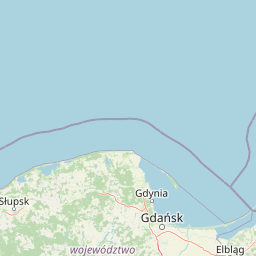
Map view of Kacze Łęgi Nature Reserve

Use this park location map to pinpoint Kacze Łęgi Nature Reserve in Poland, understand its exact geographic position, and read its mapped placement within the surrounding landscape more clearly.

Pigeon | © OpenStreetMap contributors

Location context for Kacze Łęgi Nature Reserve

Pomeranian Voivodeship

Explore floodplain forest habitats, river confluences, and protected woodland terrain.

Kacze Łęgi Photos and Landscape Scenery: Visualizing the Protected River Valley

Visual records reveal the complex wetland habitats, black alder canopies, and meandering river confluences that define the protected terrain of Kacze Łęgi. Photographic documentation provides essential context for understanding the ecological structure and rare lowland forest vegetation preserved within the reserve.

A shallow, rocky stream flowing through a dense, deciduous forest with fallen logs across the water.

Park atlas

Compare surrounding regional geography and connected Baltic lowland forest reserves

Explore Protected Areas and Other Notable Parks Near Kacze Łęgi

Browse nearby protected landscapes and related valley reserves to understand the wider ecological context surrounding Kacze Łęgi. Extending geographic comparison across the Kashubian Coast reveals how fragmented woodland remnants connect within regional green belts.
Protected landscapePomeranian Voivodeship
About 6.3 km away#1 closest

South

Trójmiejski Park Krajobrazowy: Protected Landscape and Glacial Geography in Pomerania

Exploring the forested moraine upland near the Baltic coast

Covering nearly 20,000 hectares, Trójmiejski Park Krajobrazowy forms an essential green belt along the Kashubian moraine. Its terrain is defined by dramatic erosion, including 80-meter deep ravines and extensive pine-beech forests that host rare relic plant species and protected peatland habitats.

Area
199.3 km²
Established
1979
Relief
Upland
Climate
Temperate
Nature reservePomeranian Voivodeship
About 14 km away#2 closest

South

Dolina Strzyży Nature Reserve Protected Forest and Stream Valley Geography

Natural riparian forest in Pomeranian Voivodeship

Explore the geographic profile of Dolina Strzyży Nature Reserve, a protected valley woodland in the Pomeranian Voivodeship of Poland. This reserve maintains dense oak-hornbeam habitats and stream-side ecosystems, functioning as a vital green connection between urban Gdańsk and the expansive Trójmiejski Park Krajobrazowy, preserving historic forest remnants.

Area
0.385 km²
Established
2007
Relief
Upland
Climate
Temperate
Nature reservePomeranian Voivodeship
About 15 km away#3 closest

North

Mechelińskie Łąki Nature Reserve: Coastal Geography and Protected Baltic Wetland Atlas

Pomeranian Voivodeship coastal dune and marsh landscape exploration

Investigate the protected topography of Mechelińskie Łąki Nature Reserve, where saline meadows meet the Baltic shoreline of Puck Bay. This faunistic reserve preserves an essential mosaic of dunes, marshes, and reedbeds in northern Poland, serving as a significant habitat for nesting shorebirds and rare amphibian species within the Pomeranian Voivodeship.

Area
1.135 km²
Established
2000
Relief
Lowland
Climate
Temperate
A wide panoramic watercolor illustration showing a pastoral landscape with green rolling hills, a winding river, scattered trees, and a soft sky with pink and yellow hues.
Protected areaPomeranian Voivodeship
About 16 km away#4 closest

Southeast

Twierdza Wisłoujście Protected Area: Coastal Geography and Historical Mapping in Gdańsk

A historic Baltic fortification and vital ecological site in Pomeranian Voivodeship.

Explore the layered masonry and water-influenced landscape of Twierdza Wisłoujście, a coastal fortress established on the delta of the Vistula River. This site bridges the history of maritime defense and modern ecological conservation as a designated Natura 2000 area. Examine how shifting river channels and centuries of construction define the current defensive perimeters and moated surroundings within the Pomeranian Voivodeship.

Established
1482
Relief
Lowland
Climate
Temperate
Access
Easy access
Nature reserveGdańsk
About 21 km away#5 closest

Southeast

Zbiornik Wody Stara Orunia: A Protected Industrial Heritage Site and Nature Reserve in Gdańsk

Historic brick architecture meeting urban bat conservation zones

Built in 1869, this historic underground reservoir in the Orunia district of Gdańsk combines rare Prussian engineering with a vital role as a Natura 2000 protected habitat. The site serves as a key component of the regional water trail, offering a look into the complex relationship between industrial infrastructure, urban landscape development, and the protection of essential wildlife hibernation cycles.

Area
0.001 km²
Established
1869
Relief
Upland
Climate
Temperate
Nature reservePomeranian Voivodeship
About 33 km away#6 closest

South

Dolina Kłodawy Nature Reserve: Geography and Botanical Protected Areas in Pomeranian Voivodeship

Glacial river gorge landscapes in Northern Poland

This protected area centers on a 1.6 kilometer section of the Kłodawa stream, showcasing complex forest ecosystems including ash-alder woodlands and oak-hornbeam slopes. The site remains a vital reference for regional botanical geography, highlighting how glacial moraine hills create unique habitats for rare plants within the Pomeranian Voivodeship landscape.

Area
0.104 km²
Established
1999
Relief
Lowland
Climate
Temperate
A soft watercolor painting of a marshy coastal landscape with tall grasses, calm water, and distant dunes under a bright, clear sky.
Nature reservePomeranian Voivodeship
About 34 km away#7 closest

Southeast

Rezerwat przyrody Mewia Łacha: Protected Coastal Geography and Vistula Estuary Map

Dynamic Baltic sandbars and migratory bird habitat in Pomerania

Rezerwat przyrody Mewia Łacha occupies a vital coastal strip where river discharge meets the Gulf of Gdańsk. This nature reserve serves as an essential site for migratory waterfowl and nesting terns, defined by its shifting sandbars, dune slacks, and brackish pools. It stands as a key example of the varied estuarine geography found within the Pomeranian Voivodeship.

Area
1.505 km²
Established
1991
Relief
Lowland
Climate
Temperate
Nature reservePomeranian Voivodeship
About 37 km away#8 closest

West

Rezerwat przyrody Jezioro Turzycowe: Wetland Protected Area in Pomeranian Voivodeship

Kashubian Lake District bog forest and dystrophic lake atlas

Rezerwat przyrody Jezioro Turzycowe protects a concentrated mosaic of post-glacial wetland environments, including a dystrophic lake and raised bog habitats. This nature reserve offers deep insight into the specific hydrological and botanical conditions defining northern Polish wilderness corridors.

Area
0.114 km²
Established
1959
Relief
Upland
Climate
Temperate

Common questions about visiting, size, designation, and location context for Kacze Łęgi Nature Reserve

Kacze Łęgi Nature Reserve FAQs for park facts, access, geography, and protected area context

Find quick answers about Kacze Łęgi Nature Reserve, including protected-area facts, park geography, trail and visitor context, and how the park fits into its surrounding country and regional landscape.
MoriAtlas Explorer

Continue Your Protected Areas Search Across the Global Atlas

Deepen your exploration by continuing the structured search for national parks and protected areas worldwide. Utilize the comprehensive filtering capabilities to compare different conservation landscapes and refine your understanding of global park geography. Discover more about the distribution and characteristics of protected natural areas.

Global natural geography