Mountain-forest preserve in central Kazakhstan's Kazakh Steppe
Karkaraly National Park
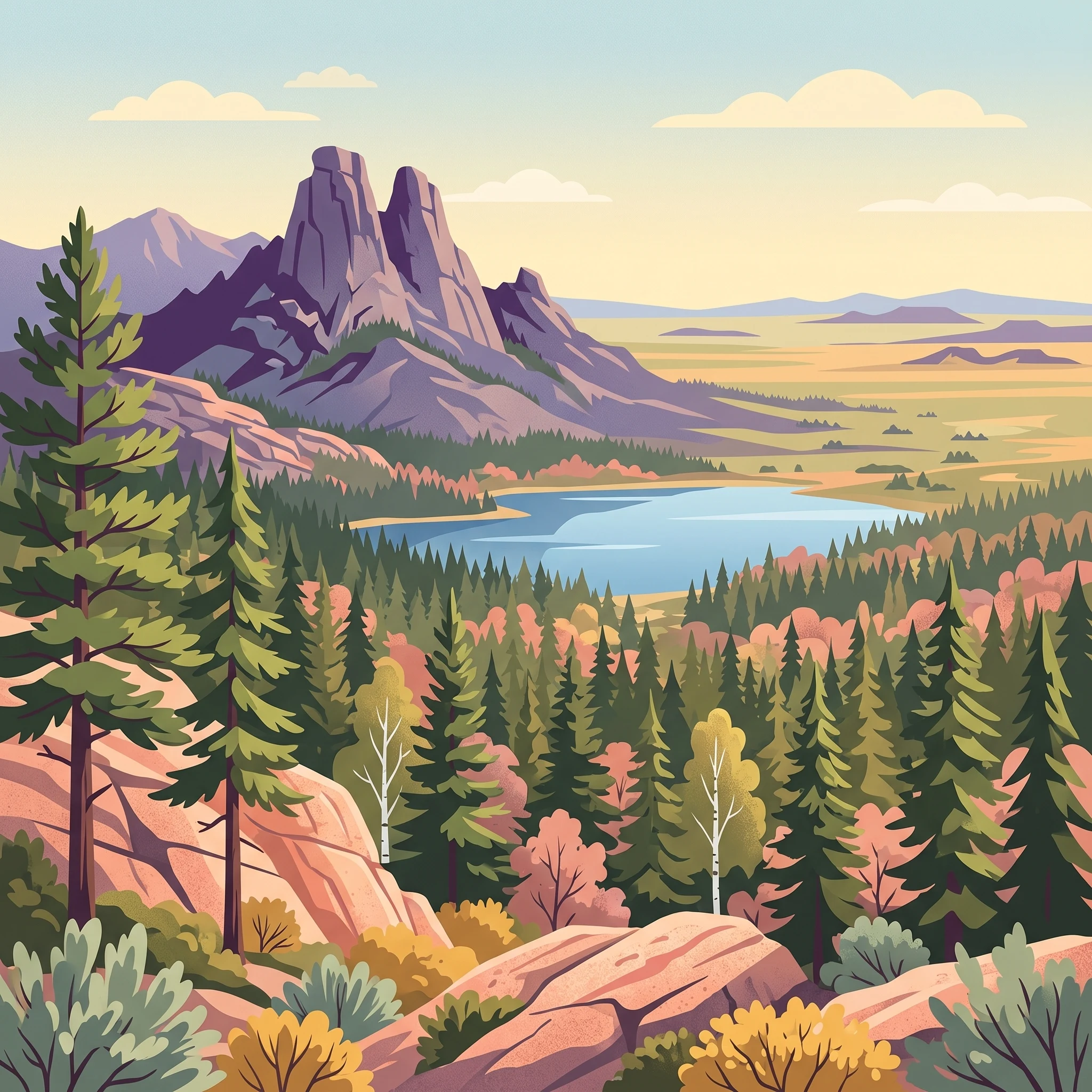
Karkaraly State National Nature Park occupies a unique ecological position in central Kazakhstan, protecting a mountain-forest ecosystem that rises dramatically from the vast Kazakh Steppe. Located in the Karkaraly District of Karaganda Region, approximately 200 kilometers southeast of Karaganda city, the park spans roughly 90,000 hectares (expanded to over 112,000 hectares in 2009) across two distinct mountain ranges—the Karkaraly Range and the Kent Range. These granite mountains, formed during the Paleozoic era when this region was an inland sea, began emerging approximately 1.2 to 2 million years ago when ancient sea waters retreated and the Paleozoic shield was uplifted and fractured by granite intrusions. The resulting landscape of dramatic rock formations, steep cliffs, and deep ravines has been further sculpted by wind and precipitation over thousands of years.
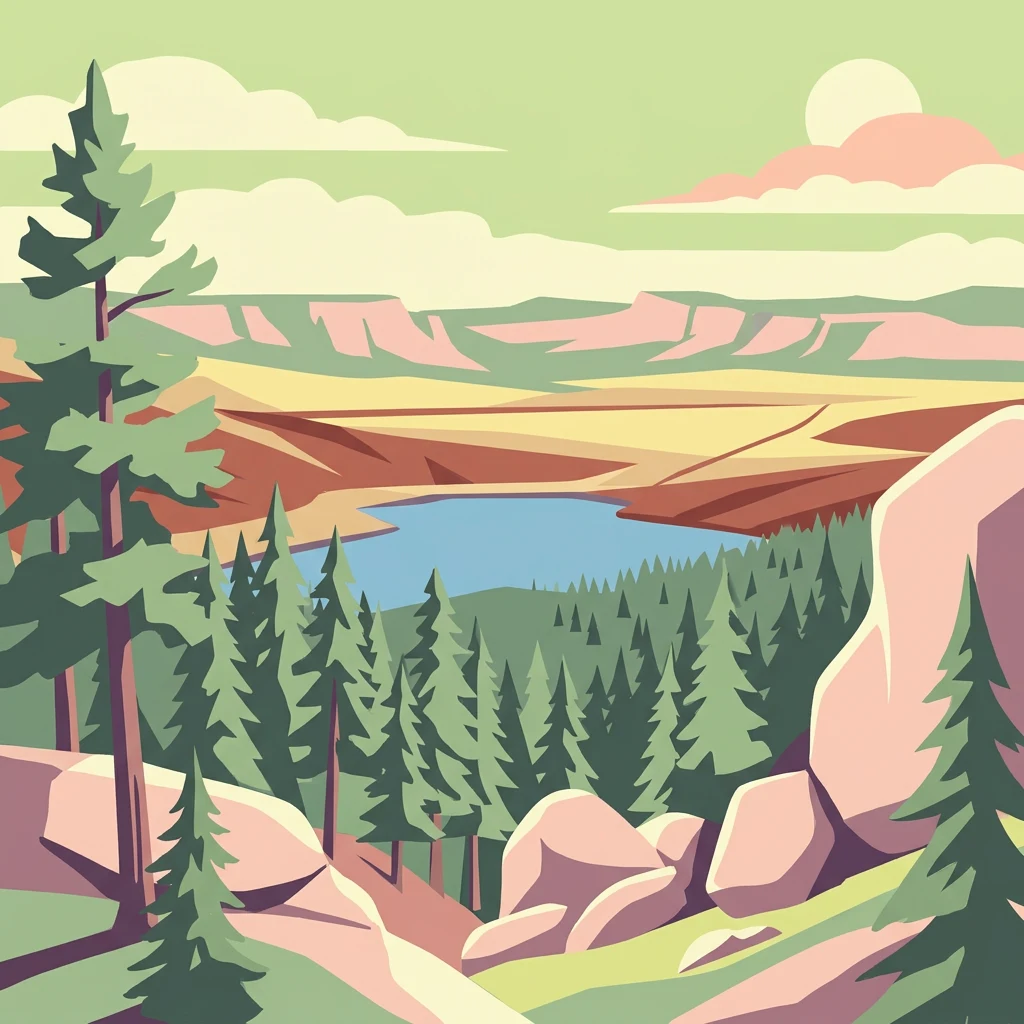
The park's ecological significance stems from its role as a biodiversity refuge in central Kazakhstan. The diverse habitats range from steppe valleys at the base through forested mountain slopes to alpine meadows and rocky summits. Pine forests dominate the woodland, covering over 71% of the forested area, with birch and aspen in smaller proportions. The understory supports a rich diversity of shrubs and medicinal plants. This forest ecosystem exists in striking contrast to the surrounding steppe, making Karkaraly a critical area for conservation of mountain-forest species in this region.
Water features add to the park's diversity, including Lake Shaitankol at 1,200 meters elevation—known as "Devil's Lake" in local legend—and the larger Big Lake near the town of Karkaraly. Springs and small streams flow from mountain ravines, feeding these glacial lakes. The park also contains significant cultural heritage, including the ruins of Kyzyl Kensh Palace, a 17th-century Buddhist monastery built by the Dzungars, and the archaeological site of the Bronze Age city of Kent, one of the most important discoveries from this period in Kazakhstan. The area has been inhabited since ancient times, with archaeological evidence spanning the Paleolithic, Bronze Age, and Iron Age, making it one of the richest archaeological zones in central Kazakhstan.