
Visit Timing
When to Visit Koli National Park: The Essential Timing Trade-Offs
Determining the best time to visit Koli National Park requires balancing two starkly different geographic realities: the extreme, snow-laden silence of the deep winter and the expansive, daylight-filled vibrancy of the peak summer months. Because the park acts as a year-round destination for both alpine-inspired sports and landscape photography, there is no single month that satisfies every visitor. Instead, the timing of your trip serves as a deliberate choice between engaging with the stark, frozen aesthetics of North Karelia or experiencing the lush, active agricultural landscapes that have historically defined Finnish identity.
The Influence of Daylight and Thermal Extremes
The most significant factor shaping the visitor experience at Koli is the dramatic variance in daylight and temperature. Between December and January, the park experiences limited daylight, often dropping to fewer than five hours, paired with average mean temperatures hovering well below freezing. This period is defined by intense cold and high humidity, creating a landscape of snow-covered spruce trees that remain largely dormant. Visitors choosing this window are typically seeking specialized winter conditions. Conversely, from June through August, the park transitions into a period of extreme daylight, with temperatures rising into the comfortable range for hiking and outdoor exploration. This shift is not merely about temperature, but about how the park's elevation and forested topography facilitate different access levels to the panoramic views over Lake Pielinen.
Navigating Seasonal Landscape Transitions
The park's appeal is rooted in its elevation-based topography, which creates distinct seasonal behaviors in the local environment. While the summer months allow for full access to the network of trails across the 30-square-kilometer area, the transition months of April and October present unpredictable conditions. During these shoulder periods, the park shifts from frozen, icy terrain to muddy, active growth phases, which can impact the ease of movement through the forested hills. The cultural landscape, characterized by traditional grazing in meadows, remains most visible when the ground is clear of deep snow, making late spring through early autumn the primary timeframe for those interested in the park's human heritage.
Essential Trade-offs for Trip Planning
Visitors should view the calendar as a spectrum of access rather than a list of open and closed dates. Those arriving in the peak of winter are prioritized for skiing and winter scenery, accepting the constraints of extreme cold and shortened visibility. Those who arrive during the summer months gain the benefit of longer daylight and easier access to the interior of the park, though they trade the solitude of the winter months for the higher visitor numbers common to the peak season. Every visit is moderated by these factors, necessitating a choice that reflects your primary interest, whether that is the quiet, high-contrast vistas of the Finnish winter or the verdant, biologically active landscapes of the warmer months. As conditions can shift rapidly depending on regional climate patterns, checking official status before travel remains a vital step for any itinerary.
Visitor Timeline
Best Months to Visit Koli National Park for Seasonal Activities
Peak Hiking and Cultural Landscape Access: June to August
For travelers prioritizing panoramic vistas and the ability to traverse the park’s extensive trail network, the months from June through August represent the most accessible window. During this period, the snow-free trails provide safer and more predictable footing for exploring the ridges around Ukko-Koli. This window aligns with the longest daylight hours of the year, peaking in June with nearly 20 hours of daylight. This allows for extended time in the park without the pressing need to return before dusk. Visitors during this time can witness the cultural landscape at its most vibrant, as the traditional meadow management, including hay cutting and grazing by heritage livestock, is in full effect. The trade-off for these long, bright days is higher visitor interest and the reality that temperatures remain moderate, rarely reaching extremes, though rain remains a consistent possibility throughout the summer.
The Ruska Season and Transition: Late September to October
Visitors specifically seeking the unique autumn coloration of the North Karelian forests should target the short window of late September through early October. Known locally as the Ruska season, this is when the landscape undergoes a distinct visual transformation. While daylight begins to decrease rapidly during this period, dropping from over 12 hours in September to around 9 hours by the end of October, the cooling temperatures make for crisp, clear hiking conditions. The trade-off here is the shift in weather predictability, as the likelihood of frost and damp conditions increases as the month progresses. It is a period for those who prefer cooler, quieter trails over the activity-filled summer months.
Winter Sports and Snowy Landscapes: February to April
The winter experience in Koli is defined by significant cold and deep snow, with the primary ski season extending from mid-February through April. February remains the peak of the deep-winter climate, characterized by mean temperatures hovering around -11 degrees Celsius and minimal daylight. This period is ideal for those focused on downhill skiing at the Loma-Koli and Ukko-Koli resorts or those interested in experiencing the park under a thick blanket of snow. The trade-off is the intense cold, which requires specialized gear and physical preparation. By March and April, the daylight hours extend significantly, providing a more balanced environment for outdoor activity, even though the snowpack typically persists through the end of the season. Visitors during this window should prioritize cold-weather safety, as the environment is substantially harsher than in the temperate summer months.
Annual Climate Overview
Temperature, Precipitation, and Daylight Trends in Koli National Park
The Annual Thermal Shift and Daylight Extremes
Koli National Park experiences a dramatic transformation throughout the year, driven by its inland northern location. The most significant factor influencing your visit is the profound contrast in daylight, which swings from just over 4 hours in December to nearly 20 hours during the peak of June. These climate normals, derived from data collected between 1991 and 2020 at an elevation of approximately 140 meters, illustrate the stark shift from deep winter stillness to the bright, active summer months. It is essential to note that these values represent long-term meteorological averages and do not function as daily weather forecasts or guarantees of specific conditions for any particular date.
Seasonal Temperature Patterns and Cold Weather Thresholds
Temperatures in the park are defined by the long, sub-zero winter. January and December are the coldest months, with mean temperatures lingering well below freezing and average minimums dropping toward -25°C or lower. This cold is a defining feature of the park landscape, creating the conditions necessary for the winter sports sector. As spring arrives, the transition is rapid; the mean temperature crosses the freezing point between March and April. By May, the average maximum temperature often exceeds 20°C, marking the arrival of the brief but intense growing season. The warmest period occurs from June through August, when mean temperatures typically peak between 13°C and 17°C, offering the most comfortable conditions for those exploring the forested hills and meadows.
Understanding Precipitation, Humidity, and Wind
While the park does not experience extreme rainfall fluctuations like tropical climates, the distribution of moisture across the year remains consistent. Precipitation is generally distributed throughout all months, though it tends to be slightly higher during the warmer summer months of June, July, and August compared to the drier winter period. Relative humidity is consistently high, often exceeding 90 percent during the darker, colder months from November through January, which can increase the perceived intensity of the cold.
Wind speeds are relatively moderate throughout the year, typically ranging between 2.4 and 3.3 meters per second. Because the park features prominent elevations like Ukko-Koli, even these moderate winds can feel significantly stronger when standing on exposed ridges overlooking Lake Pielinen. Visitors should prepare for these conditions by prioritizing layered clothing, as temperatures and wind exposure can vary sharply between the sheltered forest floor and the panoramic, wind-swept summits.
Navigating Seasonal Transitions
Transition periods in the spring and autumn are characterized by volatile shifts. October represents a significant cooling phase, where the average maximum temperature drops from the high teens in September to nearly 10°C. By November, the park enters the pre-winter phase, with temperatures falling back into negative territory. These shoulder seasons are often the most unpredictable regarding ground conditions and daylight availability. Readers should remember that these long-term normals are generalized for the region and local terrain variations, such as valley bottoms or shaded slopes, may deviate from these figures. Always consult official park resources for current observations before planning your travel dates.
Annual Climate Dynamics
Understanding Seasonal Weather Patterns in Koli National Park
The Rhythm of the Northern Year
Koli National Park does not conform to a static four-season model. Instead, the park operates on a distinct rhythm driven by the massive variance in daylight and the transition of Lake Pielinen from a liquid landscape to a frozen expanse. For planning purposes, it is more accurate to view the park through three primary phases: the extended Winter-Spring period, the brief and energetic Summer season, and the transient Autumn transformation.
The Deep Winter and Spring Transition
Beginning in late December and extending through April, this period is defined by low solar angle, persistent snow cover, and sub-zero temperatures. January and February represent the core of the deep winter, where the short daylight hours and intense cold dominate the landscape. Visitors during this time primarily interact with the park through its winter sports infrastructure, such as the ski slopes at Ukko-Koli and Loma-Koli. By March, the daylight increases significantly, moving from roughly 5 hours of light to over 11 hours. This marks the beginning of the spring transition, where the combination of firm snowpack and lengthening days creates the most popular conditions for skiing and snowshoeing before the thaw begins.
The Peak Summer and Growth Phase
From May through August, the park undergoes a radical shift. The rapid increase in daylight, peaking with nearly 20 hours in June, fuels the growth of the traditional meadows that define the Koli cultural landscape. This phase is characterized by the highest mean temperatures of the year and the cessation of frost, allowing the historic grazing breeds to be moved into the park meadows. While June, July, and August are the warmest months, they are also the most active for human visitation. The transition into this phase during May can be unpredictable, as the final ground frost recedes, leading to a quick turnover from dormant forests to lush green landscapes. Visitors planning for this period should expect active maintenance of the cultural landscapes and the availability of summer-only infrastructure, such as scenic lifts that operate once the snow has fully receded.
The Autumn Ruska and Early Freeze
September serves as a unique transitional month that separates the active summer season from the onset of winter. As daylight drops back to approximately 12 hours, the vegetation begins its dramatic change. This period, locally known as the Ruska, is distinct from the rest of the year due to the vibrant foliage shift. It is typically brief, usually confined to late September and early October. By the time November arrives, the park often experiences a quick decline in temperature and an increase in cloud cover as the landscape prepares for the return of the annual freeze. This late-year window is defined by a quiet, atmospheric change that feels entirely removed from both the high-energy summer days and the stark, sport-focused winter months.
Seasonal Experiences
Experiencing the Changing Landscapes of Koli National Park
Visualizing the Cultural Landscapes of Koli
The cultural heritage of the park is defined by its maintained meadows and agricultural landscapes, which offer a distinct visitor experience that shifts with the natural cycle. Unlike strictly wild environments, Koli features areas where traditional farming practices, such as hay cutting and controlled grazing, remain active. During the summer months, from late June through August, these managed meadows reach their seasonal peak. Visitors can witness traditional Finnish breeds of cattle and sheep grazing in these open spaces, providing a living connection to the historic slash and burn agriculture that once shaped the region. This timeframe aligns with the longest daylight hours, which allow for extended observation of these heritage sites without the pressure of early winter sunsets.
Accessing the Ukko-Koli Panorama
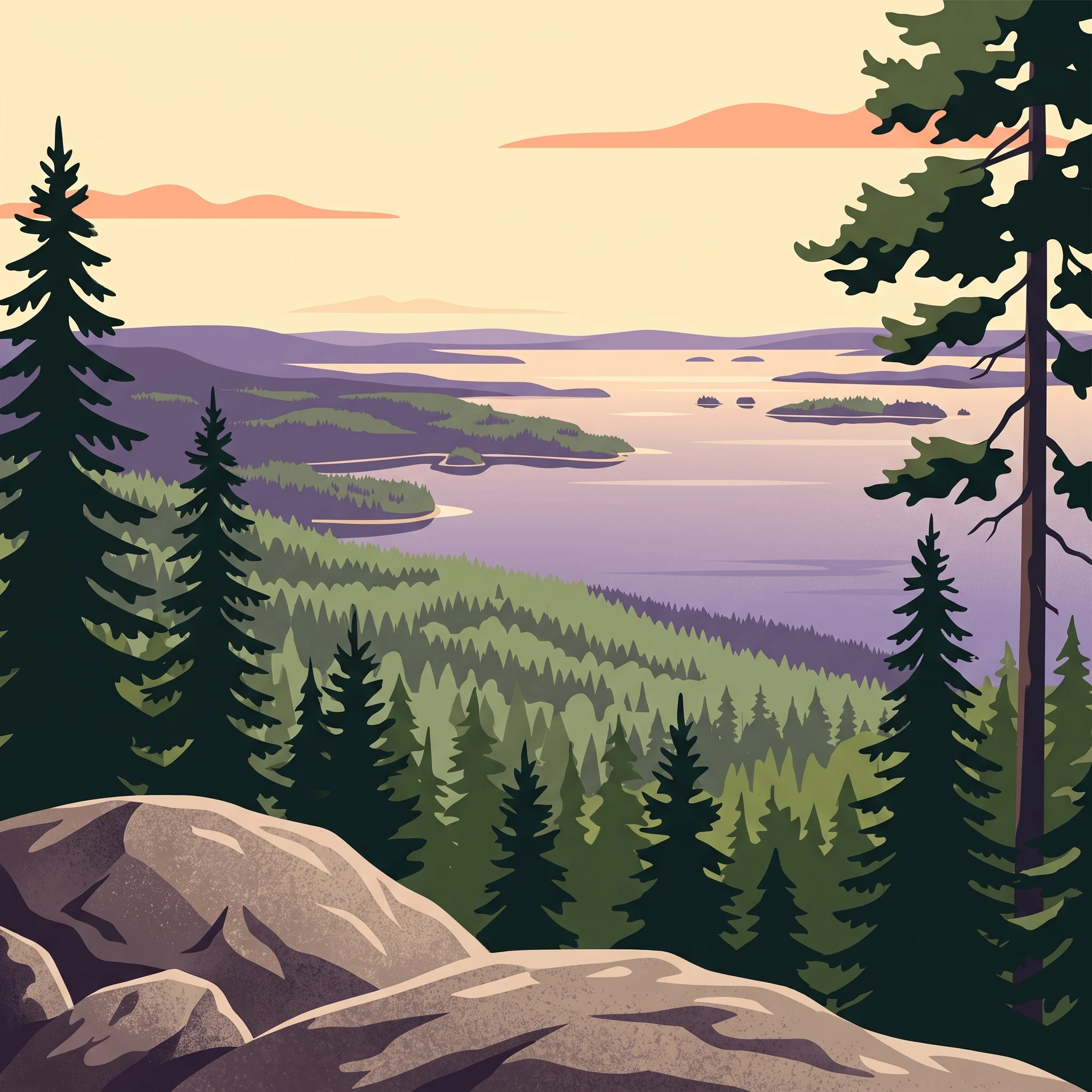
The iconic vista from Ukko-Koli hill, overlooking Lake Pielinen, is the park's most documented feature. While this panorama is accessible throughout the year, the experience of visiting it is heavily dictated by seasonal daylight and infrastructure. In the summer, visitors can utilize scenic lifts to reach the heights near the Heritage Center Ukko, making the primary viewpoint accessible with less physical exertion. As temperatures warm from May through September, the panoramic view provides a stark contrast between the dense, vibrant green forests and the expansive water of Lake Pielinen. During the colder months, the landscape shifts entirely as the lake ice forms, transforming the vista into a vast, white-dominated expanse that requires preparation for exposure to higher wind speeds and lower mean temperatures.
Engaging with Geological and Recreational Sites
The geological features of the park, most notably the 34-meter long Pirunkirkko cave, remain available for exploration, though the approach to these sites varies by season. The cave environment is static, but the comfort of reaching such geological landmarks is tied to the transition of the ground surface. For those interested in active sports, the park provides distinct infrastructure for downhill skiing and snowboarding at the Ukko-Koli and Loma-Koli resorts. These facilities are specifically designed for the winter-spring cycle, generally spanning from February through April when snow conditions typically support groomed slopes. The presence of these resorts adds a layer of structural recreation that is absent during the summer, effectively bifurcating the park into a landscape of winter athletic activity and a landscape of summer cultural and scenic observation. The use of these facilities is subject to operational status and seasonal conditions, requiring visitors to verify current availability before planning specific sporting itineraries.
Visitor Priorities
Selecting the Best Time to Visit Koli National Park for Your Interests
Choosing for Milder Temperatures and Extended Daylight
If your primary motivation for visiting is to experience the park with the most comfortable temperatures and the longest possible days for hiking, the period from June through early August offers the most reliable window. During this time, the climate reaches its warmest phase, with mean temperatures typically between 13°C and 17°C. The extended daylight, peaking near 20 hours in June, provides immense flexibility for exploring the forested trails and the Ukko-Koli vista without the time pressure inherent in the shorter autumn or winter days. The trade-off for these favorable conditions is that you will be sharing these popular, high-visibility trails with the highest number of other visitors during the peak school holiday season, which typically lasts from Midsummer until mid-August.
Prioritizing Landscape Photography and Autumn Colors
For those drawn to the park's iconic visual character, the late September to early October window, often referred to as the Ruska season, is the most suitable time. During these weeks, the forest canopy transforms into vibrant hues, creating a sharp contrast against the deep blues of Lake Pielinen. This period offers a cooling trend, with mean temperatures dropping to around 2°C to 9°C, which can make for brisk, refreshing hiking conditions. The trade-off is the significant reduction in daylight, which drops from over 12 hours in September to roughly 9 hours by the end of October. Photographers must carefully plan their daily routes, as the limited light and potential for early frost require more preparation than in the height of summer.
Targeting Snow-Dependent Winter Sports
If your goal is to utilize the ski slopes at Ukko-Koli or Loma-Koli, your timing must align with the period of reliable snow cover. The most robust window for downhill skiing and snowboarding typically runs from mid-February through April. February provides the most intense winter experience, characterized by the coldest monthly means around -11°C, while March and April offer a gradual improvement in light levels,extending from 11 hours to over 14 hours by late April. The major trade-off here is the extreme cold and the reliance on specific winter infrastructure. Early season arrivals in December or January face very limited daylight and sub-zero conditions that require specialized gear, while late-season visitors in April must accept the risk of diminishing snow quality as the spring thaw begins.
Balancing Dry Conditions and Walking Comfort
Visitors seeking the driest conditions should look toward the late winter and early spring transition. While precipitation is relatively consistent throughout the year, the combination of lower humidity levels and moderate wind speeds in late April and early May can result in clearer, more stable days before the onset of the slightly wetter summer months. The trade-off is that these months often serve as a transition period where snow melt can make forest trails muddy or slushy. Those prioritizing dry, firm walking paths should lean toward the mid-summer months, despite the marginally higher precipitation, as the warmer ground temperatures facilitate quicker evaporation and overall drier trail conditions compared to the thaw-heavy spring.
Visitor Access
Seasonal Access and Practical Planning for Koli National Park
Navigating Access to the Park
Reaching the park involves different logistics depending on the time of year, with road and ferry access significantly influenced by seasonal conditions. The park is situated near highway 6 between Joensuu and Nurmes, making the visitor center the primary point of arrival for most travelers. While the main road network remains accessible year-round, travelers should verify the current status of secondary routes or specialized seasonal roads, such as the ice road crossing Lake Pielinen during deep winter, with local transport authorities or the park administration.
Seasonal Transit and Regional Connectivity
The most consistent way to reach the vicinity is via public or shared transport from Joensuu. During the summer and peak tourist seasons, specialized connections, such as demand-based buses or shared taxis, may operate to bridge the gap between regional hubs and the park grounds. Because these services are often subject to change based on demand and calendar dates, it is essential to check current schedules and booking requirements through official park portals or local taxi operators before finalizing travel dates. Relying on year-round public infrastructure in rural regions requires advance planning, especially when coordinating connections between buses, ferries, or regional trains.
Considerations for Winter Travel
Winter brings unique access possibilities, most notably the ice road that historically connects the park area to Vuonislahti near Lieksa. This route depends entirely on ice strength, which varies significantly from year to year. Do not assume that winter travel includes this crossing without confirming its status through official channels. The cold, snowy conditions also impact road navigation within the park boundaries. Always check the latest road and safety alerts published by local authorities, as extreme temperatures and heavy snowfall can affect road maintenance schedules or limit access to certain parking areas.
Verification of Facilities and Services
While the park landscape is an enduring feature, the availability of visitor centers, scenic lifts, and specific trailheads can shift. Facilities that provide essential information or access to key viewpoints may have reduced hours during the shoulder seasons or mid-winter. Before setting your itinerary, consult official park resources regarding the current operational status of the visitor center and any seasonal infrastructure. This ensures that your visit aligns with the availability of services that may be vital for your specific plans, such as gear rental, guided tours, or information assistance. Never rely on dated travel guides for precise information on gate opening times, shuttle frequency, or permit requirements, as these are subject to administrative updates.
Safety and Preparation
Seasonal Weather Safety and Preparation for Koli National Park
Preparing for a visit to Koli requires a practical understanding of how its extreme temperature range and dramatic terrain affect personal safety. Because the landscape includes steep slopes and exposed cliffs, your preparation should focus on adaptability and recognizing that conditions shift rapidly between the sheltered forests and the open vistas of Ukko-Koli.
Seasonal Terrain and Surface Safety
The most significant physical risk involves the varied trail surfaces throughout the year. During the warmer months from May through August, trails can become slippery following rainfall, while the steep rock faces are inherently uneven. It is essential to choose footwear that provides reliable grip and stability for rocky, uneven terrain. In the transition months of October and November, or early spring, paths can cycle between freezing and thawing, creating localized patches of ice even when the general landscape appears clear. Always remain on marked trails to avoid the dangers of steep, unstable slopes or hidden rock crevices.
Managing Temperature Extremes
Koli experiences profound temperature drops between summer and winter. While summer temperatures can reach comfortable highs, the peak of winter,particularly from December to February,regularly sees mean temperatures well below freezing. Preparation for cold-weather visits must prioritize insulating layers that can be adjusted as activity levels change. High humidity levels, often exceeding 90 percent throughout the colder months, can make the cold feel more penetrating. When visiting during these periods, the focus should be on wind-resistant outer layers, as the hilltops are significantly more exposed to wind than the lower, forested park interior.
Environmental Awareness and Daylight Shifts
Daylight is a critical planning factor, varying from over 19 hours in June to less than five hours in December. If you are hiking during the shoulder seasons, monitor the sunset times closely. Attempting to navigate steep terrain after dusk significantly increases the risk of falls. Furthermore, while the park is a natural environment, be mindful of local warnings. In winter, heavy snow accumulation on trees can lead to falling branches, which pose a legitimate hazard on trails. During any time of year, avoid exposed summits during thunderstorms, as high points are vulnerable to lightning strikes. Before heading out, check the current weather forecast, local trail alerts, and official safety notices provided by park authorities. These resources are the only reliable way to understand current trail conditions or potential closures, as long-term climatic normals cannot predict the specific hazards of a single day.
Final Planning
How to Choose the Best Time for Your Koli National Park Trip
Synthesizing Your Personal Timing Priorities
Choosing when to visit Koli depends on how you weigh the trade-off between the park's two primary identities: the luminous, activity-rich summer and the austere, snow-drenched winter. If your priority is long days for hiking the forested trails and experiencing the cultural heritage of the managed meadows, you should target the window from mid-June through August. During these months, the daylight provides ample time for exploration, and the landscape is at its most vibrant. Conversely, if your goal is to experience the iconic panoramic vistas blanketed in snow or to engage in alpine skiing at Ukko-Koli and Loma-Koli, the season from February through April offers the most stable conditions for snow-based recreation.
Balancing Weather Conditions and Travel Goals
Understanding your own comfort threshold for temperature and precipitation is essential for a successful trip. The months of May and September serve as shoulder periods where you might avoid the peak visitor numbers of summer or the biting cold of midwinter, but these transitions come with a higher degree of meteorological unpredictability. If you are motivated by the specific phenomenon of Ruska, focus your planning around late September to early October, acknowledging that this is a brief, cooling window that requires careful layering. Those who prefer the drier, warmer hiking environment must be prepared for the reality that even the warmest months involve significant humidity and precipitation, which is a fundamental aspect of the region's climate.
Making Your Final Decision
There is no single correct time to visit, as the park offers entirely different experiences depending on the cycle of Lake Pielinen and the available daylight. Your decision should be guided by your primary activity: prioritize the summer if you seek the classic, elevated views across the lake under the midnight sun, or choose the late winter for the stillness and sporting opportunities of the frost-covered hills. Before finalizing your dates, remember that climate normals represent long-term averages rather than accurate forecasts. Always verify current operating status, park alerts, road conditions, and local weather forecasts before you travel, as these factors determine the actual accessibility of the trails and facilities on your specific dates.