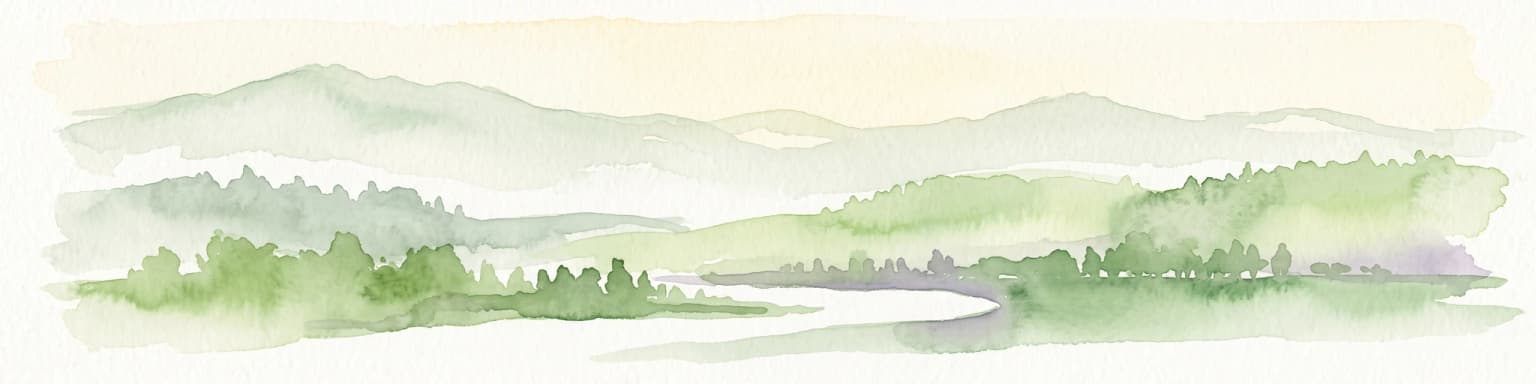
A compact gypsum karst landscape in northern Hesse, shaped by ancient Zechstein seas and traditional shepherding.
Kripp- and Hielöcher Nature Reserve
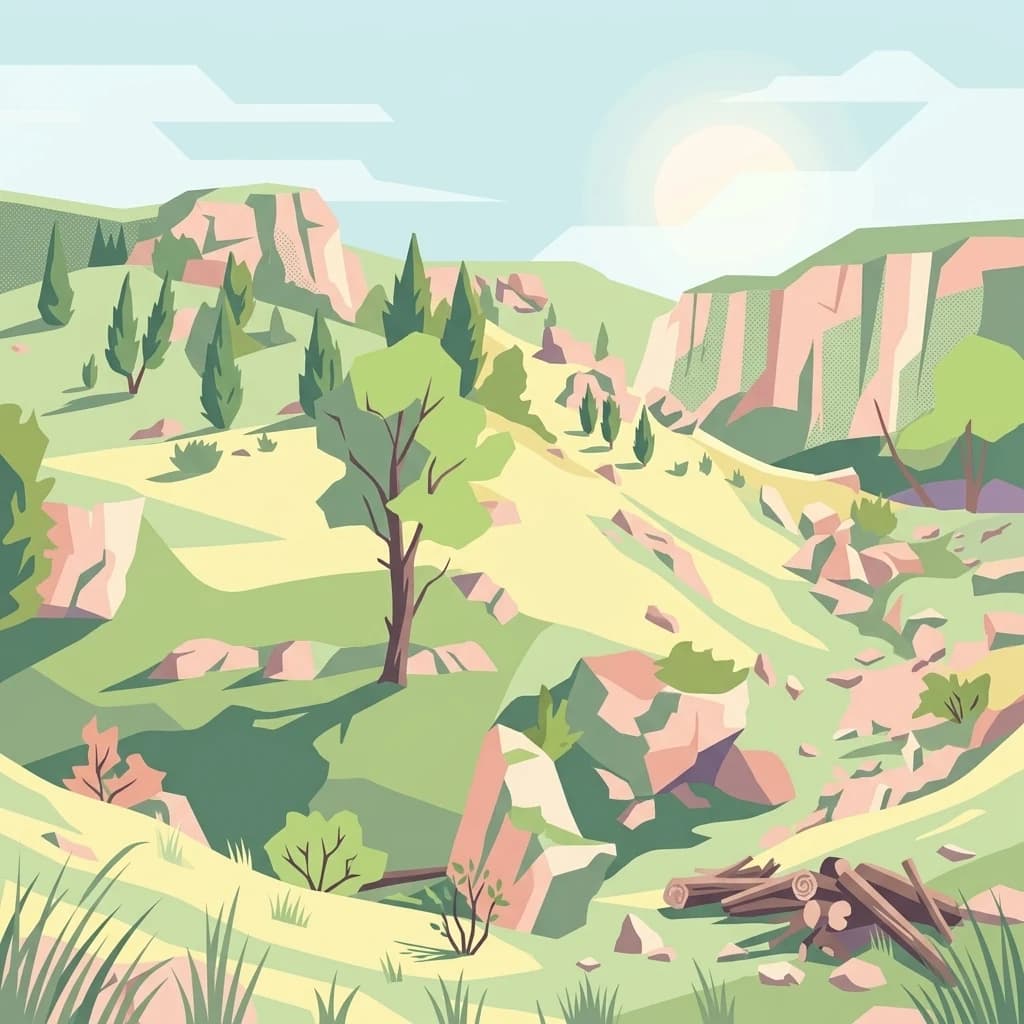
Kripp- und Hielöcher is a small protected nature reserve in the Werra-Meißner district of northern Hesse, Germany, preserving an unusually rich gypsum and dolomite karst landscape within the municipality of Berkatal. The reserve sits in the Geo-Naturpark Frau-Holle-Land, about 5.5 kilometers northeast of the prominent Hoher Meißner mountain, on the southwestern flank of the wider Meißner highland region. Although compact, the area combines dolines, exposed cliff outcrops, juniper heaths, dry grasslands, and karst springs within a tightly woven mosaic of habitats that have been shaped both by deep geological time and by centuries of human land use.
The reserve is divided into two distinct parts, the more remote northern Kripplöcher and the southwestern Hielöcher near the village of Frankershausen, together creating one of the most distinctive small-scale karst landscapes in central Germany. Traditional shepherding practices continue to play an active role in maintaining the open character of the grasslands and the botanical richness of the juniper heath. A circular trail through the Hielöcher connects karst springs, natural monument rock outcrops, and old mill sites, making the reserve a focused destination for visitors interested in geology, botany, and quiet cultural landscapes.