Mori Atlas logo
Natural monumentMedlánecká skalka

Examining the ecological boundaries and rare thermophilous plant communities of this rocky Moravian slope

Medlánecká skalka Natural Monument: A Protected Steppe-like Landscape within Brno City Geography

(Přírodní památka Medlánecká skalka)

Medlánecká skalka represents a compact but ecologically significant natural monument situated on the urban periphery of Brno. This site protects a rare rocky slope characterized by metabasite and granite porphyry geology, which supports a distinct microclimate for thermophilous, heat-loving flora. Within the broader context of the South Moravian region, this protected area functions as a vital refuge for specialized dry-grassland vegetation and associated butterfly species.

natural monumentthermophilous vegetationrocky steppedry grasslandPulsatilla grandisurban-adjacent nature reserve
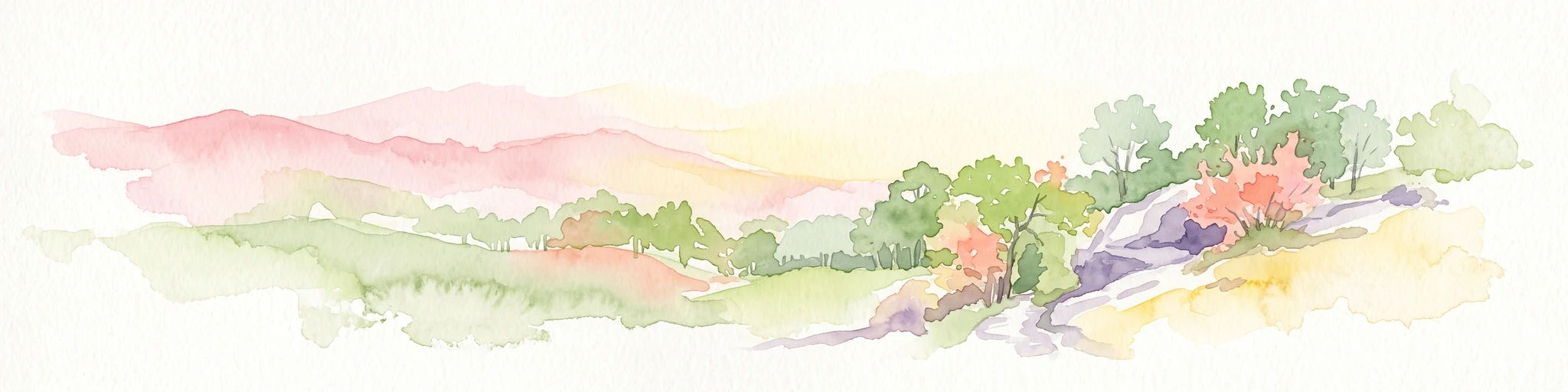
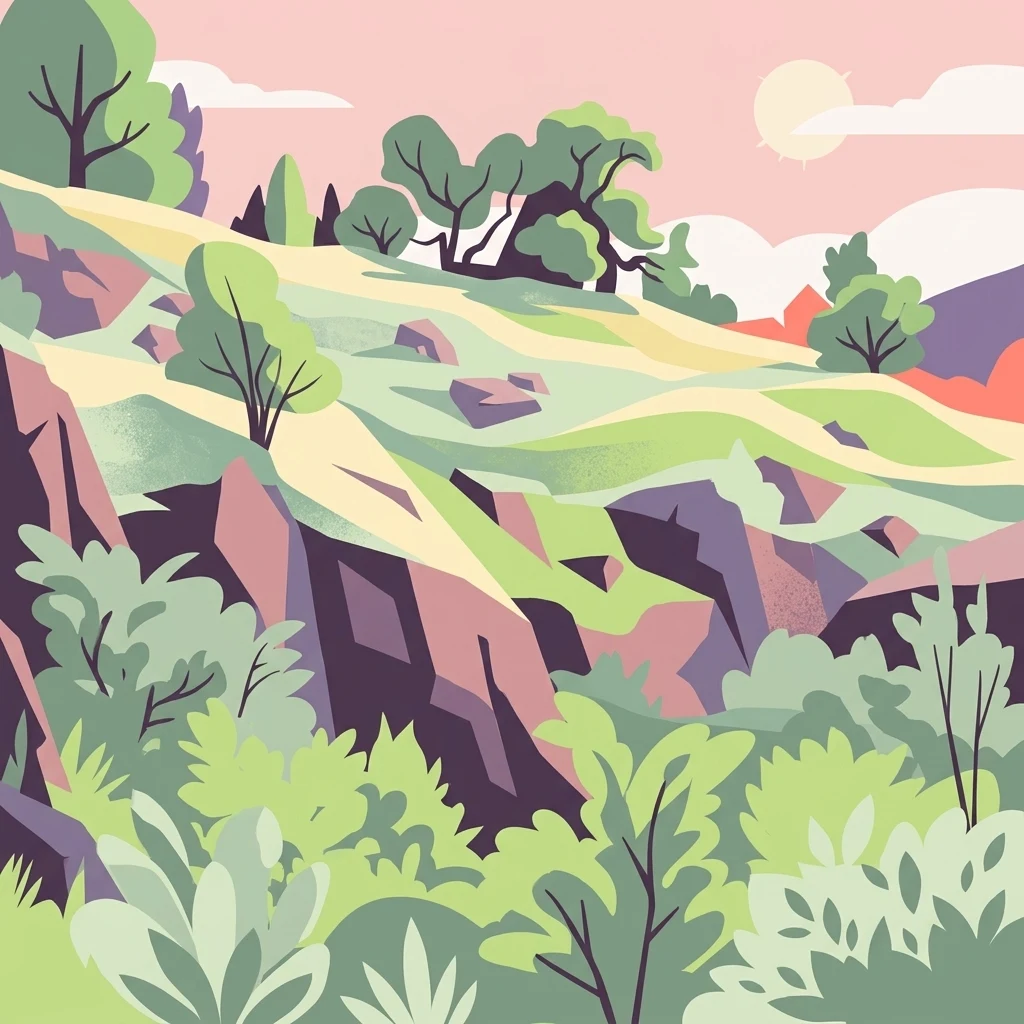
A colorful digital illustration of a sloping rocky hillside with green bushes, scattered trees, and a pale pink sky at sunset.

Medlánecká skalka

Natural monument

Park overview

Structured park overview, official facts, and landscape profile for Medlánecká skalka

Medlánecká skalka park facts, protected area profile, and essential visitor context

Review the core facts for Medlánecká skalka, including designation, size, terrain, visitor scale, habitats, and operating context in one park-focused overview.

About Medlánecká skalka

Medlánecká skalka is one of the smallest formally protected natural areas in the Brno region, yet it carries an ecological profile quite unlike the surrounding city districts. Declared in 1999 by the Magistrate of the City of Brno, the site occupies a modest rocky slope on the northern edge of the Medlánky depression, a localized landform on the western side of the city neighborhood of Medlánky. Despite its size and urban-adjacent setting, the outcrop is regarded as a regionally important stronghold of thermophilous vegetation.

The protected area rests on the Brno massif, one of the most geologically distinctive basement units of western Moravia. Its surface rocks are metabasites and granite porphyries that, together with the slope orientation, weather into shallow, rocky soils classified as rankers and typical cambisols. These conditions are too thin and dry for closed forest cover, and instead the slope retains open, grassy and rocky-steppe vegetation.

Ecologically, the site is valued primarily as a refuge for dry-grassland and rocky-steppe flora. The single defining feature that triggered formal protection is the local population of Pulsatilla grandis, a continental European pasqueflower that is considered threatened in much of its range and is listed among the strictly protected plant species in the Czech Republic. Beyond this flagship species, the slope supports a wider community of warmth-loving plants adapted to skeletal soils and high summer insolation.

In biogeographical terms, the rock forms a tiny island of xeric habitat within a largely suburban landscape. This makes the site scientifically interesting as an example of how steppe-like vegetation can persist on suitable geological substrates even near the edge of a large Central European city, and it gives the natural monument considerable importance for monitoring and protecting thermophilous species at the northern margin of their range.

Quick facts and research context for Medlánecká skalka

Medlánecká skalka is a natural monument (IUCN Category IV, Habitat/Species Management Area) located in Medlánky, Brno-město district, South Moravia, Czech Republic. It was officially declared by the Magistrate of the City of Brno on 1 January 1999. The site sits at roughly 270 to 290 metres above sea level and covers about 0.34 hectares, sitting on the northern slope of the Medlánky depression along Turistická street.

Its substrate consists of metabasites and granite porphyries belonging to the Brno massif, giving rise to shallow ranker soils and typical cambisols. The defining conservation value is a thermophilous plant community that includes Pulsatilla grandis, alongside other steppe and dry-grassland species, supported by the site's exposed, sun-warmed rocky character.

Protection and recognition

Examine the verified conservation framework, territorial management scope, and designation details for Medlánecká skalka.

Medlánecká Skalka Protection Status and Designated Terrestrial Conservation Scope

Conservation records compile the verified terrestrial protection status and administrative management scope established for Medlánecká skalka. Documented designation details outline the current framework governing this protected natural landscape without relying on unverified assumptions.

Protection details

Protection scope
Terrestrial
Transboundary protection
No
Park context

Deeper park guide and search-rich context for Medlánecká skalka

Medlánecká skalka history, landscape, wildlife, and travel context

Explore Medlánecká skalka through its history, landscape character, ecosystems, wildlife, conservation priorities, cultural context, and seasonal travel timing in a structured park guide built for atlas discovery and search intent.

Why Medlánecká skalka stands out

Medlánecká skalka is best known for hosting a population of Pulsatilla grandis, the large-flowered pasqueflower, a strictly protected species whose presence on this small urban-fringe slope is the primary reason the site was designated. The rock is also recognized as a rare local example of thermophilous, steppe-like vegetation, unusual in the context of the Brno city landscape. The combination of metabasite and granite-porphyry geology, shallow soils, and a south- to southwest-exposed slope creates a microclimate that supports continental dry-grassland species more typically associated with much warmer regions further south.
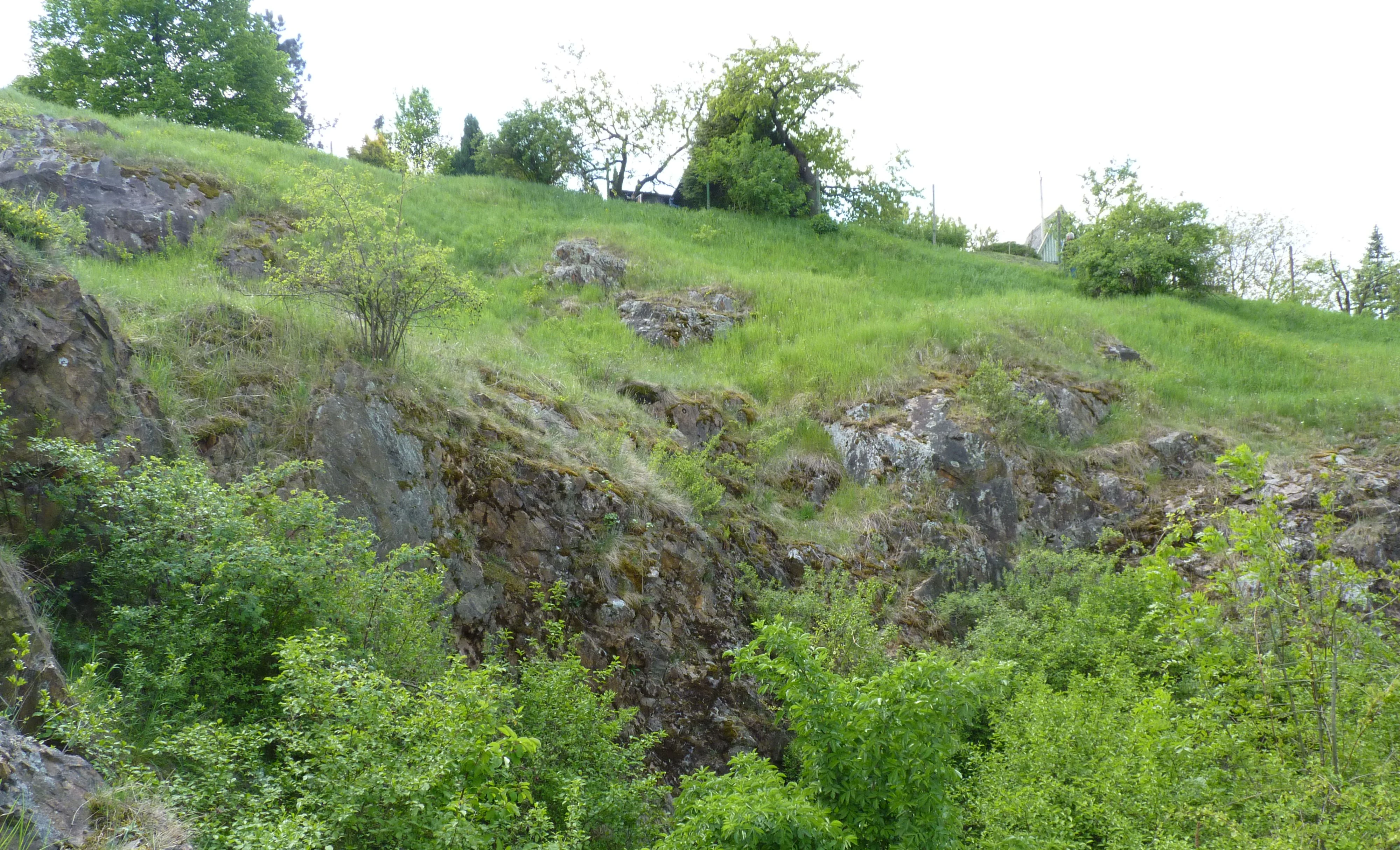
A green hillside featuring exposed rocky outcrops, scattered shrubs, and grass in a natural setting.
The rocky slopes of Medlánecká skalka, a protected natural monument in Brno.

Medlánecká skalka history and protected-area timeline

Medlánecká skalka was formally declared a přírodní památka (natural monument) on 1 January 1999 by the Magistrate of the City of Brno. The designation was prompted by the presence of thermophilous plant communities and, in particular, the occurrence of the strictly protected Pulsatilla grandis on this small slope.

Like many small Czech natural monuments, its history is largely a story of formal recognition rather than long-term institutional development: the site was already known locally for its unusual rocky flora, but it was only elevated to protected status at the end of the 1990s as part of wider Czech efforts to safeguard small but ecologically distinctive sites in suburban and peri-urban areas.

Medlánecká skalka landscape and geographic character

The landscape of Medlánecká skalka is defined by a compact rocky slope on the northern side of the Medlánky depression. Although the protected area is only around 0.34 hectares, the topography is sharply expressed: the slope sits at roughly 270 to 290 metres above sea level and is exposed to the sun, giving it a warm, dry microclimate for most of the year.

The substrate is part of the Brno massif and consists of metabasites interspersed with granite porphyries. These rocks weather into shallow, stony soils, locally classified as rankers and typical cambisols, with limited capacity to retain moisture. The resulting terrain is skeletal and rocky, with thin soil pockets between outcrops and scree-like fragments; this is precisely the surface configuration that supports open, steppe-like vegetation rather than closed woodland.

Medlánecká skalka ecosystems, habitats, and plant life

Medlánecká skalka belongs ecologically to the category of Central European thermophilous, dry-grassland and rocky-steppe habitats. Its vegetation is open and low-growing, dominated by grasses and forbs adapted to thin soils, high summer temperatures, and periodic drought. This vegetation type is rare in the immediate Brno area and is normally associated with much warmer, more continental regions to the south.

The community is diverse despite the site's tiny size. Besides the protected Pulsatilla grandis, it includes Petrorhagia prolifera, Potentilla incana, Jasione montana, Rosa canina, Rhamnus cathartica, Silene otites, and the endemic or sub-endemic Campanula moravica, the Moravian bellflower. Together, these species paint a picture of a contemporary open steppe community persisting on a relict rocky substrate at the edge of a modern city.

Medlánecká skalka wildlife and species highlights

Although Medlánecká skalka is tiny, it supports a notable fauna that reflects the mosaic of rocky slope, dry grassland, and the gardens of the surrounding Medlánky neighborhood. Breeding birds associated with the site include the red-backed shrike (Lanius collurio), while nearby gardens host wrynecks (Jynx torquilla), spotted flycatchers (Muscicapa striata), common redstarts (Phoenicurus phoenicurus), and Syrian woodpeckers (Dendrocopos syriacus), the latter being a species of conservation interest in Central Europe.

Among invertebrates, the small blue butterfly Cupido minimus has been recorded at the site, consistent with the presence of its larval host plants in dry-grassland vegetation. The combination of rare plants, breeding birds of conservation concern, and characteristic steppe butterflies gives the site an ecological significance that is disproportionately high relative to its area.

Medlánecká skalka conservation status and protection priorities

Conservation interest in Medlánecká skalka stems from the fact that it preserves a small but high-quality example of thermophilous, rocky-steppe habitat within a heavily urbanized part of Brno. Such habitats are under pressure across Central Europe because of woodland encroachment, land-use change, and the general rarity of undisturbed dry slopes. By formally protecting even this small patch, the City of Brno safeguards not only the flagship Pulsatilla grandis, but also the wider community of warmth-loving plants that depend on similar microclimates.

The site functions as a kind of refugium and monitoring point for thermophilous species at this latitude, providing a baseline against which changes in soil conditions, vegetation cover, and local climate can be observed. Its existence demonstrates that even within a city, carefully selected rocky substrates can retain ecological communities of genuinely regional importance.

Medlánecká skalka cultural meaning and human context

There is no strong cultural or historical narrative attached to Medlánecká skalka beyond its location on the edge of Medlánky, an old Brno neighborhood whose name has roots in the local landscape. The site is fundamentally a biological rather than a cultural landmark: a small, rocky patch of land set aside for its plant communities rather than for any historical or ethnographic significance.

Top sights and standout views in Medlánecká skalka

The defining highlight of Medlánecká skalka is its population of Pulsatilla grandis, a strictly protected pasqueflower that gives the site its principal conservation value. Equally notable is the broader thermophilous plant community, which includes Moravian bellflower (Campanula moravica), Potentilla incana, Silene otites and other dry-grassland specialists that together form a rare local steppe-like assemblage.

Supporting features include the site's underlying metabasite and granite-porphyry geology, a sunny slope at 270 to 290 metres elevation, and the presence of breeding red-backed shrikes and the small blue butterfly, signals of a functioning dry-habitat ecosystem on the edge of the city.

Best time to visit Medlánecká skalka

For visitors interested in the site, late spring is the most rewarding period, when Pulsatilla grandis is in flower and the thermophilous vegetation is at its most visible. The exposed rocky slope is best appreciated in calm, mild weather, as the open habitat has little shelter from wind or intense summer heat. Visits in early morning or late afternoon are generally more comfortable because the dry, south-facing slope can become very warm in midday sun.
Monthly climate preview

Long-term monthly temperature and precipitation rhythm for Brno

Medlánecká skalka Climate and Representative Temperature Normals

Representative coordinates record measured monthly temperature swings from freezing winter lows to warm summer maximums alongside consistent daily precipitation. Reviewing the complete twelve-month climatology profile reveals detailed patterns across the entire annual cycle.
Annual mean9 °C
-3 °C21 °C
Jan-3°
Feb-1°
Mar
Apr
May15°
Jun19°
Jul21°
Aug21°
Sep15°
Oct
Nov
Dec-2°
Warmest month
July

21 °C

Coolest month
January

-2.7 °C

Wettest month
June

2.4 mm/day

Driest month
February

1.1 mm/day

Park location guide

Geography guide, regional context, and park location map for Medlánecká skalka

Medlánecká skalka park geography, regions, and map view in Czechia

Understand where Medlánecká skalka sits in Czechia through a broader geographic reading of the surrounding landscape, nearby location context, and its mapped position within the national park landscape.

How Medlánecká skalka fits into Czechia

Czech Republic is a landlocked Central European country with a population of approximately 10.9 million people. The nation was established as an independent state on January 1, 1993, following the dissolution of Czechoslovakia. Its capital and largest city is Prague, with other major urban centers including Brno, Ostrava, Plzeň, and Liberec.

Wider geography shaping Medlánecká skalka in Czechia

The Czech Republic is a landlocked country in Central Europe. It is bordered by Germany to the west, Austria to the south, Poland to the northeast, and Slovakia to the southeast. The landscape is predominantly hilly, with the territory covering 78,871 square kilometers.

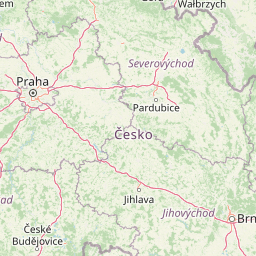
Map view of Medlánecká skalka

Use this park location map to pinpoint Medlánecká skalka in Czechia, understand its exact geographic position, and read its mapped placement within the surrounding landscape more clearly.

Pigeon | © OpenStreetMap contributors

Explore protected area views, terrain characteristics, and rare plant habitats.

Medlánecká Skalka Photos and Scenery: Visualizing the Rocky Steppe Landscape

Examine detailed visual documentation of Medlánecká skalka to understand its unique rocky slope terrain, shallow soils, and thermophilous vegetation habitats. Photographic records reveal the microclimate and protected landscape character that sustain rare species on the urban fringe.

A green hillside featuring exposed rocky outcrops, scattered shrubs, and grass in a natural setting.

Park atlas

Compare nearby regional landscapes, dry grasslands, and protected natural monuments

Explore Other Parks Near Medlánecká Skalka and Surrounding Protected Areas

Browsing other parks near Medlánecká Skalka reveals the diverse rocky terrain and protected dry-grassland habitats defining the surrounding South Moravian region. Evaluating adjacent natural monuments provides valuable regional context for rare plant communities and local conservation landscapes.
A horizontal watercolor painting showing rolling green hills with small patches of trees under a soft, pale sky.
Natural monumentJihomoravský kraj
About 0.8 km away#1 closest

South

Medlánecké kopce Natural Monument: Exploring Protected Steppe Habitats in Northern Brno

A rare mosaic of dry grasslands and rocky outcrops in Jihomoravský kraj

Medlánecké kopce preserves a critical landscape of thermophilic flora and insect communities on the edge of the Brno basin. The site is noted for its xerothermic vegetation, including the large-flowered pasqueflower, which thrives on its unique metabasite and loess soil composition. This protected area offers a look at how specialized steppe ecosystems persist within a heavily developed regional environment.

Area
0.118 km²
Established
1988
IUCN
IV
Relief
Upland
A minimalist watercolor illustration showing rolling green hills and a few trees against a pale yellow and pink background.
Protected landscapeCzechia
About 2.9 km away#2 closest

Northwest

Přírodní park Baba: A Detailed Geographic Overview of this Czech Protected Landscape

Forested ridges and centuries-old oak woodland topography

Přírodní park Baba is a protected area in Czechia characterized by a continuous six-kilometer ridge rising above the surrounding urban landscape of Brno. This site is defined by its deep-rooted, century-old sessile oak stands and an intricate mosaic of meadows supporting rare orchid species and diverse avian life. Its geological foundation, composed of Paleozoic diorite, supports a resilient ecosystem that serves as a vital natural corridor between Brno and Kuřim.

Area
8.89 km²
Established
1990
Relief
Mountain
Climate
Temperate
Natural monumentJihomoravský kraj
About 3 km away#3 closest

Northeast

Soběšické rybníčky Natural Monument: A Detailed Geographic Atlas of the Jihomoravský kraj Forest Ponds

Mapping the protected wetland terrain and amphibian breeding landscapes of central Moravia.

Explore the geographic and conservation profile of Soběšické rybníčky, a protected forest monument in the Czech Republic. The site represents a vital wetland network that maintains stable amphibian populations within a dense, shaded valley setting of the Soběšice Highlands, offering a focused look at small-scale protected landscape management.

Area
0.012 km²
Established
1987
IUCN
IV
Relief
Upland
Natural monumentJihomoravský kraj
About 3.6 km away#4 closest

West

Skalky u Přehrady: Protected Natural Monument and Mapped Landscape in Jihomoravský kraj

Ecologically significant forest steppe and river gorge terrain

Skalky u Přehrady is a protected natural monument characterized by its rugged diorite cliffs and diverse plant communities. The site serves as a compact example of forest steppe mosaic situated along the Svratka River, offering significant insight into the regional geography and conservation status of rocky slopes within the South Moravian territory.

Area
0.013 km²
Established
1989
IUCN
IV
Relief
Upland
A soft watercolor illustration showing a landscape with rolling hills in the background, a cluster of green trees, and a rocky outcrop on the right side.
Natural monumentJihomoravský kraj
About 8.4 km away#5 closest

West

Na Skalách Natural Monument: A Protected Limestone Landscape in the South Moravian Highlands

Geographic study of relict oak woodland and cliffside terrain.

Na Skalách stands as a vital natural monument within Jihomoravský kraj, preserving a steep, south-facing limestone slope along the Svratka River gorge. This compact area offers a window into thermophilic oak forest communities and calcareous rock vegetation, showcasing high botanical value and geological diversity despite its small surface area.

Area
0.01 km²
Established
1991
IUCN
IV
Relief
Upland
Nature reserveJihomoravský kraj
About 8.5 km away#6 closest

East

Velká Klajdovka Nature Reserve: Steppe and Forest-Steppe Landscape in Jihomoravský Kraj

Ecologically rich protected limestone slopes and terrain near Brno

Velká Klajdovka is a protected natural monument distinguished by its high-value thermophilic vegetation and complex soil structures. Located on the flank of the Hády massif, the reserve offers a unique study of forest-steppe mosaics, rare entomological diversity, and dry oak woodlands that thrive on the boundary of varied geological substrates.

Area
0.09 km²
Established
1988
IUCN
IV
Relief
Upland
Watercolor illustration of a karst landscape featuring hills, a lake, and cave-like rock formations with green vegetation
Protected landscapeSouth Moravian Region
About 13 km away#7 closest

East

Moravian Karst Protected Landscape: Detailed Geographic and Cave System Atlas

Mapped protected boundaries and karst phenomena in the South Moravian Region.

Moravian Karst, designated a Protected Landscape Area, offers a profound look into complex karst geology within the South Moravian Region. This entry within MoriAtlas facilitates a structured discovery of its approximately 92 square kilometers, featuring an intricate network of over 1,100 caves and gorges. Users can explore the mapped extent of this geological treasure, understand its relationship with the surrounding regional geography, and appreciate the unique formations sculpted by underground water systems, including the iconic Macocha Abyss.

Area
92 km²
IUCN
V
Scope
Terrestrial
Water
Minor water
Protected landscapeBrno-venkov District
About 14 km away#8 closest

West

Přírodní park Údolí Bílého potoka: Protected Landscape in the South Moravian Region

Forested stream valley geography and upland terrain mapping

This protected area centers on the deep, forested valley of the Bílý potok stream. It features a rich mosaic of beech-fir and oak-pine forests on rocky slopes, representing a significant ecological corridor in the agricultural landscape northwest of Brno within the Brno-venkov District.

Area
40.46 km²
Established
1978
Relief
Upland
Climate
Temperate

Common questions about visiting, size, designation, and location context for Medlánecká skalka

Medlánecká skalka FAQs for park facts, access, geography, and protected area context

Find quick answers about Medlánecká skalka, including protected-area facts, park geography, trail and visitor context, and how the park fits into its surrounding country and regional landscape.
MoriAtlas Explorer

Continue Your Protected Areas Search Across the Global Atlas

Deepen your exploration by continuing the structured search for national parks and protected areas worldwide. Utilize the comprehensive filtering capabilities to compare different conservation landscapes and refine your understanding of global park geography. Discover more about the distribution and characteristics of protected natural areas.

Global natural geography