Why Moravian Karst stands out
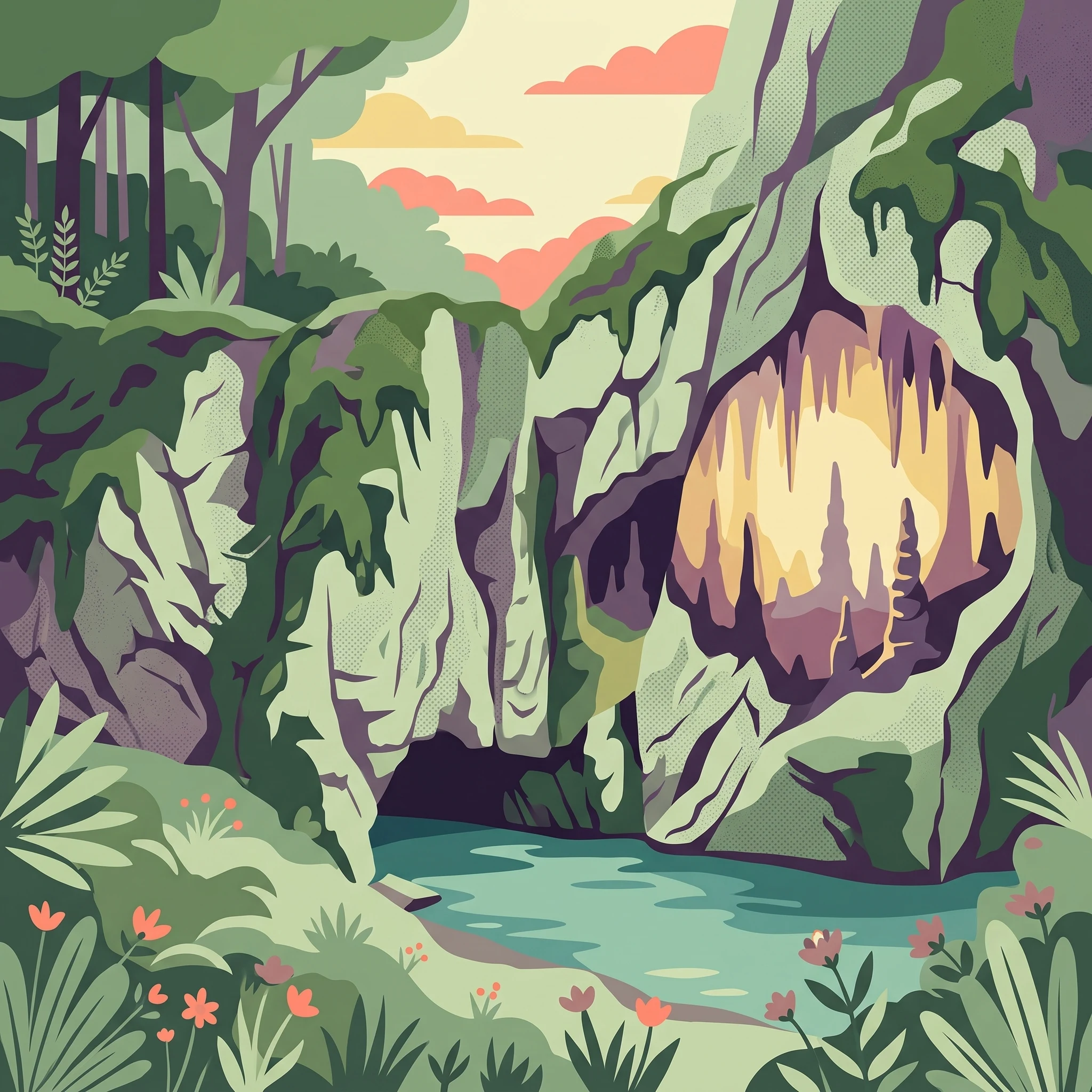
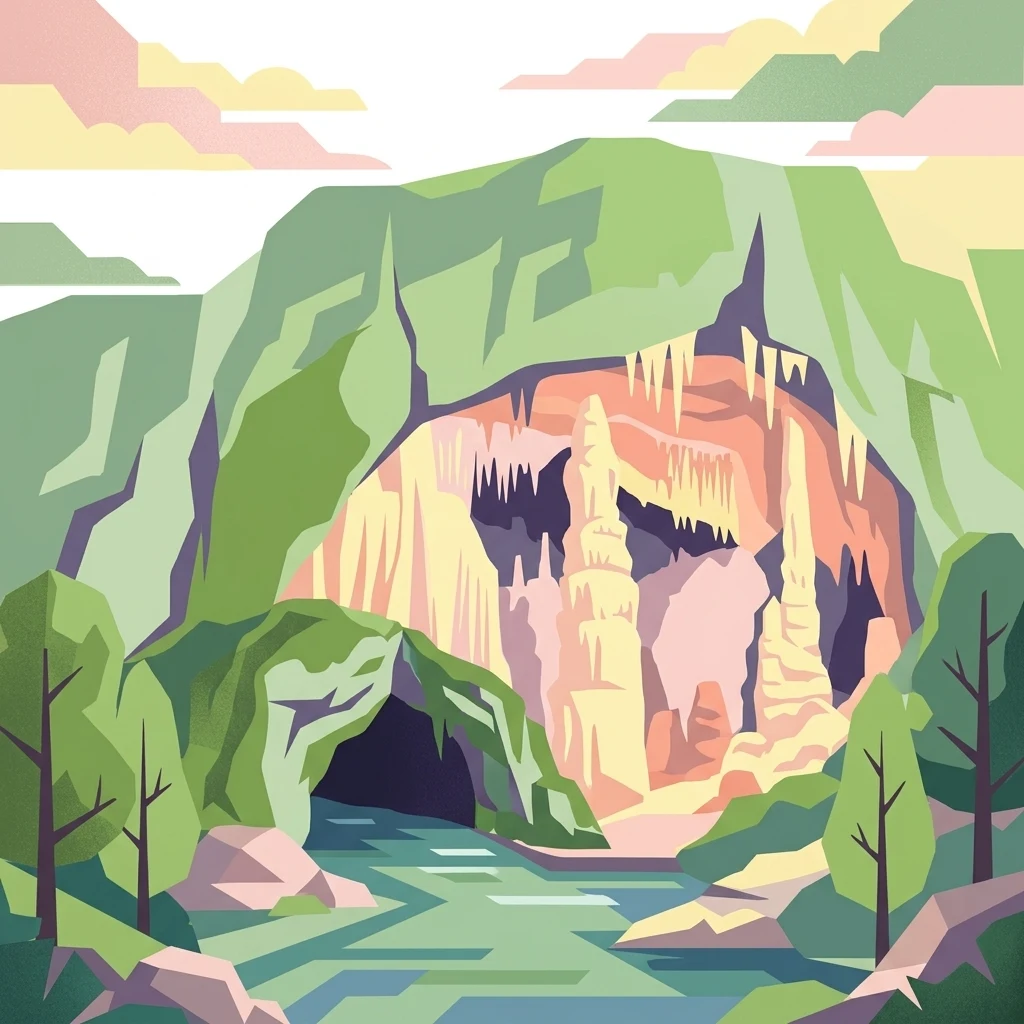
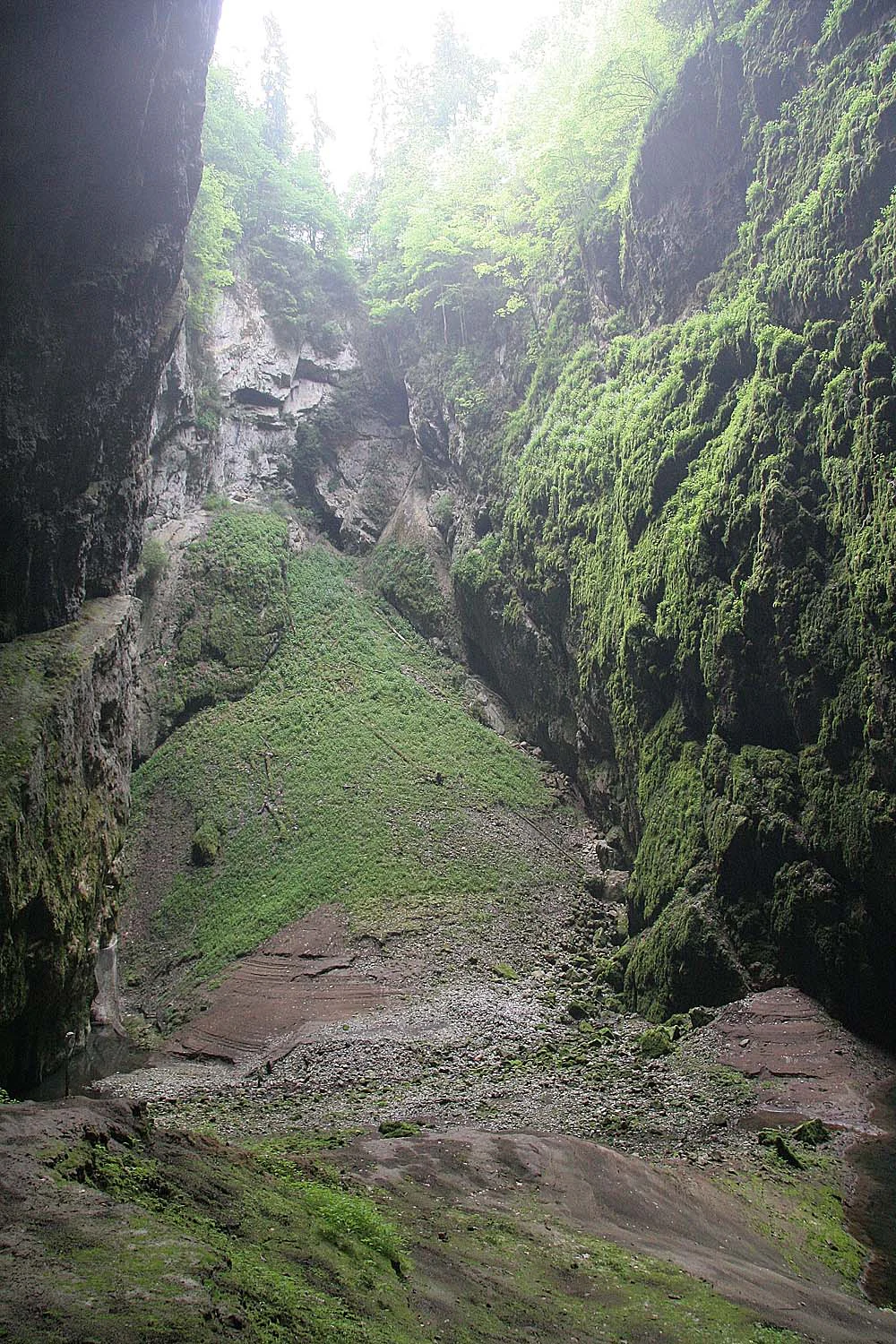
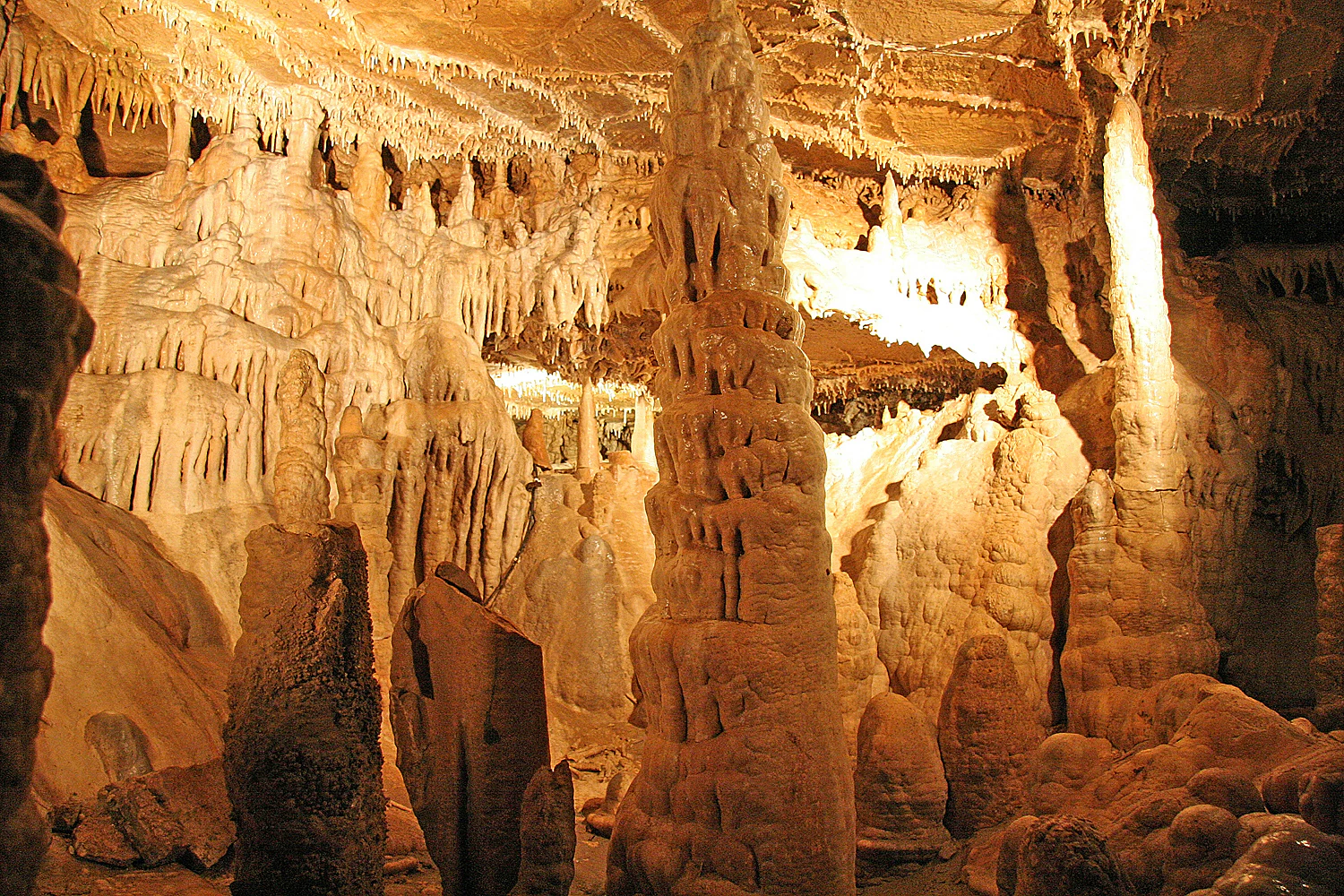
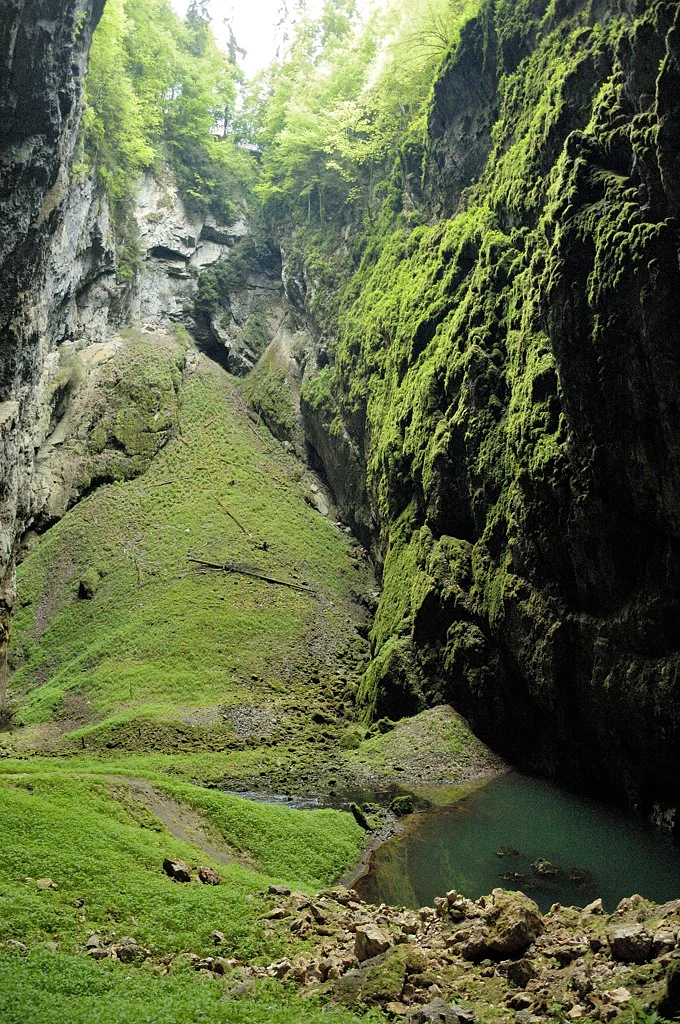
The Moravian Karst is best known for its exceptional concentration of karst phenomena, including the world-famous Macocha Abyss, a gorge plunging 138 meters deep formed when a cave chamber ceiling collapsed. The Punkva River disappears underground through the Punkva cave system, and visitors can explore illuminated underground passages by boat. The region contains five show caves open to the public: Punkevní jeskyně (Punkva Caves), Balcarka Cave, Kateřinská Cave, Sloupsko-šošůvské Caves, and Výpustek Cave. The cave systems are renowned for their spectacular stalactite and stalagmite formations, with the Kateřinská Cave's Main Hall being the largest underground space in Moravia.
Moravian Karst history and protected-area timeline
The Moravian Karst has been a destination of scientific and popular interest since the 19th century. Early exploration was conducted by scholars including Hugo František Salm and Dr. Jindřich Wankel, who documented the cave systems and their paleontological significance. The Výpustek Cave, known since antiquity as a source of prehistoric animal bones, was systematically researched from the 19th century onward. During the 20th century, several caves served various industrial and military purposes—the Výpustek Cave was used as a military depot and later as a command center, while Michálka Cave housed a mustard gas store, a WWII aircraft component factory, and subsequently a cheese aging facility. The caves were returned to public management in the 2000s, with Výpustek opening to visitors in 2007. The protected landscape area status was established to preserve this geological heritage while allowing sustainable public access.
Moravian Karst landscape and geographic character
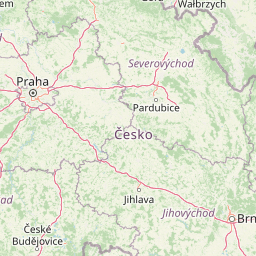
The Moravian Karst landscape is defined by its limestone terrain carved into a series of parallel gorges and valleys. The Pustý žleb (Desolate Gorge) and Suchý žleb (Dry Gorge) are the most dramatic canyon systems, with towering limestone walls and the underground Punkva River winding through their depths. The Macocha Abyss, formed by the collapse of a massive cave chamber, creates a spectacular vertical chasm visible from multiple viewpoints. The landscape features numerous sinkholes (závrty) ranging from 10 to 20 meters in depth, with those in the southern area filled with Jurassic partially consolidated sands while northern examples remain open. The surface is covered with relic terra rosa soil mixed with loess and Quaternary weathered material. The terrain rises gently southward, with the limestone plateau support supporting mixed forest cover.
Moravian Karst ecosystems, habitats, and plant life
The Moravian Karst supports diverse ecological systems adapted to the karst environment. The limestone bedrock creates specialized habitats including caves, cliffs, and karst depressions with distinctive vegetation. The forest cover consists primarily of mixed deciduous woodlands on the plateau areas and slopes. The karst aquifer system, with its underground rivers and springs, supports specialized aquatic organisms adapted to subterranean conditions. The region includes multiple national nature reserves protecting old-growth beech forests (Habrůvecká bučina), karst meadows (Hádecká planinka), and the Punkva springs (Vývěry Punkvy). The various microhabitats created by the complex topography support a range of plant communities from forest to rocky grassland associations.
Moravian Karst wildlife and species highlights
The Moravian Karst provides habitats for diverse wildlife species adapted to the karst environment. The cave systems, though primarily known for their geological features, support specialized invertebrate communities including various troglobitic (cave-adapted) species. The forested areas host typical Central European woodland fauna including deer, wild boar, and smaller mammals. The rocky cliffs and gorges provide nesting sites for birds of prey and rock-dwelling species. The karst springs and underground water systems support aquatic communities. While specific species inventories vary across the different reserves, the area contributes to regional biodiversity by providing protected habitats within the broader agricultural landscape of South Moravia.
Moravian Karst conservation status and protection priorities
The Moravian Karst was declared a Protected Landscape Area (CHKO) to preserve its exceptional geological, ecological, and scenic values. The designation recognizes the area as the largest and most developed karst region in the Czech Republic with the widest spectrum of karst phenomena. Multiple zones within the protected area receive additional designations as National Nature Reserves (Býčí skála, Habrůvecká bučina, Hádecká planinka, Vývěry Punkvy) and National Nature Monuments (Rudické propadání). The conservation framework aims to balance public access and education with the protection of sensitive geological formations and cave ecosystems. As of 2025, the Czech government has initiated UNESCO World Heritage nomination proceedings for the region, specifically targeting the Punkva Caves, Kateřinská Cave, and Macocha Abyss as representing outstanding universal value.
Moravian Karst cultural meaning and human context
The Moravian Karst region has been inhabited since prehistoric times, with the Pekárna Cave serving as an important archaeological site documenting Stone Age hunting camps. The landscape bears traces of medieval human activity, including the ruins of castles such as Holštejn and Blansek perched above the gorges. The region developed historically around iron smelting, as evidenced by the Huť Františka ironworks museum near Adamov. The village of Křtiny contains a significant pilgrimage church dedicated to the Virgin Mary. The landscape has inspired cultural works, including a 2023 theatrical production at Brno's HaDivadlo exploring the boundary between untouched nature and human projection onto the landscape. Traditional land use patterns, including limestone quarrying and agriculture, have shaped the surface environment alongside the natural karst processes.
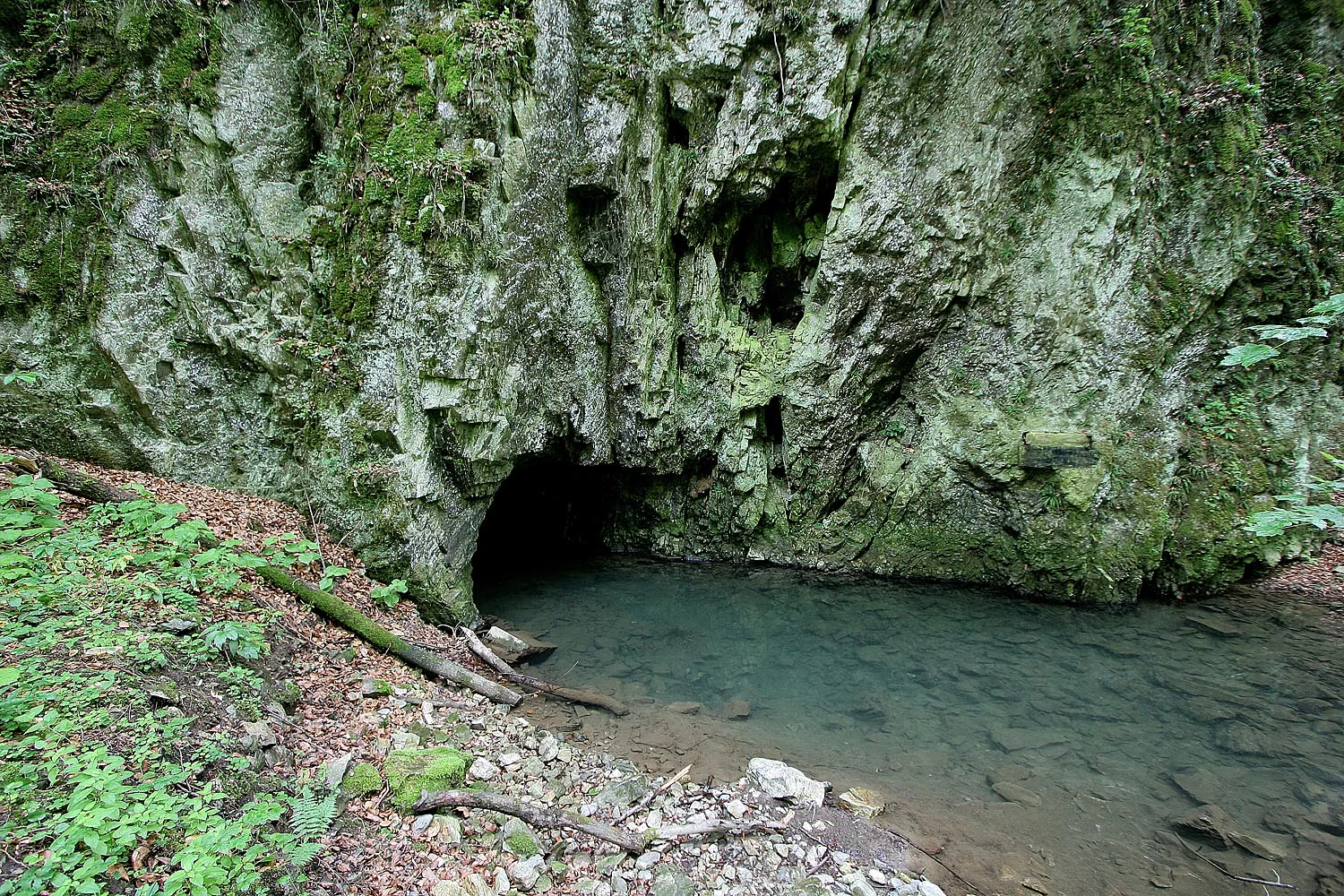
Top sights and standout views in Moravian Karst
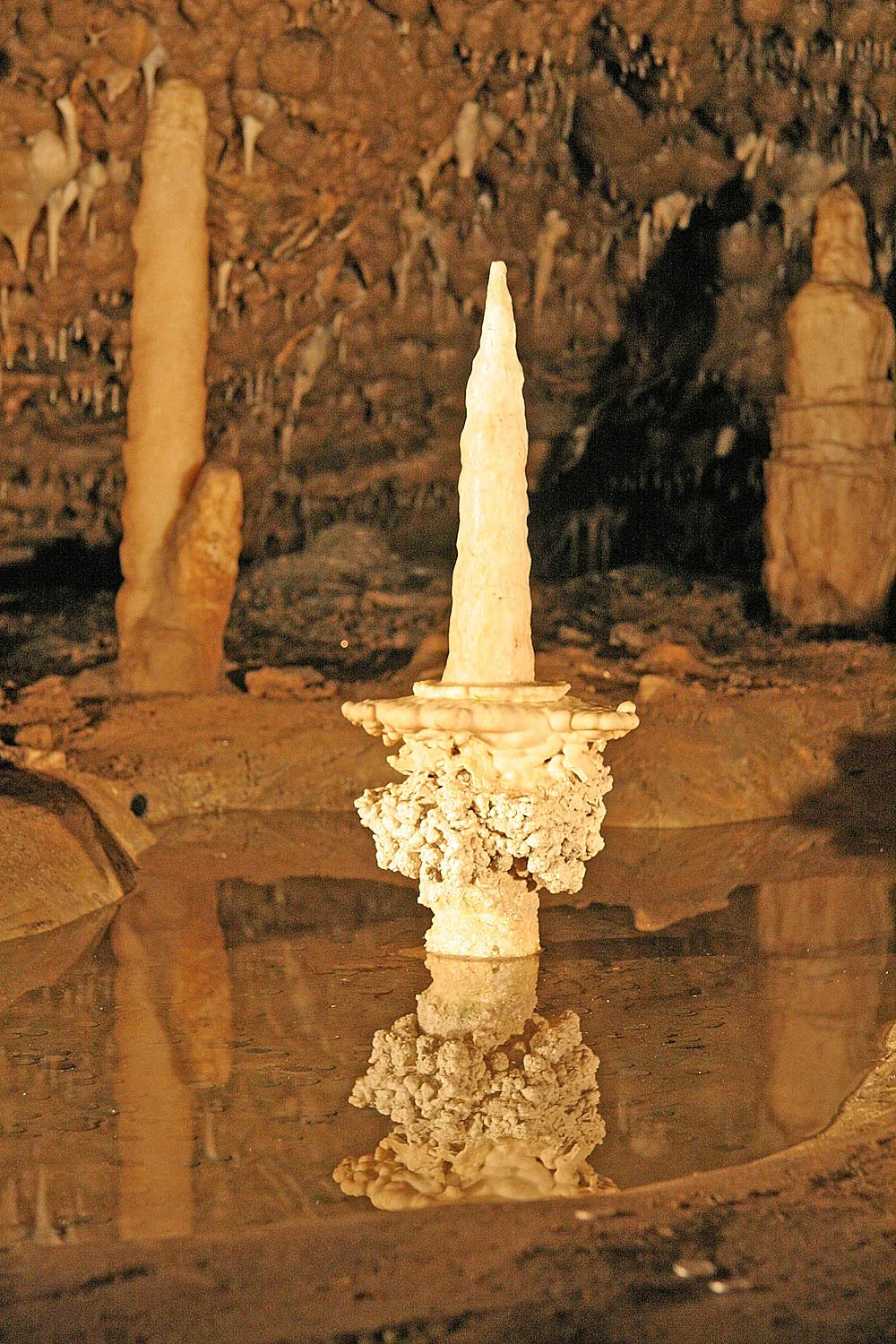
The Moravian Karst's highlights center on its exceptional cave systems and dramatic gorges. The Punkva Caves, with their underground boat rides and views into the Macocha Abyss, represent the region's most visited attraction. The Kateřinská Cave features the Main Hall—the largest underground space in Moravia—and unique rod-like stalagmites reaching four meters in height. The Sloupsko-šošůvské Caves offer extensive subterranean passages used for speleotherapy, while the Kůlna Cave provides one of the longest known cave systems in the Czech Republic. The surface landscape offers scenic hiking through the Pustý and Suchý gorges, climbing on limestone cliffs, and exploration of medieval castle ruins. The region supports a network of educational trails explaining geological and ecological features.
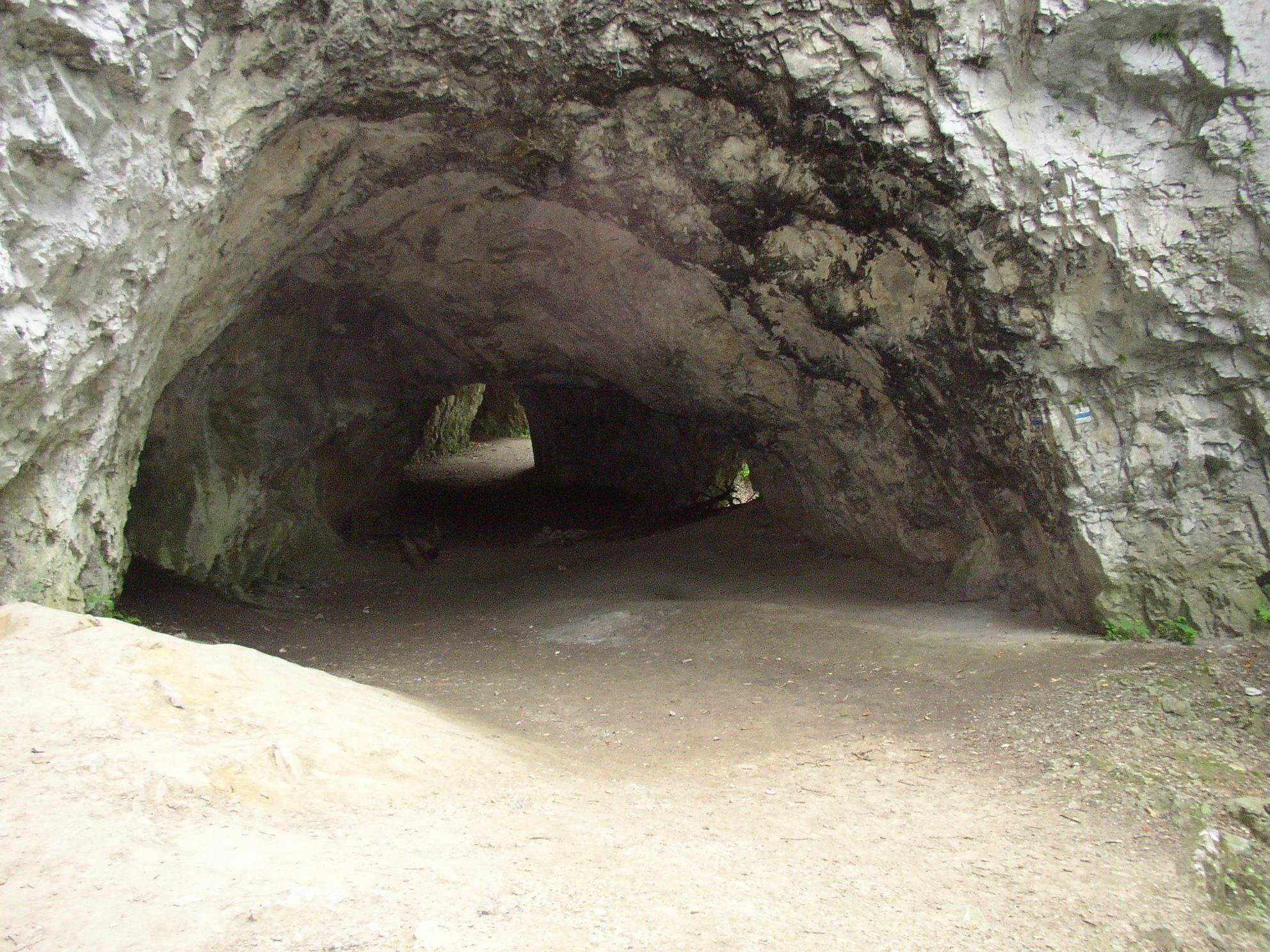
Best time to visit Moravian Karst
The Moravian Karst can be visited throughout the year, though each season offers different experiences. Summer months draw the largest crowds to the cave systems and hiking trails, making this the peak tourist season when the caves operate their full touring schedules. Spring and autumn offer more tranquil visits with fewer visitors while still providing access to the show caves. Winter cave tours have more limited schedules but can offer a different atmosphere within the underground passages. The surface hiking and climbing is best enjoyed during the warmer months, while the autumn colors in the forested gorges create particularly scenic conditions. Those seeking to avoid crowds might consider visiting on weekday mornings during the summer season.