
Why Stołowe Mountains National Park stands out
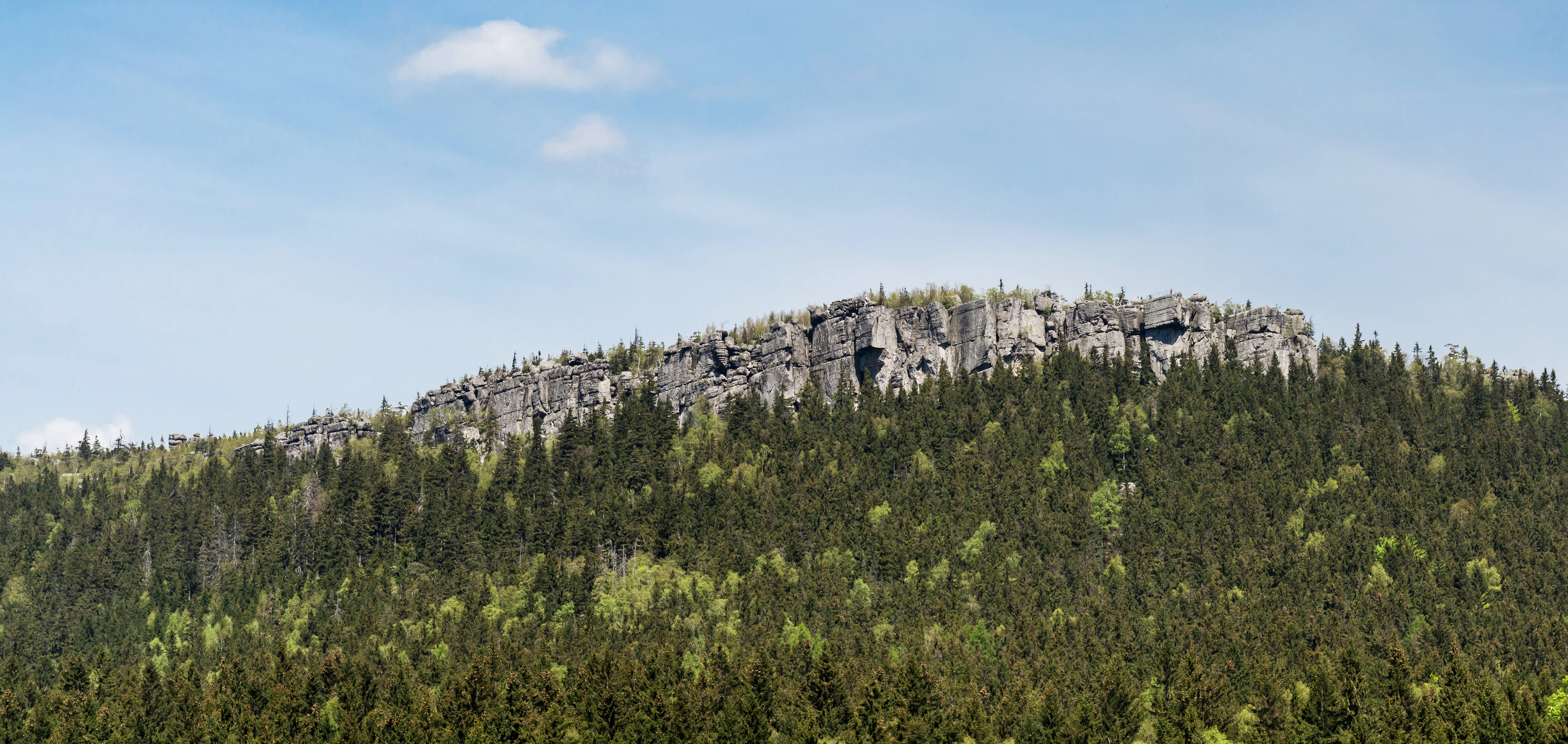
The park is renowned for its extraordinary sandstone rock formations, massive flat-topped mesas, vertical cliffs, and intricate systems of corridors and passages that form natural labyrinths. The Errant Rocks (Błędne Skały) and the rock cities of Szczeliniec Wielki represent some of the most distinctive geological features in Poland. The park also protects the Wielkie Torfowisko Batorowskie, one of Poland's few remaining raised peat bogs, subject to strict protection since 1958. The table-top mountain morphology, from which the range takes its name, is exceptionally rare in Central Europe and forms a striking landscape of bare rock platforms rising above forested slopes.
Stołowe Mountains National Park history and protected-area timeline
The protection of the Stołowe Mountains evolved over several decades before the park's formal establishment in 1993. Conservationists recognized early that the landscape protection status of the existing Stołowe Landscape Park was insufficient to safeguard the area's unique natural values, particularly as nearby spa towns of Kudowa-Zdrój and Duszniki-Zdrój expanded and mass tourism intensified. A scientific session in September 1983 in Radków brought together regional authorities, conservation organizations, and the League of Nature Protection to advocate for national park status. A subsequent session in June 1984, organized by the Voivodeship Committee for Nature Protection and the Polish Tourist and Country Lovers' Society, defined the park's proposed boundaries to include approximately 6,000 hectares of the most valuable natural areas, encompassing all existing nature reserves. These efforts culminated in the park's creation through a Council of Ministers regulation on September 16, 1993. The park's establishment followed decades of advocacy by conservation communities concerned about development pressures on this unique landscape.
Stołowe Mountains National Park landscape and geographic character
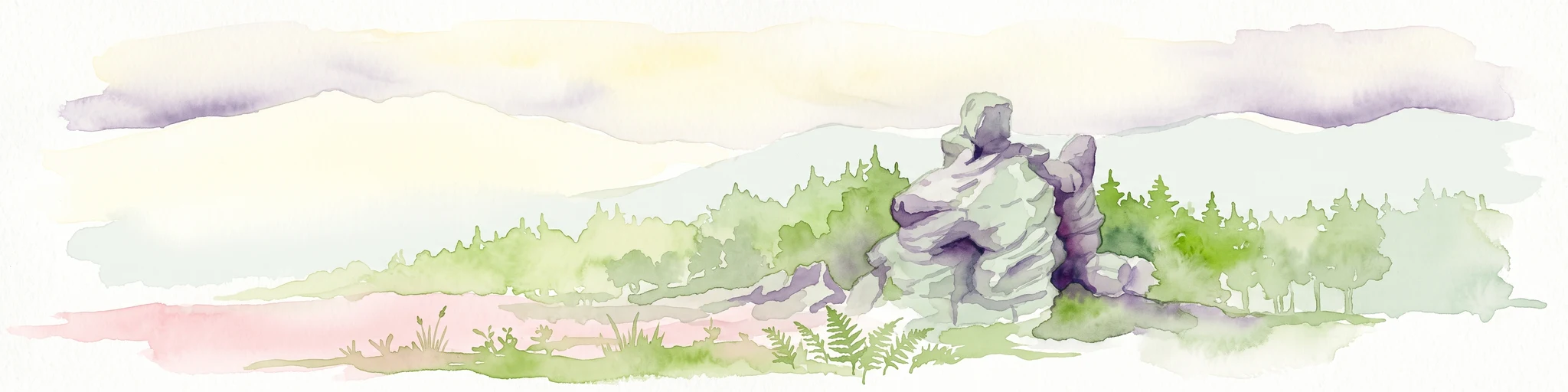
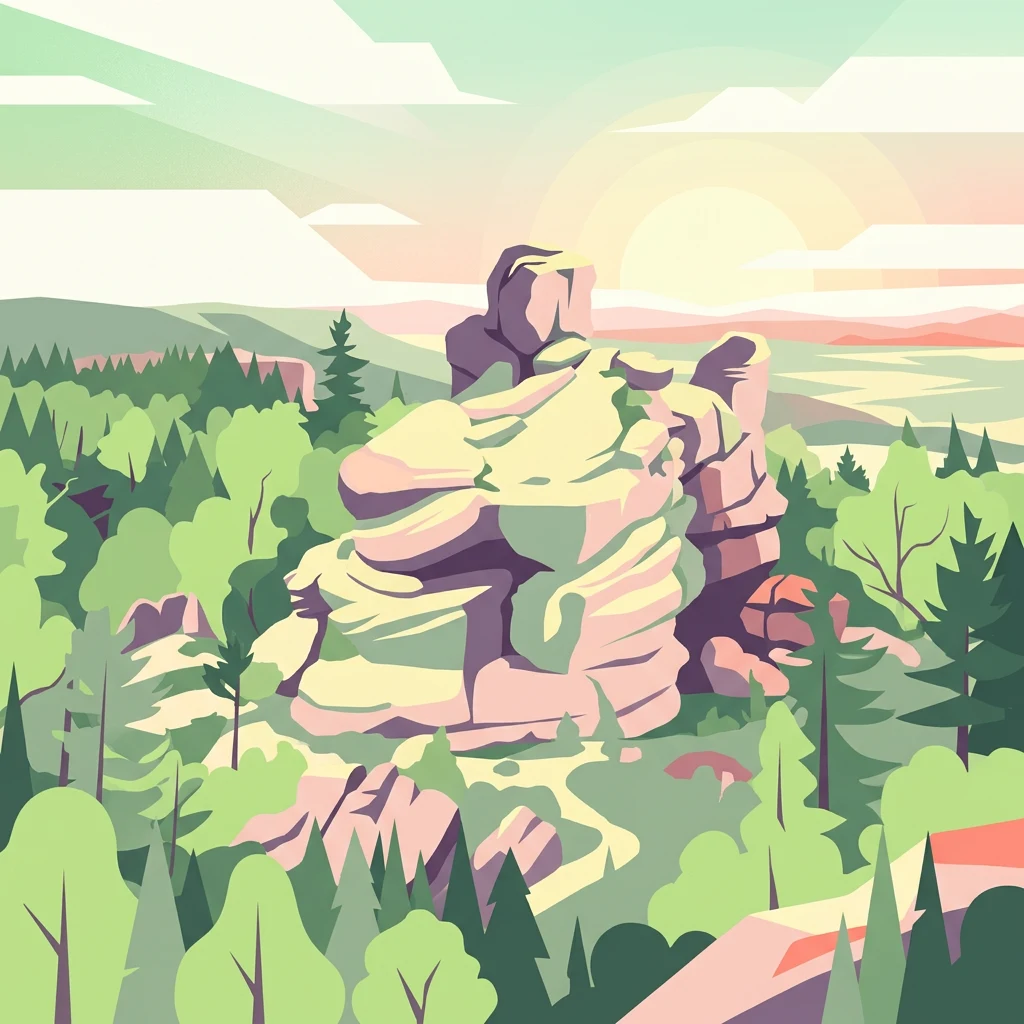
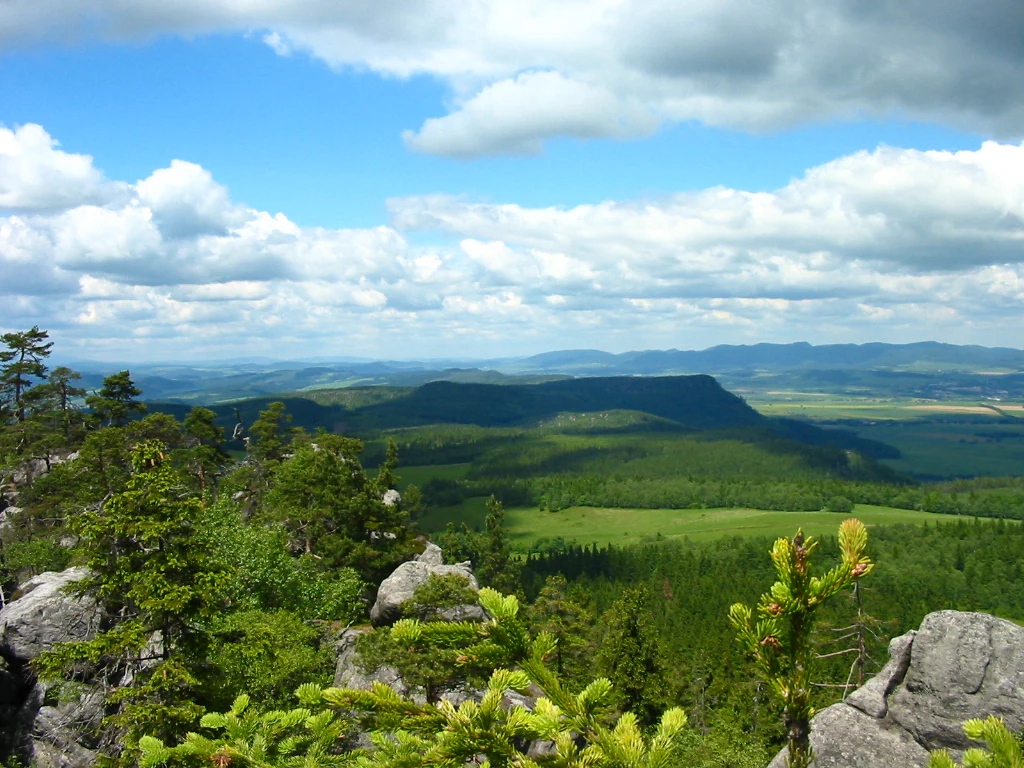
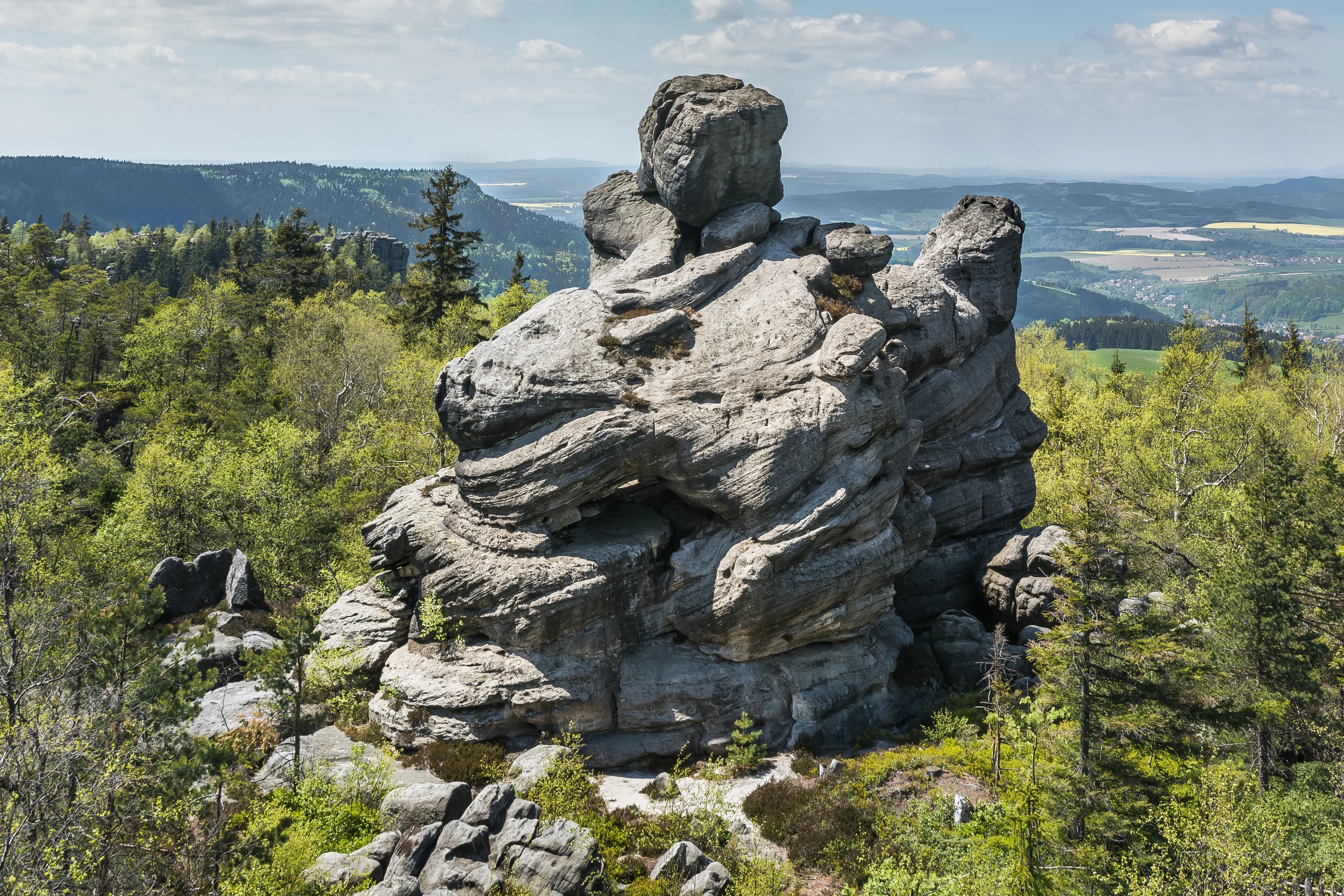
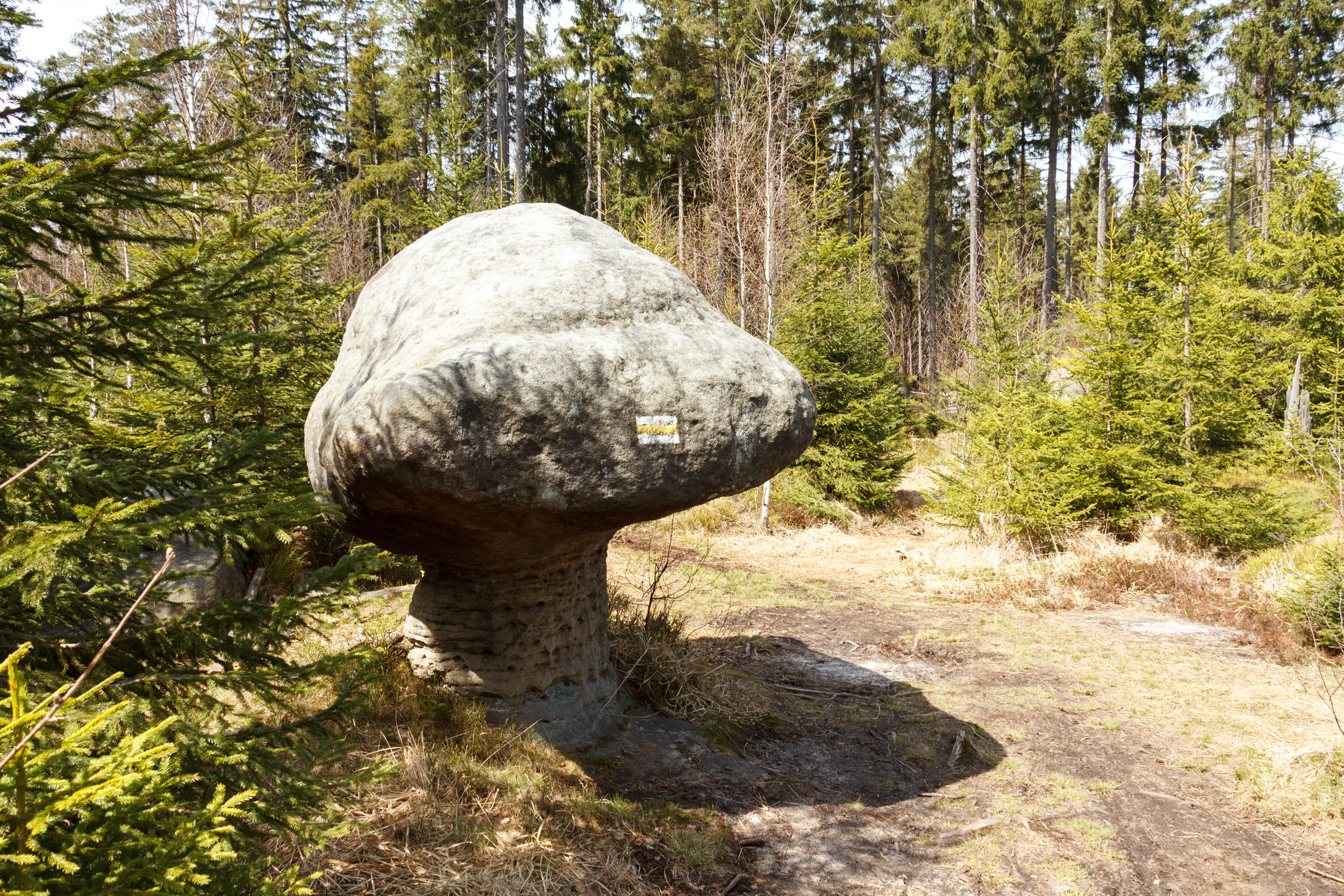
The Stołowe Mountains present a landscape of remarkable sculptural quality defined by horizontal sandstone plates forming table-topped summits and vertical cliff faces. The characteristic terrain consists of extensive plateau plains from which isolated rock bastions rise abruptly, their flat tops and steep walls creating a silhouette distinctive among Central European mountain ranges. Erosion has sculpted the sandstone into an extraordinary variety of forms—deep vertical fissures, enclosed corridors forming natural labyrinths, boulder fields, and isolated rock pillars with evocative shapes. Notable formations include Kwoka (Hen), Wielblad (Camel), and Glowa wielkoluda (Giant's Head), named for their resemblance to these forms. The Errant Rocks (Błędne Skały) formation comprises a system of corridors and chambers穿过a weathered sandstone ridge. The park's highest terrain centers on Szczeliniec Wielki, a massive sandstone plateau reaching 919 meters, while the lower southern areas feature igneous intrusions of granodiorite.
Stołowe Mountains National Park ecosystems, habitats, and plant life
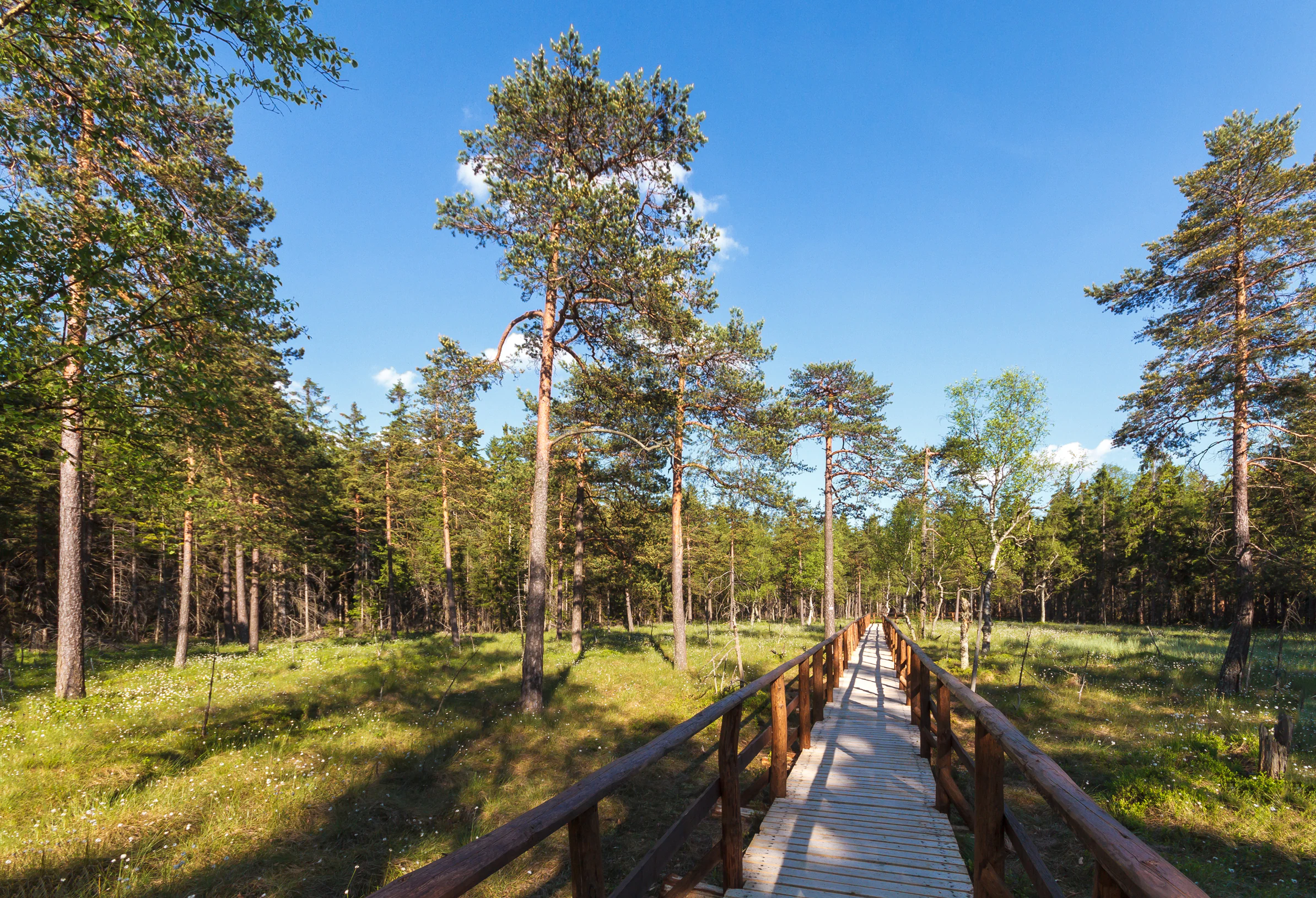
The park's ecological character reflects its position in the Central Sudetes and the legacy of human modification. Current forest cover, dominating approximately 91% of the park's area, consists primarily of planted spruce forests established in the 19th century to replace the original beech and fir woodlands, of which only about 3% remains in a natural state. The park protects several significant peat bogs, most notably the Wielkie Torfowisko Batorowskie, a raised peat bog representing one of the few such formations in Poland. This bog supports distinctive vegetation including marsh pine and bog heather, and has been under strict protection since 1958. The combination of rocky habitats, peat bogs, and planted forests creates a mosaic of environments supporting diverse species, though the ecological value of the extensive spruce plantations is lower than the original hardwood forests they replaced.
Stołowe Mountains National Park wildlife and species highlights
The park supports characteristic Central European forest fauna across its varied habitats. Large mammals include red deer, roe deer, and wild boar, commonly encountered in the forest complexes. Smaller mammals include red fox, squirrel, and hedgehog, along with mustelids such as badger, pine marten, polecat, weasel, and stoat. The nocturnal small mammals include the edible dormouse, hazel dormouse, and yellow-necked mouse, inhabiting deciduous and mixed forest fragments. Shrews, including the common pygmy shrew and the more localized mountain shrew, occupy the understory. Bats roost in the crevices and fissures of the sandstone rock formations. The ornithological community includes various forest bird species, while reptilian fauna includes lizards and adders. The fish fauna of the park's streams is limited, with brown trout as the primary native species.
Stołowe Mountains National Park conservation status and protection priorities
Stołowe Mountains National Park represents an important conservation designation for a landscape of exceptional geological significance in Poland. The park protects the most representative section of the Stołowe range and its unique table-top morphology, which cannot be found elsewhere in the country. The strict protection zone encompasses 3.76 km² of the most sensitive areas, including the Wielkie Torfowisko Batorowskie peat bog, which received protected status in 1959. The park's designation provides formal protection for geological features including the rock labyrinths, sandstone formations, and unique erosional structures that define the area's character. However, the park faces ongoing challenges from the ecological impacts of historical forest replacement and the pressure of high visitor numbers on sensitive geological and ecological resources.
Stołowe Mountains National Park cultural meaning and human context
The Stołowe Mountains exist within the historic Kłodzko region, a borderland area between historical Silesia, Bohemia, and Moravia. The region's history, particularly following the Hussite wars of the 14th and 15th centuries, saw the area flourish and later become known for its spa towns. Kudowa-Zdrój, Duszniki-Zdrój, and Polanica-Zdrój developed as health resorts, with Duszniki particularly notable for hosting one of Europe's earliest paper mills established in 1605. Within the park's boundaries lie small settlements including Pasterka and Karłów, traditional mountain villages that predate the park's establishment. The landscape has also served as a filming location, most notably for the 2008 fantasy film The Chronicles of Narnia: Prince Caspian, with scenes shot at the Errant Rocks and Kamieńczyk Gorge.
Top sights and standout views in Stołowe Mountains National Park
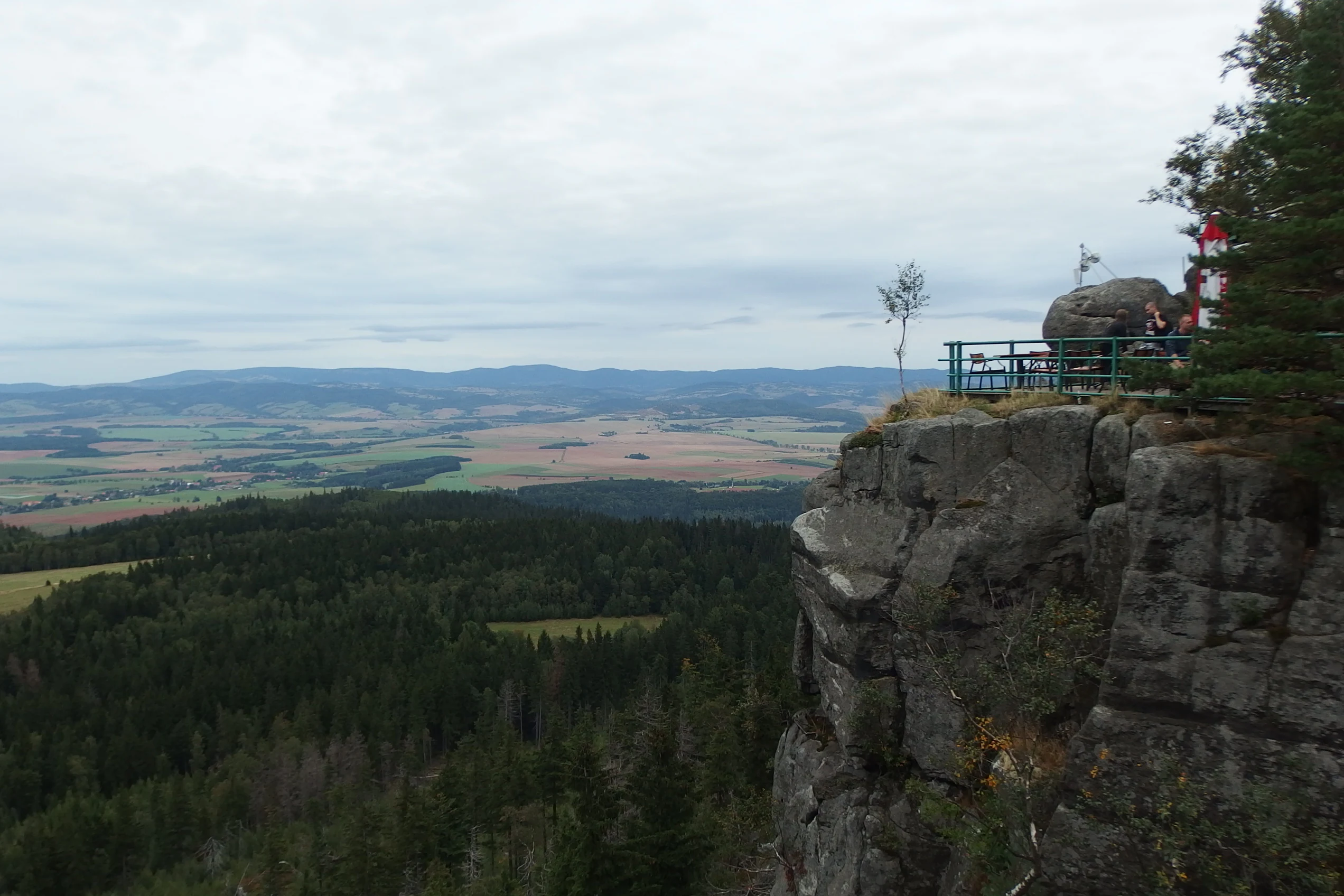
The park's premier attraction is Szczeliniec Wielki, the highest and most visually striking sandstone plateau in the range, accessible via a maintained trail to an observation deck with sweeping views. The Errant Rocks (Błędne Skały) formation offers visitors the experience of navigating through a natural sandstone labyrinth of corridors and chambers. The Wielkie Torfowisko Batorowskie represents one of Poland's rarest raised peat bogs, accessible via educational trail but requiring visitors to remain on marked paths to protect sensitive bog ecology. The park's network of marked trails connects these highlights and the various rock formations scattered throughout the landscape, while the visitor center in Kudowa-Zdrój provides interpretive resources.
Best time to visit Stołowe Mountains National Park
The park is accessible throughout the year, with each season offering a different experience of the landscape. Spring and autumn bring fewer visitors and often atmospheric conditions among the rock formations, though weather can be changeable in the mountains. Summer months see the highest visitor numbers, particularly during warm weekends, when popular destinations like Szczeliniec Wielki can become crowded. Winter transforms the landscape significantly, with snow covering the sandstone plateaus and fewer visitors on the trails, though some routes may be more challenging or restricted. The park's high elevation and exposed terrain mean that weather conditions can shift rapidly regardless of season, and visitors should be prepared for changeable conditions.