
Why Bohemian Paradise stands out
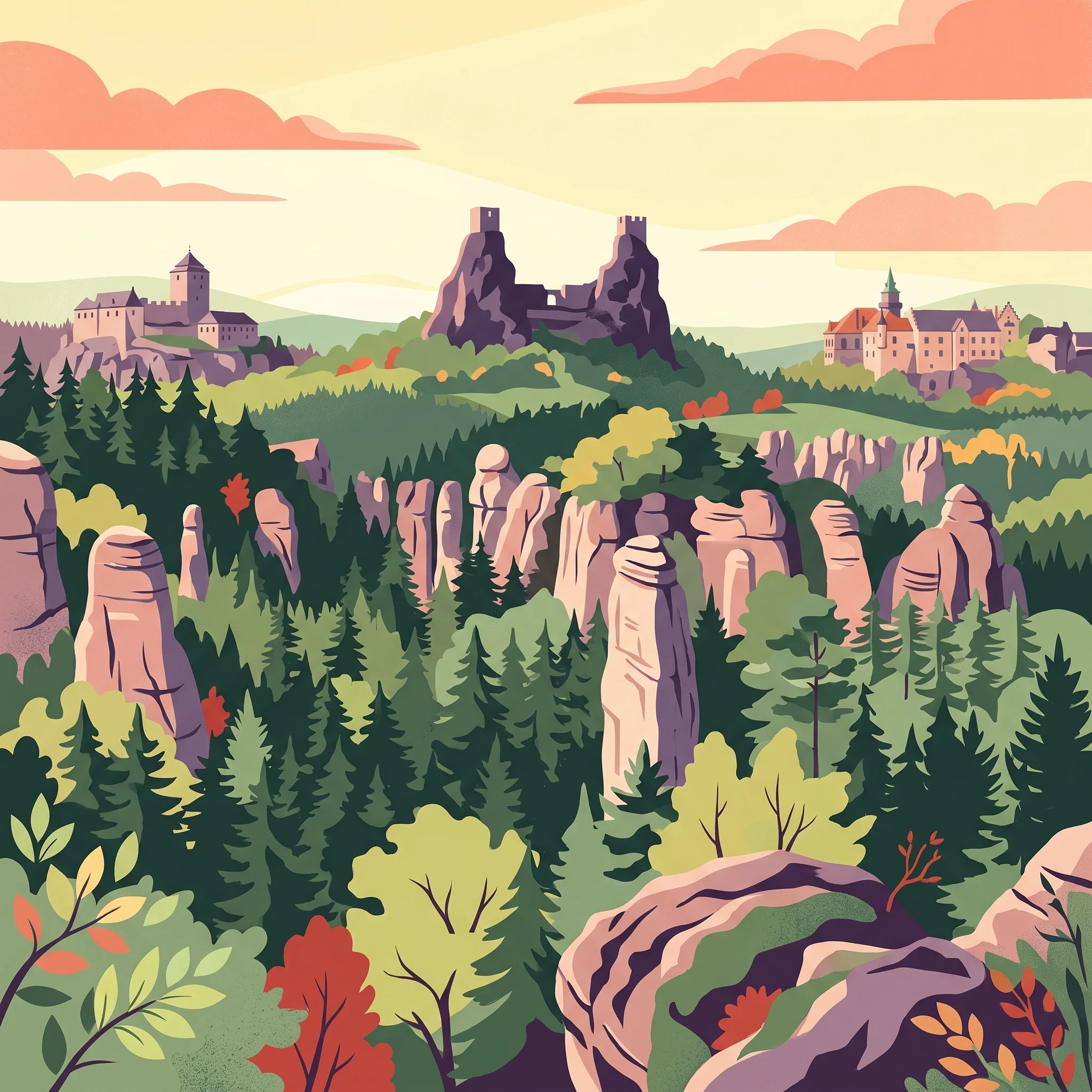
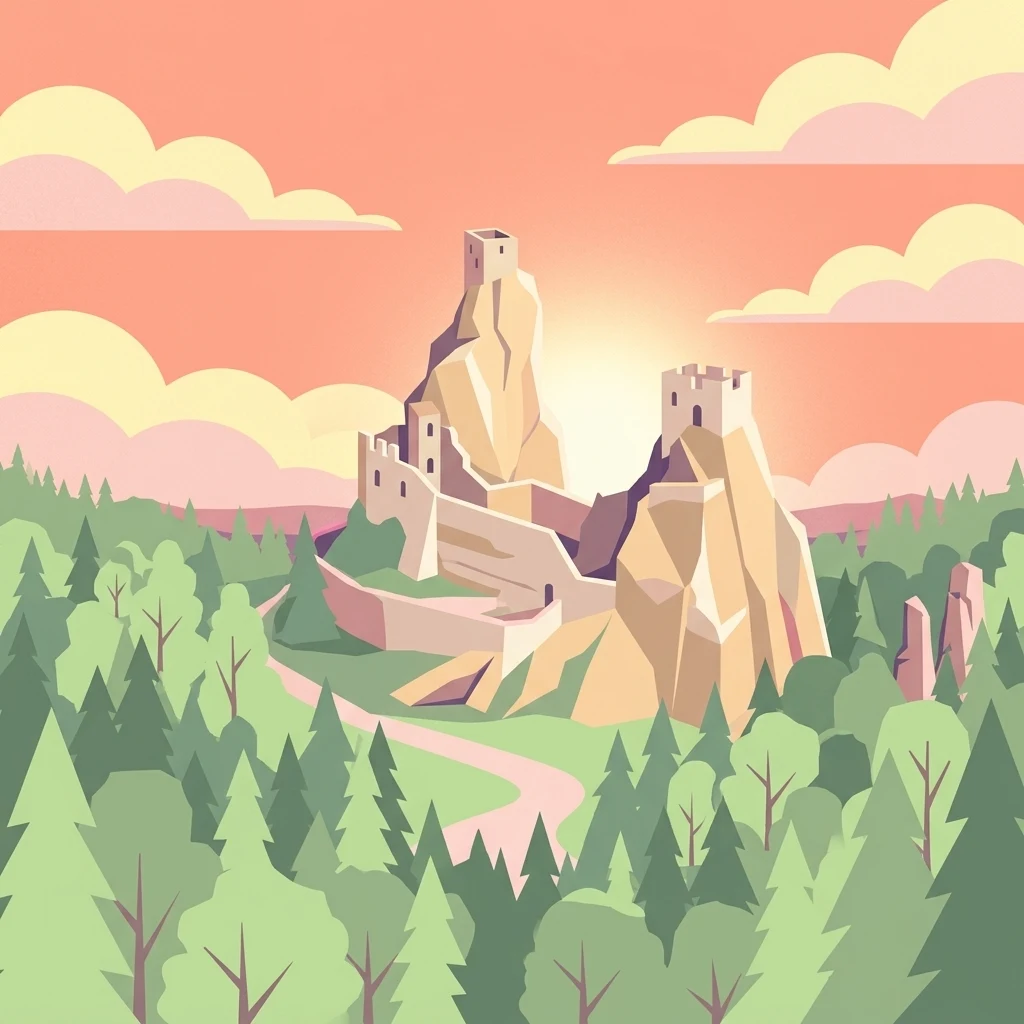
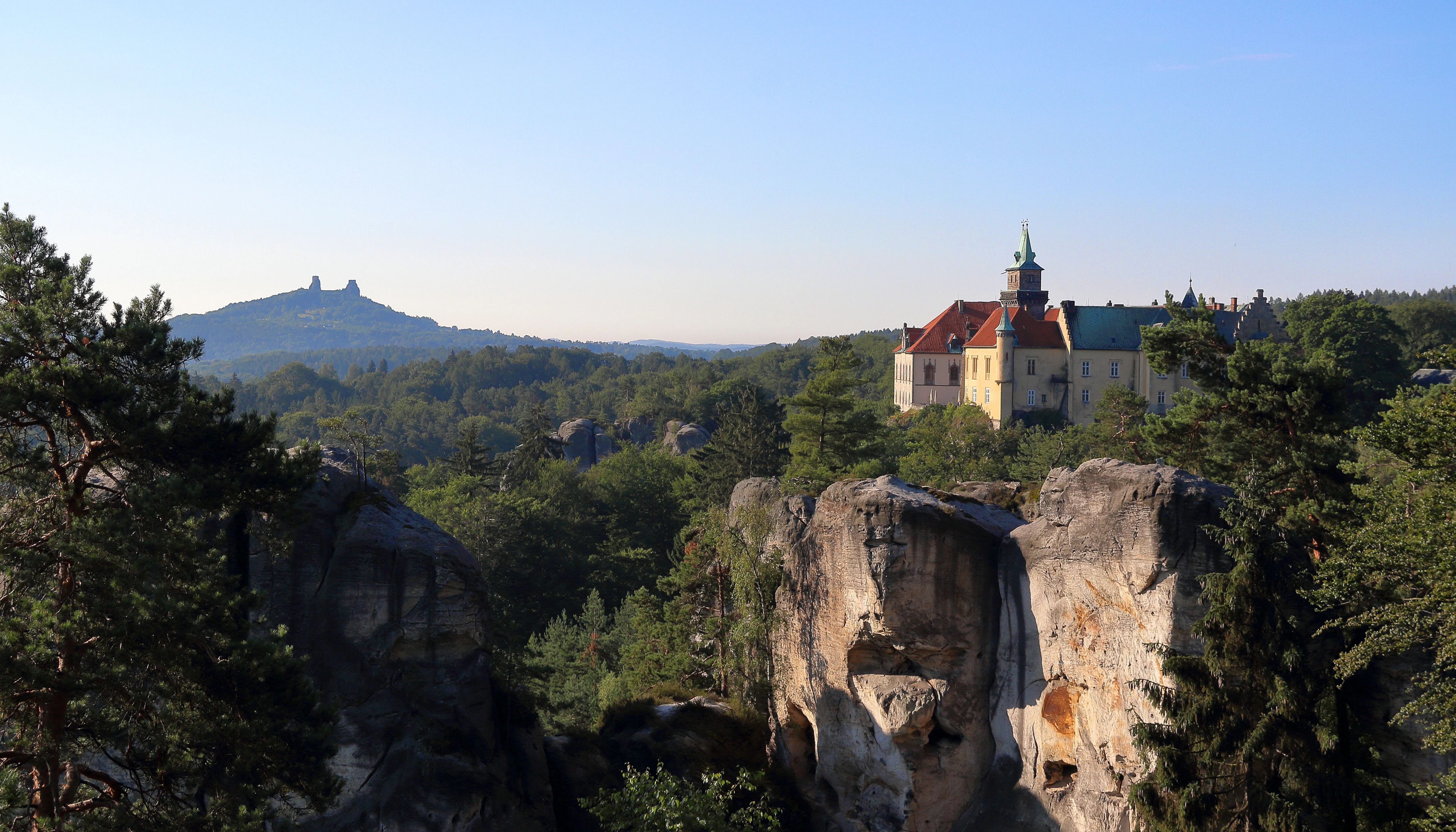
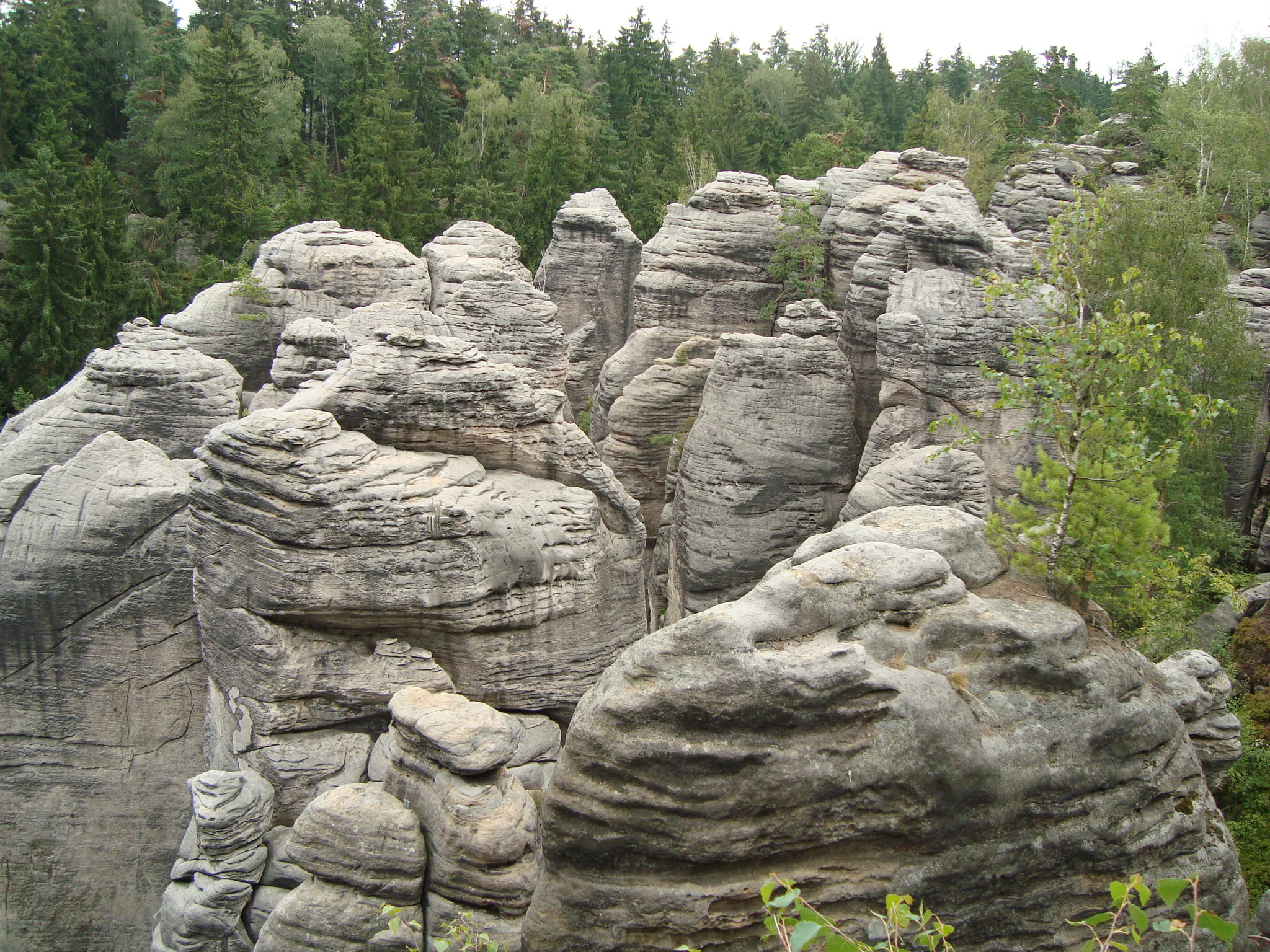
Bohemian Paradise is best known for its extraordinary sandstone rock formations that have been sculpted by wind, water, frost, and erosion into unique shapes over millions of years. The Prachov Rocks area, protected since 1933, features 60-million-year-old formations and has served as a filming location for major television and film productions. The Hrubá Skála rock town showcases volcanic sandstone pillars rising dramatically from the forest, while the Klokočské and Suché Rocks add to the region’s remarkable geological character. The twin towers of Trosky Castle, built on ancient volcanic plugs, have become the most recognizable symbol of the park. Beyond its geological wonders, the region is renowned for its density of medieval castles, including Kost Castle, Sychrov Castle, and numerous castle ruins scattered throughout the landscape.
Bohemian Paradise history and protected-area timeline
The protected status of Bohemian Paradise dates to 1955, making it the first large-scale nature reserve established in Czechoslovakia. At its founding, the protected area covered approximately 95 square kilometers. In 2002, the boundaries were expanded to the current 181.17 square kilometers, reflecting growing recognition of the region’s ecological and landscape values. The concept of Bohemian Paradise as a tourist and cultural region, however, originated much earlier in the second half of the 19th century. The name was initially used by spa guests visiting the Sedmihorky resort, with the first documented use appearing in 1886 by journalist Václav Durych. Originally, the name actually referred to the Litoměřicko region in northern Bohemia, now known as the Garden of Bohemia, but the contemporary usage for this particular area gradually took hold. The establishment of the protected landscape area ensured the preservation of the region’s unique combination of natural formations and historical structures, formalizing what had long been recognized as a special place within the Czech lands.
Bohemian Paradise landscape and geographic character
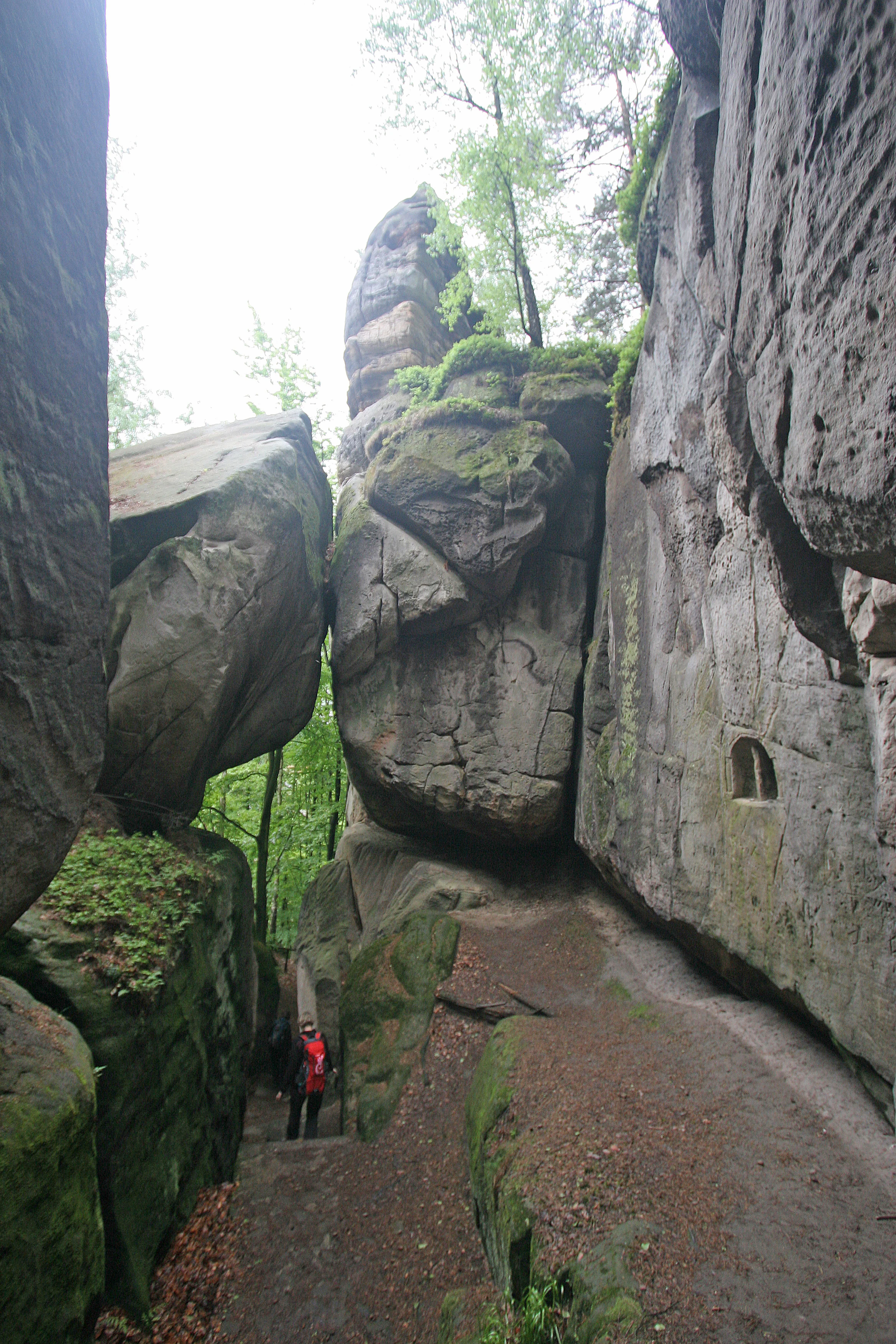
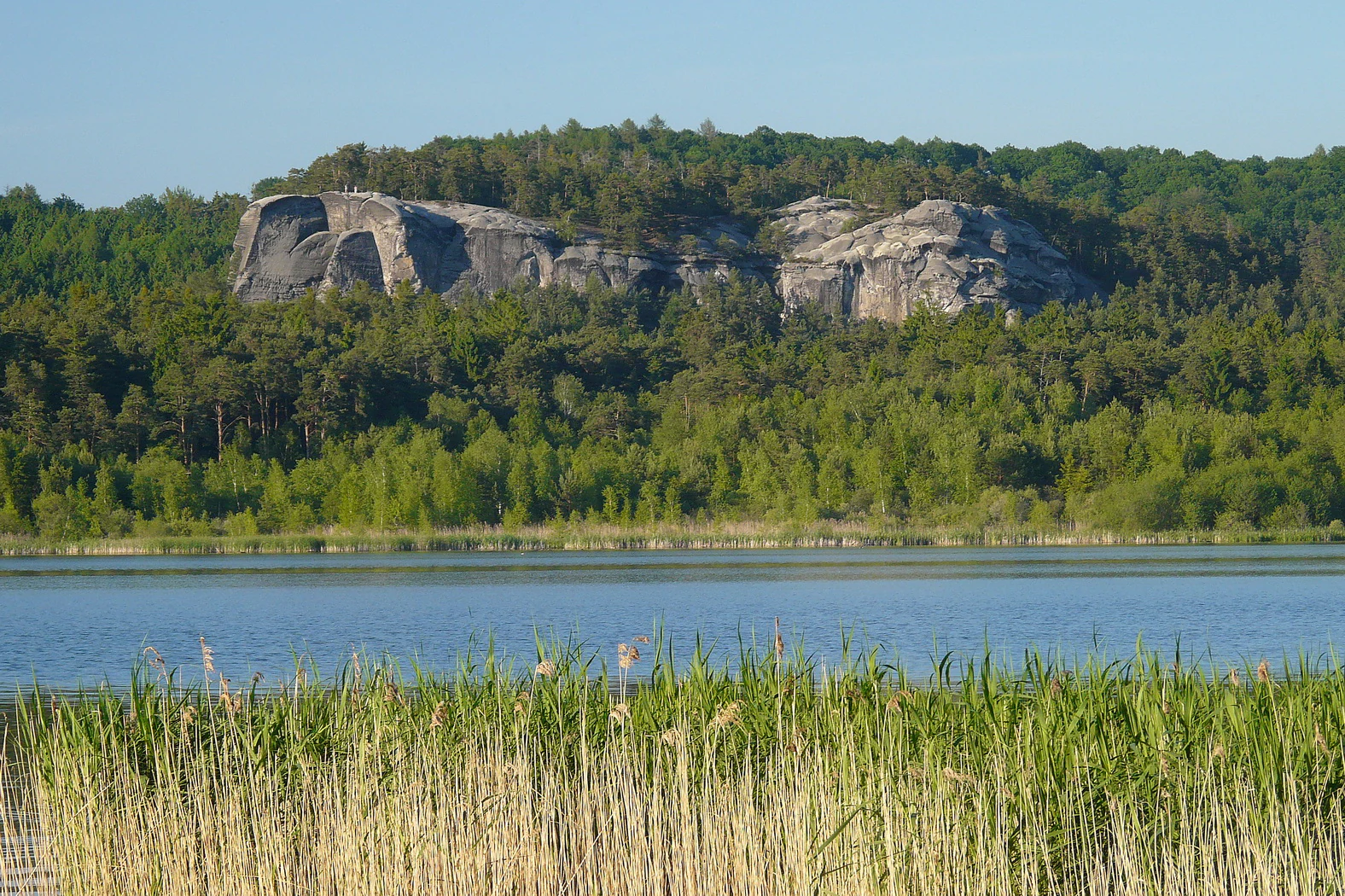
The landscape of Bohemian Paradise is dominated by its distinctive sandstone formations, created during the Cretaceous period when the area sat on the margins of an ancient sea. Over millions of years, these sedimentary rocks have been carved by natural forces into a remarkable variety of shapes, including towering pillars, natural arches, caves, and rock gates. The most spectacular examples include the Prachov Rocks, Hrubá Skála, Klokočské Rocks, and Příhrazské Rocks, each offering a different character and scale of formation. Between the rocky areas, the terrain consists of forested hills, managed meadows, and valley systems carved by small streams. The Jizera River, the main watercourse, flows through the western portion of the protected area. The landscape also features numerous ponds, particularly in the Podtrosecká valleys below Trosky Castle and in the areas surrounding Kost Castle. The highest point, Kozákov mountain at 744 meters, provides panoramic views over the entire region and is crowned by a tourist chalet and lookout tower. The contrast between the exposed sandstone ridges and the softer, vegetated valleys creates a visually diverse landscape that changes character dramatically as visitors move through different areas of the park.
Bohemian Paradise ecosystems, habitats, and plant life
The natural environment of Bohemian Paradise supports a variety of habitats that reflect the region’s position in the transition between different ecological zones. The sandstone rock formations provide specialized habitats for heat-loving plants and insects on the sun-exposed rock faces, while the surrounding forests and meadows support more typical Central European wildlife. The region’s vegetation includes mixed deciduous forests on the lower slopes, with coniferous forests appearing at higher elevations. The rocky areas host specialized plant communities adapted to the harsh conditions of sandstone pavements and cliff faces. The numerous ponds and small water bodies throughout the area support aquatic ecosystems and provide breeding habitat for amphibians. The caves, including the Bozkov dolomite caves with their underground lake, offer unique subterranean habitats. The protected area’s network of habitats is further reinforced by its designation as part of the European network of protected areas, with the protection framework encompassing not just the most scenic rock formations but also the broader ecological systems that connect them.
Bohemian Paradise wildlife and species highlights
The wildlife of Bohemian Paradise reflects the diversity of its habitats, from the rocky sandstone outcrops to the forested valleys and pond systems. The region provides habitat for a variety of bird species, with the rock formations and forest edges offering nesting sites and foraging areas. The mixed forests support common Central European species, while the open meadows and edges provide hunting grounds for raptors. The pond systems and wetlands attract waterfowl and support amphibian populations, with the Bozkov caves offering winter shelter for some species. The rock formations, while primarily known for their geological and scenic value, also provide habitat for specialized invertebrates and reptiles that thrive in the warm, sunny microclimates created by the south-facing sandstone faces. The broader landscape, with its combination of forest, meadow, and water features, supports a typical range of Central European wildlife without any particularly notable endemic species, though the protected status of the area helps maintain healthy populations within the regional ecosystem.
Bohemian Paradise conservation status and protection priorities
Bohemian Paradise holds significant conservation importance as the Czech Republic’s oldest large-scale protected landscape area, established in 1955 to preserve the region’s unique combination of geological, natural, and cultural values. The park’s IUCN Category V classification reflects its purpose of protecting a landscape where nature and human activity have interacted over centuries to create a distinctive cultural landscape. The designation as a UNESCO Global Geopark further emphasizes the region’s geological significance, providing a framework for education and sustainable tourism that connects visitors with the earth’s geological history. The conservation framework encompasses not only the dramatic rock formations but also the surrounding forests, meadows, ponds, and the historic structures that define the region’s character. The presence of two national natural monuments, eleven natural reservations, and eleven natural monuments within the protected area provides layered protection for the most sensitive features. The park’s management balances conservation objectives with public access, maintaining an extensive network of trails while protecting the most vulnerable geological and ecological features.
Bohemian Paradise cultural meaning and human context
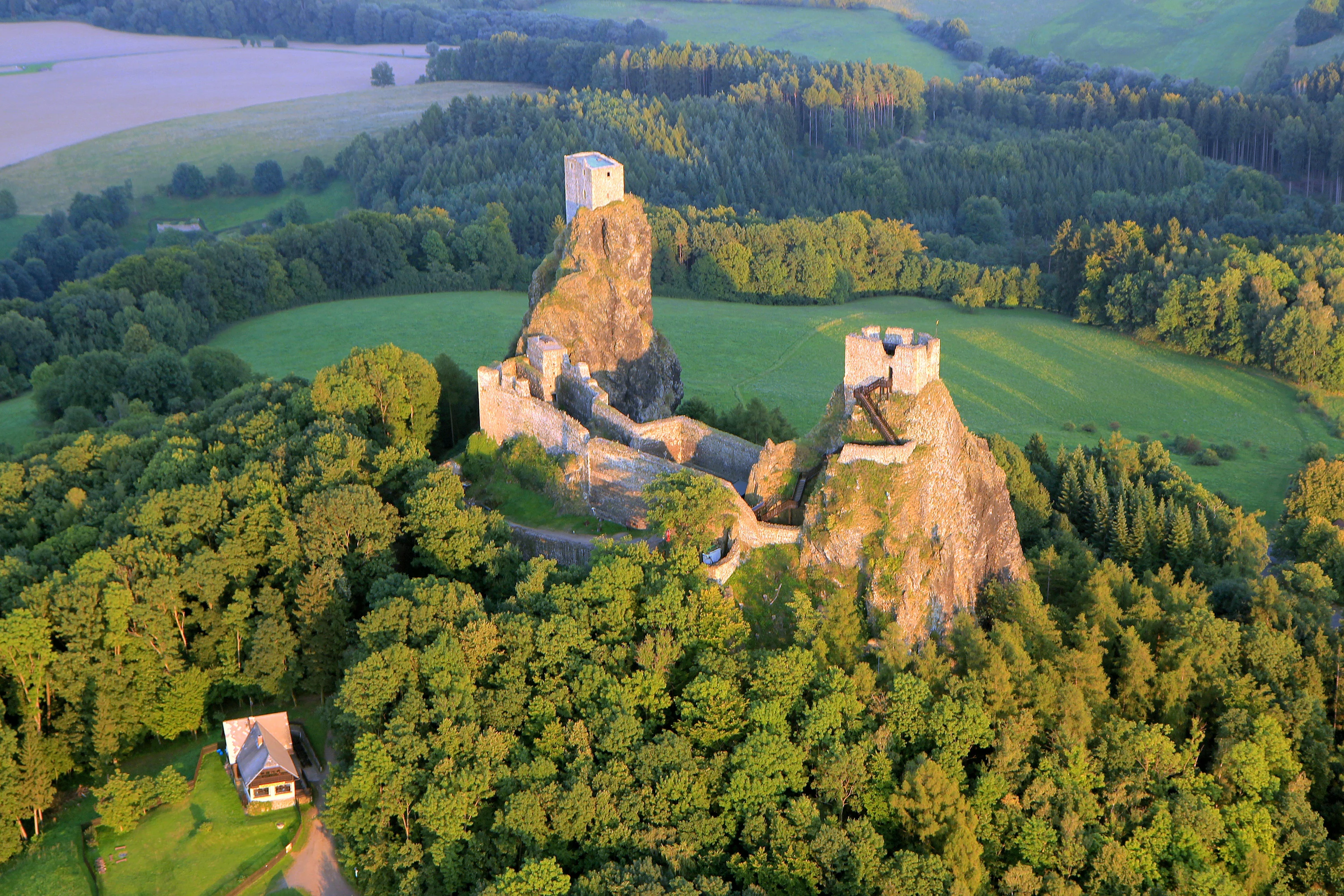
The cultural landscape of Bohemian Paradise reflects centuries of human presence in this scenic region of Bohemia. The concentration of castles and chateaus is exceptional, with medieval fortifications like Trosky Castle and Kost Castle sitting atop the same dramatic rock formations that define the park’s geological character. Trosky Castle, with its two 14th-century towers perched on volcanic plugs, represents the most iconic visual element of the region. The area also includes Renaissance-era structures like the Hrubá Skála chateau, now operated as a hotel and spa, which was originally built in the 14th century and rebuilt in Renaissance style over subsequent centuries. Turnov, considered the heart of Bohemian Paradise, has a historical connection to gem-cutting and stone-working crafts, directly linked to the volcanic geology of Kozákov mountain which yields precious and semi-precious stones. The region also preserves examples of folk architecture, including the Dlaskův and Boučkův estates. The cultural layer extends to the present day with tourism as a major economic activity, with approximately 1.9 million visitors annually drawn to the region’s hiking trails, castles, and scenic landscapes.
Top sights and standout views in Bohemian Paradise
The sandstone rock cities of Bohemian Paradise stand as the park’s most distinctive feature, with the Prachov Rocks offering the most visited concentration of formations, including 60-million-year-old structures that have served as film locations. The twin towers of Trosky Castle on volcanic plugs represent perhaps the most recognizable single image associated with the region. The Hrubá Skála rock town with its volcanic sandstone pillars and the adjoining chateau-turned-hotel create a unique combination of natural and architectural heritage. Kozákov, the highest point in the park, provides both geological interest as a former volcano and panoramic views from its summit chalet and tower. The Bozkov dolomite caves contain the largest underground lake in the Czech Republic. The Golden Trail of Bohemian Paradise provides a long-distance hiking route connecting the region’s diverse attractions, while numerous castle ruins including Frýdštejn and Valdštejn add historical depth to the landscape.
Best time to visit Bohemian Paradise
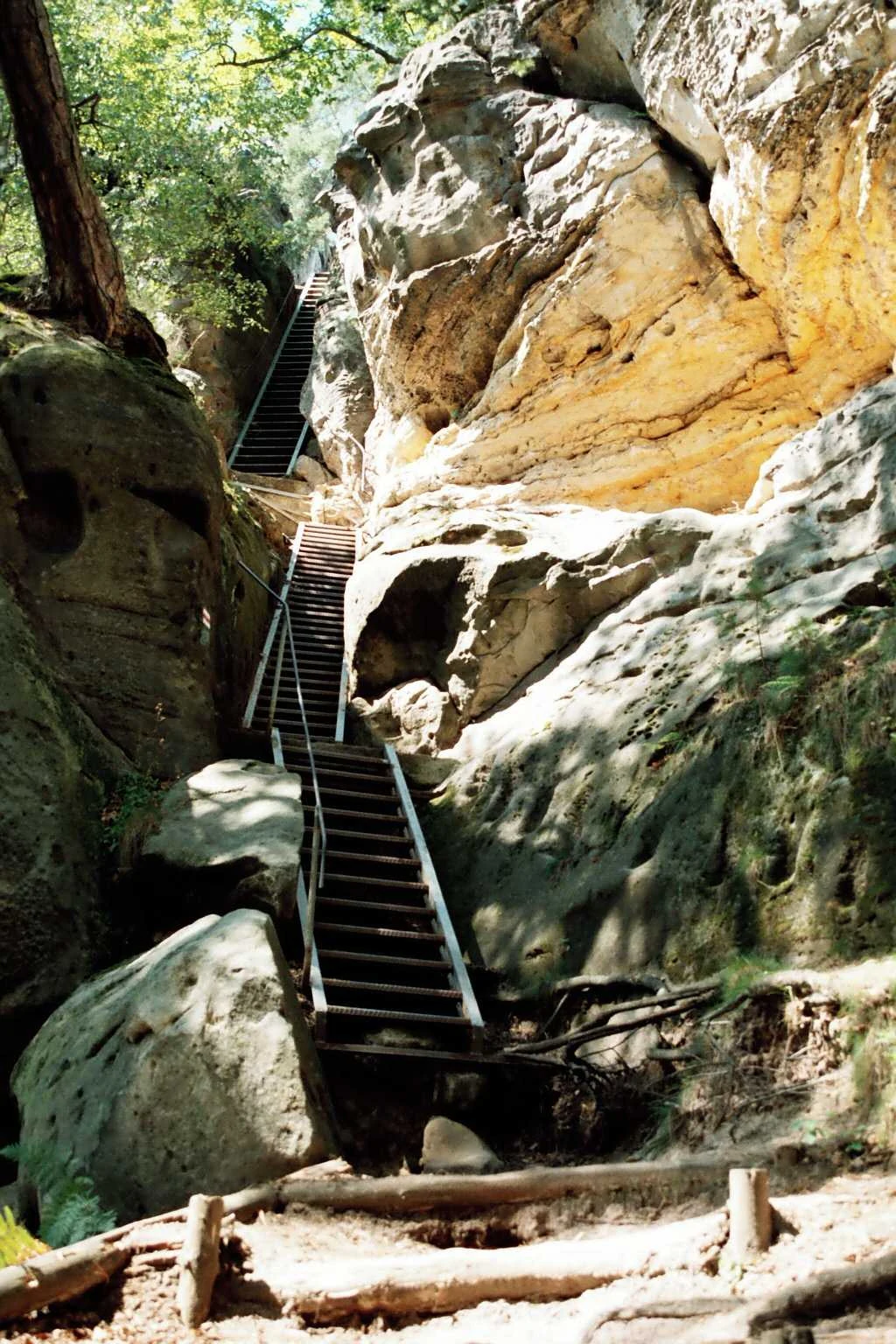
Bohemian Paradise can be visited throughout the year, with each season offering a different perspective on the landscape. The spring months bring fresh greenery to the forests and meadows, while the rock formations are particularly striking when framed by new foliage. Summer offers the warmest conditions for hiking and the longest days for exploring, though this is also the busiest period for tourism. Autumn provides perhaps the most visually dramatic conditions, as the deciduous forests display their seasonal colors and the visitor crowds diminish. Winter transforms the landscape, with snow adding a new dimension to the rock formations though some facilities may have limited access. The rock formations themselves are accessible year-round, though certain trails may be slippery or closed during winter months. For those seeking to avoid the largest crowds, the shoulder seasons of spring and autumn offer pleasant conditions with fewer visitors while still providing full access to the main attractions.