Why Krkonoše National Park stands out
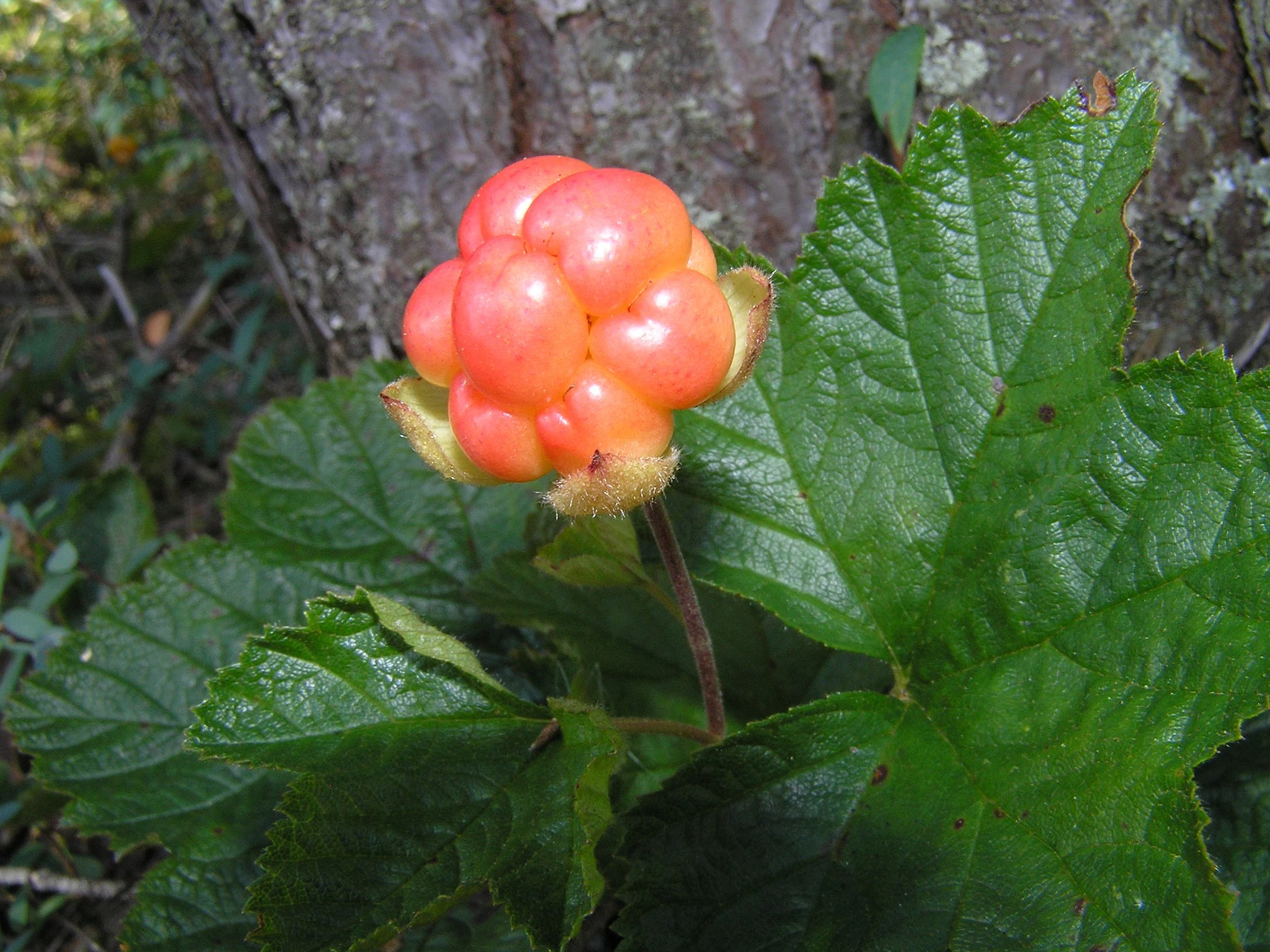
Krkonoše National Park is renowned for its exceptional alpine ecosystems and the presence of glacial relict species found nowhere else in the Czech Republic. The mountain meadows and peat bogs of the subalpine zone support unique plant communities including the snow saxifrage, cloudberry, and the endemic Giant Mountain lousewort. The park's dramatic glacial landscape features the distinctive cirques and rock formations often called the 'Krkonoše botanical gardens' at higher elevations. The area serves as the source of the Elbe River, one of Central Europe's major waterways, and contains significant Ramsar-listed wetland areas.
Krkonoše National Park history and protected-area timeline
Nature conservation in the Giant Mountains began in 1952 when several key areas were declared state nature reserves, including Kotelní jámy, Pančavská louka, and Labský důl. These early protected sites were supervised by conservationists from Hradec Králové, among whom Zdeněk Pilous, Jindřich Ambrož, and Josef Šourek became prominent figures in the movement to protect the mountains' unique nature. These pioneering conservationists faced significant challenges, including intense pressure from tourism and economic exploitation of the landscape.
Krkonoše National Park was officially proclaimed on 17 May 1963 through Government Decree No. 41/1963, becoming the Czech Republic's first national park. This came four years after the establishment of the adjacent Karkonosze National Park in Poland (1959). In 1986, the park was expanded to include a protective zone. The park's statutory mission was refined in Government Decree No. 165/1991, emphasizing the preservation and improvement of the natural environment, protection of wild animals and plants, landscape conservation, and sustainable tourism. The legal framework was most recently updated with Act No. 123/2017. In 1992, the Czech and Polish national parks were jointly designated as a UNESCO Biosphere Reserve, and both are now certified transboundary parks under the EUROPARC Federation program.
Krkonoše National Park landscape and geographic character
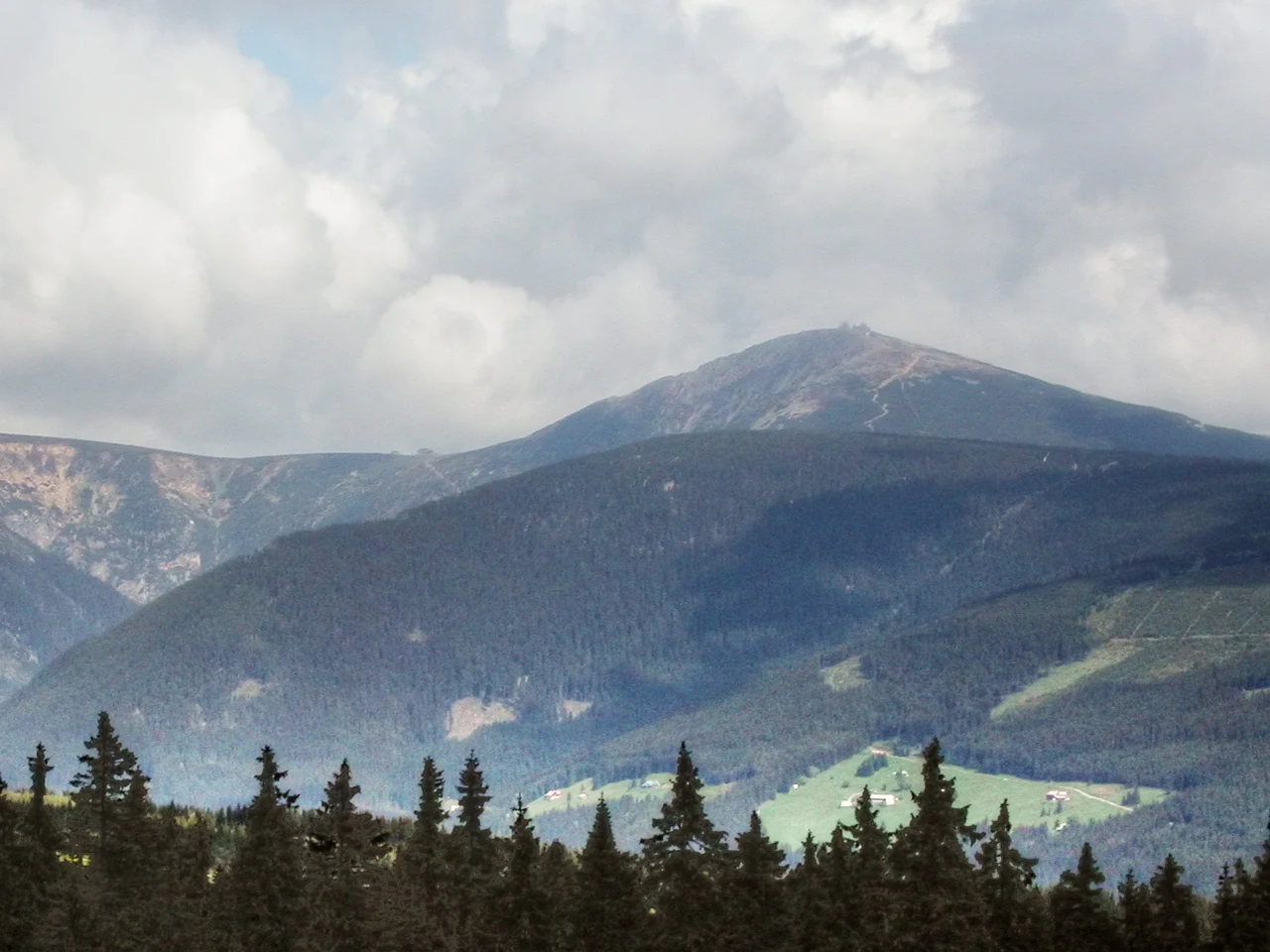
The Krkonoše landscape presents a dramatic alpine environment shaped by millions of years of geological processes and the powerful hand of glacial ice. The main ridge runs from Mrtvý vrch in the west to the western foothills of Sněžka in the east, composed primarily of granitoid rocks of the Krkonoše-Jizera pluton. Contact zones feature gray schists and phyllites, while the eastern region is characterized by gneisses and the western portion by phyllites of the Ponikel group.
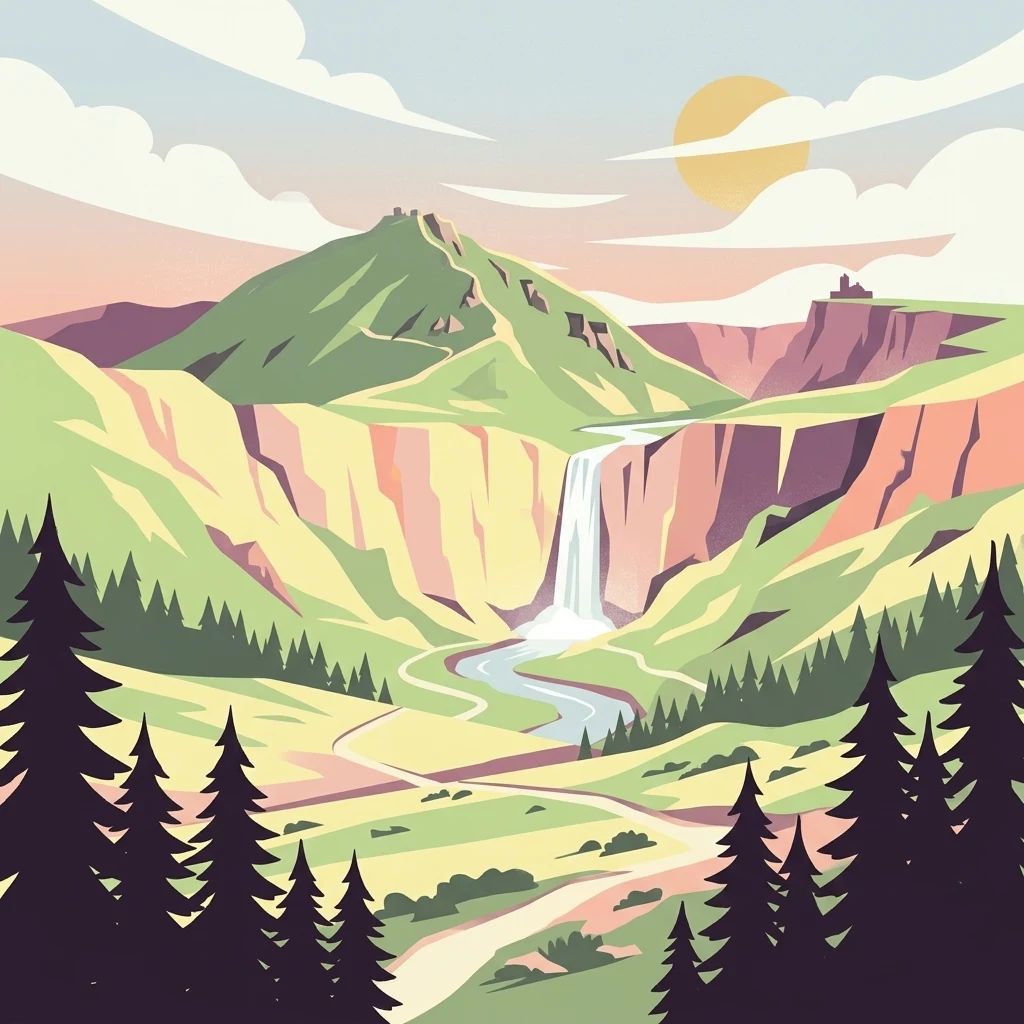
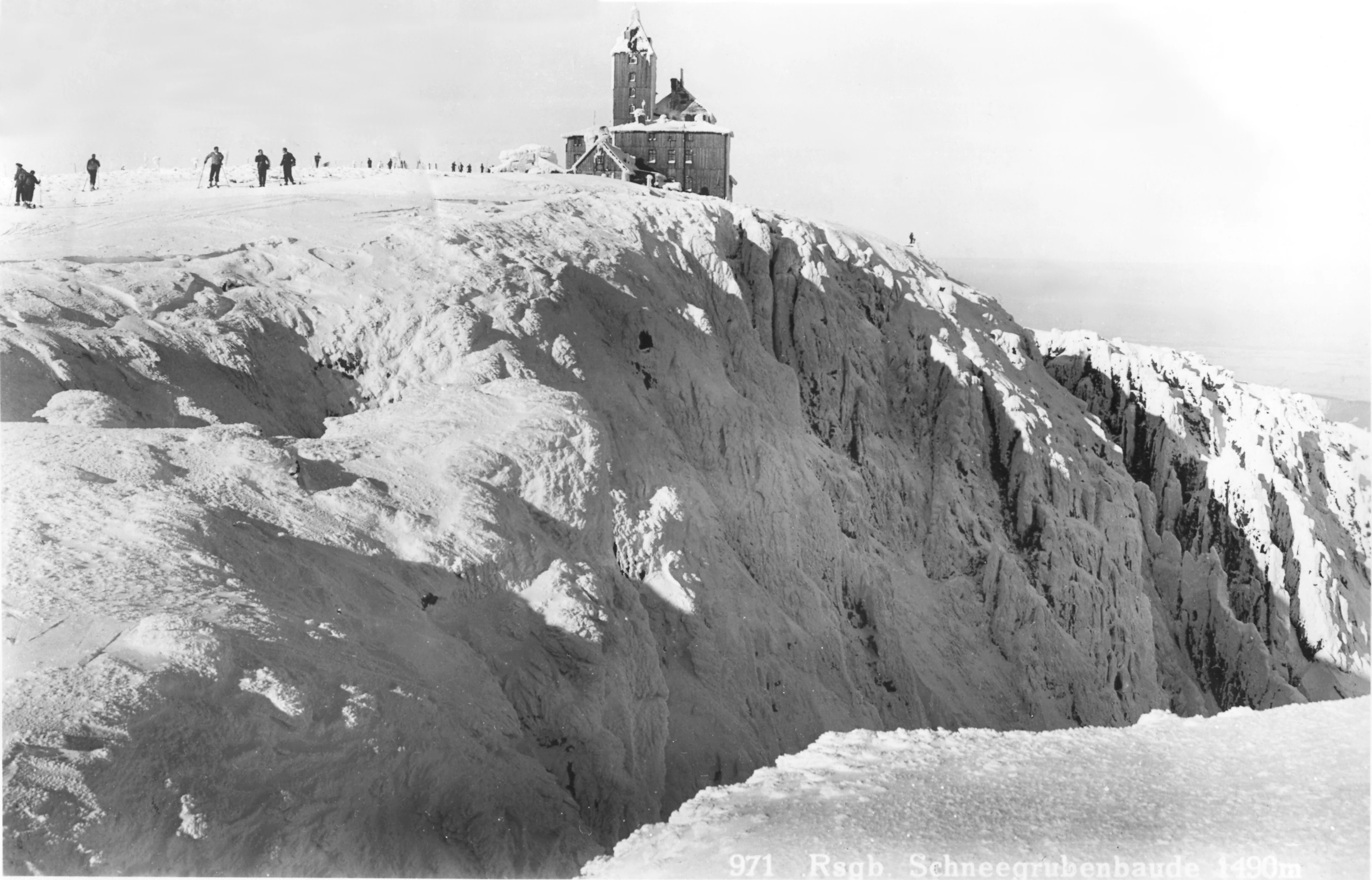
Glacial processes have left an indelible mark on the terrain. Cirques—steep, bowl-shaped depressions carved by glacial ice—dot the upper elevations, their rocky walls and intervening ridges creating the distinctive skyline that defines the Giant Mountains. Glacial valleys radiate outward from the highest peaks, while moraines mark the former extent of ice sheets. At the highest elevations, blockfields (stone seas) of angular boulders represent the frozen ground that persisted long after the glaciers retreated.
The terrain descends through well-defined vegetation zones from the forested lower slopes through the subalpine heathlands to the bare rock and alpine meadows of the summit zone. The park contains several notable waterfalls including Pančava, Elbe, and Mumlava, while the Obří důl valley and the ancient Dvorský les forest represent additional landscape highlights.
Krkonoše National Park ecosystems, habitats, and plant life
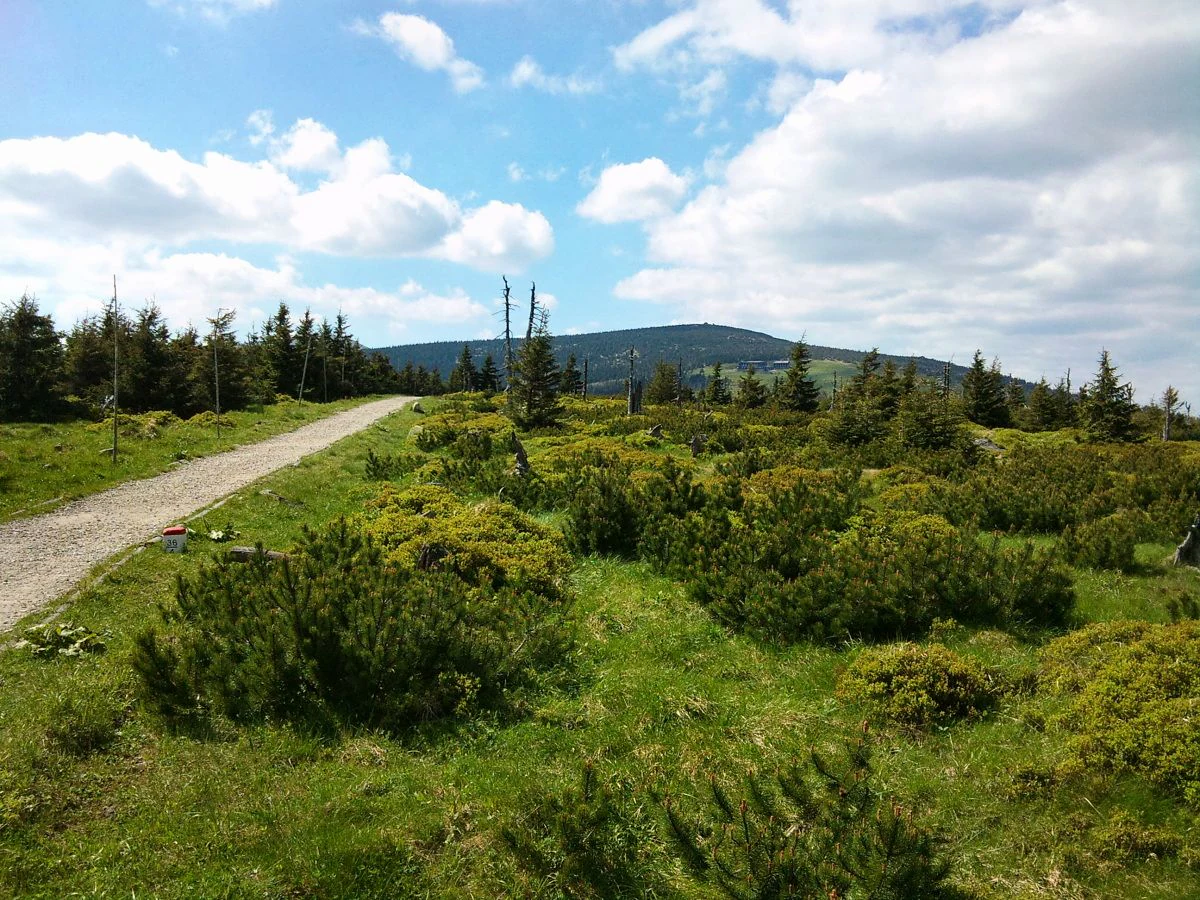
The ecological character of Krkonoše National Park is defined by its remarkable altitudinal zonation and the survival of species from the glacial period. The vegetation progresses through distinct stages as elevation increases: the submontane zone (400-800m) originally featured deciduous and mixed forests of beech, sycamore, rowan, and grey alder, though much has been replaced by spruce monocultures; the montane zone (800-1200m) is dominated by spruce forests; the subalpine zone (1200-1450m) contains the most valuable habitats including immortelle meadows, northern peat bogs, and low-growing heathlands; and the alpine zone (1450-1603m) hosts the richest plant diversity on steep rocky slopes and in glacial cirques.
The park supports approximately 1,200 species of vascular plants and about 300 vertebrate species, with many more spore plants including mosses, ferns, and lichens. Several species are endemic to these mountains, persisting nowhere else on Earth. The high-altitude flora includes numerous glacial relicts—plants that survived the ice ages in these mountain refugia and now represent fragments of the former tundra that covered much of Central Europe.
Krkonoše National Park wildlife and species highlights
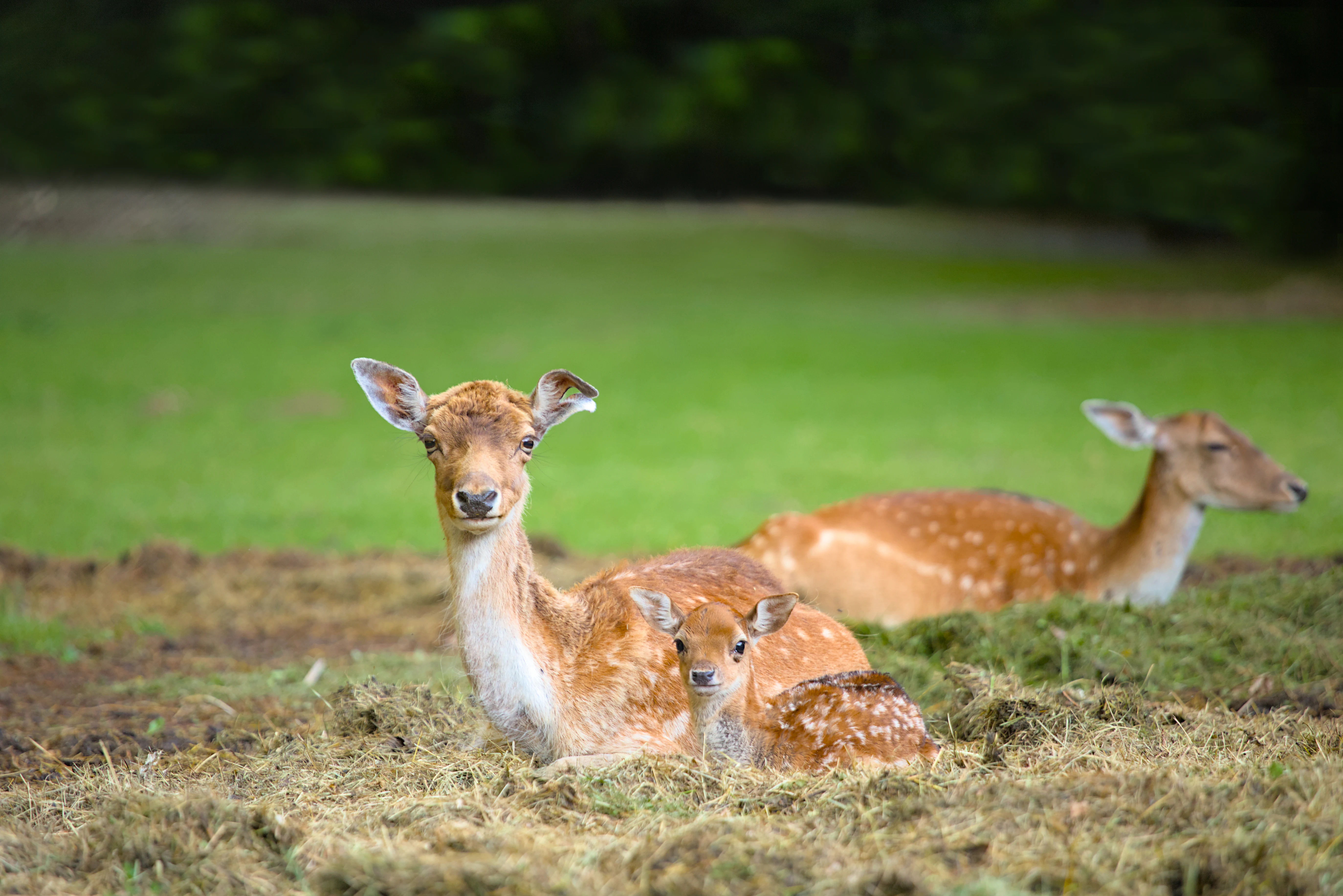
The fauna of Krkonoše reflects the diverse plant communities and the mountain's position as a biogeographical crossroads between Central European and Alpine species. At lower elevations, Euro-Siberian fauna dominates, while mountain species become increasingly prevalent at higher altitudes. Several invertebrate species are considered glacial relicts, including the ninespine stickleback, northern plait beetle, mountain mayfly, and specific ground beetles and dragonflies.
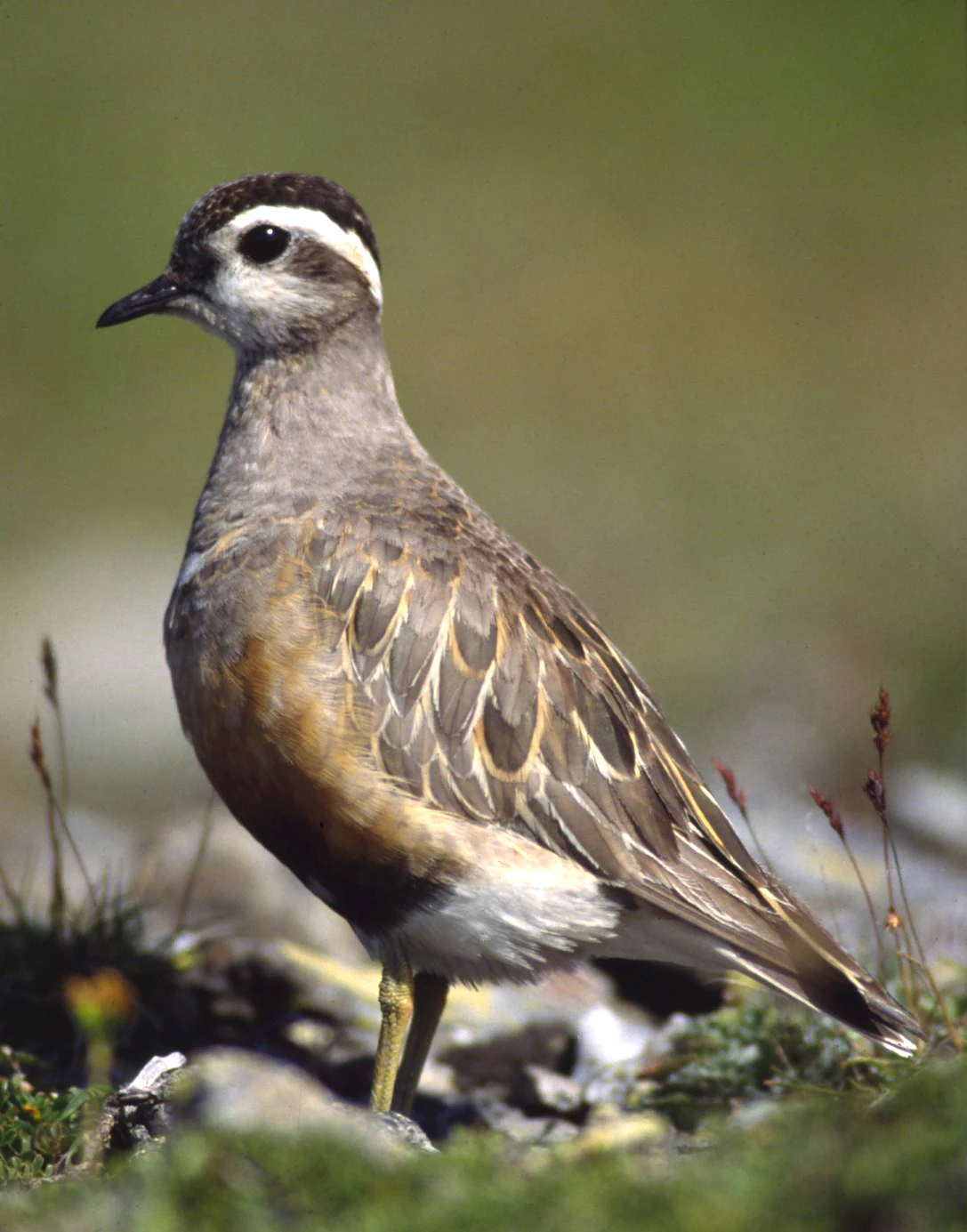
Notable bird species include the ring ouzel, a high-altitude thrush, the bluethroat associated with tundra-like habitats, the Eurasian dotterel nesting in alpine meadows, and the dipper adapted to fast-flowing mountain streams. The region hosts endemic species found nowhere else: the Krkonoše mayfly (Rhithrogena corcontica), a Sudeten variant of the yellow-banded carpet moth, and the Krkonoše spindle snail. These endemics underscore the evolutionary significance of this mountain range as a biodiversity refuge.
Krkonoše National Park conservation status and protection priorities
Krkonoše National Park holds significant conservation importance at multiple levels. The park's peat bogs have been designated as wetlands of international importance under the Ramsar Convention, acknowledging their global significance for biodiversity and water regulation. In 1992, the Czech and Polish protected areas were jointly inscribed into the UNESCO network of Biosphere Reserves, creating the Krkonoše/Karkonosze Transboundary Biosphere Reserve.
The park's IUCN classification as Category V (Protected Landscape) reflects its particular management context—a landscape shaped by centuries of human use that cannot meet the strict wilderness criteria of Category II national parks. Nevertheless, the park implements a zonation system with four care zones (natural, close to nature, concentrated nature care, and cultural landscape) covering different proportions of the territory. "Quiet areas" now regulate visitor movement across 22.2% of the park, restricting access to marked paths in sensitive zones. A 2025 restoration project aims to recover the European silver fir population, which has declined to less than 0.5% of forest composition from a historical level of approximately 15%.
Krkonoše National Park cultural meaning and human context
The Giant Mountains have been inhabited and used by humans for centuries, with traditional mountain settlements and pastoral practices shaping the cultural landscape. The border position of the range has influenced regional identity, and the mountains hold significance in Czech cultural heritage as the setting for folk traditions and regional identity. The management of the park recognizes a cultural landscape zone that acknowledges the historical human presence in these mountains, including traditional land uses that created and maintained the open meadow habitats that now harbor rare species.
Top sights and standout views in Krkonoše National Park
Krkonoše National Park protects the Czech Republic's highest and most ecologically significant mountain landscape. The park preserves exceptional glacial landforms including cirques, moraines, and blockfields, alongside endemic species and glacial relicts that survived the ice ages in these high-altitude refugia. The transboundary cooperation with Poland's Karkonosze National Park creates one of Central Europe's largest protected mountain ecosystems. Peat bogs of international importance, the source waters of the Elbe River, and the dramatic alpine environment make this park a cornerstone of Czech nature conservation.
Best time to visit Krkonoše National Park
The Krkonoše mountains experience distinct seasons that dramatically shape the visitor experience. Summer months offer the most accessible conditions for hiking through the various vegetation zones, with July and August providing the warmest temperatures at lower elevations. Winter transforms the landscape into a major skiing destination, though the alpine zone experiences extreme conditions with snow cover persisting for up to 180 days on the highest peaks. Spring and autumn bring fewer crowds and the opportunity to experience the changing moods of the mountains, though weather can be highly variable. Temperature inversions during winter and autumn can produce extended periods of fog and trapped cold air in the valleys while summits remain clear.