
Why Neusiedler See-Seewinkel National Park stands out
The national park is renowned as one of Europe's premier birdwatching destinations, hosting over 350 recorded species including 178 breeding species at their westernmost distribution limits. The park supports internationally significant populations of great bustard, pygmy cormorant, ferruginous duck, little crake, and European bee-eater. The steppe lake environment creates ideal conditions for rare vagrant species, with the park recording Austria's first observations of Pacific golden plover, semipalmated sandpiper, and blue-cheeked bee-eater. The blending of Alpine, Pannonian, Asian, Mediterranean, and northern European species within a single protected area makes this a unique ecological crossroads.
Neusiedler See-Seewinkel National Park history and protected-area timeline
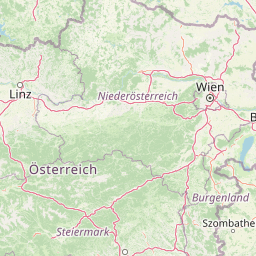
The Neusiedler See region has served as a ecological and cultural crossroads for millennia, positioned at the boundary between Alpine and steppe environments. For centuries, the area functioned as a buffer zone between the great powers of Europe, a geopolitical role reflected in its position at the eastern edge of the Alps and western edge of the Little Hungarian Plain. The Hanság marsh, once a significant natural component of the lake system, was drained over centuries for agricultural expansion, fundamentally altering the eastern portion of the wetland complex.
The national park's establishment in 1993 represented the culmination of decades of conservation advocacy and negotiation with the complex land ownership structure that characterizes the region. Unlike other Austrian national parks that are state-owned, Neusiedler See-Seewinkel is held in private ownership by approximately 1,200 individual landowners, predominantly local farmers who receive annual compensation for maintaining their parcels according to conservation management requirements. This innovative ownership model has proven essential for maintaining the park's ecological integrity while respecting property rights and traditional land use practices.
The park's international recognition followed rapidly, with IUCN Category II designation achieved in 1994—making it Austria's first formally recognized national park under international standards. The 2001 UNESCO World Heritage inscription recognized the outstanding universal value of the cultural landscape, acknowledging the symbiotic relationship between natural systems and the traditional pastoral practices that have shaped the environment over generations.
Neusiedler See-Seewinkel National Park landscape and geographic character
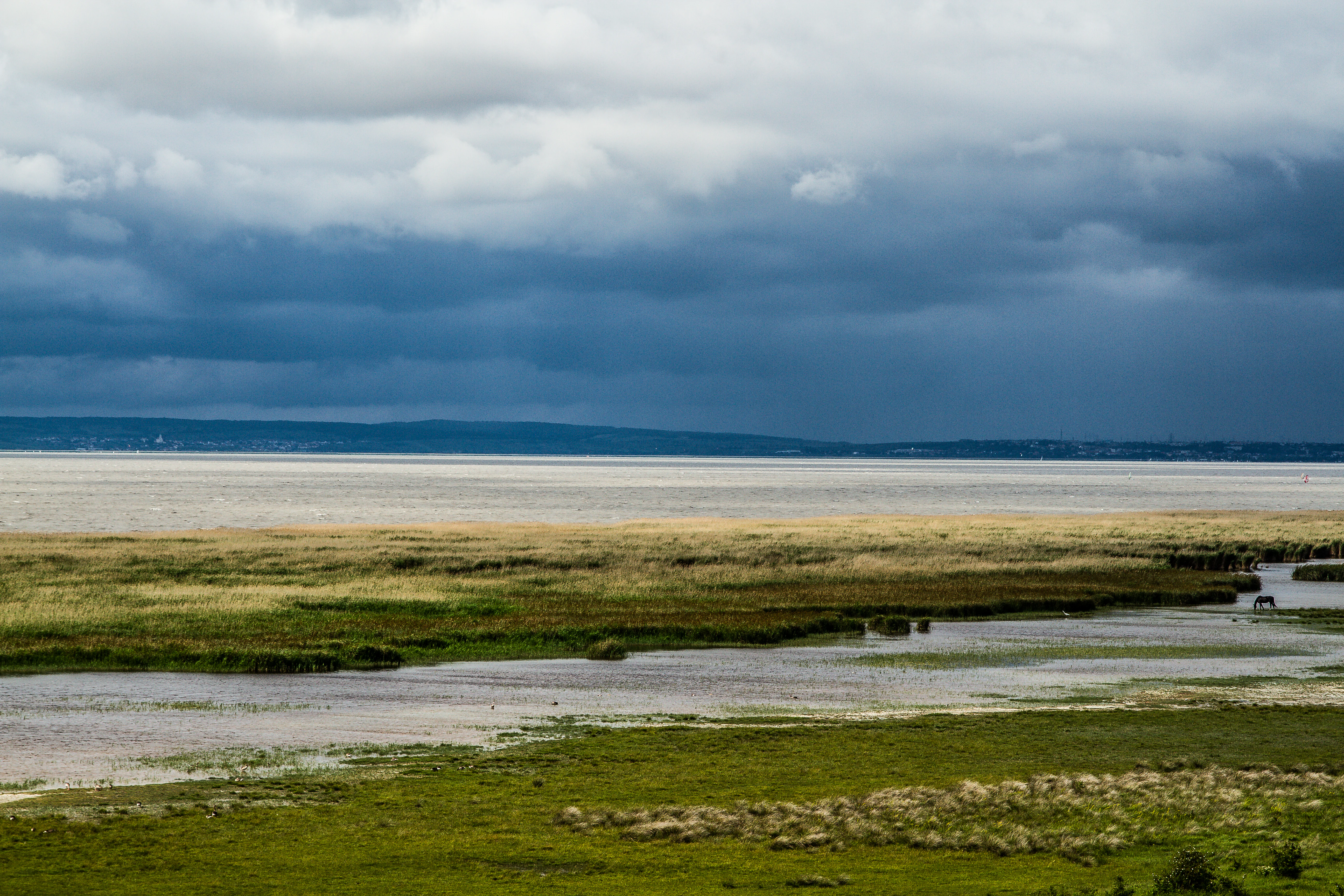
The physical landscape of Neusiedler See-Seewinkel is defined by the interplay between the shallow, reed-fringed Lake Neusiedl and the surrounding steppe grasslands and wetlands. The lake itself covers approximately 315 square kilometers overall, though only the Austrian portion falls within the national park boundaries. With an average depth of just one meter, the lake is highly vulnerable to seasonal water level fluctuations and wind-driven sediment dynamics. The extensive reed belts that fringe the lake's margins represent one of the largest continuous reed marsh systems in Europe, creating a distinctive visual character and providing critical ecological functions.
Beyond the lake margins, the park encompasses a varied terrain of low-lying grasslands, seasonal ephemeral pools, and areas of saline soil that support specialized vegetation communities. The Hanság, a former extensive mire system that was historically connected to the lake, occupies the eastern portion of the park, though much of this area was drained prior to the park's establishment. The Leitha Mountains to the west provide a subtle topographic contrast, their lower slopes meeting the lake plain in a gradual transition. The Parndorf Plain in the north completes the environmental framework, creating a landscape of remarkable internal diversity despite its generally flat character.
Neusiedler See-Seewinkel National Park ecosystems, habitats, and plant life
The ecological significance of Neusiedler See-Seewinkel stems from its position at the confluence of multiple biogeographic regions, creating a unique blend of species from Alpine, Pannonian, Asian, Mediterranean, and northern European origins. This biogeographic crossroads results in an extraordinary concentration of species diversity within a relatively limited area. The wetland complex supports complex food webs and provides critical breeding, feeding, and migratory habitat for hundreds of bird species.
The vegetation communities reflect the complex environmental conditions, with reed beds dominating the lake margins, while transitional grasslands, salt marshes, and sand steppes occur in the drier portions of the park. The seasonal wetting and drying cycles create dynamic habitat conditions that support specialized plant species adapted to fluctuating water tables and high soil salinity. Notable plant species include Suaeda pannonica and Lepidium cartilagineum, two species with Pannonian distribution patterns that reach their western limits here, as well as both blue iris and Siberian iris, which add seasonal color to the wetland margins.
Neusiedler See-Seewinkel National Park wildlife and species highlights
The avifauna of Neusiedler See-Seewinkel represents the park's most internationally significant natural value, with over 350 bird species recorded and 178 species confirmed as breeding within the protected area. Many of these breeding species reach their westernmost population limits within the park, making it a critical conservation site for species whose distributions are centered further east. The great bustard, one of Europe's heaviest flying birds, breeds in the grasslands surrounding the lake, while the pygmy cormorant—a rare breeding species in central Europe—maintains a significant population in the reed beds.
The park's position along the Central European Flyway makes it a critical stopover site for migratory waterbirds, while its diverse habitats attract vagrant species from distant corners of the globe. Rare sightings have included the Pacific golden plover, semipalmated sandpiper, and blue-cheeked bee-eater—all representing first records for Austria. The wetlands support important populations of ferruginous duck and little crake, while the surrounding grasslands provide habitat for the European bee-eater and Syrian woodpecker. This exceptional birdlife makes the park a premier destination for ornithologists and birdwatchers throughout Europe.
Neusiedler See-Seewinkel National Park conservation status and protection priorities
Neusiedler See-Seewinkel holds significant conservation importance at multiple scales, from national priorities to international commitments. The park's designation as Austria's first IUCN Category II protected area established a benchmark for national park management in the country, while its UNESCO World Heritage inscription acknowledges outstanding universal value that transcends national boundaries. The steppe lake ecosystem represents one of the last remaining examples of this habitat type in central Europe, making its preservation critical for regional biodiversity.
The park's unique ownership structure presents both challenges and opportunities for conservation. The arrangement with private landowners, who receive compensation for maintaining their properties according to conservation management plans, has proven effective for balancing ecological objectives with property rights and traditional land use practices. This model recognizes that the park's cultural landscape values are inseparable from the agricultural activities that have shaped the environment over centuries, requiring ongoing investment in the relationship between conservation management and the farming community.
Neusiedler See-Seewinkel National Park cultural meaning and human context
The Neusiedler See region has been shaped by centuries of human interaction with its distinctive environmental conditions. The shallow lake and surrounding wetlands created challenges and opportunities that local communities adapted to through traditional land use practices, particularly pastoral farming and reed harvesting. This long relationship between human communities and the wetland environment resulted in the cultural landscape that led to UNESCO World Heritage designation.
The region's position at the crossroads of European cultural zones is reflected in the local communities, architecture, and traditions that characterize the surrounding area. The town of Illmitz serves as the park's primary access point and houses the visitor information centre, providing interpretation of both natural and cultural values. The traditional practice of maintaining grazing meadows within the park boundaries continues to play a role in habitat management, with the annual compensation to landowners supporting both conservation objectives and the economic viability of small-scale farming operations.
Top sights and standout views in Neusiedler See-Seewinkel National Park
Neusiedler See-Seewinkel stands as a unique conservation achievement in central Europe, protecting the westernmost steppe lake of the Eurasian Steppe within a national park framework that accommodates extensive private land ownership. The park's exceptional bird diversity—with over 350 species recorded and internationally significant populations of great bustard, pygmy cormorant, and ferruginous duck—makes it a landmark destination for ornithological tourism. The blending of species from Alpine, Pannonian, Asian, Mediterranean, and northern European origins within a single protected area creates an ecological crossroads of remarkable significance. The dual recognition as Austria's first IUCN-designated national park and a UNESCO World Heritage Site acknowledges both the natural exceptionalism and cultural landscape values of this distinctive environment.
Best time to visit Neusiedler See-Seewinkel National Park
The park offers distinct seasonal characteristics that influence the visitor experience throughout the year. Spring and early summer bring the peak breeding activity for many bird species, with the reed beds and wetlands alive with vocal activity as species establish territories and raise young. This period offers excellent opportunities for observing breeding waterbirds, including the spectacular colonies of herons and cormorants. Autumn migration brings large numbers of waterfowl moving through the lake basin, creating opportunities to observe significant concentrations of migratory birds. The winter months offer a different character, with the bare landscape allowing easier observation of species that remain year-round, though many bird populations are more dispersed across the region.