
Why Őrség National Park stands out
Őrség National Park is renowned for its exceptional peat bogs, particularly the Szőce tőzegmohás láp, which preserves rare species from the last Ice Age and contains ten rare moss species. The ancient forest at Szalafő, untouched since 1950, serves as a living laboratory for natural forest succession studies. The park also protects the Western Capercaillie (Tetrao urogallus) as its emblematic species. The landscape is distinguished by its subalpine character despite relatively modest elevation, with beech forests, coniferous woodlands, and alpine flora elements typically found at much higher latitudes. The region also preserves the historic 'őrispánság' territorial system and traditional rural architecture.
Őrség National Park history and protected-area timeline
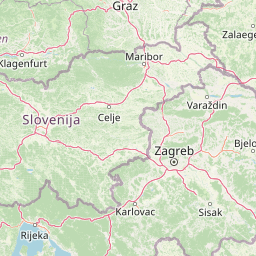
Őrség National Park was established on March 1, 2002, becoming Hungary's tenth national park. The designation followed the earlier creation of the Őrségi Tájvédelmi Körzet (Őrség Landscape Protection Area), which provided initial conservation status to the region. The park's establishment was not without controversy—professional and civil environmental organizations protested the initial designation, and in 2007, the park was dissolved and merged with the Fertő-Hanság National Park for cost-efficiency reasons. This administrative consolidation proved short-lived, and since April 1, 2008, Őrség National Park has operated as an independent protected area. The park's administrative center is located in Őriszentpéter, from which management, visitor services, and conservation programs are coordinated.
Őrség National Park landscape and geographic character
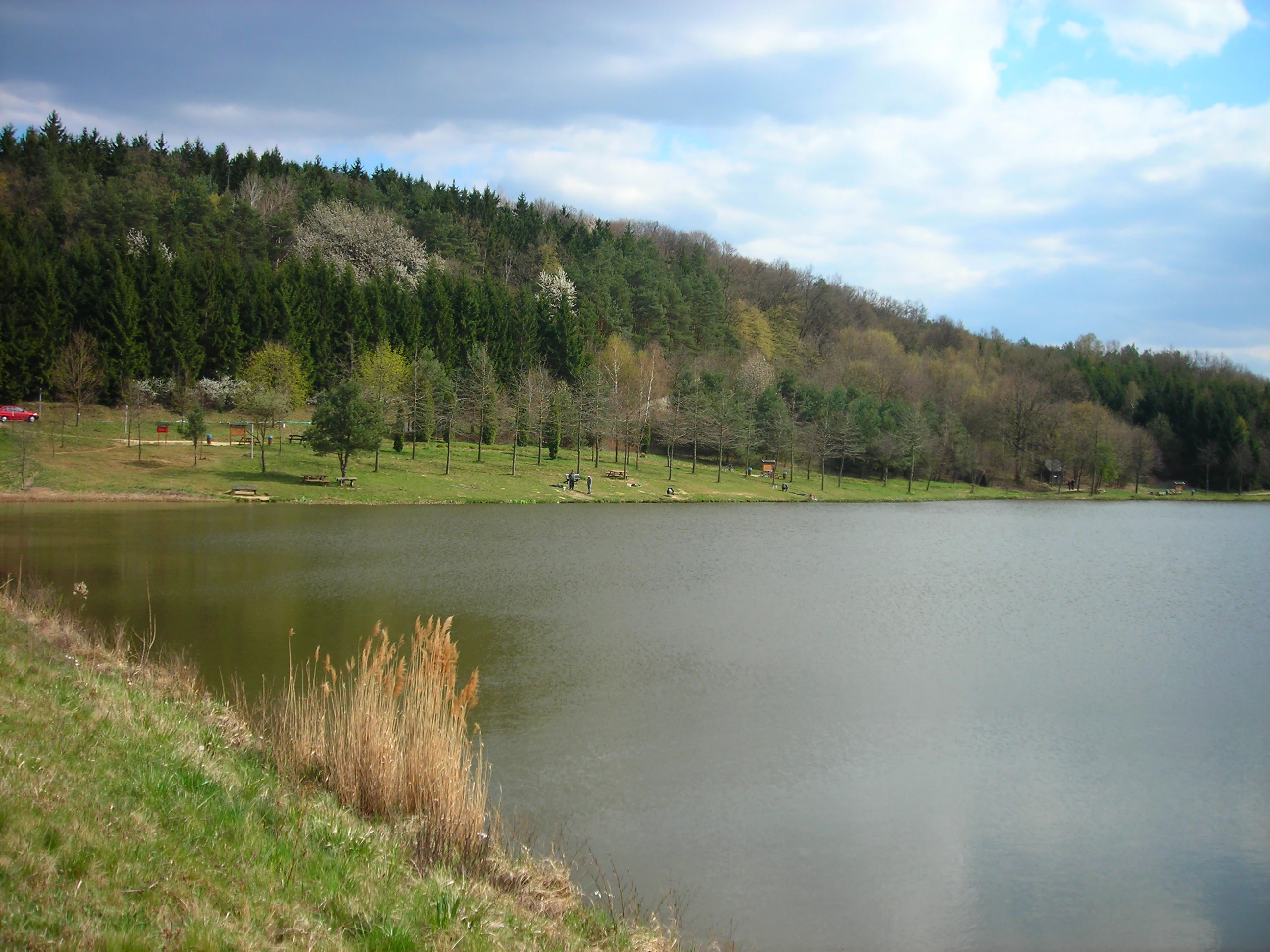
The Őrség landscape consists of rolling hills and valleys carved by ancient river systems. The area was once covered by the paleo-Rába river, whose gravel deposits now form the underlying geology of the region. The terrain is punctuated by approximately 200 springs that feed 15 distinct streams, creating a well-watered environment with significant wetland areas. The principal watercourse is the Rába River, while the Zala River originates north of Szalafő and bisects the Őrség centrally, and the Kerka represents the third major water system. Several artificial lakes have been created through stream damming for both ecological and tourism purposes. The Kőszegi Mountains form the northern boundary of the park, while the volcanic Ság hegy (Ság mountain) represents an unusual geological feature—a basalt-capped remnant of volcanic activity five million years ago, though extensive quarrying has altered its original profile. The landscape maintains a human-influenced character through centuries of small-scale farming that created the distinctive mosaic of fields, meadows, forests, and settlement edges that defines the region.
Őrség National Park ecosystems, habitats, and plant life
The ecological character of Őrség National Park is defined by its position at the intersection of Alpine and Pannonian biogeographic provinces, creating a subalpine environment at relatively modest elevations. The proximity to the Alps allows mountain species to extend into Hungary here at their easternmost limits. Beech forests (bükkösök) and coniferous plantations dominate the woodland, with spruce and pine in higher areas. The vegetation includes numerous alpine and subalpine species such as the rare Daphne cneorum (trailing rose), Gentiana cruciata (cross gentian), and Lilium bulbiferum (orange lily). The most significant ecological treasure is the Szőce peat bog, a remnant from the Würm glacial period containing ten rare peat moss species (Sphagnum), including one found only here in Hungary. Between Szalafő and Farkasfa, the 'primeval forest' has been left untouched since 1950, allowing natural forest dynamics to proceed without human intervention—a rare conservation reference site. The park also protects the Szentgyörgyvölgyi szálaló erdő, a selectively logged forest where traditional 'szálaló' management preserved near-natural old-growth characteristics through careful removal of only mature trees.
Őrség National Park wildlife and species highlights
The wildlife of Őrség National Park reflects the region's ecological diversity and conservation value. Approximately 1,500 butterfly species have been recorded in the park, representing exceptional Lepidoptera diversity. The Kerka valley supports rich populations of dragonflies and mayflies, indicating good water quality and habitat complexity. The Western Capercaillie (Tetrao urogallus), known in Hungarian as 'siketfajd,' serves as the park's emblematic species—a large grouse of boreal and montane forests that reaches the southern edge of its range here. The park has undertaken species recovery programs, including efforts to preserve the Muraközi horse, a traditional Hungarian breed, and notably launched a European bison reintroduction project in 2019 at the Hegy-völgy area near Kondorfa, where a 70-hectare electric-fenced enclosure was established to support the gradual rewilding of this flagship species. Rare breeding birds include the crossbill (Loxia curvirostra), bullfinch (Pyrrhula pyrrhula), corncrake (Crex crex), and black stork (Ciconia nigra). Amphibians such as the alpine newt (Triturus alpestris) and yellow-bellied toad (Bombina variegata) inhabit the wetland areas.
Őrség National Park conservation status and protection priorities
Őrség National Park holds significant conservation value as Hungary's westernmost protected area and a key component of the European Natura 2000 network. The park's strict protection zone covers 3,104 hectares of the most sensitive habitats, including the remarkable peat bogs and old-growth forest remnants. The Szőce peat bog represents one of Hungary's most important wetland conservation sites, preserving relict species from the last glacial period. The park's participation in Natura 2000 ensures coordination with Austrian conservation efforts across the border, recognizing the transboundary character of the Őrség landscape. Notable conservation initiatives include the European bison reintroduction program initiated in 2019, representing Hungary's effort to restore a keystone species to the Carpathian ecosystem. The park also manages the recovery of traditional Hungarian livestock breeds and maintains research plots like the Szalafő ancient forest, where natural succession processes are studied without interference.
Őrség National Park cultural meaning and human context
The Őrség region possesses deep historical roots as a frontier territory of the Carpathian Basin. The name 'Őrség' directly references its historic function—'watch post' or 'guard post'—established by the Magyars to monitor the western approaches to their new homeland in the late 9th and early 10th centuries. The medieval administrative unit known as the 'őrispánság' governed this frontier zone, comprising 18 villages organized for border defense. This territorial identity persisted through centuries, and the current park boundaries encompass the expanded region of 33 settlements. Traditional rural land use practices shaped the landscape through small-scale farming that maintained ecological diversity—rotation grazing, selective forest management, and mosaic farmland created the conditions for high biodiversity. The Vendvidék area within the park preserves Slovene ethnic heritage, with cultural traditions distinct from the broader Hungarian context. Village architecture features traditional farmsteads and churches that reflect the region's cultural layers. The park's educational trails, particularly at Pityerszer, interpret this cultural heritage alongside natural values.
Top sights and standout views in Őrség National Park
The Szőce peat bog represents the crown jewel of Őrség's conservation values—a rare boreal relict containing species found nowhere else in Hungary. The Szalafő ancient forest, uncut since 1950, provides a unique window into natural forest dynamics. The 2019 reintroduction of European bison marks a significant milestone in Central European rewilding efforts. The network of over a dozen educational trails, including the Ság hegy geological path and the wetland-focused Lápok Háza at Szőce, offers accessible interpretation of both natural and cultural values. The transboundary continuity with Austrian Burgenland creates one of Central Europe's more extensive cross-border conservation areas.
Best time to visit Őrség National Park
The subalpine climate makes Őrség suitable for visits throughout the growing season, with late spring through early autumn offering the best conditions for wildlife observation and trail exploration. May and June bring peak wildflower displays in meadows and forests, while the peat bogs are particularly vibrant in early summer. Autumn offers forest color and mushroom season, though the region sees less visitor traffic than during peak summer months. The wet climate means conditions can be variable—prepared footwear and weather-appropriate clothing are advisable year-round. Winter visits allow for different landscape character, though some trails may have limited accessibility.