Why Danube-Auen National Park stands out
Danube-Auen National Park is most distinguished by its status as one of the last large-scale, relatively intact floodplain ecosystems in Middle Europe. The park protects critical riparian woodland habitats that have largely disappeared from the Danube corridor due to centuries of river engineering and development. The wetlands are home to several endangered species including the Danube crested newt, European pond turtle, and white-tailed eagle. The park also contains remarkable biodiversity hotspots in the Lobau area, where unique microclimates support rare orchids and other specialized plant communities. The park's creation story is equally notable, emerging from the landmark Hainburg Movement of 1984 when thousands of Austrians occupied the wetlands to prevent dam construction.
Danube-Auen National Park history and protected-area timeline
The establishment of Danube-Auen National Park represents one of Austria's most significant environmental conservation victories. Until the 19th century, the Danube remained an untamed river with extensive floodplain dynamics. Beginning in that century, extensive river engineering dramatically altered the natural balance, with many side channels dammed so they now carry water only during flood stages. The construction of hydroelectric power plants in the 1950s created an almost unbroken chain of dams along the Austrian Danube. In 1984, plans for the Hainburg hydroelectric power plant threatened to destroy one of the two remaining free-flowing sections of the Danube in Austria. Environmental groups organized nationwide protests, leading to the occupation of the Hainburg wetlands by thousands of citizens from all ages and professions—the so-called "Hainburg Movement." After police attempts to clear the protestors, the Federal Government declared a pause in December 1984, and in January 1985 the Austrian Supreme Court forbade further deforestation. The Konrad Lorenz-Volksbegehren petition, signed by 353,906 people in March 1985, demanded the prohibition of large power plants and the establishment of a national park. In July 1986, the Administrative Court cancelled the water rights for the planned power plant. Scientific studies followed, revealing more fish species than previously known. On October 27, 1996, a state treaty between the Republic of Austria and the federal states of Vienna and Lower Austria was signed, officially establishing the national park. In October 2016, the park was expanded by 277 hectares to commemorate its 20th anniversary.
Danube-Auen National Park landscape and geographic character
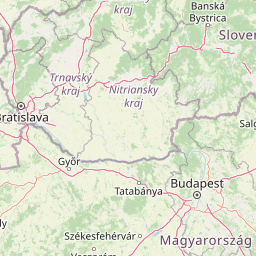
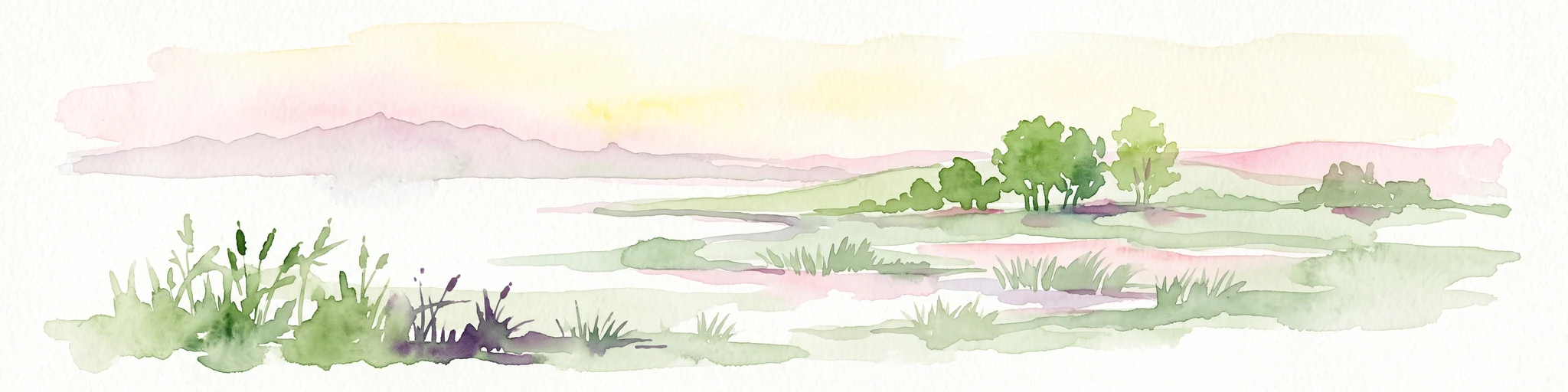
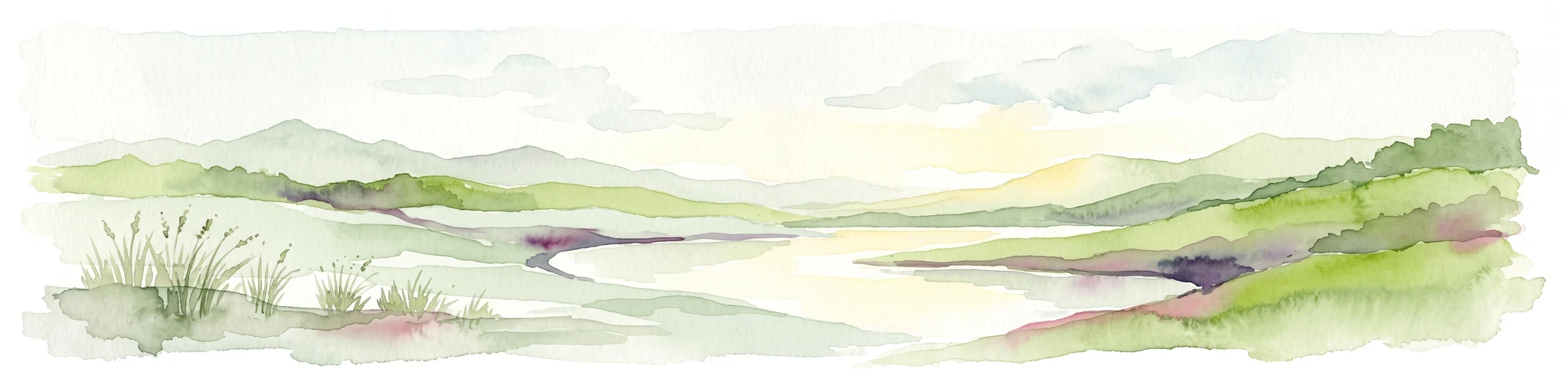
The Danube-Auen landscape is defined by the dynamic interplay between the river and its floodplain. The terrain consists primarily of low-lying riparian zones that historically experienced regular flooding, creating a complex mosaic of wetlands, forests, and open channels. The park includes the main Danube channel as well as numerous side channels, oxbow lakes, and relic channels that once carried river flow during different hydrological periods. The floodplain is flanked by levees constructed around 1900, which separated the main channel from many of its historical side channels. The landscape features characteristic Au forests—riparian woodlands dominated by willows, poplars, and alders that thrive in the periodically flooded terrain. Wet meadows and marshy areas alternate with higher ground supporting drier forest types. The park's maximum width is less than four kilometers, but it extends 38 kilometers along the river corridor. The Lobau area within Vienna contains particularly unique microclimate zones known as "Heißlände"—dry, warm grassland pockets that support rare thermophilic plant species including several orchid varieties.
Danube-Auen National Park ecosystems, habitats, and plant life
The ecological character of Danube-Auen National Park centers on its riparian forest ecosystems, which represent some of the most biodiverse habitats in Central Europe. The park protects over 700 species of higher plants, ranging from characteristic riparian trees and shrubs to specialized floodplain meadow species. The Au forest communities consist of willow-poplar forests in regularly flooded zones, transitioning to oak-ash-elm forests on higher ground that is less frequently inundated. The wetlands support extensive reed beds and marsh vegetation, while the unique dry microclimates in the Lobau area harbor specialized xerothermic plant communities including rare orchids. The park's position along the Danube migration corridor makes it crucial for migratory birds, while the diversity of habitats supports an extraordinary array of invertebrate species. The river's hydrological dynamics—including seasonal flooding and the connection between main channel and side channels—maintains the ecological processes that sustain this riparian ecosystem. Restoration projects since 2002 have worked to reconnect side channels with the main Danube, allowing natural flooding dynamics to return to portions of the floodplain.
Danube-Auen National Park wildlife and species highlights
Danube-Auen National Park supports remarkable biodiversity, with the park hosting more than 30 mammal species, 100 breeding bird species, 8 reptile species, 13 amphibian species, and approximately 50 fish species. The total species count, including insects and other invertebrates, is estimated at over 5,000. Among the most characteristic wildlife species, the Eurasian beaver has recolonized the park and now maintains active populations throughout the floodplain, with lodges visible along the waterways. The white-tailed eagle, Europe's largest bird of prey, hunts over the wetlands and nests in the riparian forests. The Danube crested newt, a distinctive subspecies adapted to the park's wetland habitats, represents one of the most significant amphibian populations in the region. The European pond turtle, though rare, persists in the slower side channels and oxbow lakes. The Eurasian kingfisher can be observed hunting along the waterways, while the European mudminnow occupies the shallower side channels and marsh areas. The diversity of insects, particularly those associated with dead wood and aquatic habitats, contributes substantially to the overall biodiversity and ecological functioning of the floodplain ecosystem.
Danube-Auen National Park conservation status and protection priorities
Danube-Auen National Park represents a crucial conservation stronghold for Middle Europe's riparian ecosystems. The protected area preserves what remains of the historical Danube floodplain—a landscape that has been largely eliminated from the river corridor through centuries of engineering, channelization, and development. As one of the two last free-flowing sections of the Danube in Austria, the park maintains ecological processes essential for aquatic and riparian biodiversity. The park's designation as an IUCN Category II protected area and its Ramsar site status since 1983 reflect its international conservation significance. Conservation work within the park includes habitat management, species protection programs, and particularly the restoration of natural river dynamics. The LIFE+ program has supported major restoration projects that reconnect side channels with the main river, allowing flooding dynamics to regenerate floodplain habitats. Plans call for the removal of 50% of the levees between Vienna and the eastern border, restoring natural hydrological processes across much of the remaining floodplain.
Danube-Auen National Park cultural meaning and human context
The Danube-Auen landscape has been shaped by human interaction for millennia, with the floodplain providing resources and settlement opportunities throughout history. The area contains archaeological evidence of human presence, and the communities along the river have traditional connections to the Au lands. The park encompasses several historic settlements and castles, most notably Schloss Orth, which serves as the visitor center and dates to the medieval period. The Hainburg Movement that led to the park's creation represents a significant chapter in Austrian environmental consciousness and remains an important cultural reference point for conservation in the country. The park also lies near the Roman settlement of Carnuntum, one of the most important archaeological sites in Austria, though this falls just outside the protected area. The traditional land use practices, including floodplain forestry and meadow management, have influenced the current landscape, and the park management continues to consider the cultural heritage of the region.
Top sights and standout views in Danube-Auen National Park
Danube-Auen National Park stands as a testament to successful grassroots environmental activism in Europe, having been established after the landmark 1984 Hainburg protests that saw thousands occupy the wetlands. The park protects one of the last large-scale riparian ecosystems in Middle Europe, with its floodplain forests, wetlands, and river channels representing habitats that have largely disappeared from the Danube corridor. The wildlife highlights include reintroduced beaver populations, nesting white-tailed eagles, and the rare Danube crested newt. The park's visitor facilities at Schloss Orth offer underwater viewing stations, guided ranger tours, and boat excursions in traditional wooden boats. The Lobau area contains unique microclimates supporting endangered orchids and other thermophilic species. The ongoing river restoration projects aim to return natural flooding dynamics to significant portions of the floodplain, setting a model for large-scale ecological restoration in Europe.
Best time to visit Danube-Auen National Park
The Danube-Auen National Park offers distinct experiences across seasons, with each time of year revealing different aspects of the floodplain ecosystem. Spring brings the characteristic flood pulses as snowmelt and rainfall raise Danube levels, creating spectacular water landscapes with channels and wetlands merging into expansive flooded areas—a dramatic demonstration of the dynamic river system the park protects. This is an excellent time for observing waterfowl and migratory birds returning to the region. Summer offers warm conditions ideal for exploring the forest trails and observing beavers active during longer daylight hours, though mosquito populations can be significant in wetland areas. Autumn provides a colorful display as the Au forests turn gold and amber, with fewer visitors making it a peaceful time for exploration. Winter, while quieter, offers opportunities to observe wildlife patterns as the floodplain empties and animal tracks become visible in the snow. The visitor center at Schloss Orth operates year-round and provides orientation for exploring the park regardless of season.