Why Mętne Nature Reserve stands out
Mętne is best known for its preserved peatland complexes, especially raised and transitional bogs, and for the old, overgrown Lake Mętno embedded within them. The presence of dwarf birch, a species under strict protection in Poland, together with a suite of bog-adapted plants and invertebrates, gives the reserve a clear peatland-identity. The dragonfly species known as the small spreadwing is another distinguishing feature, recognized as highly threatened in Poland and protected within the reserve's boundaries. The combined hydrological and botanical character makes Mętne a representative example of lowland peatland conservation in the Tuchola Forest region.
Mętne Nature Reserve history and protected-area timeline
Mętne Nature Reserve was established in 1963 by a relevant legal act of that year, initially covering a smaller area than it does today. At the time of its creation, the reserve was designated to protect peatland features that had already been identified as scientifically and ecologically important within the Bory Tucholskie forest.
In 2006, the reserve was expanded, increasing its footprint roughly twofold. This enlargement reflected improved understanding of the peatland system and a desire to better secure the hydrological and ecological integrity of the site's bog and forest habitats. A formal protection plan followed in 2007, introducing active conservation management to the reserve.
The reserve's history is also marked by its increasing integration into wider European conservation frameworks. Its inclusion in Natura 2000 designations, both for habitats and for birds, marks a transition from a primarily national-level protection effort to participation in continent-wide biodiversity conservation, particularly for peatland and forest species of the Tuchola Forest.
Mętne Nature Reserve landscape and geographic character
The landscape of Mętne Nature Reserve is defined by peatland topography rather than by mountains, rivers, or dramatic relief. The terrain is relatively flat, with subtle undulations created by the accumulation of peat over thousands of years. Walking through the reserve, the ground is soft, spongy in places, and saturated with water, with mosses and low vegetation forming a continuous, often brightly colored mat.
A central visual landmark is the overgrown Lake Mętno. What was once a clearer forest lake has become a shallow, partially vegetated peat basin, surrounded by encroaching bog communities rather than open water. This shifting lake-to-mire transition is one of the defining landscape processes visible at the reserve.
Around the bog, the Bory Tucholskie forest frames the scene. Pine-dominated stands with bog understory form the wider visual context, and the boundary between open peatland and closed-canopy forest is often a gradual mosaic of shrubs and scattered trees. The overall impression is of a quiet, water-dominated, and somewhat open forest landscape, shaped by slow peat-building processes rather than fast geological change.
Mętne Nature Reserve ecosystems, habitats, and plant life
Mętne is fundamentally a habitat reserve, with its ecological value rooted in peatland communities. The reserve protects active raised bogs, where peat continues to accumulate under cool, waterlogged conditions, and transitional mires, which sit between true raised bogs and more mineral-influenced wetlands. Together, these habitats form a relatively complete example of lowland peatland succession.
Vegetation is dominated by Sphagnum mosses, low sedges, and characteristic bog shrubs. Dwarf birch is a notable woody component, forming patches of low, multi-stemmed growth that thrive in the acidic, nutrient-poor conditions. Other typical bog plants include round-leaved sundew and bog rosemary, both classic indicators of intact peatland systems. Forest communities surrounding the open peatland contribute additional habitat complexity.
The reserve's nature value is also tied to its hydrology. Stable water levels are essential for maintaining peat-forming processes, and this dependence on hydrological conditions shapes both the vegetation and the management priorities of the site. The interplay of vegetation and water is what defines Mętne as a peatland ecosystem rather than simply as a wet forest.
Mętne Nature Reserve wildlife and species highlights
Wildlife at Mętne is closely tied to the peatland habitats the reserve protects. Dragonflies are a particular highlight, with the small spreadwing recorded as a protected and strongly nationally threatened species in Poland that finds breeding conditions in the boggy margins of the reserve. Other invertebrates characteristic of bog pools and peatland streams likely contribute to the food web that supports larger animals.
Amphibians and reptiles are represented by species typical of wet, sheltered habitats. The common European adder, the grass snake, and the slow worm all occur in the reserve, taking advantage of the warm, open peatland edges and the abundant invertebrate prey. These species add to the biological richness of a reserve whose wildlife presence can be easy to overlook from a distance.
Birds are an important component as well, with the common crane noted as a characteristic species of the wider wetland mosaic. The reserve's position within a designated bird Natura 2000 area reflects its role as part of a larger network of habitat for forest and wetland birdlife in the Tuchola Forest, rather than as a stand-alone bird sanctuary.
Mętne Nature Reserve conservation status and protection priorities
Mętne is significant from a conservation perspective because it protects active peatland, a habitat type that is both ecologically valuable and vulnerable to disturbance. Raised bogs and transitional mires in lowland Europe have been widely lost or degraded through drainage, peat extraction, and land-use change, and surviving intact examples like Mętne carry disproportionate importance for regional biodiversity.
The reserve's conservation profile is layered. Beyond its national designation as a nature reserve, it is part of the Chojnicko-Tucholski Protected Landscape Area, which provides broader buffering against incompatible land use, and it lies within two Natura 2000 sites. The habitat-focused Natura 2000 site directly reflects the European importance of the reserve's bog communities, while the bird-focused site connects it to the wider ornithological value of the surrounding forest.
Since 2007, the reserve has been managed under a formal protection plan that provides for active conservation, indicating that maintaining the peatland's hydrology and vegetation requires ongoing intervention rather than passive protection alone. Active management in peatland reserves typically focuses on controlling encroachment, maintaining open bog surfaces, and safeguarding water supplies that sustain peat formation.
Mętne Nature Reserve cultural meaning and human context
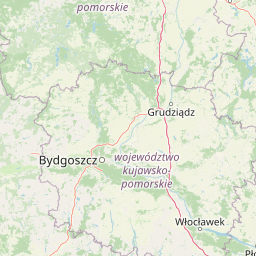
The Mętne reserve is embedded in a sparsely populated, forest-dominated landscape shaped by long-standing rural traditions rather than urban centers. Nearby small villages such as Ostrowy, Małe Wędoły, and Duże Wędoły sit at the forest edge, while the larger town of Rytel is the closest notable settlement. Historically, communities in this region have interacted with the forest through forestry, small-scale peat use, and traditional land management, though the reserve itself is now managed primarily for ecological rather than utilitarian values.
The reserve has no major built cultural features, and its significance is overwhelmingly natural rather than archaeological or historical in the human sense. Its cultural context is best understood as part of the broader Polish conception of Bory Tucholskie as a distinct regional landscape: a place where natural heritage, forest identity, and quiet rural life converge.
Top sights and standout views in Mętne Nature Reserve
Mętne's strongest highlights are its raised and transitional bogs, the overgrown Lake Mętno at the heart of the reserve, and the presence of dwarf birch under strict protection in Poland. These features together form a coherent peatland system that is increasingly rare in intensively used landscapes of Central Europe.
Equally important is the reserve's layered conservation status, from national reserve designation to landscape and European network protections. Combined with active management under a formal protection plan, this makes Mętne a small but ecologically significant piece of the larger Bory Tucholskie conservation story.
Best time to visit Mętne Nature Reserve
Mętne is best appreciated in the warmer months when bog vegetation is most visible and active, typically from late spring through early autumn. Late spring and early summer bring the most vivid Sphagnum greens and active dragonfly presence around bog pools, while late summer and early autumn can offer more stable ground conditions after drier periods and a different palette of mosses and bog shrubs.
Winter visits can have their own appeal in this quiet forest setting, with snow often emphasizing the open structure of the bog and the contrast with the surrounding pine forest, though soft, waterlogged ground in milder periods can make parts of the reserve difficult to access on foot. As in any northern peatland, weather and ground conditions can change quickly, and seasonal timing tends to shape the experience more than any single month being universally optimal.