Mori Atlas logo
Nature reserveRezerwat przyrody Mierzwice

Analyzing the xerothermic vegetation and forest habitat within the Bug River valley corridor

Rezerwat przyrody Mierzwice: A Protected Floristic Landscape in Masovian Voivodeship

Rezerwat przyrody Mierzwice serves as a specialized floristic reserve, protecting a rare mosaic of xerothermic vegetation and deciduous forest stands. Situated within the Podlaski Przełom Bugu mesoregion, this protected area represents a critical botanical refugium in the broader Bug River valley. The site offers significant value for understanding regional ecological patterns, orchid habitats, and the intersection of diverse woodland ecosystems.

floristic reservexerothermic vegetationdeciduous forestprotected floraorchid habitatBug valley

Rezerwat przyrody Mierzwice

Nature reserve

Park overview

Structured park overview, official facts, and landscape profile for Mierzwice Nature Reserve

Mierzwice Nature Reserve park facts, protected area profile, and essential visitor context

Review the core facts for Mierzwice Nature Reserve, including designation, size, terrain, visitor scale, habitats, and operating context in one park-focused overview.

About Mierzwice Nature Reserve

Mierzwice Nature Reserve sits in a quiet corner of eastern Poland, not far from the Bug River that forms part of the border with Belarus. The reserve covers a compact 12.98-hectare area of forest within the Sarnaki Forest District, in the part of Mazowieckie Voivodeship that lies along the Podlaski Przełom Bugu, the mesoregion defined by the dramatic bend of the Bug River through the surrounding lowlands. Its location near the village of Zabuże places it in a sparsely populated, rural area shaped by glacial river history and a mosaic of dry slopes, mixed forest, and farmland.

Although small in size, the reserve plays an outsized role in regional biodiversity conservation. Its establishment in 2010 was specifically motivated by the need to preserve a documented stand of xerothermic vegetation and the adjoining fragment of deciduous forest rich in protected and threatened plant species. Botanists have documented 187 vascular plant species within the reserve, including five strictly protected taxa and 12 partially protected species listed under Polish nature law. Among these are genuinely rare and ecologically significant plants such as the lady's slipper orchid, star gentian, red helleborine, and Martagon lily, several of whose populations are noted as declining in size.

The reserve fits into a broader protective framework that reinforces its importance. It lies within the Podlaski Przełom Bugu Landscape Park and within the Natura 2000 habitat site Ostoja Nadbużańska, which together protect the ecological corridor of the Bug valley at landscape and European Union scales. Adjacent protected features include the Zabuże Nature Reserve to the southeast and the Mierzwice erratic boulder documentation site to the southwest, creating a small but ecologically dense cluster of protected natural features in the immediate area.

Quick facts and research context for Mierzwice Nature Reserve

Mierzwice Nature Reserve is a floristic reserve in eastern Poland, established on 8 September 2010 by order of the Regional Director for Environmental Protection in Warsaw. It covers approximately 13 hectares of forest compartment land within the Sarnaki Forest District.

The reserve lies near Zabuże in Gmina Sarnaki, Łosice County, Mazowieckie Voivodeship, within the Podlaski Przełom Bugu mesoregion. Botanists have recorded 187 vascular plant species there, including five strictly protected and 12 partially protected species, with several rare populations showing declining numbers.

Protection and recognition

Terrestrial conservation framework and documented recognition history

Rezerwat przyrody Mierzwice Protection Status and Designated Area Record

Formal records outline the terrestrial protection status and management framework established for Rezerwat przyrody Mierzwice. Verified designation entries clarify official conservation boundaries and recognized international frameworks.

Protection details

Protection scope
Terrestrial
Park context

Deeper park guide and search-rich context for Mierzwice Nature Reserve

Mierzwice Nature Reserve history, landscape, wildlife, and travel context

Explore Mierzwice Nature Reserve through its history, landscape character, ecosystems, wildlife, conservation priorities, cultural context, and seasonal travel timing in a structured park guide built for atlas discovery and search intent.

Why Mierzwice Nature Reserve stands out

Mierzwice is best known for its stand of xerothermic vegetation, a warm-loving plant community normally associated with dry southern European slopes, surviving here in an unusual refugium on the Bug valley landscape. The reserve's narrow botanical focus sets it apart from the larger surrounding woodland and landscape park protections. It is also recognized for the rare and declining populations of strictly protected orchid and lily species found within its deciduous forest fragment. These include lady's slipper orchid, star gentian, red helleborine, and Martagon lily, giving the small reserve disproportionate botanical significance for the region.

Mierzwice Nature Reserve history and protected-area timeline

Mierzwice Nature Reserve was formally established on 8 September 2010 by Order No. 15 of the Regional Director for Environmental Protection in Warsaw, issued on 17 June 2010. The founding was a relatively recent act of conservation, reflecting new documentation of xerothermic plant communities in this part of the Bug valley that warranted protection before further habitat loss could occur.

The reserve was created specifically to preserve two closely linked natural assets: a stand of xerothermic vegetation and the surrounding fragment of deciduous forest supporting numerous protected and threatened plant populations. Its placement within the Sarnaki Forest District means its management is integrated with the broader forestry system of the region, although its reserve status imposes additional restrictions to safeguard its special botanical character.

By the time of detailed botanical surveys around 2014, researchers had documented 187 vascular plant species within the reserve's small footprint, providing the scientific basis for the reserve's continued recognition. The relatively young age of the reserve, combined with the already documented presence of rare species, reflects both the ecological richness of the Bug valley corridor and the active role of Polish regional environmental authorities in formalizing protection for vulnerable plant communities.

Mierzwice Nature Reserve landscape and geographic character

The landscape of Mierzwice Nature Reserve belongs to the Podlaski Przełom Bugu mesoregion, characterized by the broad valley of the Bug River as it cuts through eastern Poland near the Belarusian border. The terrain of the reserve itself consists of forest compartment land within the Sarnaki Forest District, with a mosaic of deciduous woodland and habitat patches capable of supporting xerothermic plant communities.

The broader valley setting influences the local landforms, exposure, and microclimate. The combination of dry, sun-exposed slopes and adjoining mixed deciduous forest creates the contrasting microhabitats that allow xerothermic species, normally found in warmer regions, to persist alongside typical central European woodland flora.

Adjacent to the reserve, the natural features reinforce the area's geological and landscape identity. To the southwest lies the documentation site known as Wychodnia głazów Mierzwice, an erratic boulder outcrop that highlights the glacial legacy of the region, while to the southeast the Zabuże Nature Reserve continues the chain of protected natural landscapes along the Bug valley corridor.

Mierzwice Nature Reserve ecosystems, habitats, and plant life

Ecologically, Mierzwice Nature Reserve is defined by its unusual juxtaposition of two contrasting vegetation types. The primary conservation focus is a stand of xerothermic, or dry-loving, plant communities, an ecological phenomenon more typical of southern European slopes, persisting here in a refugium setting within the Bug valley landscape. Surrounding this xerothermic core is a fragment of deciduous forest classified under the reserve's typology as mixed lowland forest, providing both habitat continuity and ecological context for the rare species of the open patches.

In the Polish protected-area typology, the reserve is classified as floristic, with the subtype of herbaceous plants and dwarf shrubs, and within the ecosystem typology as a forest type, specifically mixed lowland forests. This dual classification captures both the open-ground flora and the surrounding woodland matrix that together shape the site's ecological identity.

Surveys around 2014 recorded 187 vascular plant species within the reserve, including 5 strictly protected species and 12 partially protected species under Polish law. This richness, concentrated in a footprint of just under 13 hectares, indicates an unusually dense botanical value and suggests the reserve functions as a key refugium for species that are otherwise sparse or declining in the broader regional landscape.

Mierzwice Nature Reserve wildlife and species highlights

Because Mierzwice Nature Reserve is designated as a floristic reserve focused on herbaceous plants, dwarf shrubs, and mixed lowland forest, its wildlife significance is closely tied to the plant communities of the Bug valley. The reserve does not appear to be primarily managed for fauna, and the available documentation emphasizes botanical rather than animal records.

The presence of rare orchids and bulb plants, including lady's slipper orchid, star gentian, red helleborine, and Martagon lily, implies habitat conditions favorable to pollinator insects and the broader invertebrate communities associated with such specialized plants. The deciduous forest matrix surrounding the xerothermic stands provides additional structural habitat for woodland invertebrates and typical central European forest fauna.

There is insufficient source material to support detailed claims about mammal, bird, or reptile populations within the reserve itself, so this section is left intentionally focused on what can be reasonably inferred from the documented botanical richness.

Mierzwice Nature Reserve conservation status and protection priorities

Mierzwice Nature Reserve illustrates the layered approach to conservation typical of ecologically rich regions of Poland. At the local level, its 2010 establishment as a floristic reserve provides targeted protection for an unusually concentrated stand of xerothermic vegetation and its surrounding deciduous forest fragment, both of which harbor declining populations of protected and threatened plant species.

At the regional scale, the reserve sits within the Podlaski Przełom Bugu Landscape Park, which manages the broader valley landscape through a landscape-level protection framework that integrates ecological, scenic, and cultural values. At the European scale, the reserve lies within the Natura 2000 habitat site Ostoja Nadbużańska, classified under the EU Habitats Directive as a Special Area of Conservation for its broader habitat significance.

This nested protection status amplifies the conservation meaning of the reserve. The combination of strict botanical protection inside the reserve, landscape park policies around it, and Natura 2000 obligations across the wider habitat area positions Mierzwice as a small but strategically important node in the conservation network of the Bug valley corridor.

Mierzwice Nature Reserve cultural meaning and human context

The cultural context of Mierzwice Nature Reserve is closely tied to its setting within the Bug River valley, a region shaped by its position near the eastern border of Poland and its long history as a rural borderland. The reserve's location within Gmina Sarnaki in Łosice County places it in a part of Mazowieckie that has historically been characterized by small villages, agricultural land use, and traditional forest management.

The nearby Zabuże village and the broader pattern of village-place names along this stretch of the Podlaski Przełom Bugu reflect the deep-rooted human presence in the valley. Forest districts, including the Sarnaki Forest District under which the reserve is administered, represent a continuation of long-standing traditions of managed forestry in the region, now integrated with modern conservation goals.

Ecotourism and non-motorized recreation are part of the area's present cultural fabric, with a foot trail running through the Mierzwice and Zabuże reserves connecting visitors to the protected landscape. However, given the reserve's small size and sensitive plant communities, such use is necessarily low-impact and oriented toward quiet appreciation of the area's natural heritage.

Top sights and standout views in Mierzwice Nature Reserve

Mierzwice Nature Reserve packs a surprising amount of ecological value into its small footprint. Its standout feature is the combination of xerothermic vegetation and deciduous woodland, an unusual pairing in this part of Poland and the central reason for its protection.

The reserve is also notable for its orchid and rare bulb flora, including lady's slipper orchid, star gentian, red helleborine, and Martagon lily, which together give the site disproportionate botanical importance. Finally, its position within the Podlaski Przełom Bugu Landscape Park and Natura 2000 site Ostoja Nadbużańska places it firmly within one of eastern Poland's most important conservation corridors.

Best time to visit Mierzwice Nature Reserve

Because Mierzwice is a botanical floristic reserve rather than a heavily visited landscape park, the experience is shaped primarily by the flowering cycles of its protected plants rather than by dramatic seasonal transformations in scenery. Late spring and early summer are broadly the most rewarding periods for observing the reserve's orchid and rare species, when the deciduous canopy is fully leafed and protected herbaceous plants are identifiable.

Late summer and early autumn can offer quieter conditions and pleasant walking weather along the trail that links the Mierzwice and Zabuże reserves, though many of the more distinctive botanical highlights of the year have passed by this time. Winter visits are possible but offer little botanical payoff and should respect the reserve's protected status.

Visitors should plan around times when vegetation identification is both meaningful and respectful of the reserve's sensitive species, recognizing that this is a place for low-impact nature observation rather than intensive sightseeing.
Monthly climate preview

Long-term monthly temperature and precipitation normals for Rezerwat przyrody Mierzwice

Rezerwat przyrody Mierzwice Climate and Average Temperature Profile

Representative coordinate records show average monthly temperatures ranging from sub-zero winter lows to warm summer maximums alongside consistent daily precipitation. Detailed monthly climate normals provide deeper analytical comparison for the protected area.
Annual mean8 °C
-5 °C20 °C
Jan-5°
Feb-3°
Mar
Apr
May14°
Jun18°
Jul20°
Aug19°
Sep14°
Oct
Nov
Dec-3°
Warmest month
July

20.1 °C

Coolest month
January

-4.7 °C

Wettest month
July

2.5 mm/day

Driest month
January

1.3 mm/day

Park location guide

Geography guide, regional context, and park location map for Mierzwice Nature Reserve

Mierzwice Nature Reserve park geography, regions, and map view in Poland

Understand where Mierzwice Nature Reserve sits in Poland through a broader geographic reading of the surrounding landscape, nearby location context, and its mapped position within the national park landscape.

How Mierzwice Nature Reserve fits into Poland

Poland, officially the Republic of Poland, is a Central European country spanning from the Baltic Sea in the north to the Carpathian Mountains in the south. It borders Germany, Czech Republic, Slovakia, Ukraine, Belarus, Lithuania, and Kaliningrad Oblast. The country has a temperate climate, diverse landscapes, and is known for its rich history, cultural heritage, and strong economic position within the EU.

Wider geography shaping Mierzwice Nature Reserve in Poland

Poland occupies 312,696 km2 in Central Europe, extending from the Baltic Sea coast in the north to the Sudetes and Carpathian Mountains in the south. It borders Germany to the west, Czech Republic and Slovakia to the south, Ukraine and Belarus to the east, and Lithuania and Kaliningrad Oblast to the northeast. The landscape includes lowland plains, uplands, and mountain ranges.

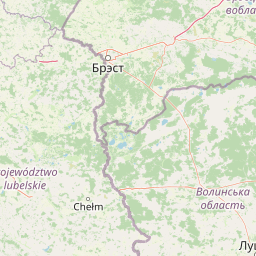
Map view of Mierzwice Nature Reserve

Use this park location map to pinpoint Mierzwice Nature Reserve in Poland, understand its exact geographic position, and read its mapped placement within the surrounding landscape more clearly.

Pigeon | © OpenStreetMap contributors

Location context for Mierzwice Nature Reserve

Masovian Voivodeship
Park atlas

Compare regional valley corridors and adjacent protected areas across eastern Poland

Explore Parks Near Rezerwat przyrody Mierzwice and Connected Protected Landscapes

Discover other protected areas near Rezerwat przyrody Mierzwice to examine related lowland forest ecosystems and river valley habitats. Comparing adjacent reserves reveals the broader ecological spread of conservation corridors throughout the surrounding region.
Nature reserveMazowieckie
About 25 km away#1 closest

West

Rezerwat przyrody Dębniak: Protected Forest Landscapes and Bug River Escarpment Geography

A preserved old-growth oak and linden woodland in Mazowieckie.

Rezerwat przyrody Dębniak offers an intimate look at the grąd deciduous forest ecosystem within the Mazowieckie landscape. Situated along the Bug River escarpment, this twenty-hectare reserve provides a rare glimpse into mature oak and linden woodland, monumental trees, and a floristically diverse understory. The area functions as a vital conservation zone, maintaining the integrity of riparian woodland transitions and providing a protected habitat for orchids and lilies on the slopes above the valley.

Area
0.208 km²
Established
1978
Relief
Lowland
Scope
Terrestrial
Watercolor painting showing a river flowing through a forested landscape with green hills, distant mountains, and a pink and yellow sky
National parkBelarus
About 40 km away#2 closest

Northeast

Belavezhskaya Pushcha National Park: Ancient Primeval Forest & European Bison Sanctuary

Explore mapped protected areas and regional geography.

Belavezhskaya Pushcha National Park stands as a testament to Europe's ancient woodland heritage, a protected landscape of immense ecological value. This primeval forest, a sanctuary for the European bison, offers a unique glimpse into an ecosystem preserved for millennia. The park's mapped boundaries and geographic context provide essential detail for understanding its role as a critical natural monument and a cornerstone of regional protected areas.

Area
1,500.69 km²
Established
1932
IUCN
II
Visitors
300K annual
Nature reserveLublin Voivodeship
About 44 km away#3 closest

Southeast

Dobryń Nature Reserve: Protected Lowland Woodlands of the Lublin Voivodeship in Eastern Poland

Documenting rare forest mosaics and monumental oak populations

Dobryń Nature Reserve is a key protected area in Poland, recognized for its continuous lowland forest cover and distinct botanical variety. The site encompasses complex hydrological zones, ranging from swampy alder patches to dry oak-hornbeam stands. It stands as a critical biodiversity node within the Równina Kodeńska, illustrating how subtle soil moisture variations sustain rare species in a managed landscape.

Area
0.877 km²
Established
1983
Relief
Lowland
Climate
Temperate
A soft, light-toned watercolor painting of a lowland forest landscape with trees, meadows, and distant hills.
Protected areaPoland
About 46 km away#4 closest

Northeast

Puszcza Białowieska Protected Area: Primeval Forest Geography and Mapped Boundaries

Ancient lowland forest landscapes of the Polish-Belarusian border

Examine the geographic composition of Puszcza Białowieska, an extensive primeval lowland forest characterized by multi-aged tree stands and abundant deadwood ecosystems. The area serves as a primary site for ecological research into natural forest regeneration and megafauna protection, specifically for the European bison and diverse predator populations living within its protected landscape boundaries.

Area
1,500 km²
Established
1932
Relief
Lowland
Climate
Temperate
Watercolor illustration of a river flowing through grassy terrain with rolling hills in the background
National parkPodlaskie Voivodeship
About 65 km away#5 closest

Northeast

Białowieża National Park: Primeval Forest and European Bison Protected Landscape

Northeastern Poland's ancient woodland and river valley geography

Encompassing the heart of the Białowieża Forest, this national park protects an unparalleled temperate old-growth ecosystem. The landscape contains a complex mix of upland forests, swampy alder groves, and meandering river corridors, providing a crucial habitat for the world's largest free-ranging population of European bison.

Area
105.17 km²
Established
1932
IUCN
II
Visitors
140K annual
A pale, soft-focus watercolor painting of a calm wetland or pond with low, rolling hills in the distance, surrounded by soft green marsh grasses and light vegetation.
National parkPodlaskie Voivodeship
About 65 km away#6 closest

Northeast

Białowieski Park Narodowy: Primeval Forest Geography and Protected Area Overview

Northeastern Poland lowland forest and bison habitat

Białowieski Park Narodowy stands as a landmark of European conservation, protecting a vast stretch of old-growth lowland forest that escaped historical clearing. This map-oriented overview details the forest's layered structure, its network of streams, and its significance as a sanctuary for the European bison within the Podlaskie Voivodeship.

Area
105.17 km²
Established
1932
Nature reserveLublin Voivodeship
About 66 km away#7 closest

Southeast

Rezerwat przyrody „Sugry” imienia Janusza Szostakiewicza: A Geographic and Ecological Atlas Entry

Lichen-rich inland pine woodlands in Lublin Voivodeship, Poland.

Rezerwat przyrody „Sugry” imienia Janusza Szostakiewicza encompasses 44 hectares of post-agricultural sandy terrain where natural succession has produced a rare inland dry pine forest. This site is internationally recognized for its dense concentration of lichen taxa and its location within the vital environmental corridor of the Bug River valley. It offers significant insights into the recovery of lowland ecosystems and serves as a permanent reference for conservation efforts in the eastern Polish landscape.

Area
0.442 km²
Established
2021
Relief
Lowland
Climate
Temperate
Watercolor painting showing a winding river through marshy fields with distant hills
National parkPodlaskie Voivodeship
About 69 km away#8 closest

Northwest

Narew National Park: Discover Poland's Premier Wetland National Park with Unique River Geography

Explore its mapped boundaries and rich protected landscape.

Narew National Park represents a significant protected area within the Podlaskie Voivodeship, distinguished by its one-of-a-kind anastomosing river system where the Narew River splits into numerous interconnected channels. This dynamic wetland environment provides critical habitat and showcases a complex interplay of water, land, and diverse ecosystems. Users can explore the park's geographic features, understand its protected landscape status, and appreciate its vital role within the regional atlas through detailed mapping and factual context.

Area
73.5 km²
Established
1996
IUCN
II
Relief
Lowland

Common questions about visiting, size, designation, and location context for Mierzwice Nature Reserve

Mierzwice Nature Reserve FAQs for park facts, access, geography, and protected area context

Find quick answers about Mierzwice Nature Reserve, including protected-area facts, park geography, trail and visitor context, and how the park fits into its surrounding country and regional landscape.
MoriAtlas Explorer

Continue Your Protected Areas Search Across the Global Atlas

Deepen your exploration by continuing the structured search for national parks and protected areas worldwide. Utilize the comprehensive filtering capabilities to compare different conservation landscapes and refine your understanding of global park geography. Discover more about the distribution and characteristics of protected natural areas.

Global natural geography