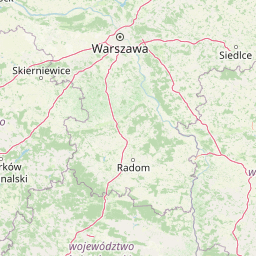

Why Morysin Nature Reserve stands out
Morysin is best known as a remnant of Vistula floodplain forest that has been preserved in the heart of Warsaw, distinguished by its exceptionally old and monumental trees. White poplars with trunk diameters reaching about two meters, large field elms, and mature lindens give the reserve the feel of a forgotten historic park rather than a working forest, while the abundance of dead wood creates rich habitat for cavity-nesting birds, bats, and amphibians. The reserve is equally recognized for its connection to the Wilanów palace-and-garden ensemble, of which it forms the northern park component. Romantic-era ruins, including a small palace with a rotunda inspired by the Temple of Vesta, a gatekeeper's house, and a forester's lodge, are scattered through the woodland, layering 19th-century European garden history onto a 20th-century nature reserve.
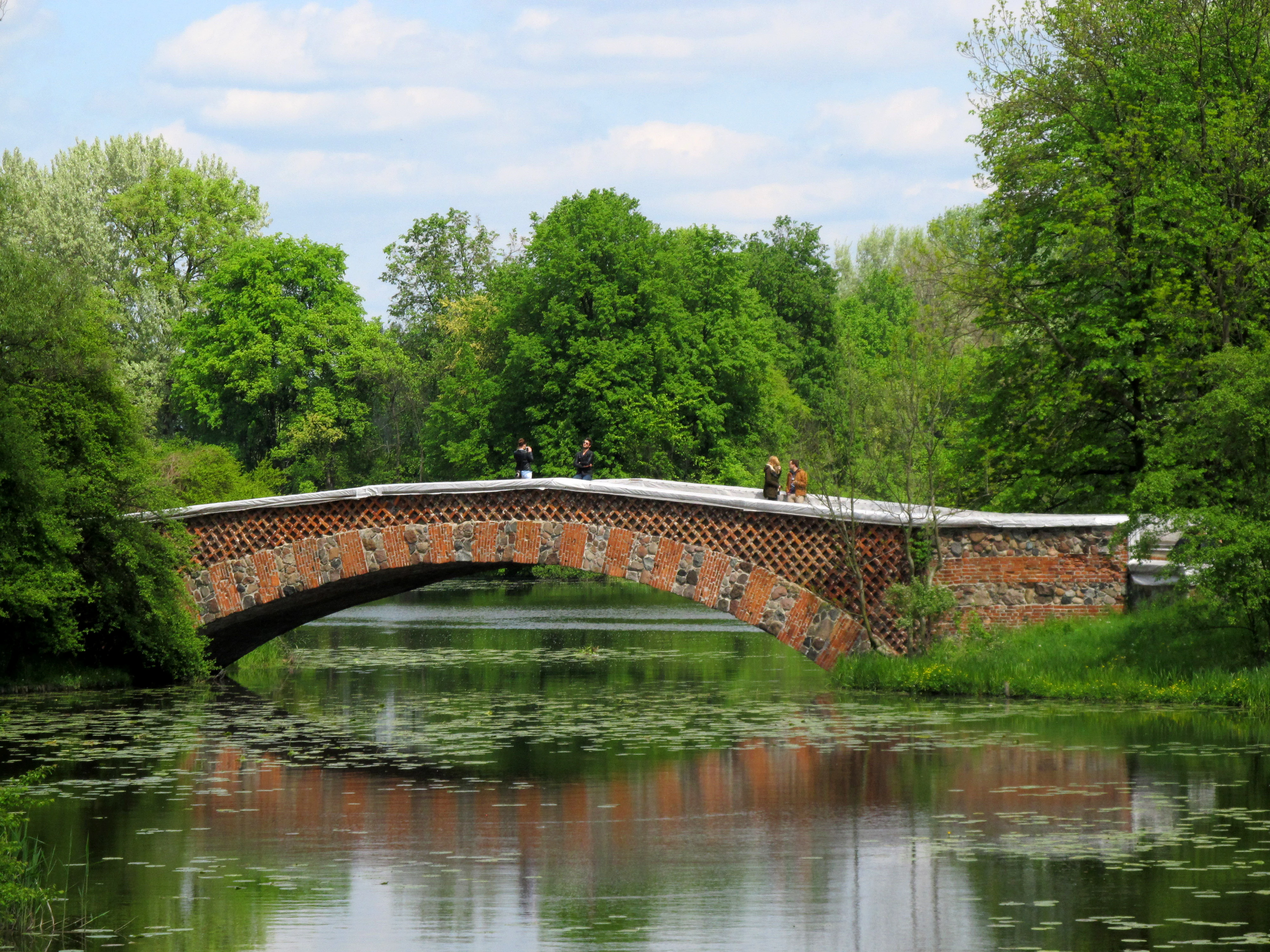
Morysin Nature Reserve history and protected-area timeline
The forest that now makes up Morysin Reserve has a long history as part of the broader Vistula floodplain landscape. In the 17th and 18th centuries, the entire Morysin area was covered by riparian forest, which, because of its natural boundaries, served as a kind of game reserve for the surrounding landed estates.
The landscape began to take on its present romantic character at the start of the 19th century, under Stanisław Kostka Potocki, then owner of the Wilanów estates. He reshaped the northern portion of the forest into a Romantic park, naming it 'Morysin' after his grandson Maurycy Eustachy Potocki, whose diminutive was 'Moryś.' Between 1811 and 1825, the park was enriched with architectural ornaments: a small palace featuring a rotunda modeled on the Temple of Vesta at Tivoli, an oraculum statue of a pagan deity flanked by columns, and a network of internal canals that allowed boats to approach the palace steps.
In the mid-19th century, a brick gatekeeper's house and a wooden forester's lodge were added, and the park was reorganized with fashionable flowerbeds. In 1846, a brick neo-Gothic gate was built on the open fields south of the park, closing a tree-lined avenue aligned with the axis of Wilanów Palace. The park served as a recreational space for the palace owners and their guests until 1939, when wartime devastation began. After 1945, the property was taken over by the National Museum in Warsaw, and from 1995 it has belonged to the Museum of King Jan III's Palace at Wilanów. In 1973, the park was entered into the heritage register of the former Warsaw voivodeship, and in 1994 it was recognized by a presidential decree as part of Warsaw, a historic monument. The nature reserve itself was formally established in 1996 through a regulation in the Polish legal monitor, with active protection as its management framework and a protection plan that came into force in September 2014, opening the area to public access along designated trails.
Morysin Nature Reserve landscape and geographic character
Morysin sits in the flat bottomland of the Middle Vistula valley, where the river's historical floodplain still defines the terrain. The reserve lies at the convergence of several water features: the northern bay of Wilanów Lake to the south, the Wilanówka stream, and the historic Sobieski Canal, which runs through or alongside the protected area. Together, these water bodies shape a soft, low-relief landscape with quiet inlets, reedy margins, and small islands.
The ground itself is shaped by decades, and in some cases centuries, of minimal intervention. What was once a working floodplain forest was gradually transformed into a Romantic landscape park and then, after long neglect, into woodland that has largely erased visible signs of human shaping. Fallen trunks, standing snags, mossy fallen logs along the Sobieski Canal, and the slow decay of dead wood are now characteristic features of the forest floor, giving the reserve an atmospheric, semi-wild appearance unusual for a site within a major city.
Layered into this natural setting are the traces of 19th-century landscape design: the axis-aligned avenue that once connected to Wilanów Palace, the now ruinous palace with its rotunda near the lakeshore, and the brick gatekeeper's house and forester's lodge along the visitor paths. Visitors moving along the marked trails encounter a hybrid landscape in which wetland margins, riparian groves, monumental trees, and romantic-era ruins form a continuous, integrated scene.
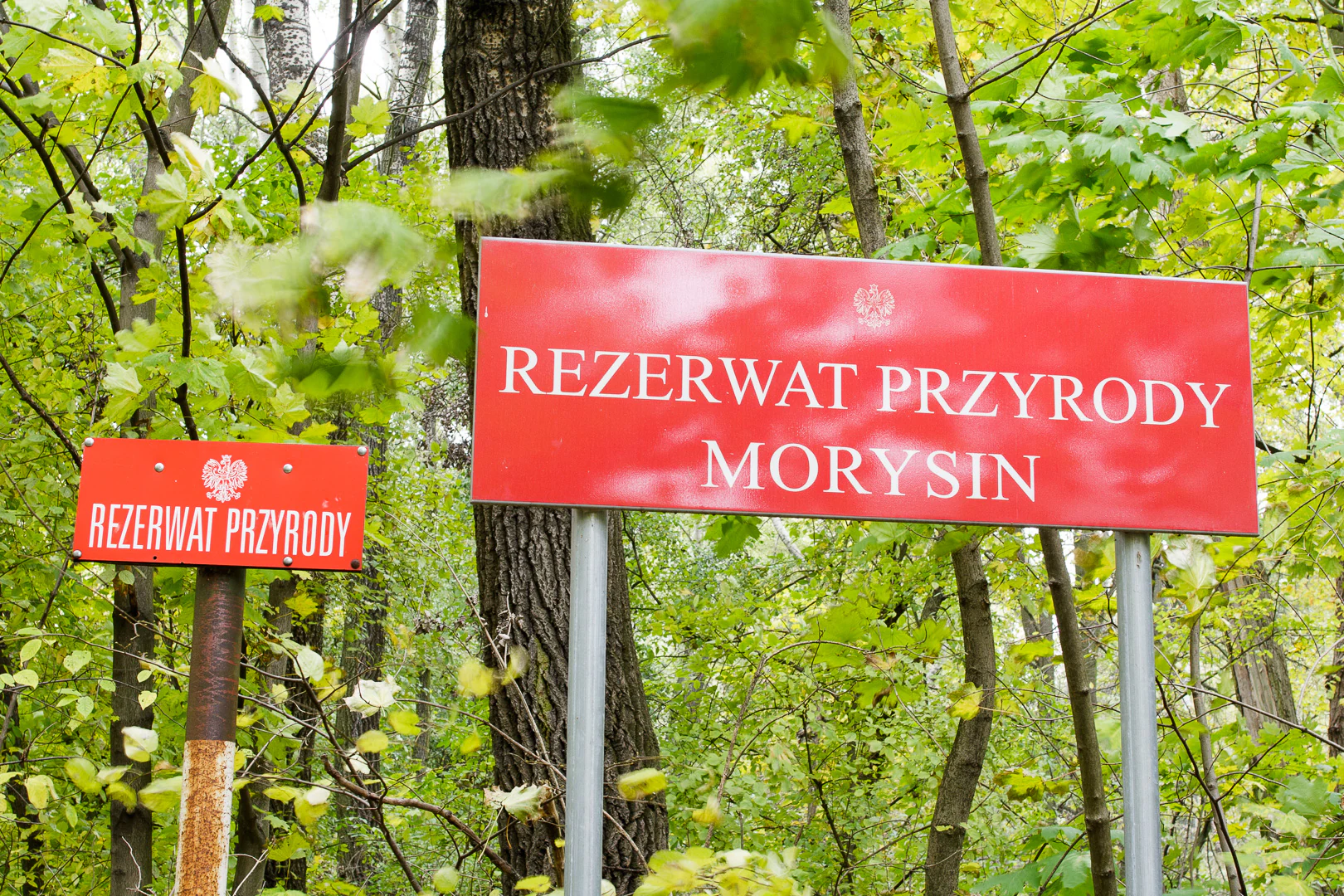
Morysin Nature Reserve ecosystems, habitats, and plant life
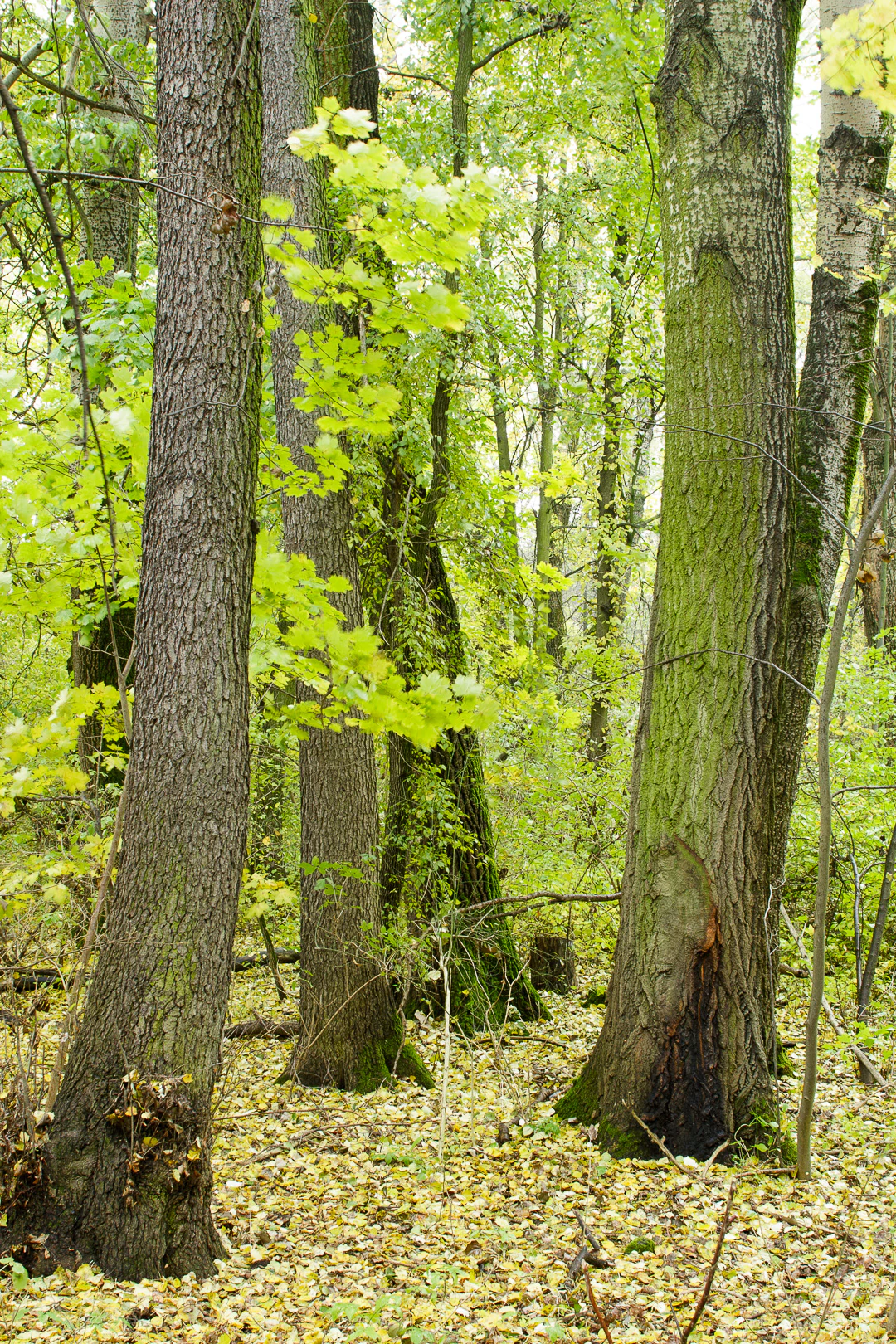
The dominant habitat within Morysin is riparian floodplain forest, with elements of lowland oak-hornbeam woodland (grąd niski i typowy) intermixed throughout. This combination is characteristic of the broader Vistula valley and gives the reserve its distinctive mix of moisture-loving and mesic woodland species. Trees of exceptional size dominate the canopy, contributing to a structure more reminiscent of an old parkland than a typical commercial forest.
A defining ecological feature is the volume of dead wood, both standing and fallen. Because the area was attached to the Wilanów estate in the early 19th century and left unmanaged for long stretches, large amounts of coarse woody debris have accumulated. This dead wood functions as vital habitat for fungi, invertebrates, and cavity-using vertebrates, supporting the reserve's rich biodiversity and ecological continuity.
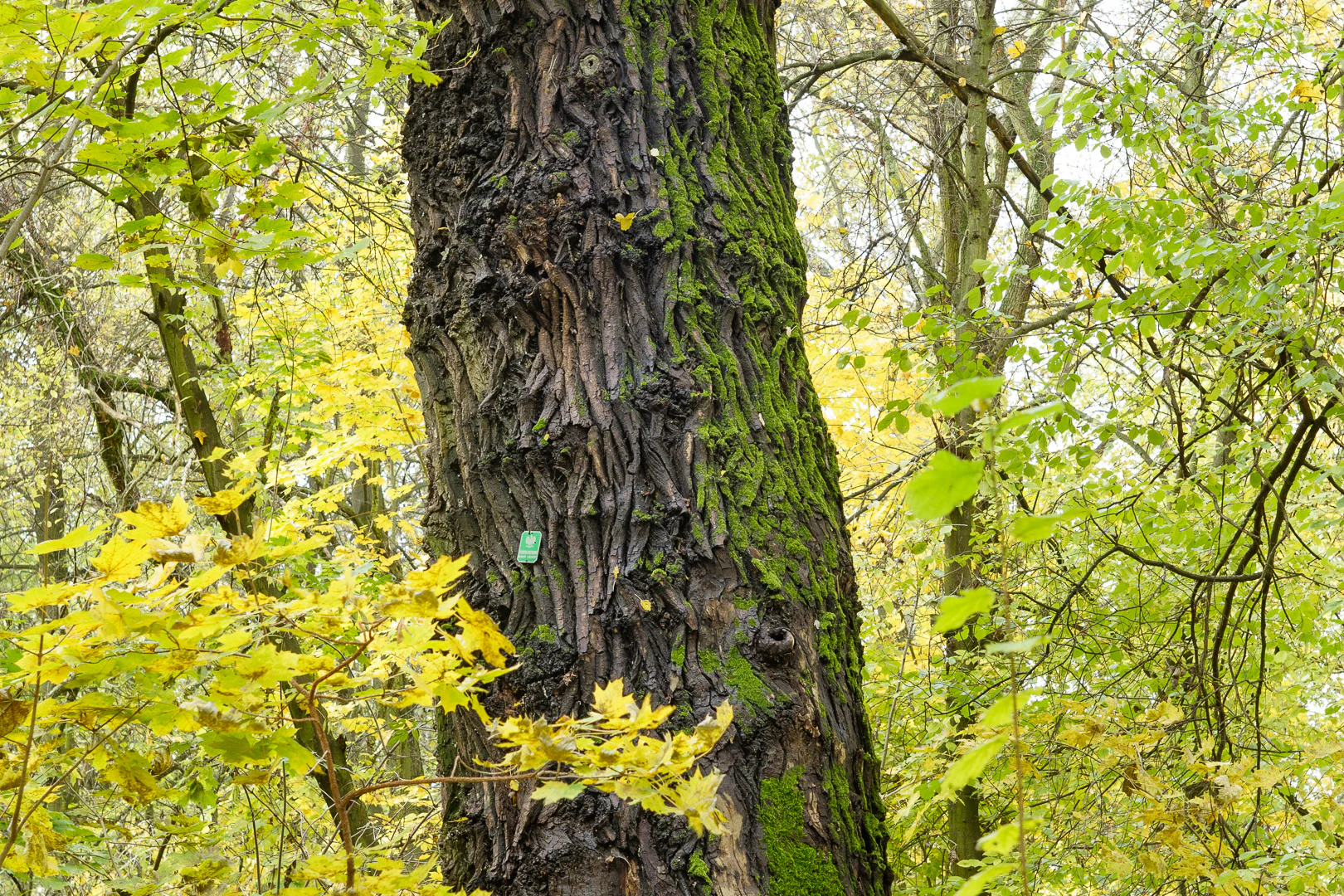
The reserve also includes aquatic and wetland habitats along the northern part of Wilanów Lake and along the Sobieski Canal, including a small island in the lake and fragments of alluvial sandbanks (łacha) along the Wilanówka. These wet environments broaden the ecological profile of the site beyond purely terrestrial forest and contribute to the area's importance for amphibians, water-associated invertebrates, and wetland-edge vegetation. The understory vegetation, described in the source as 'very rich,' adds a further layer of botanical diversity, while numerous monumental trees, including white poplars, field elms, black poplars, small-leaved lindens, and tall ash trees, provide old growth structure rarely preserved in such proximity to a major urban center.
Morysin Nature Reserve wildlife and species highlights
Morysin supports a varied community of forest birds. Historical records mention long-eared owls, tawny owls, and various woodpeckers including the green woodpecker. The reserve has also been a nesting or likely nesting ground for species tied to older woodland, such as the Eurasian nuthatch, the Eurasian golden oriole, the common treecreeper, the wren, and the Eurasian bullfinch. By the time of more comprehensive surveys around 2010, around 34 bird species were confirmed or very likely breeding in the reserve, with hole-nesting species forming the most numerous group.
Mammals recorded in the reserve include the red fox, a range of mustelids such as the European badger, the beech marten, the least weasel, the American mink, and the European otter, as well as the European roe deer, wild boar, and European hare. Rodents and insectivores are well represented, with the red squirrel, bank vole, muskrat, the harvest mouse, wood mouse, striped field mouse, and common vole documented, alongside insectivores such as hedgehogs, shrews (including the Eurasian pygmy shrew and the crowned shrew), and the European mole. Bats are also present, with confirmed records including the lesser noctule, the common pipistrelle, Nathusius's pipistrelle, the soprano pipistrelle, the brown long-eared bat, and other species noted in passing surveys.
Herpetofauna within the reserve includes the grass snake and, at least once recorded, the slow worm. Frog species documented at the site include the moor frog, the agile frog, and the common frog, with older records also mentioning the common toad, the European fire-bellied toad, and newts. Historical sources from the early 20th century note the area's exceptionally rich populations of millipedes and viviparous cockroaches on the alluvial sandbanks along the Wilanówka, reflecting a wider invertebrate diversity that remains one of the reserve's defining ecological features.
Morysin Nature Reserve conservation status and protection priorities
The reserve's principal conservation significance lies in preserving a fragment of the Vistula Middle Valley floodplain forest ecosystem within the heavily urbanized setting of Warsaw. Because much of Poland's floodplain forest has been lost to river regulation, agriculture, and urban development, Morysin's combination of intact riparian woodland, monumental trees, and extensive dead wood is increasingly important for habitat continuity and biodiversity in the region.
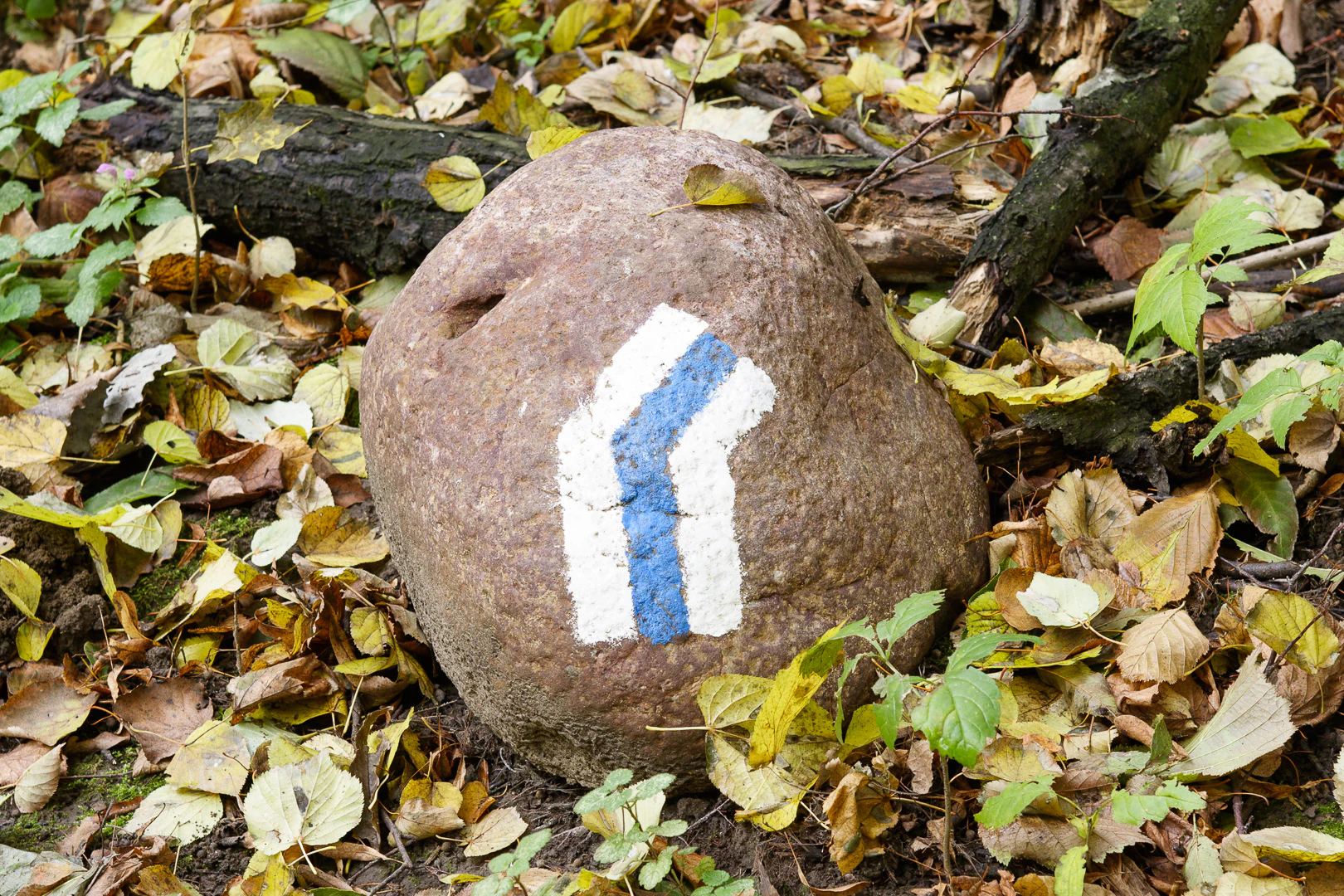
Management follows an active protection regime, with designated conservation objectives focused on safeguarding the forest stand, the monument trees, and the associated flora and fauna. A formal protection plan came into force in September 2014, after which access was opened to the public along marked trails rather than restricted by permit. The reserve also lies within the Warsaw Protected Landscape Area, giving it an additional layer of regional landscape protection.
Its broader conservation value is reinforced by its location adjacent to the Wilanów palace park, a national-level historic monument. The combined natural and cultural heritage framework has helped protect the area from encroachment by allotment gardens and other forms of urban pressure that might otherwise have affected the site, while preserving both ecological function and historical landscape character in a single integrated protected space.
Morysin Nature Reserve cultural meaning and human context
Morysin is inseparable from the cultural landscape of Wilanów, one of Poland's most important royal and aristocratic estates. The reserve's grounds form the northern Romantic park component of the Wilanów palace-and-garden complex, and the Morysin landscape ensemble together with the Wilanów palace park is part of the registered palace-and-garden heritage of Warsaw.
The name 'Morysin' itself carries memory of the estate's 19th-century owners: it was given by Stanisław Kostka Potocki in honor of his grandson Maurycy Eustachy Potocki, nicknamed 'Moryś.' The Romantic-period structures within the park, including the small palace with a rotunda inspired by the Temple of Vesta at Tivoli, the oraculum, the gatekeeper's house, and the forester's lodge, illustrate how European garden design and classical mythology were absorbed into Polish aristocratic estates in the early 1800s. A neo-Gothic brick gate built in 1846 once closed an avenue aligned with the axis of Wilanów Palace, anchoring Morysin visually to the larger residence.
The site's post-war institutional history is also culturally significant. After 1945 it passed to the National Museum in Warsaw, and from 1995 to the Museum of King Jan III's Palace at Wilanów, which continues to manage the area as part of its broader historic landscape. Together with the surrounding residential ensembles of Wilanów, Ursynów, and Natolin and the Warsaw escarpment, Morysin forms part of the Wilanów Cultural Park, a designation that explicitly links natural protection with the cultural identity of southern Warsaw.
Top sights and standout views in Morysin Nature Reserve
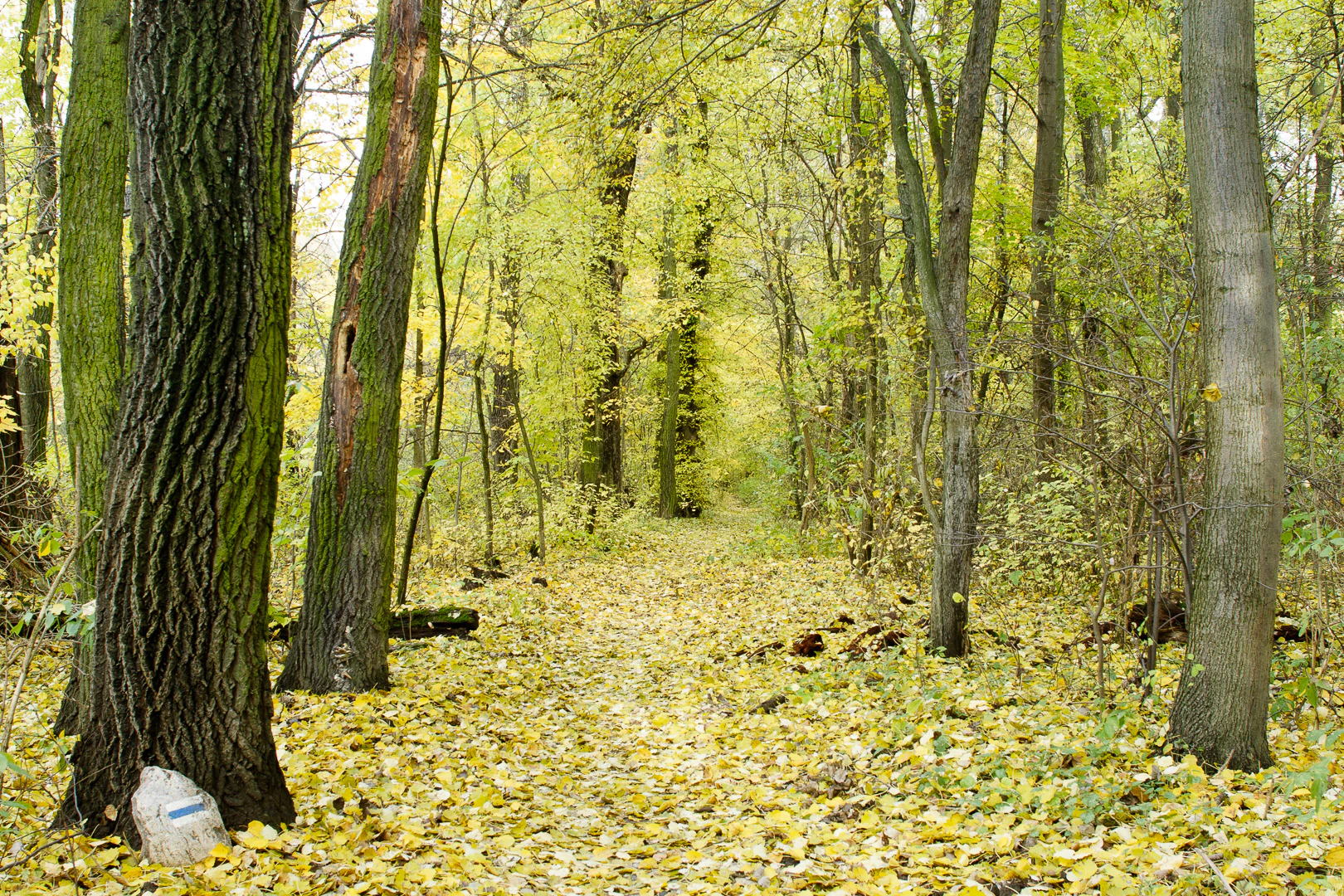
Morysin stands out for the unusual combination of mature floodplain forest, monumental old trees, and Romantic-era architectural ruins within Warsaw's city limits. The reserve's canopy, dominated by enormous white poplars, large field elms, and mature lindens, creates a sense of age and parkland atmosphere rare in contemporary Polish woodlands. Beneath the trees, abundant dead wood and a richly textured understory support a diverse community of birds, bats, amphibians, and invertebrates.
Equally distinctive is the reserve's cultural layering: visitors walking the same trails encounter 19th-century ruins of a palace inspired by classical antiquity, a former gatekeeper's house, and a forester's lodge, all set within the broader Wilanów palace landscape. The integration of ecological and heritage protection, anchored by both the nature reserve status and the heritage listing of the Morysin landscape ensemble, makes the site a compact but unusually rich example of how natural and cultural conservation can be managed together in an urban context.
Best time to visit Morysin Nature Reserve
Morysin can be visited throughout much of the year, but the most rewarding seasons align with the rhythm of the forest itself. Spring and early summer bring the richest understory display, active bird song, and the chance to observe breeding forest birds and amphibians around the wet margins of Wilanów Lake and the Sobieski Canal. Late spring is particularly suitable for experiencing the reserve's vegetation at its most expressive, when the canopy is fully leafed and the wetland edges are biologically active.
Autumn offers a quieter, more atmospheric alternative, with mature broadleaf trees in color, abundant dead wood highlighted by softer light, and the historical ruins emerging more clearly from a slower-paced landscape. Winter visits, while quieter in terms of wildlife activity, can also reveal the structural character of the old trees and the water corridors without foliage, though visitors should be prepared for the typical conditions of floodplain terrain. Because specific visitor logistics, opening hours, or formal seasonal closures are not specified in the source material, broader seasonal character rather than operational details should guide planning.