Why Mszary Tuczyńskie Nature Reserve stands out
Mszary Tuczyńskie is best known for protecting a spring-fed calcareous peatland (torfowisko źródliskowe wapienne) together with adjacent meadows and xerothermic grasslands within a single small reserve. This unusual combination of spring peatland, wet meadow, and dry grassland vegetation makes it a botanically diverse site far out of proportion to its tiny area. The reserve is also recognized for its rich assemblages of strictly protected vascular plants and bryophytes, particularly a notable presence of orchid species in the genus Dactylorhiza alongside characteristic mosses such as Climacium dendroides, Rhytidiadelphus squarrosus, and Thuidium delicatulum. Its position at the interface between the Drawa Forest Protected Landscape Area and the buffer zone of Drawieński National Park further enhances its conservation profile.
Mszary Tuczyńskie Nature Reserve history and protected-area timeline
The reserve was established on 18 January 1988 by way of a notice published in the Polish official gazette (Monitor Polski, 1988, number 5, item 48). Its creation reflected growing recognition of the ecological value of calcareous spring peatlands in the Polish lowlands and the need to formalize protection for a site holding both wetland and dry grassland communities.
Since its designation, the reserve has been managed under active conservation principles (ochrona czynna), meaning that management interventions are used to maintain the open character of meadows and xerothermic grasslands against natural succession by woody vegetation. Its inclusion in the wider network of protected areas around Drawieński National Park has also linked its ongoing management to the broader regional conservation framework.
Mszary Tuczyńskie Nature Reserve landscape and geographic character
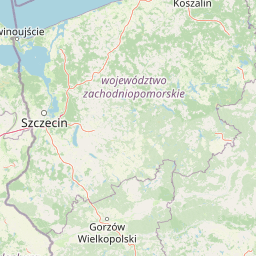
The landscape of Mszary Tuczyńskie is shaped by the flat to gently undulating terrain of the Drawska Plain, a sandy lowland mesoregion in northwestern Poland. The reserve itself lies on the northeastern shore of Lake Tuczno, where the terrain transitions from open water through wetter peatland substrates to drier, more elevated slopes supporting xerothermic grasslands.
This compression of wet and dry conditions within a small area is one of the defining physical features of the site. Spring-fed calcareous seepage feeds the peatland, while sun-exposed slopes support drought-adapted grassland vegetation. The mosaic of spring peatland, meadow, lake-margin habitat, and dry calcareous grassland gives the reserve a much greater landscape complexity than its modest size would suggest.
Mszary Tuczyńskie Nature Reserve ecosystems, habitats, and plant life
Ecologically, Mszary Tuczyńskie is defined by a tight mosaic of habitats that includes spring calcareous peatland, wet meadow communities, and xerothermic dry grasslands. The presence of calcium-rich groundwater at the surface is the key ecological driver, producing the unusual coexistence of typically separated habitat types within a single small reserve.
The peatland supports a specialized flora of vascular plants, including aquatic and wetland species such as yellow water-lily alongside meadow and grassland species. The xerothermic grasslands add a contrasting flora adapted to dry, often sunny conditions, increasing the overall botanical diversity. Throughout the reserve, bryophytes contribute significantly to vegetation structure, forming characteristic moss layers in both the wet and drier zones.
This habitat mosaic makes the reserve an important refugium for species that depend on open, nutrient-defined conditions, and the structure of the habitats depends on continued active management to prevent shrub encroachment and loss of the grassland and meadow communities.
Mszary Tuczyńskie Nature Reserve wildlife and species highlights
While the reserve is primarily recognized for its plant communities rather than its fauna, the habitat mosaic it protects supports a range of typical lowland peatland and meadow wildlife. Its position near Lake Tuczno and within the broader Drawa Forest ecosystem also embeds it in a wider landscape that supports richer fauna than the reserve itself could host alone.
The open meadow and xerothermic grassland habitats provide conditions favorable to pollinators, including bees, butterflies, and other insects associated with flower-rich calcareous grasslands. Wetland margins and peatland edges offer habitat for amphibians, dragonflies, and other moisture-dependent invertebrates. The reserve's small size limits its role for larger mammals, but the connected Drawa Forest landscape supports species such as deer, wild boar, and a variety of forest birds across the wider region.
Mszary Tuczyńskie Nature Reserve conservation status and protection priorities
Mszary Tuczyńskie has clear conservation significance that extends well beyond its tiny area. The reserve protects a spring-fed calcareous peatland, a habitat type that is comparatively rare in the Polish lowlands and particularly sensitive to groundwater changes, land-use shifts, and natural succession.
The site is integrated into a multi-layered regional protection framework. It lies within the Puszcza nad Drawą Protected Landscape Area and within the buffer zone of Drawieński National Park, situating its conservation management within a larger ecological network that includes forests, lakes, and river valleys. Active conservation management (ochrona czynna) is applied to maintain open meadow and grassland habitats, counteracting natural succession by shrubs and trees that would otherwise alter the habitat balance.
The reserve's concentration of strictly protected vascular plants and bryophytes, including several orchid species and a range of characteristic mosses, gives it additional botanical conservation value. As such, Mszary Tuczyńskie functions both as a local conservation site and as a small but meaningful contributor to the broader protection of calcareous peatland and xerothermic grassland habitats in northwestern Poland.
Mszary Tuczyńskie Nature Reserve cultural meaning and human context
The reserve sits on the outskirts of the town of Tuczno in the Wałcz County area of West Pomeranian Voivodeship, a region with a long history of forest, lake, and agricultural land use shaped by its position within the broader Drawa Forest region.
Poland's tradition of peatland and meadow conservation is reflected in the country's classification of sites like Mszary Tuczyńskie as formal nature reserves (rezerwat przyrody), a designation that carries both legal protection and a recognized role in regional ecological heritage. The site's integration with the broader Drawa Forest conservation landscape also connects it to a regional identity built around lowland forests, lakes, and protected natural areas.
Top sights and standout views in Mszary Tuczyńskie Nature Reserve
Mszary Tuczyńskie's standout quality is the concentration of ecologically distinct habitat types, including spring calcareous peatland, wet meadow, and xerothermic dry grassland, into a reserve of only about 7.22 hectares. This rare habitat mosaic supports a notable flora of strictly protected vascular plants and bryophytes, especially several Dactylorhiza orchid species.
Its position within both the Puszcza nad Drawą Protected Landscape Area and the buffer zone of Drawieński National Park places it within one of the most important lowland conservation landscapes in northwestern Poland. Combined with active conservation management, these features make the reserve a compact but ecologically meaningful component of the regional protected-area network.
Best time to visit Mszary Tuczyńskie Nature Reserve
The reserve is most rewarding to visit during the late spring and summer months, when the meadow and xerothermic grassland communities are in full bloom and orchid species are most visible. Warmer months also make the peatland botanically more expressive, while softer ground in wetter periods may limit easy walking on the reserve itself.
Because the site is small and managed for habitat conservation rather than mass visitation, any visit should focus on quiet observation of the plant communities and the contrast between the spring peatland, the meadows, and the drier calcareous grasslands, rather than on extensive walking routes.