
Why Na Plachtě stands out
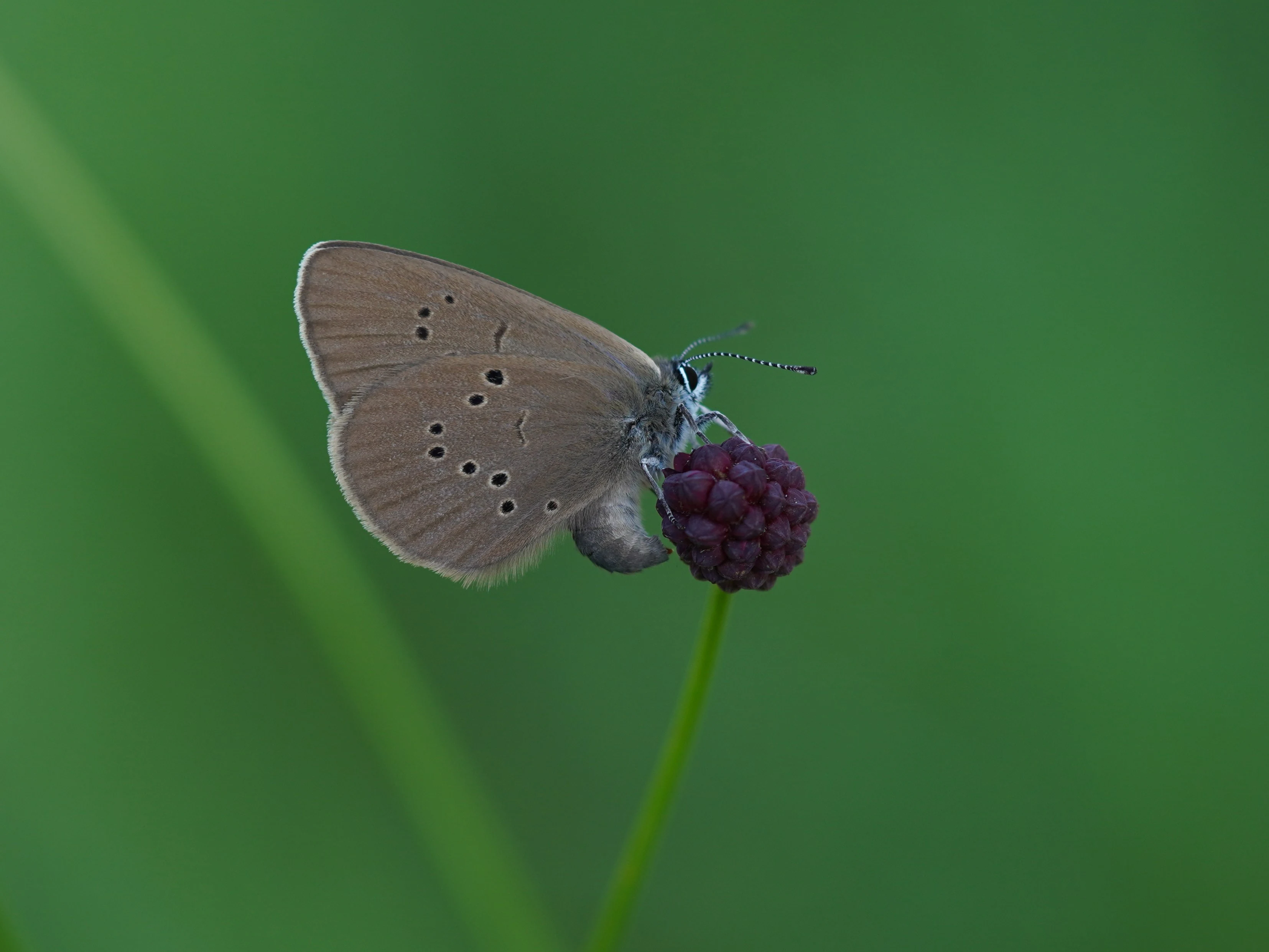
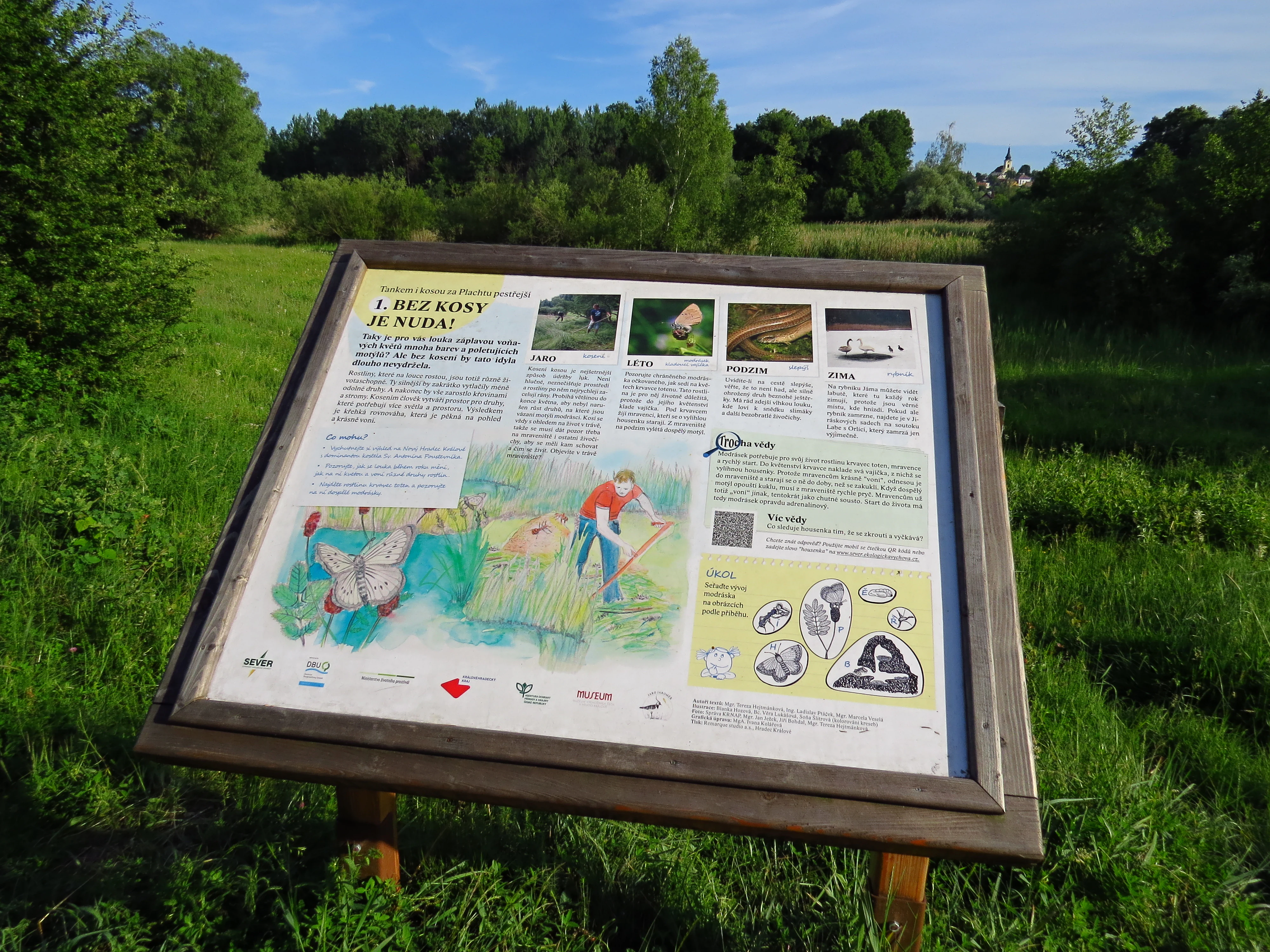
Na Plachtě is best known as an unusually diverse wetland-and-meadow sanctuary within an urban periphery, including the ponds Plachta and Jáma, peat meadows, periodic pools, and sand exposures with heather. It is a stronghold in the Czech Republic for the great crested newt, the scarce large blue butterfly (Maculinea teleius), and the dragonfly Leucorrhinia pectoralis, with several species found nowhere else domestically outside Plachtě and its immediate surroundings. The reserve is also recognized for its recovery story: an old sand pit and former military training ground that, after army use ended, was reclaimed by wildlife and is now actively shaped through volunteer management, conservation grazing with Exmoor ponies and water buffalo, and removal of encroaching woody vegetation.
Na Plachtě history and protected-area timeline
The landscape of today's Na Plachtě has been shaped by centuries of human activity. From the 15th century onward, the area belonged to the town as common land, used primarily as communal pasture known locally as občina. From the late 19th century, the site, called Plachta, served as a military training ground traversed by heavy vehicles, and between 1918 and 1939 it doubled as a military airfield for the First Republic army.
During the Second World War the area was used by an aero club, and Soviet aircraft landed here in 1945. Sand was quarried on site in 1945 and 1946, producing what is now known as the central pond. From the 1960s onward, as the army reduced its permanent activity, illegal dumps of household and construction waste appeared on the edges of the site. After the military fully withdrew, most of the area came under the administration of the Czech Republic's Nature Conservation Agency, and volunteer groups became increasingly important in maintaining the locality.
By the late 2000s, Plachtě was caught up in local development debates. In August 2008, ecologists and residents petitioned the Ministry of the Environment to repair the boundaries of the proposed European site; in 2009, the Czech Environmental Inspectorate blocked a planned ornamental pond in a nearby residential project over concerns about its impact on the reserve. On 28 December 2013, the nature monument Na Plachtě was formally declared by the Hradec Králové Regional Authority, replacing the earlier monuments Na Plachtě 1 and Na Plachtě 2.
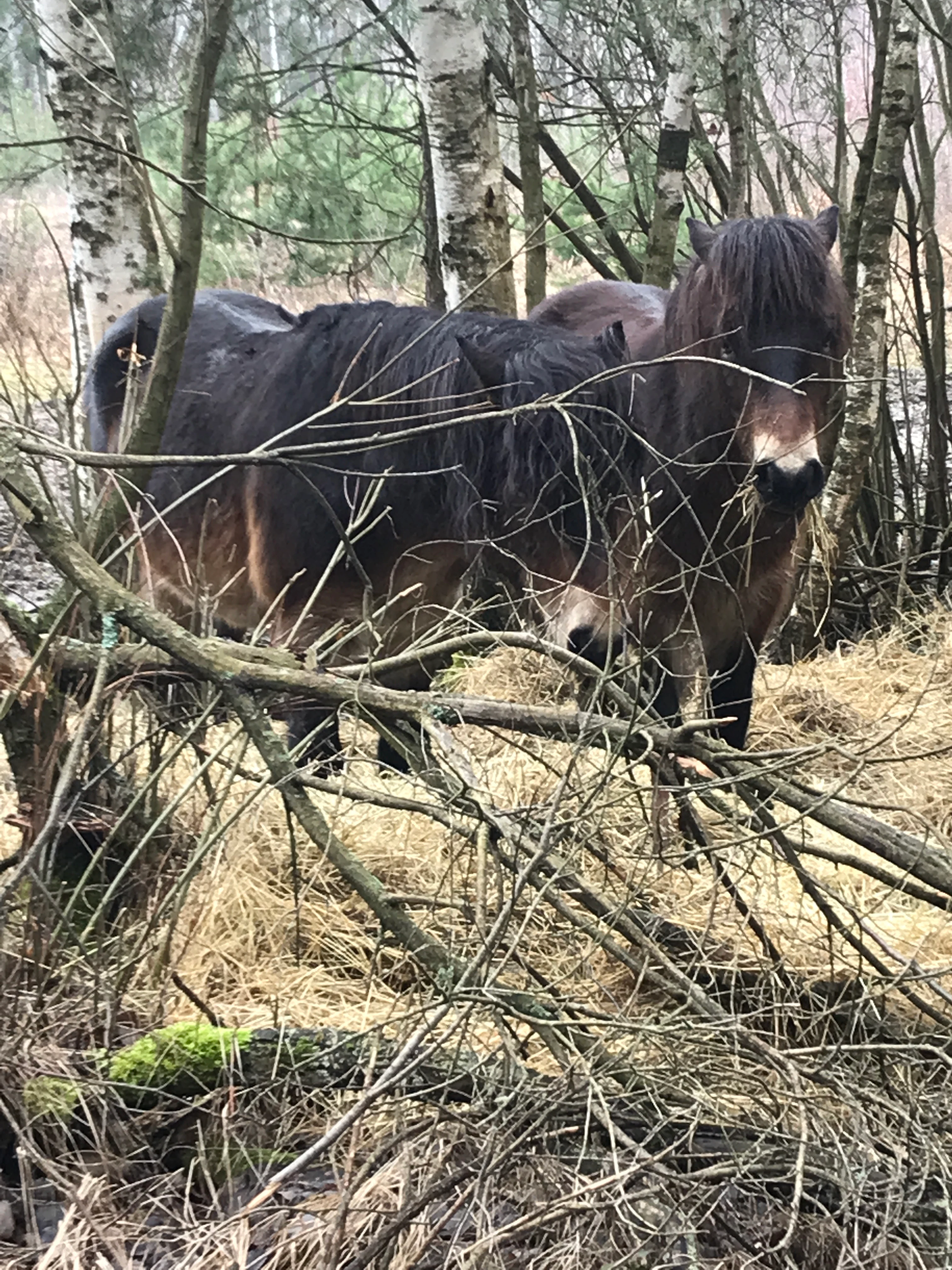
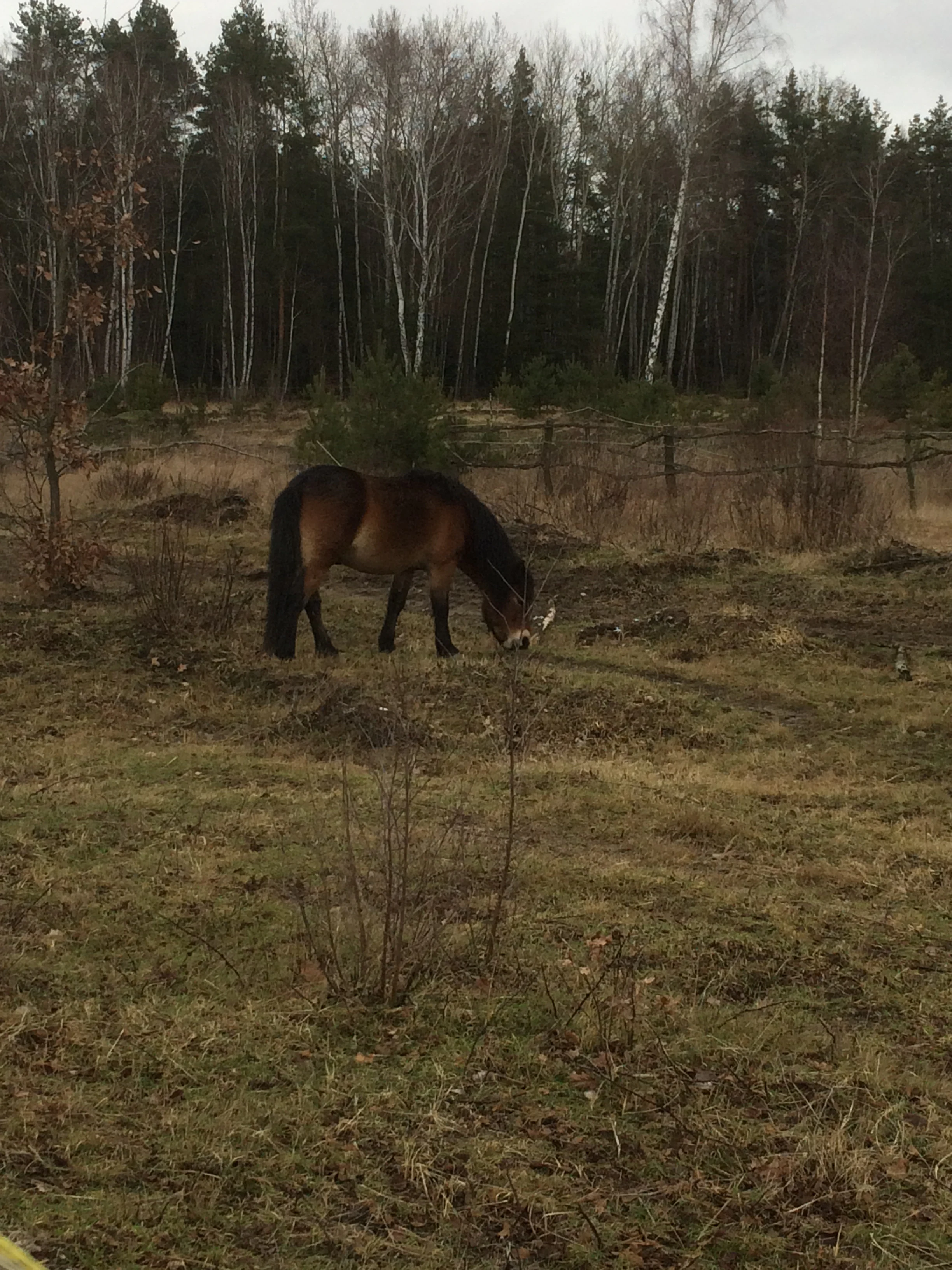
In January 2018, ten Exmoor pony stallions, originally from the former military training area at Milovice, were released on the site for conservation grazing. By December 2022, a pair of water buffalo had also been introduced near the Jáma pond. In 2025, a larger removal of invasive woody vegetation (around 3.3 hectares) was underway to restore open habitats and to support a risk analysis of the buried waste legacy from the 1970s and 1980s.
Na Plachtě landscape and geographic character
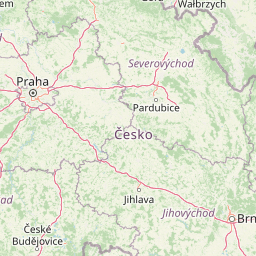
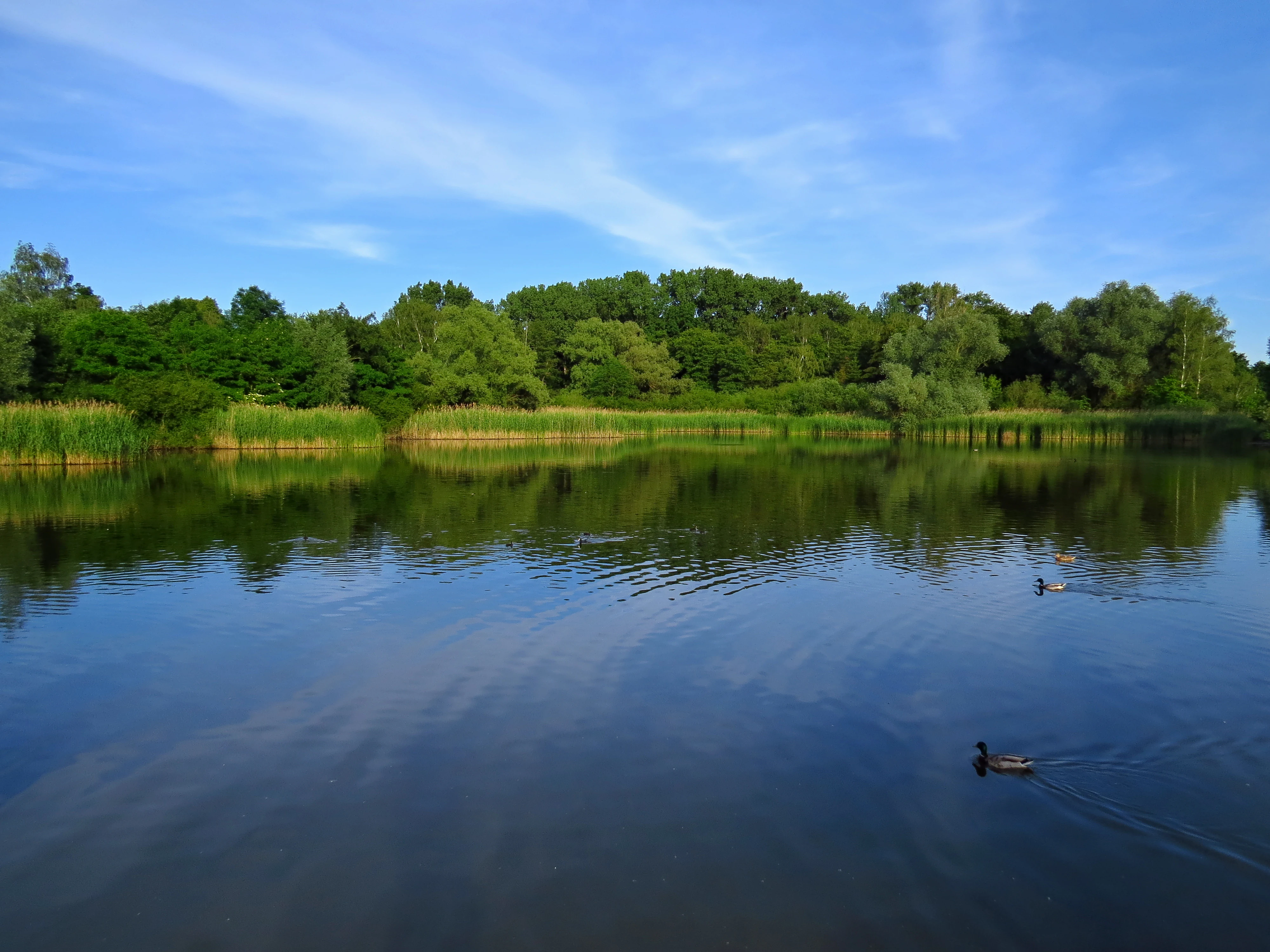
Na Plachtě sits on gently undulating ground at roughly 235 to 248 meters above sea level, at the southeastern margin of Hradec Králové. Its terrain blends low-lying, waterlogged hollows around its ponds with slightly higher, drier sandy stretches, producing a small but clear habitat mosaic within easy walking distance of the city.
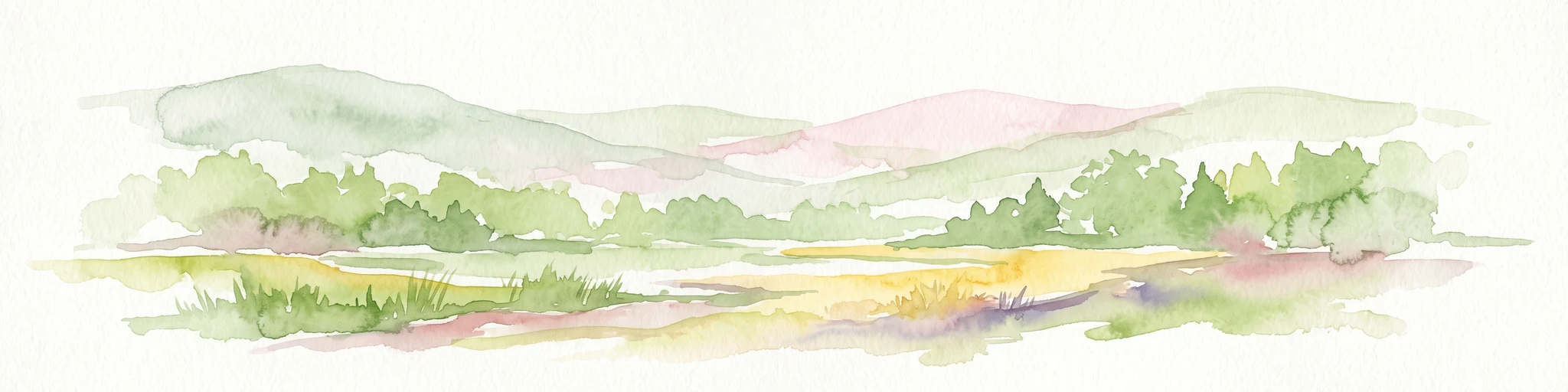
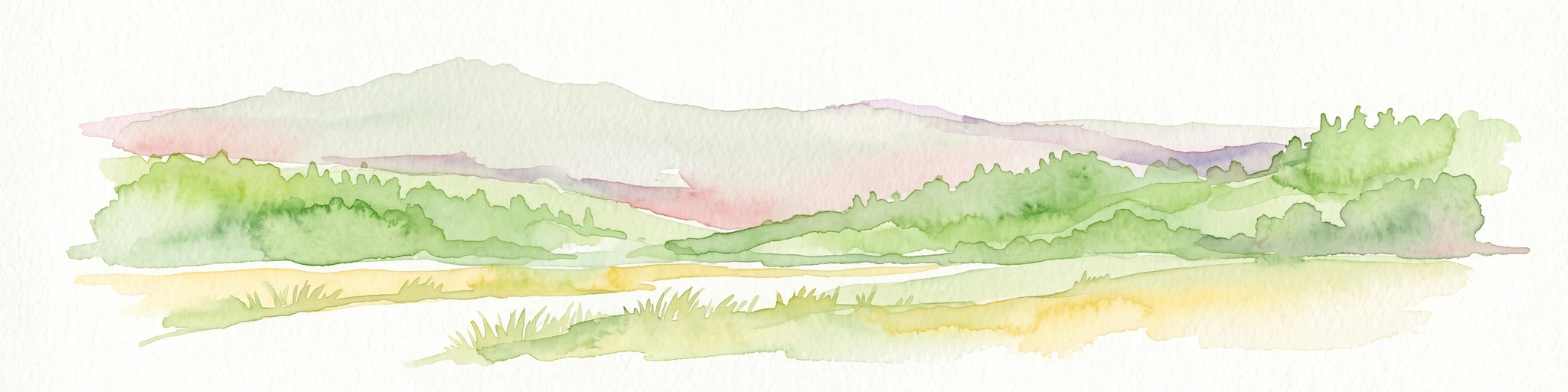
The two focal landscape elements are the pond Plachta and the pond Jáma, which together anchor the wetland system. Around them lie slatinné louky, or peat meadows, fed by groundwater, and a network of periodic pools that swell in wetter seasons and shrink in drier ones. Open sandy areas with heather, formed partly from the former sand quarry, break up the otherwise wet landscape and provide exposed, sun-warmed substrates. The result is a compact patchwork of ponds, meadows, marshes, temporary pools, and sand flats, all squeezed between the urban outskirts and the municipal forests.
Na Plachtě ecosystems, habitats, and plant life
The ecological identity of Na Plachtě is defined by its concentration of open, sun-exposed wetlands and dry sandy habitats in a single small area. The ponds, peat meadows, periodic pools, and heath-like sandy patches each support distinct communities of plants and invertebrates, and their close proximity is what gives the site its unusually high species density.
The ponds and their connected pools host a rich amphibian fauna, including the great crested newt, smooth newt, alpine newt, common toad, green toad, natterjack toad, European tree frog, and several brown and water frog species, alongside the spotted spadefoot toad. Reptiles such as the grass snake, sand lizard, viviparous lizard, slow worm, and common viper are also recorded. In summer, the open water and emergent vegetation support dragonfly populations of conservation interest.
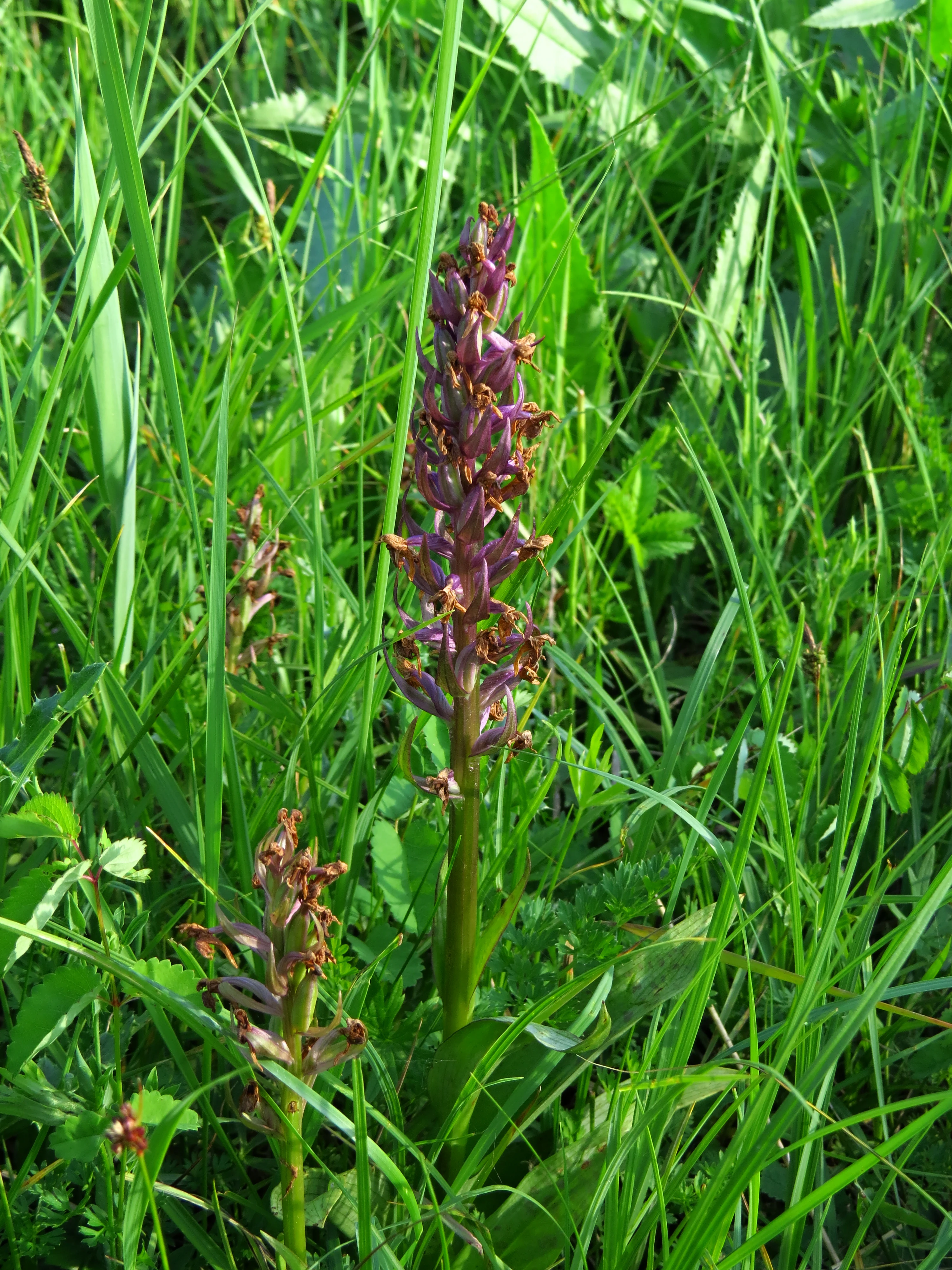
The meadows and sandy clearings carry a second conservation layer. Specialized wet-meadow plants such as marsh helleborine, early marsh orchid, common spotted orchid, and Siberian iris grow alongside carnivorous sundews, marsh lousewort, large pink Dianthus superbus, and adder's tongue fern. On drier, exposed sand with heather, certain species depend on the open, mineral substrate to persist.
Na Plachtě wildlife and species highlights
Wildlife at Na Plachtě is anchored by amphibians and invertebrates, particularly the species for which the site carries its formal conservation status. The great crested newt, the scarce large blue butterfly (Maculinea teleius), and the dragonfly Leucorrhinia pectoralis are the headline protected species, with the butterfly Maculinea nausithous, the large copper butterfly (Lycaena dispar), and several further dragonflies also present.
The ponds and seasonal pools are the heart of the amphibian community, supporting smooth newts, alpine newts, the spotted spadefoot toad, common and green toads, the natterjack toad, the European tree frog, and a range of brown and water frogs. Reptiles recorded here include the grass snake, sand lizard, viviparous lizard, slow worm, and common European viper.
On drier ground, the rare crustaceans Triops cancriformis and Branchipus schaefferi inhabit ephemeral pools and disturbed sandy areas. Surveys across the whole site have catalogued over 3,500 plant and animal species, of which more than 100 are legally protected in the Czech Republic, and a number of these species are not found in any other Czech locality besides Na Plachtě and its immediate surroundings.
Na Plachtě conservation status and protection priorities
Na Plachtě holds the status of přírodní památka (nature monument) under Czech law, corresponding to IUCN Category III, and together with its neighbouring unit Na Plachtě 3 forms part of a European Site of Community Importance under the Natura 2000 network. The site's conservation value rests on the survival of its mosaic of ponds, peat meadows, periodic pools, and sandy heaths, habitats that are scarce and increasingly fragmented in the Czech lowlands.
Management is shared between the Hradec Králové Regional Authority, the Nature Conservation Agency of the Czech Republic, and an unusually active community of volunteers and NGOs. Conservation grazing with Exmoor ponies and water buffalo is used to keep meadows open, and large-scale removal of encroaching woody vegetation is periodically undertaken to restore bare-ground and early-succession habitats.
Underlying the site's ecological recovery is a serious environmental burden. Tens of thousands of tonnes of household and construction waste, dumped mainly in the 1970s and 1980s, still lie buried within the protected area, and a long-term risk analysis is underway to evaluate options for their eventual removal.
Na Plachtě cultural meaning and human context
Plachtě has long been a place where local life and military activity intersect the natural landscape. For centuries the area was common pasture used by the citizens of Hradec Králové, a piece of everyday rural Bohemia at the city's edge well before modern borders were drawn between town and countryside.
The 20th century left a more complex legacy. Plachta served as a military training ground from the late 19th century and as an airfield between the world wars, was used briefly by an aero club during the Second World War, and hosted Soviet landings in 1945. Sand extraction in the mid-1940s created a central hollow that became the reserve's signature pond, and decades of military use ended only in the later 20th century.
Today the reserve is also a focal point of civic environmental engagement in the region. Local residents, NGOs, and scientists have repeatedly mobilized around Plachtě, including petitions, blocked development plans, and ongoing volunteer restoration, making the site a marker of the city's relationship with its peri-urban nature.
Top sights and standout views in Na Plachtě
Na Plachtě trades size for intensity. Within roughly 39 hectares it compresses ponds, peat meadows, periodic pools, marshes, and sandy heaths into a network that supports more than 3,500 recorded species.
It is one of the most important Czech localities for the great crested newt, the large blue butterfly (Maculinea teleius), the scarce dragonfly Leucorrhinia pectoralis, and the rare crustaceans Triops and Branchipus. Conservation grazing with Exmoor ponies and water buffalo, active volunteer management, and Natura 2000 status make Plachtě a model of urban-edge biodiversity recovery.
Best time to visit Na Plachtě
Late spring and early summer are the most rewarding time to experience Na Plachtě. By then the periodic pools and ponds are full, amphibians are active around the water margins, dragonflies are on the wing, and the wet meadows carry their richest display of orchids and other wetland plants.
Drier, open sandy stretches with heather and warm-loving invertebrates are easiest to observe on calm, sunny days. Hot, high-summer periods can be uncomfortable for walking the open sandy ground and may temporarily reduce grazing animals on site, while colder months limit reptile and amphibian visibility but still offer a quieter view of the reserve's underlying landscape mosaic.