
Mori Atlas logo
Nature reserveNa Plachtě 3

A distinct mosaic of sandy grasslands, dry heaths, and seasonal pools within the urban-edge lowland terrain

Na Plachtě 3 Nature Reserve: Protected Geographic Boundaries and Landscape Atlas of the Královéhradecký kraj

(Přírodní památka Na Plachtě 3)

Na Plachtě 3 stands as a significant natural monument in the Královéhradecký kraj, preserving a diverse mosaic of dry heaths, exposed sandy ground, and seasonal pools. Situated on the outskirts of Hradec Králové, this protected site serves as a crucial habitat for various reptiles and amphibians. Its unique successional terrain requires ongoing management to maintain the open, mosaic structure of peat meadows and sandy terraces that distinguishes it from the surrounding regional landscape.

heathlandsandy grasslandnature reserveurban-edge natureCzech natural monumentamphibian habitat

Na Plachtě 3

Nature reserve

Park overview

Structured park overview, official facts, and landscape profile for Na Plachtě 3 Natural Monument

Na Plachtě 3 Natural Monument park facts, protected area profile, and essential visitor context

Review the core facts for Na Plachtě 3 Natural Monument, including designation, size, terrain, visitor scale, habitats, and operating context in one park-focused overview.

About Na Plachtě 3 Natural Monument

Na Plachtě 3 is a small but ecologically distinctive Czech natural monument located on the southeastern margin of Hradec Králové, in the lowlands of the Pardubická kotlina basin. The reserve occupies a former military training ground and airfield site and is part of a broader network of protected patches known together as the Na Plachtě area. While its footprint is modest, roughly 17 hectares, the site punches well above its size in ecological value because it preserves a rare local combination of dry heaths, sandy low-productivity ground, peat-influenced meadows, scattered shrubs, and temporary pools.

These habitats are kept open and dynamic by active management rather than by abandonment. Conservation measures include mosaic mowing, grazing, periodic burning of heath patches, mechanical disturbance of the soil surface by machinery, hand tools, and horses, removal of invasive plants, and care of the seasonal water bodies. This deliberate disturbance regime is essential: without it, the open sandy and heath character would quickly be lost to natural woodland succession.

The reserve is deeply embedded in the surrounding cityscape. Residential development abuts it directly to the north and west, and the southern boundary leads into the larger merged Na Plachtě reserve. This urban edge brings both pressures and benefits. The site is heavily used by local residents for walks, dog walking, and informal recreation, and the horse-riding club that operates on the site provides useful disturbance to the sandy ground. At the same time, it exposes the area to waste dumping, hydrological change, invading non-native plants, light pollution, and recurring proposals for road construction and new development onto parts of the protected land.

Quick facts and research context for Na Plachtě 3 Natural Monument

Na Plachtě 3 is a declared přírodní památka (natural monument) in the Czech Republic, IUCN management Category IV, covering about 17 hectares on the southeastern edge of Hradec Králové. It lies within the Královéhradecký Region at elevations of roughly 234 to 240 meters above sea level, adjacent to the merged Na Plachtě reserve. The site protects dry heaths, sandy exposures, peat meadows, scattered shrub patches, and periodic water bodies, with the core conservation aim of maintaining early successional stages and amphibian and reptile wintering habitats.

Protection and recognition

Analysis of terrestrial protected area designation and management parameters

Na Plachtě 3 Protection Status and Documented Conservation Scope

Comprehensive documentation outlines the terrestrial protection status and management scope established for Na Plachtě 3. Detailed records verify the designated conservation framework and administrative parameters governing the protected natural terrain.

Protection details

Protection scope
Terrestrial
Transboundary protection
No
Park context

Deeper park guide and search-rich context for Na Plachtě 3 Natural Monument

Na Plachtě 3 Natural Monument history, landscape, wildlife, and travel context

Explore Na Plachtě 3 Natural Monument through its history, landscape character, ecosystems, wildlife, conservation priorities, cultural context, and seasonal travel timing in a structured park guide built for atlas discovery and search intent.

Why Na Plachtě 3 Natural Monument stands out

Na Plachtě 3 is best known for its unusually rich biodiversity on a former military training ground turned urban-edge nature reserve. The site combines dry heaths, exposed sands, peat meadows, and seasonal pools, sustaining around 720 higher plant species, 69 bryophytes, 107 fungi, and about 2,250 animal species across the broader Na Plachtě complex, including 107 species of conservation concern and 19 species of European importance.
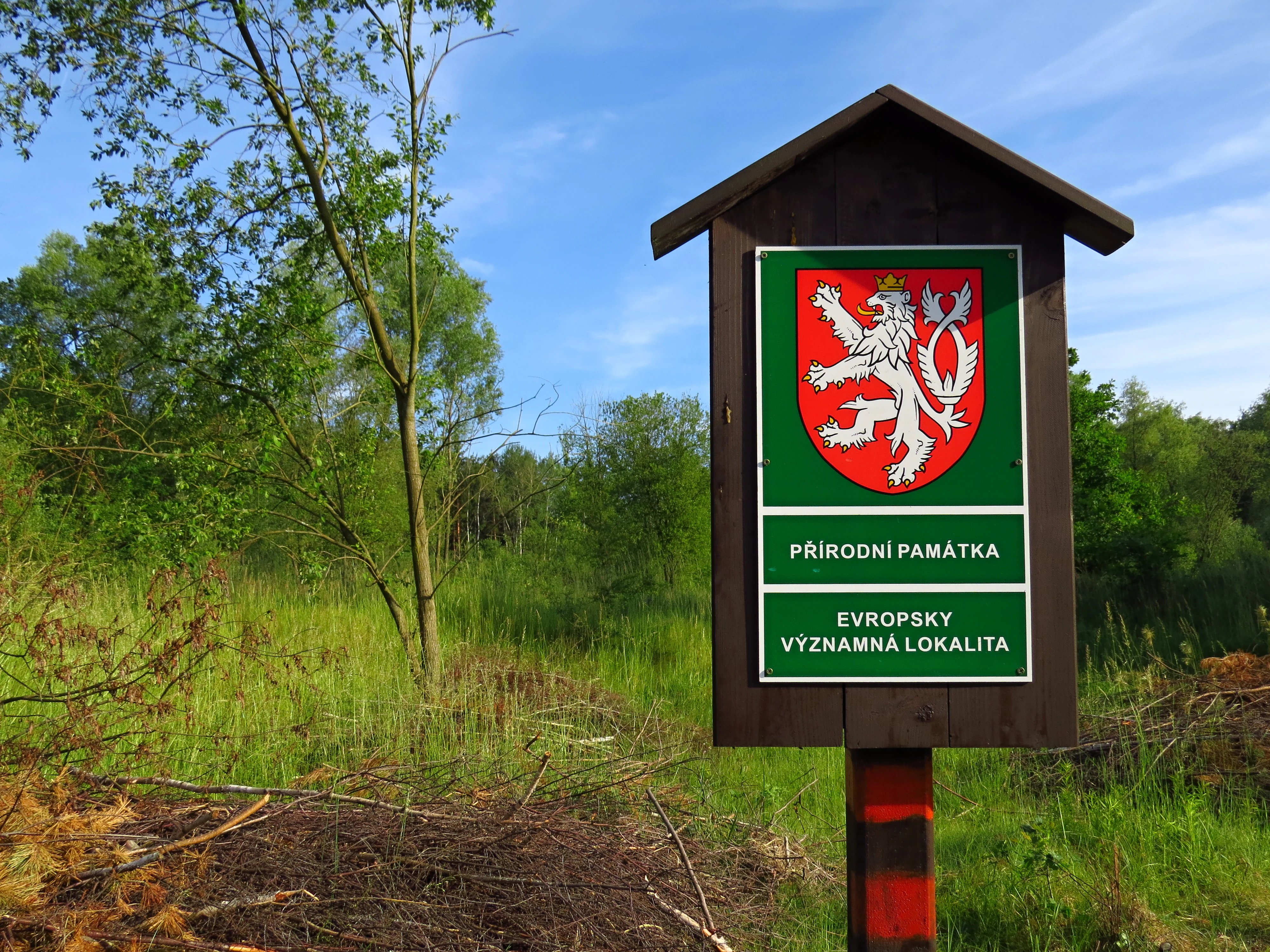
Na Plachtě 3
Natural monument Na Plachtě 3

Na Plachtě 3 Natural Monument history and protected-area timeline

The Na Plachtě landscape has been shaped by human activity for centuries. The first documented references to the area date to the 15th century, when the Jáma and Plachta fishponds were established. Settlement expanded in 1766 with the construction of houses along what is now Brněnská street, followed in 1864 by the founding of the Petrof piano factory. In 1897 the area was taken over by the military as a training ground, and between 1918 and 1939 the site also served as a military airfield. Through the early 20th century the land remained largely open grassland used for grazing, until grazing was banned in 1924 for flight safety reasons.

Intensive military use over the following decades, including sand quarrying in 1945 to 1946 that created the central pond now located in neighboring Na Plachtě 2, kept the landscape unusually disturbed and open. The military continued to use the area, to varying degrees, until 2009, when part of the land was transferred to the Czech Agency for Nature Conservation and Landscape Protection (Agentura ochrany přírody a krajiny České republiky).

Conservationists had been pressing for formal protection of Na Plachtě since the 1980s. In 1992 a proposal for a natural science park combining ecological, research, and educational functions was put to the authorities. In 1998 the neighboring sites Na Plachtě 1 and Na Plachtě 2 were declared as natural monuments, and these were later merged into the single Na Plachtě reserve in 2013 and 2014. In November 2009 a petition initiated by NGOs and signed by about 14,000 residents, handed personally to the regional governor by Dan Bárta, called for the protection of a further adjacent area. This led to the formal declaration of the Na Plachtě 3 natural monument on 13 July 2012. In 2020 a new proposal emerged to route a road to an industrial zone through part of the monument, highlighting the ongoing tension between urban expansion and habitat protection.

Na Plachtě 3 Natural Monument landscape and geographic character

The natural monument sits in lowland terrain at elevations of about 234 to 240 meters above sea level, within the geomorphological framework of the Česká vysočina province and the Východočeská tabule subsystem, specifically the Pardubická kotlina sub-basin. Geologically, the substrate is formed by Upper Turonian and Coniacian marls and calcareous claystones, which in the central part of the area rise close to or to the surface. Overlying these older marine sediments are river terraces of the Orlice river, made up of gravelly sands dating from the Mindel and Riss glacial stages, which give the site its distinctive sandy character.

Climatically, the area lies in the warm T2 climatic region, characterized by long, warm, dry summers and short, mildly warm to very dry winters with only brief snow cover. Annual precipitation is around 600 to 650 millimeters, with summer precipitation lower than winter in some seasons. Soils are weakly podzolized, especially on the sandy terrace deposits.

These conditions produce an open, semi-natural mosaic rather than a forested landscape. Dry heaths, exposed sand patches, low peat-influenced meadows, isolated shrubs, and seasonal pools alternate across the reserve, creating a habitat patchwork that visually feels far removed from the surrounding urban fringe of Hradec Králové.
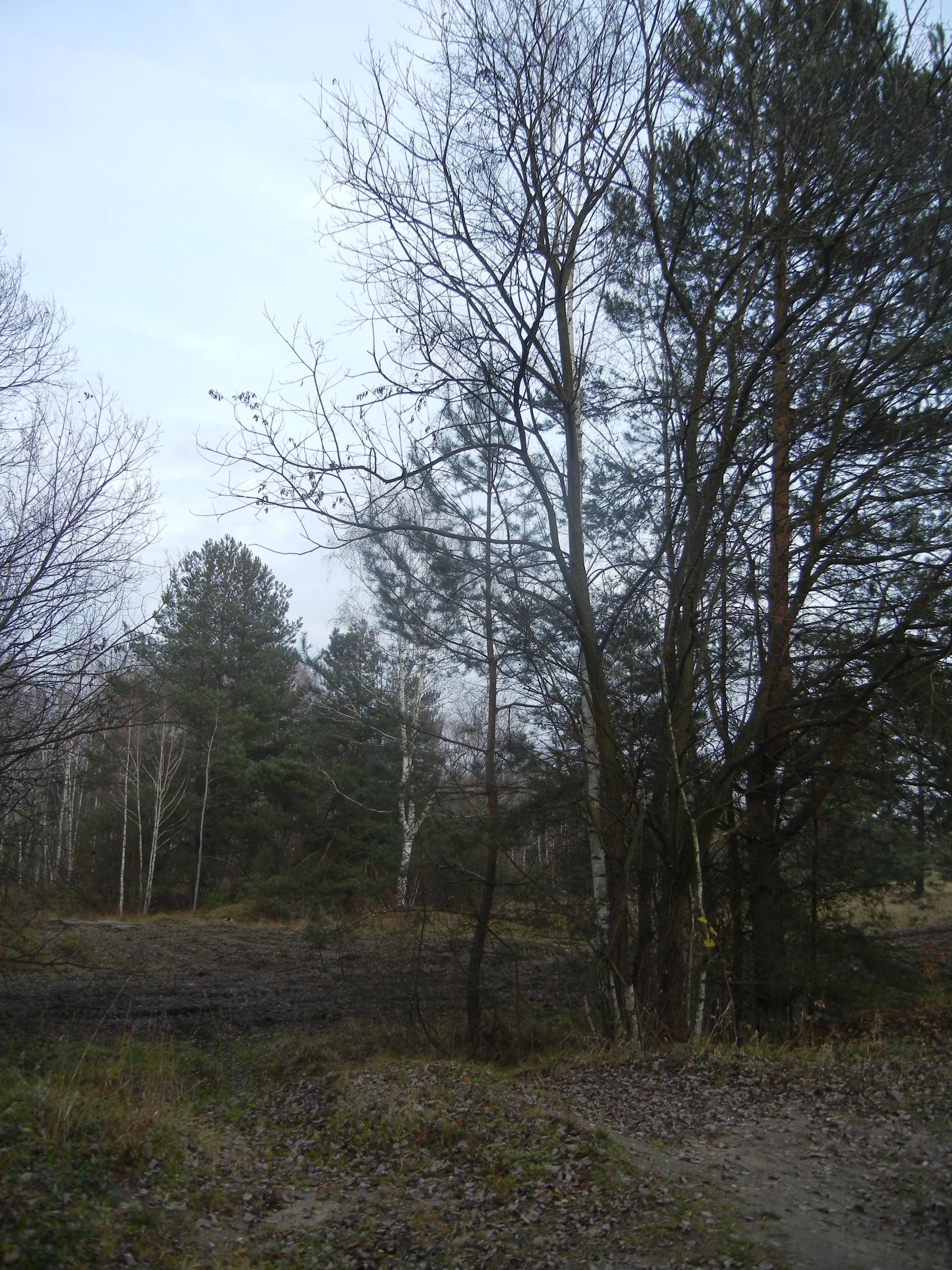
Disturbance in Na Plachte 3
A view of the protected natural area Na Plachte 3 in the Hradec Kralove District, Czech Republic

Na Plachtě 3 Natural Monument ecosystems, habitats, and plant life

Ecologically, Na Plachtě 3 belongs to a small group of inland Czech sites where truly dry, nutrient-poor, sandy and heath habitats persist in an otherwise largely agricultural and urban region. The vegetation grades from the driest sandy habitats, where thrift (Armeria vulgaris) and characteristic sand-loving grasses and forbs dominate, through heath communities rich in heather (Calluna vulgaris), to peat meadow vegetation with moor grass (Molinia caerulea), common quaking grass (Briza media), and meadow sweet (Sanguisorba officinalis). At the wetter end, seasonal pools and ponds support aquatic and semi-aquatic species not found elsewhere on the site.

Particularly important are the early successional stages, the open sandy surfaces, the heathlands, and the periodic water bodies. These habitats host many of the most threatened species and would rapidly degrade without active disturbance. The mosaic of mowing, grazing, burning, mechanical soil disturbance, and pool maintenance is designed to keep the successional clock from advancing and to maintain the precise mix of open habitats the park depends on.

Non-native and ruderal plant species are a recognized pressure and include Canadian goldenrod (Solidago canadensis), tall goldenrod (Solidago gigantea), annual fleabane (Erigeron annuus), evening primrose (Oenothera biennis), Oriental rocket (Bunias orientalis), black locust (Robinia pseudacacia), and common tansy (Tanacetum vulgare), along with native woody colonizers such as birch, pine, and poplar.
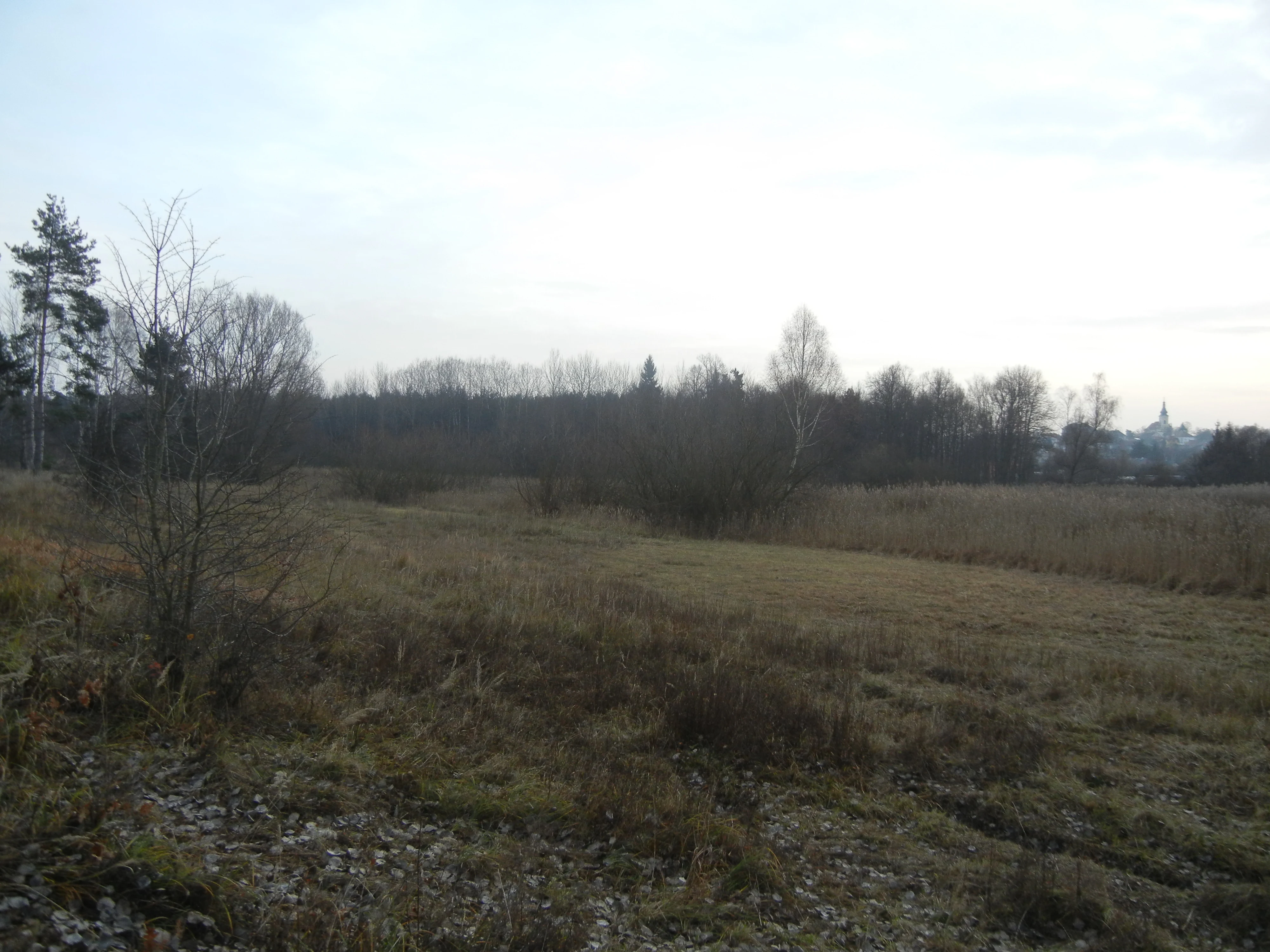
Heathland at Na Plachte 3
Heathland in the Na Plachte 3 nature monument, Hradec Kralove district, Czech Republic

Na Plachtě 3 Natural Monument wildlife and species highlights

The combined Na Plachtě area is exceptionally rich for its size. Across the broader complex, roughly 2,250 animal species have been recorded alongside about 720 higher plant species, 69 bryophyte species, and 107 fungi, with 107 species classed as endangered, strongly endangered, or critically endangered, and 19 species of European conservation significance.

Within Na Plachtě 3 itself, notable vertebrate species include the common viper (Vipera berus) among reptiles and the spadefoot toad (Pelobates fuscus), smooth newt (Triturus vulgaris), and great crested newt (Triturus cristatus) among amphibians. These species depend on the reserve's mosaic of dry habitats for foraging and summer activity and on its old waste deposits, depressions, and seasonal pools as winter refuges, which is one reason cleanup of dumping sites is done selectively.

Invertebrate diversity is a defining feature. The seasonal pools support tadpole shrimp (Triops cancriformis) and fairy shrimp (Branchipus schaefferi), while the meadows are home to two rare butterfly species, the scarce large blue (Maculinea teleius) and the dusky large blue (Maculinea nausithous). Beetle fauna includes the hairy rose beetle (Tropinota hirta) and several oil beetle species in the genus Meloe. The combination of dry sandy patches, meadows, scrub, and temporary pools is the key to this richness.
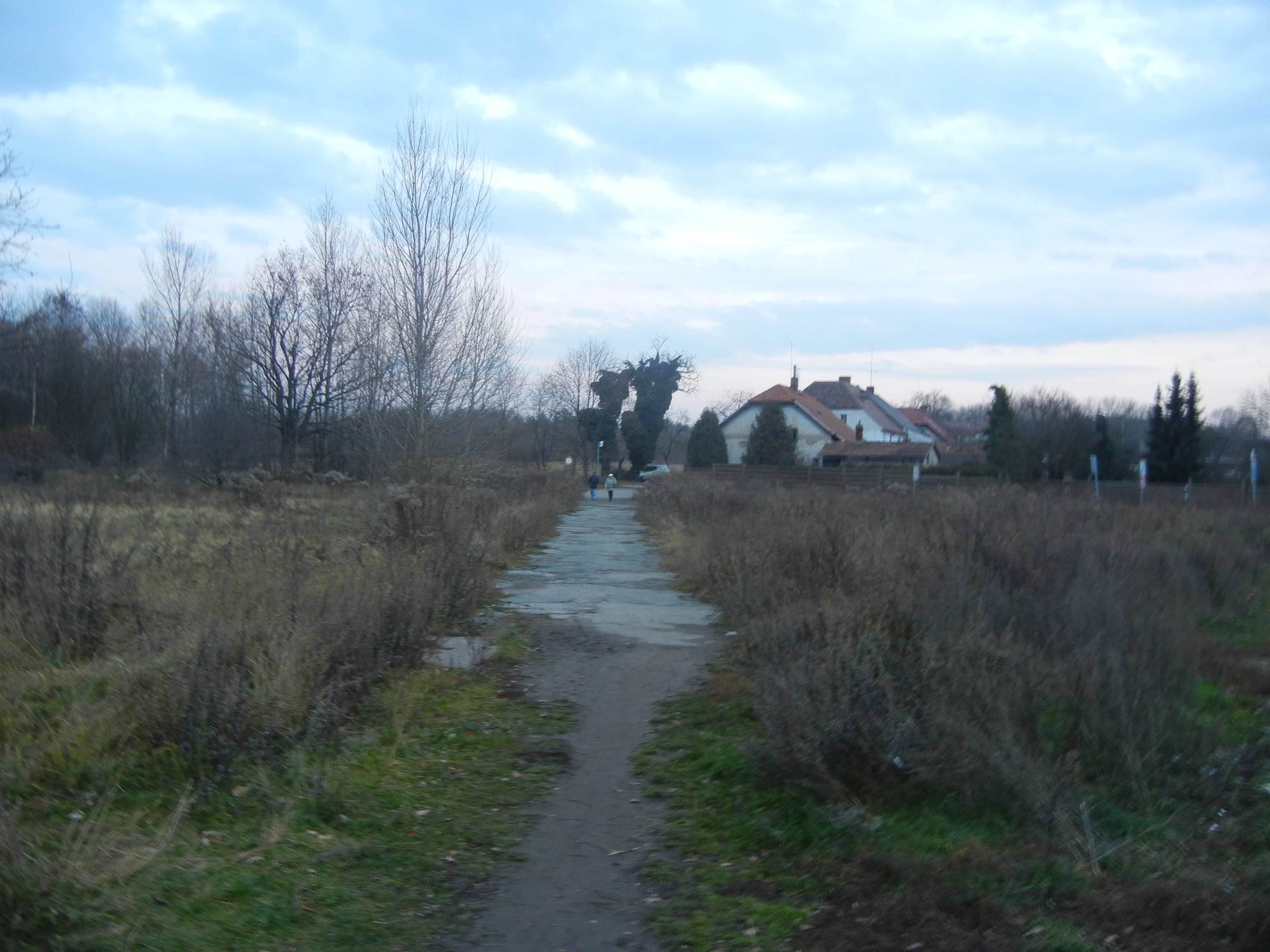
Na Plachtě 3 development
Na Plachtě 3 nature monument in the Hradec Kralove district, Czech Republic

Na Plachtě 3 Natural Monument conservation status and protection priorities

The main conservation objective at Na Plachtě 3 is the preservation and restoration of early successional stages, along with the protection of amphibian and reptile wintering sites. This objective is implemented through a continuous management regime that combines mosaic mowing, invasive plant removal, grazing, mechanical soil disturbance (manual, mechanical, and using horses), heath burning, periodic pool maintenance, and cautious cleanup of illegal waste dumps where old deposits now serve as hibernation habitat.

The reserve sits within the European network of protected areas concerned with habitat and species conservation, and 19 species present across the Na Plachtě complex are considered of European importance. The site also illustrates the broader conservation challenge of protecting small, biodiversity-rich reserves embedded in urban and peri-urban landscapes, where hydrology, light pollution, invasive species, and pressure for new roads and housing all act on a fragile system.

The 2012 declaration of Na Plachtě 3 itself was a direct conservation outcome of public mobilization, demonstrating the importance of civic engagement in protecting small but ecologically significant natural areas in Czech cities.

Na Plachtě 3 Natural Monument cultural meaning and human context

The site carries a layered human history that remains visible in its landscape. Centuries-old fishpond foundations, nineteenth-century industrial expansion along the Brněnská corridor, the long military footprint from the late Habsburg era through both world wars and the Cold War, and the contemporary transition to a community-managed urban nature reserve all leave their mark. The 2009 petition that led to the monument's creation, supported by around 14,000 signatures from local residents and NGOs and handed to the regional governor by the well-known Czech singer Dan Bárta, is itself part of the cultural story of Czech civic environmentalism in the early 21st century.

Today the reserve functions as a green commons for Hradec Králové, used daily by residents of the surrounding neighborhoods for walking, dog walking, and quiet recreation, while also serving as an outdoor classroom for local schools and a research site for biologists and ecologists studying sandy heath systems.

Top sights and standout views in Na Plachtě 3 Natural Monument

Na Plachtě 3 stands out as one of the most species-rich protected sites per hectare in the Czech Republic, with a combined Na Plachtě inventory of roughly 2,250 animal species, 720 higher plants, 69 bryophytes, and 107 fungi, including 19 species of European importance. It is unusual in preserving a genuine mosaic of dry heaths, exposed sands, peat meadows, scattered shrubs, and seasonal pools within a lowland Czech city, an arrangement that requires constant active management to maintain.

The reserve's creation itself, following a 14,000-signature petition personally delivered by Dan Bárta in 2009, is a notable example of community-driven conservation, and the site's continued protection depends on balancing everyday public use against pressures from urban expansion, invasive species, and proposed new road infrastructure.

Best time to visit Na Plachtě 3 Natural Monument

The site lies in the warm T2 climatic region, with long, warm, dry summers and short, mild winters with limited snow cover. Spring and early summer are particularly favorable for visiting, when the dry heaths are in bloom, butterflies such as the scarce and dusky large blues are on the wing, and amphibians are active around the seasonal pools. Late summer and early autumn offer drier conditions and a different character of vegetation, including the peak of heathland flowering. Winter visits are possible but quieter, with fewer active species and only brief snow cover typical of this warm lowland climate.
Monthly climate preview

Long-term temperature and precipitation records measured from 1991 through 2020

Na Plachtě 3 Climate Normals and Monthly Weather Statistics

Historical climate data for Na Plachtě 3 outlines average monthly temperature swings alongside steady precipitation patterns recorded across twelve distinct periods. Examining the complete monthly profile provides deeper analytical context for long-term meteorological conditions at this protected location.
Annual mean8 °C
-3 °C20 °C
Jan-3°
Feb-1°
Mar
Apr
May13°
Jun17°
Jul20°
Aug19°
Sep14°
Oct
Nov
Dec-1°
Warmest month
July

19.6 °C

Coolest month
January

-2.8 °C

Wettest month
July

2.8 mm/day

Driest month
April

1.2 mm/day

Park location guide

Geography guide, regional context, and park location map for Na Plachtě 3 Natural Monument

Na Plachtě 3 Natural Monument park geography, regions, and map view in Czechia

Understand where Na Plachtě 3 Natural Monument sits in Czechia through a broader geographic reading of the surrounding landscape, nearby location context, and its mapped position within the national park landscape.

How Na Plachtě 3 Natural Monument fits into Czechia

Czech Republic is a landlocked Central European country with a population of approximately 10.9 million people. The nation was established as an independent state on January 1, 1993, following the dissolution of Czechoslovakia. Its capital and largest city is Prague, with other major urban centers including Brno, Ostrava, Plzeň, and Liberec.

Wider geography shaping Na Plachtě 3 Natural Monument in Czechia

The Czech Republic is a landlocked country in Central Europe. It is bordered by Germany to the west, Austria to the south, Poland to the northeast, and Slovakia to the southeast. The landscape is predominantly hilly, with the territory covering 78,871 square kilometers.

Map view of Na Plachtě 3 Natural Monument

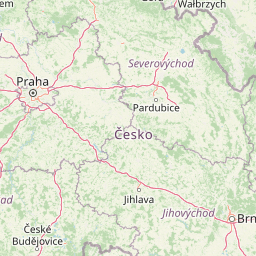
Use this park location map to pinpoint Na Plachtě 3 Natural Monument in Czechia, understand its exact geographic position, and read its mapped placement within the surrounding landscape more clearly.

Pigeon | © OpenStreetMap contributors

Location context for Na Plachtě 3 Natural Monument

Královéhradecký kraj

Visualizing the dry heaths, sandy terrain, and fragile lowland habitats of the reserve

Na Plachtě 3 Photos, Landscape Scenery, and Protected Area Views

Photographic records reveal the open sandy terrain, dry heaths, and seasonal pools defining the natural monument. Visual documentation helps visitors examine the distinctive ecological structure and protected habitats preserved within the lowland landscape.

Na Plachtě 3

Disturbance at Na Plachte 3

Disturbance in Na Plachte 3

Heathland at Na Plachte 3

Na Plachtě 3 development

Park atlas

Compare surrounding natural monuments and regional lowland reserves

Parks Near Na Plachtě 3 And Related Protected Landscapes

Browsing other protected areas near Na Plachtě 3 reveals broader ecological patterns across the surrounding lowland terrain. Comparing adjacent reserves helps contextualize sandy heath habitats and regional conservation networks.
Nature reserveCzechia
About 0 km away#1 closest

Northwest

Na Plachtě Nature Reserve: Mapped Wetlands and Conservation Geography in Czechia

Urban-edge wetland mosaic with ponds and peat meadows

Located in eastern Bohemia, the Na Plachtě nature reserve encompasses a 39-hectare landscape of ponds, marshland, and sandy patches. This important Natura 2000 protected area offers a deep look into specialized amphibian and insect habitats, maintained through active management and community-led conservation efforts.

Area
0.388 km²
Established
2013
Scope
Terrestrial
Water
Major water bodies
Natural monumentKrálovéhradecký kraj
About 2.4 km away#2 closest

Southwest

Roudnička a Datlík Natural Monument: Wetland Geography and Protected Landscape Context

A vital ecological refuge within the Královéhradecký landscape.

Roudnička a Datlík protects a rare wetland mosaic of fishponds, reedbeds, and purple moor-grass meadows on the edge of the East Bohemian table. This natural monument remains a key site for regional conservation management, supporting a variety of orchids and waterbirds within an urban-fringe environment. Explore the site's mapped boundaries and its role in protecting lowland biodiversity.

Area
0.297 km²
Established
1988
IUCN
IV
Relief
Lowland
Natural monumentKrálovéhradecký kraj
About 16 km away#3 closest

North

Vražba Natural Monument: Botanical Geography and Protected Lands in Královéhradecký Kraj

A rare habitat for critically endangered Central European flora.

Vražba is a specialized protected area located in the Královéhradecký region, designated primarily to stabilize populations of the critically endangered ladybells. Its landscape consists of managed woodland edges and semi-open grassland patches, creating a highly specific environment for rare botanical communities. This site stands as a prime example of targeted habitat management within the broader Czech protected-area network.

Area
0.078 km²
Established
2011
IUCN
III
Natural monumentPardubice Region
About 25 km away#4 closest

Southwest

Meandry Struhy Natural Monument: A Case Study in Elbe Lowland Stream Geography

Riparian forests and winding stream channels in Pardubice Region.

Meandry Struhy stands as a significant natural monument in the Pardubice Region, protecting the unique geomorphology of a freely meandering stream. The area provides a rare look at undisturbed riparian galleries, floodplain forests, and vital nesting habitats for lowland bird species. This protected landscape offers a clear view into the ecological processes of the Elbe lowlands, where natural watercourse behavior continues to shape the local environment.

Area
0.402 km²
Established
1980
IUCN
IV
Relief
Lowland
Natural monumentKrálovéhradecký kraj
About 29 km away#5 closest

Northwest

Veselský háj Natural Monument: Geographic Boundaries and Protected Landscape Context

Lowland forest and wetland mosaic in the Czech Republic

Veselský háj stands as a key natural monument in the Královéhradecký kraj region; characterized by its well-preserved oak-hornbeam woodland and diverse botanical assemblages. The site offers a window into the structure of Bohemian lowland ecosystems, where rare species like the Siberian iris and violet helleborine thrive within a matrix of ancient forest and open water. Explore the boundaries and topographic features of this significant protected terrain.

Area
442.71 km²
Established
1998
IUCN
III
Relief
Lowland
Protected landscapeChrudim District
About 31 km away#6 closest

Southwest

Přírodní park Heřmanův Městec: Geographic Profile and Protected Landscape Boundaries

Tracing the elevation transitions of the Chrudim District foothills

This protected landscape in the Chrudim District merges man-made baroque vistas with natural oak woodlands. The park terrain rises over 100 metres from water-side flats to forested ridges, providing a distinct study in regional geology and calcareous soil habitats that support rare beetle and bat populations.

Area
3.41 km²
Established
1996
Relief
Mixed relief
Climate
Temperate
Natural monumentKrálovéhradecký kraj
About 32 km away#7 closest

West

Víno Natural Monument: Mapped Protected Landscapes and Geographic Overview

Protected oak and hornbeam forest in eastern Bohemia

Víno Natural Monument is a significant protected area within the Královéhradecký kraj region, focused on the conservation of century-old broadleaf woodland. This location preserves essential deadwood microhabitats and diverse plant species, offering a clear example of lowland forest ecology integrated into the cultivated landscape of eastern Bohemia.

Area
0.725 km²
Established
2013
IUCN
III
Relief
Lowland
National parkDolnośląskie
About 41 km away#8 closest

Northeast

Park Narodowy Gór Stołowych: A Geologic Atlas of Table Mountains in Lower Silesia

Mapping sandstone labyrinths and protected forest plateaus in the Sudetes

Explore the definitive map and geographic profile of Park Narodowy Gór Stołowych, a protected area characterized by its horizontal sandstone layers and dramatic rock towers. This atlas entry provides insight into the park's sedimentary landscape, covering iconic summit plateaus, dense forest environments, and the contrasting igneous geology of the surrounding terrain.

Area
63.402 km²
Established
1993
Visitors
1.3M annual
Relief
Mountain

Common questions about visiting, size, designation, and location context for Na Plachtě 3 Natural Monument

Na Plachtě 3 Natural Monument FAQs for park facts, access, geography, and protected area context

Find quick answers about Na Plachtě 3 Natural Monument, including protected-area facts, park geography, trail and visitor context, and how the park fits into its surrounding country and regional landscape.
MoriAtlas Explorer

Continue Your Protected Areas Search Across the Global Atlas

Deepen your exploration by continuing the structured search for national parks and protected areas worldwide. Utilize the comprehensive filtering capabilities to compare different conservation landscapes and refine your understanding of global park geography. Discover more about the distribution and characteristics of protected natural areas.

Global natural geography