
Why Naturpark Lüneburger Heide stands out
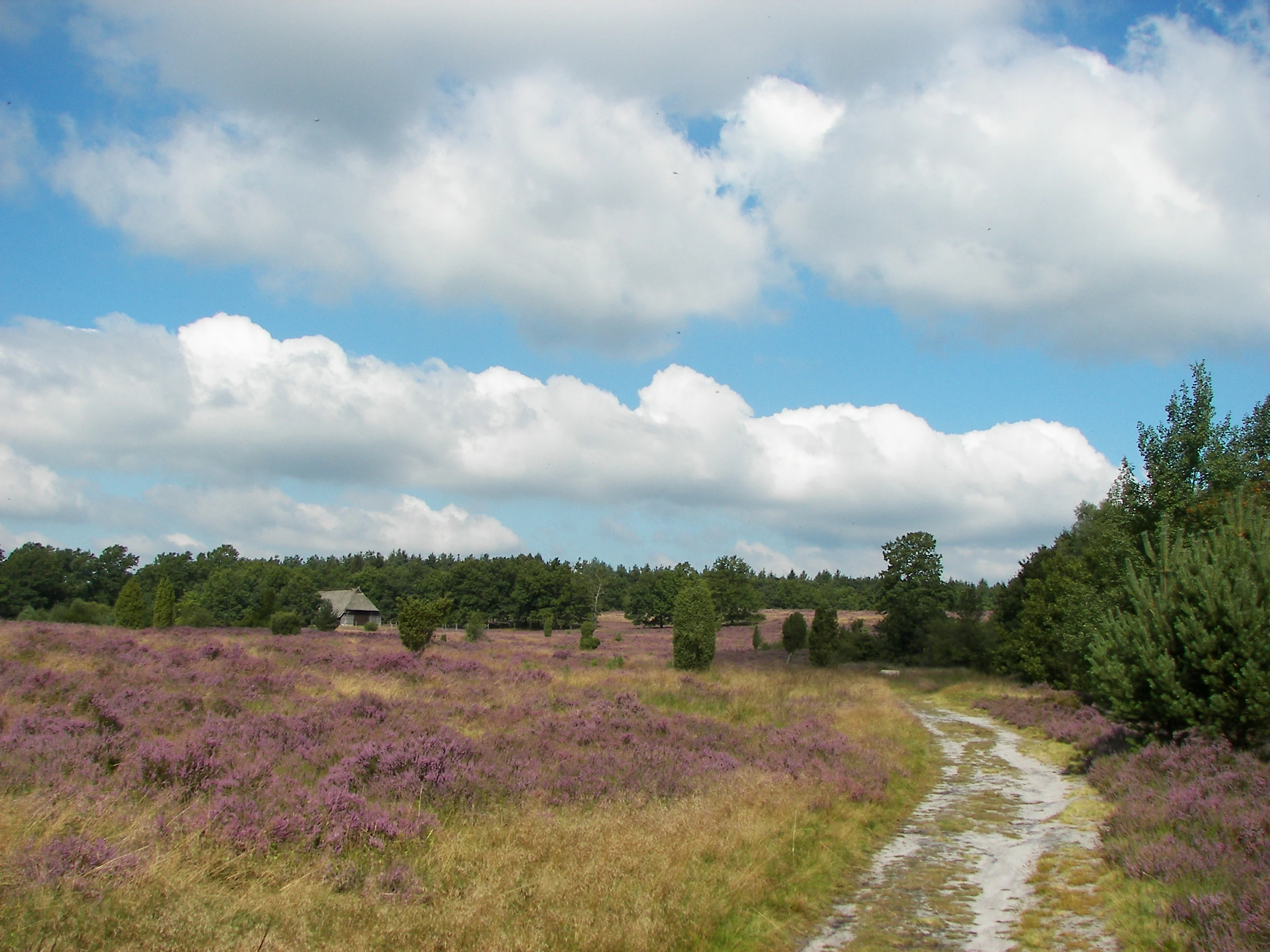
The park is internationally known for its vast heath landscapes, particularly the violet blooming heather of Calluna vulgaris that colors the countryside in late summer. Within the core reserve, the Wilseder Berg rises as a distinctive landmark surrounded by more than 5,500 hectares of heath, the largest contiguous inland dwarf-shrub heath of agricultural origin in Central Europe. The park is equally recognized for hosting the most significant remaining population of black grouse (Birkhuhn) in the Central European lowlands, surviving thanks to decades of dedicated habitat management by the Verein Naturschutzpark and the Stiftung Naturschutzpark Lüneburger Heide.
Naturpark Lüneburger Heide history and protected-area timeline
The origins of Naturpark Lüneburger Heide reach back to the early conservation movement in Germany. In 1910, Pastor Wilhelm Bode persuaded the Verein Naturschutzpark (VNP) to acquire land around the Wilseder Berg in the Lüneburger Heide. In 1922, the Prussian government declared these areas a nature reserve, formally establishing what would later become core of the nature park and making Germany home to the first nature park in the country.
A second founding figure was Alfred Toepfer, who served as chairman of the VNP from 1954 to 1985 and was instrumental in advancing the Naturpark concept throughout Germany. For many decades, the boundaries of the original nature reserve and the nature park were essentially identical, making the Lüneneburger Heide the smallest nature park in Germany.
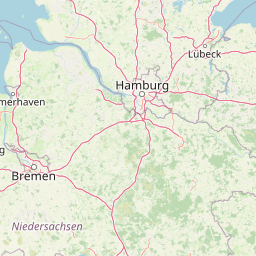
In June 2006, the Verein Naturparkregion Lüneburger Heide was founded to assume stewardship of a larger, expanded park. In early 2007 the park grew roughly four-and-a-half times in size to about 1,078 square kilometers, and in December 2023 a second expansion added additional land from the Hanseatic city of Lüneburg, bringing the current total to about 1,098 square kilometers. Since 2015 the region has been recognized as a LEADER region, channeling European Union support for sustainable regional development. Since 2023 it is also part of the Nationale Naturlandschaften alliance.
Naturpark Lüneburger Heide landscape and geographic character
The landscape of Naturpark Lüneburger Heide is a gentle, glacially shaped terrain of low uplands, valleys, moors, and heath plains. The terrain around the Wilseder Berg, the most prominent summit in the reserve, rises modestly above the surrounding countryside, providing wide panoramas over the heath expanse. Across the broader park area, the relief and drainage pattern reflects the influence of past glaciation, with bogs and small mires occupying low-lying basins and sandy ridges supporting both heath and forest.
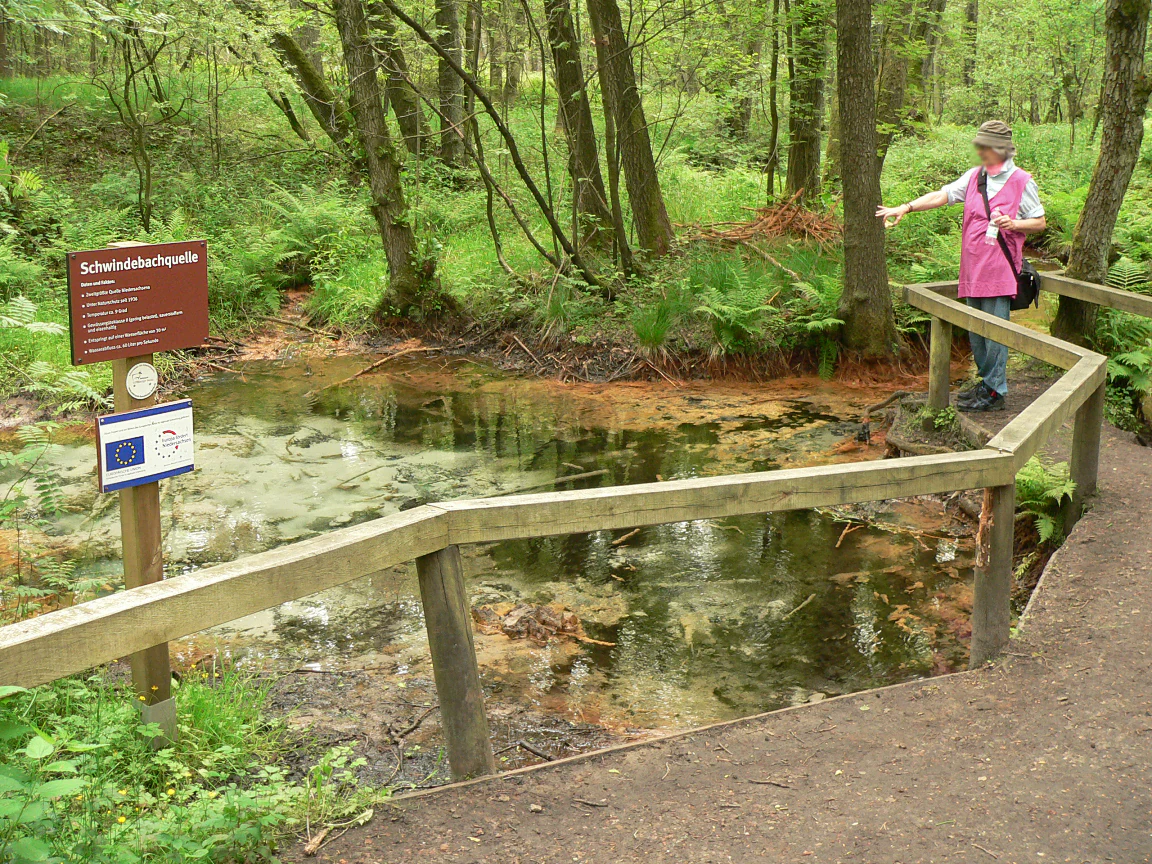
Two of the most distinctive landforms in the park are geological features that have been designated as natural monuments. The Grundlose Kuhle near Soltau is a remarkable karst sinkhole roughly 40 meters in diameter with a near-circular pond about 20 meters across and 5 meters deep, formed by salt leaching in the subsurface. The Schwindebach spring near Schwindebeck is among the strongest natural springs in northern Germany, discharging about 60 liters per second and protected since 1936. Such features add geological depth to a landscape otherwise defined by sweeping open vistas.
Naturpark Lüneburger Heide ecosystems, habitats, and plant life
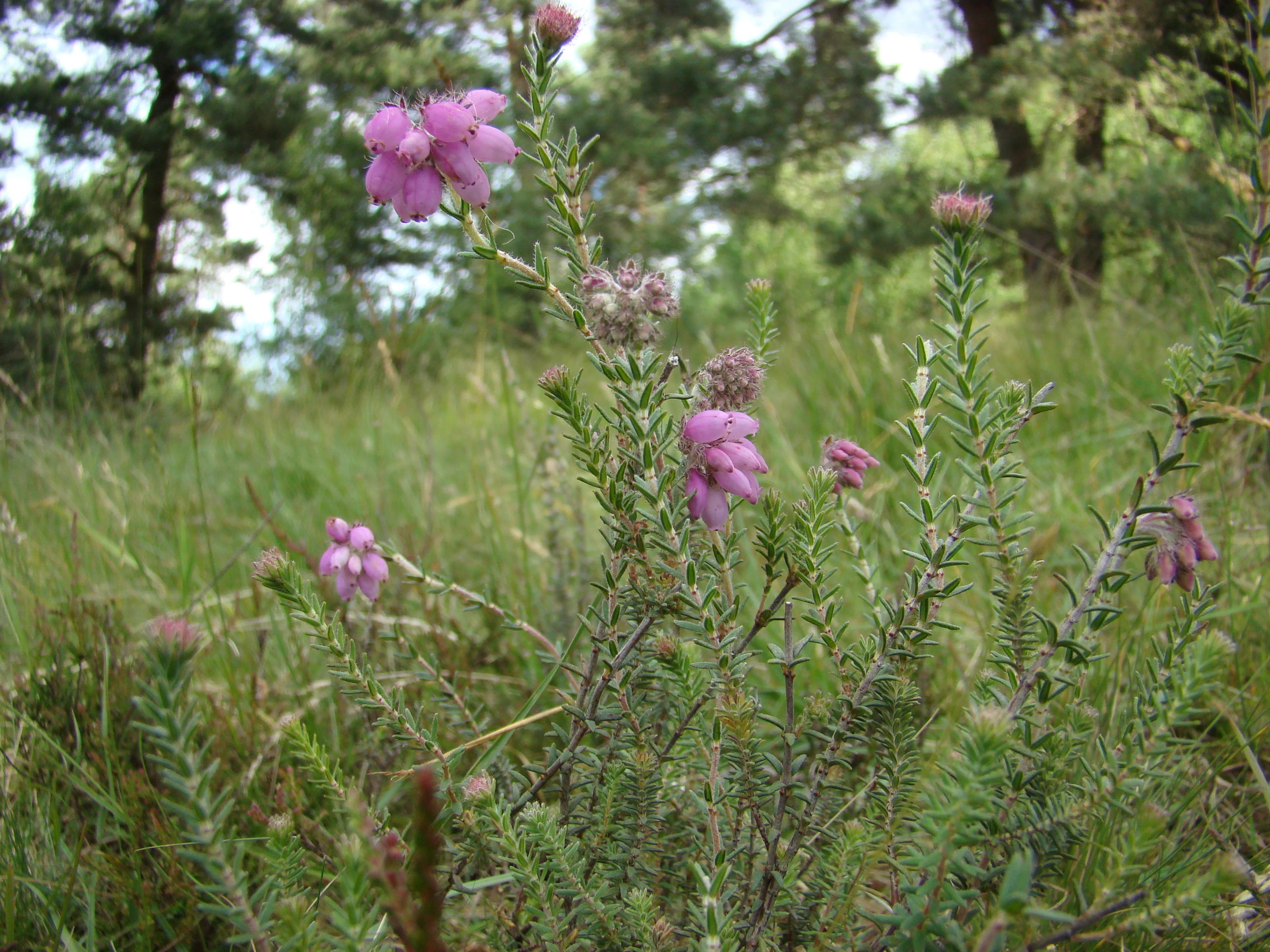
Ecologically, the park is dominated by a finely balanced cultural landscape of heath, bog, and forest. The most iconic vegetation is the common heather (Calluna vulgaris), whose purple bloom shapes the visual character of the core reserve each August and September. On wetter, nutrient-poor sites, cross-leaved heath (Erica tetralix) forms gentler carpets in moors and damp heaths. Common juniper (Juniperus communis), a pioneer of open heath, dots the landscape as both shrub and column-like small tree and provides crucial shelter for saplings against grazing animals.
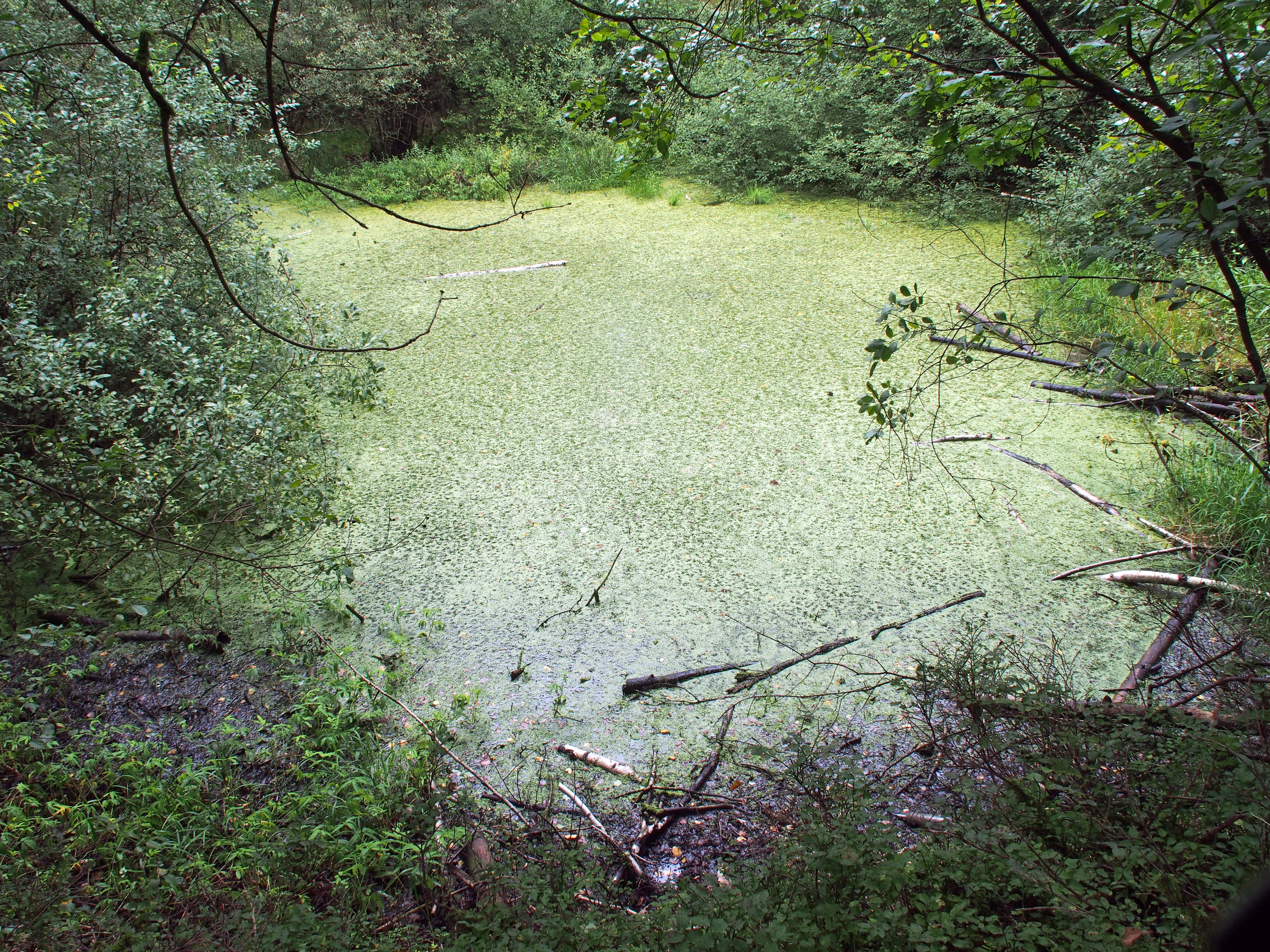
In addition to open heath, the park supports extensive bog systems, including several protected nature reserves such as the Oberes Fintautal, the Riensheide with Stichter See and Sägenmoor, and the Seemoor und Schwarzes Moor bei Zahrensen. Forests, covering more than 30 percent of the park area, range from pine-dominated stands on sandy soils to mixed deciduous communities on richer sites. The interplay of these habitats, maintained through traditional land management, is what gives the park its distinct ecological character and supports its status as a refuge for species of the open cultural landscape.
Naturpark Lüneburger Heide wildlife and species highlights
The park is most celebrated for its black grouse (Birkhuhn) population, which survives in the core nature reserve thanks to decades of effort by the Verein Naturschutzpark and other conservation bodies. The Lüneburger Heide hosts the largest contiguous population of black grouse in the Central European lowlands, an unusual concentration given that the species is classified as endangered (Gefährdungsstufe 2) on Germany's Red List. The birds depend on open moorland and heath with scattered birch and spruce and a rich herb layer; threats include predation by foxes and wild boar as well as ongoing habitat loss.
The Heidschnucke, a hardy breed of heath sheep, is itself a defining element of the park's fauna and the primary tool of habitat management. Grazing by these animals and other livestock suppresses tree seedlings and maintains the open character of the heath. Other characteristic species of the cultural landscape find refuge in the mixture of heath, bog, and forest edges.
Naturpark Lüneburger Heide conservation status and protection priorities
Beyond its visual and cultural appeal, Naturpark Lüneburger Heide is a landscape of significant conservation value. As Germany's oldest nature park and an IUCN Category V Protected Landscape, it has shaped thinking about integrated conservation, sustainable land use, and public engagement with protected landscapes for more than a century.
The park embodies a conservation philosophy that history matters as much as biology, recognizing that its heathlands are not natural wilderness but rather the product of centuries of careful grazing, mowing, controlled burning, and woodland management. Sustaining them therefore requires continuing traditional land use, supported by the Stiftung Naturschutzpark Lüneburger Heide, the Verein Naturschutzpark, and the Verein Naturparkregion Lüneburger Heide along with numerous farmers and local volunteers. Authorities use a suite of tools including nature reserves (Naturschutzgebiete), landscape protection areas (Landschaftsschutzgebiete), and designated natural monuments (Naturdenkmale) ranging from ancient oaks and erratic boulders to the karst sinkhole and the Schwindebach spring. Membership in the Nationale Naturlandschaften alliance since 2023 underlines the park's national importance for biodiversity conservation.
Naturpark Lüneburger Heide cultural meaning and human context
The Lüneburger Heide is a landscape inseparable from human culture. The heathland itself is a cultural artifact, kept open by generations of shepherds and farmers using traditional methods such as grazing with Heidschnucken, hand-cutting, and controlled burning. Local dialects, village layouts, memorial stones (such as the Findling at Raven), and traditional crafts rooted in the heath still shape the identity of the region. Cultural figures such as Pastor Wilhelm Bode, often regarded as a father of the Lüneburger Heide conservation movement, are part of the regional memory, and a dedicated Pastor-Bode-Weg long-distance path runs through the park.
Regional food culture reinforces this identity. Heidehonig (heath honey), Heidschnuckenfleisch (heath lamb meat), the protected Lüneburger Heidekartoffel, heath blueberries, asparagus, and buckwheat are all signature products of the park landscape, supported by a network of more than 90 regional partner businesses in the nationwide RegioAPP and sustained by the Schutzgemeinschaft Lüneburger Heidekartoffeln.
Top sights and standout views in Naturpark Lüneburger Heide
Naturpark Lüneburger Heide stands out for the combination of historical weight and ecological richness. It is the founding example of Germany's Naturpark system, a status that gives it not only longevity but exceptional institutional knowledge. Its heathlands are unique in Central Europe, representing the largest contiguous inland dwarf-shrub heaths of agricultural origin on the continent and providing a refuge for the last substantial Central European lowland population of black grouse.
Visitors encounter a working cultural landscape shaped by sustainable traditions: the centuries-old practice of Heidschnucken grazing, the heritage of horse-drawn carriages that have traversed the heath for more than a century, and the dedicated conservation work of institutions such as the Stiftung Naturschutzpark. Layered on top are modern sustainability efforts, certification schemes, education programs, and a free seasonal shuttle bus, all of which make the park both a conservation site and a model of integrated rural development.
Best time to visit Naturpark Lüneburger Heide
The most celebrated moment in the park's annual cycle is the heath bloom, when the Calluna vulgaris heather erupts into a sweep of pale violet across the reserve and surrounding districts. As a traditional rule of thumb, the bloom occurs between about August 8 and September 9, though weather can shift the peak by more than a week in either direction.
Beyond the bloom season, late spring through early autumn is generally the most rewarding time to experience the open heath landscape, the bogs, and the juniper stands at their most accessible. Summer and early autumn also coincide with the Heide-Shuttle season, which runs from mid-July to mid-October, providing free public access to the park by bus with bicycle trailers.