
Trip Timing Basics
When to Visit New Forest National Park: Understanding the Seasonal Trade-offs
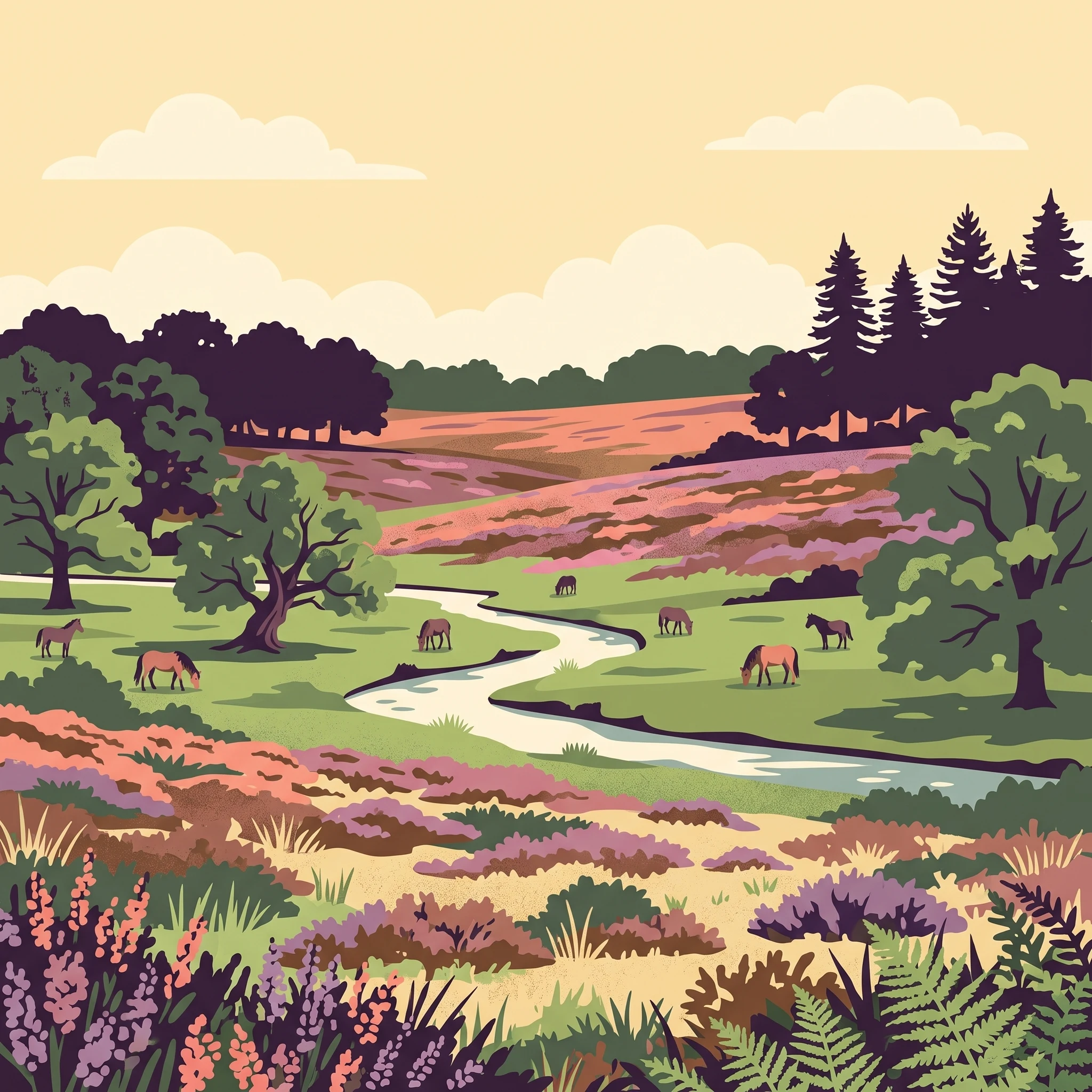
Deciding when to visit New Forest National Park is a trade-off between the desire for stable, longer daylight hours and the appreciation for the quieter, atmospheric moods of the shoulder seasons. There is no single universal window that caters to every traveller, but the most popular timing focuses on late spring and early summer. During this period, the landscape benefits from the longest daylight hours and moderate temperature ranges, creating favorable conditions for observing the free-roaming ponies and exploring the network of heathland and woodland paths.
Balancing Daylight and Atmospheric Conditions
The primary factor shaping the experience in this region of Hampshire is the interplay between the relatively mild climate and the variability of British weather. As a national park that remains open throughout the year, the environment changes significantly from the lush, vibrant green of May and June to the cooler, more muted tones of autumn. Visitors prioritizing outdoor exploration often find the period from late spring through August offers the most reliable daylight, with summer temperatures peaking in the mid-to-high twenties Celsius. Conversely, travelers who prioritize solitude or a more intimate connection with the ancient forest architecture may prefer the transition months, where the crowds dissipate and the woodland light becomes softer, despite higher humidity and precipitation risks.
Seasonal Weather Trade-offs
Rainfall and wind patterns significantly influence the suitability of the forest for different activities. While the winter months are marked by shorter days and a higher likelihood of damp, overcast conditions, the park retains its character during these times, provided visitors are prepared for the elements. The transition periods in spring and autumn present a different set of challenges, particularly regarding ground conditions in the valley mires and woodland trails. Understanding that the park is a living, working landscape maintained by common grazing rights is essential for all visitors, regardless of the time of year. Because the local environment is sensitive to these fluctuations, the choice of when to arrive should hinge on your tolerance for changeable weather versus your interest in seasonal wildlife activity or specific woodland aesthetics.
Before finalizing your travel plans, remember that the environmental conditions described are historical normals, not current forecasts. Because the region is subject to the unpredictable nature of southern England, always verify short-term conditions and any specific alerts before heading out. Whether you choose the active warmth of the summer months or the evocative quiet of the colder, darker season, the core experience of the ancient forest remains accessible and defined by its enduring common land traditions.
Seasonal Planning
Best Months to Visit New Forest National Park at a Glance
Peak Wildlife and Long Daylight Windows
For travellers prioritizing outdoor immersion, the period from May through July represents the most statistically favorable window for daylight and moderate temperatures. With daylight hours peaking at over 16 hours in June, visitors have the longest possible timeframe to explore the heathlands and ancient woodlands. This late spring and early summer period sees average daily maximum temperatures climb from roughly 22°C in May to nearly 28°C in July. These conditions provide the most stable environment for spotting the famous free-roaming ponies and rare heathland birds, such as the Dartford warbler. The primary trade-off during these months is the potential for higher visitor density, as the mild weather attracts more people to the open landscapes, and the lack of substantial canopy shade in the expansive heath areas can result in warmer trekking conditions than the forest floor might suggest.
The Autumn Foliage and Cooling Transition
September and October offer a distinct atmospheric shift that appeals to those seeking cooler temperatures and the visual spectacle of the changing season. As average maximums retreat from the mid-20s in September to just under 20°C in October, the forest floor and tree canopy begin their seasonal transformation. This window is particularly well-suited for woodland photography and quieter walks, as the intense summer activity levels typically subside. While rainfall averages increase from roughly 2 mm per day in summer to nearly 3 mm per day by October, the trade-off of potentially damper conditions is often offset by the vibrant foliage and the onset of the pannage season, a traditional agricultural practice where pigs are released into the woods to forage for acorns. This period requires a more flexible approach to outdoor gear due to the increasing variability in weather.
Quietude and Off-Peak Exploration
Visitors who prioritize solitude and do not mind colder, shorter days will find the months from November through February to be the most tranquil. While average temperatures drop toward the freezing point, particularly during overnight lows in January and February, this window offers a raw, unfiltered view of the forest landscape. Daylight is significantly limited, falling below 8 hours in December, which necessitates careful planning for any long-distance treks. The relative humidity often exceeds 90% during these months, and the ground conditions can be soft or muddy due to consistent winter precipitation. The advantage of this period is the near-total absence of seasonal congestion, allowing for an intimate experience with the forest's rugged character, though one must balance the reward of solitude against the logistical reality of limited daylight and the requirement for robust, weather-resistant clothing.
Climate and Weather Data
Monthly Weather and Climate Trends in New Forest National Park
Annual Temperature Patterns and Seasonal Shifts
The climate in the New Forest is defined by a gradual annual progression rather than sudden, extreme shifts. From a baseline of around 4.5 degrees Celsius in mid-winter, mean temperatures climb steadily to peak in July, which often reaches a mean of 17.2 degrees Celsius. While these long-term climate normals highlight clear trends, visitors should understand that these are multi-year averages recorded at a fixed elevation of approximately 89 meters. They are not local forecasts and cannot guarantee conditions for any specific week, as southern England is known for its atmospheric variability.
Spring offers the most dynamic period for temperature change. As the region moves from March into May, the average maximum temperature transitions from a crisp 15 degrees Celsius to a much warmer 22 degrees Celsius. This warming period is crucial for those planning outdoor itineraries, as it marks the point where the bite of winter dissipates and the forest floor begins to dry. Conversely, the transition from September into October brings a rapid cooling trend, with average maximums dropping from 24 degrees Celsius toward 19 degrees Celsius, signaling the onset of the autumnal decline.
Precipitation Trends and Humidity Dynamics
Rainfall in the forest follows a distinct seasonal rhythm, with the late autumn and early winter months being the most consistently damp. December and November see the highest precipitation levels, often exceeding 3 millimeters per day on average. This is compounded by relative humidity levels that frequently climb toward 95 percent during these darker months, contributing to the persistent, atmospheric dampness often associated with the park in late year.
In contrast, the period from March through July is generally the most stable and driest window, with precipitation averages consistently hovering near or below 2 millimeters per day. While low rainfall does not equate to a total lack of showers, these months provide the longest dry intervals for those looking to traverse the heathland and ancient woodlands without the complication of muddy paths. Humidity also reaches its annual low point in July, offering a more comfortable, breathable air quality compared to the saturated conditions of the year end.
Daylight Hours and Wind Exposure
Daylight is perhaps the most significant variable for those planning deep exploration of the forest. The park experiences a substantial swing in available light, ranging from just under 8 hours of daylight in December to more than 16 hours during the peak of June. This extra daylight in midsummer provides a massive functional advantage for visitors, effectively doubling the time available for hiking or pony spotting compared to the depths of winter.
Wind exposure remains relatively consistent across the year, though it tends to be slightly more pronounced during the winter months when low-pressure systems are more frequent. While average wind speeds sit between 4 and 6 meters per second, the open nature of the heathland means that gusts can feel more direct than in the dense, sheltered canopy of the ancient beech woods. When evaluating these trends, it is essential to remember that these figures serve as a long-term climate context. Real-time conditions, especially in a landscape as exposed as the New Forest, can fluctuate significantly. Visitors should always consult official meteorological services for immediate forecasts closer to their departure date.
Annual Climate Phases
Seasonal Weather Patterns in New Forest National Park
The Shift from Stable Sunlight to Atlantic Dampness
While the New Forest does not follow the rigid four-season model often applied to continental climates, its rhythm is dictated by a clear transition between high-pressure stability and low-pressure volatility. The core distinction lies in the shift from the bright, consistent conditions of late spring and early summer to the darker, moisture-laden patterns that dominate late autumn and winter. Understanding this division helps visitors anticipate when environmental conditions favor long-distance walking versus quiet, atmospheric exploration.
Late Spring and Summer: The Period of Maximum Light
Running from May through early August, this phase represents the most stable climate window for outdoor activities. This period is defined by longer daylight hours, peaking in June and July, which offer the most significant opportunity for traversing the forest's expansive heathlands and ancient woodlands. Temperature ranges during these months are at their most hospitable, with mean temperatures often between 12°C and 17°C, though daily maximums can occasionally reach higher. Because these months experience the lowest relative humidity and the most consistent daylight, they are the best aligned for visitors aiming to maximize their time outside. It is worth noting, however, that while these months are generally drier than the winter peak, they are not immune to brief, unpredictable shifts in weather characteristic of the Hampshire region.
Autumn: The Transitional Cooling Phase
September serves as a critical bridge month, marking the transition from the warmth of late summer to the onset of autumnal dampness. By October, the character of the forest changes noticeably as daylight hours shorten rapidly and precipitation trends begin to climb toward the higher monthly averages seen in the final quarter of the year. This period is characterized by cooling mean temperatures, which drop toward 11°C in October and 7°C in November. Visitors during this phase will observe a shift in the landscape as humidity increases and the forest floor becomes more saturated. This is not merely a colder version of summer, but a distinctly atmospheric phase where the risk of rain increases and ground conditions underfoot start to change, requiring more cautious planning for those exploring the deeper woodland trails.
Winter: The Low-Sunlight Season
December through February marks the deepest part of the annual cycle, defined by the shortest daylight hours and the highest relative humidity, often exceeding 92%. While extreme cold is not a constant, the consistent presence of dampness and the lower average temperatures mean that the environment is markedly different from the rest of the year. Mean temperatures during this window hover near 4°C to 5°C, with frequent overcast conditions. This phase is less about temperature extremes and more about the challenge of limited daylight and persistent, localized moisture. The forest remains accessible, but the conditions prioritize resilience over the ease of movement found during the brighter months, making this period the most suited for those who specifically seek the quiet, solitary character of a dormant landscape.
Seasonal Experiences
Seasonal Shifts and Activities in New Forest National Park
The experience of visiting the New Forest is fundamentally dictated by the interplay between the park's lowland habitats and the seasonal shifts in light and ground conditions. Understanding these changes helps in aligning your visit with the specific atmosphere or wildlife interactions you hope to find. ### Woodland Exploration and Canopy Dynamics Ancient woodlands, such as Mark Ash Wood and Mallard Wood, undergo a dramatic transformation that influences walking conditions. During the late spring and early summer months, when daylight extends toward its peak in June, the leaf canopy reaches full density, creating shaded, cool environments for hikers. This period is well-suited for those who prefer navigating the dense, dappled light of historic beech forests. As the year progresses into autumn, the ground moisture increases and the canopy thins, exposing the forest floor and providing a different perspective on the ancient, twisted silhouettes of the trees. Visitors focusing on forest photography or those who appreciate the structural character of the landscape may find the lower-sunlight months of late autumn and early winter offer a clearer view into the woodland depths, though this requires preparation for wetter, softer ground conditions.
Observing Semi-Wild Grazing Animals The New Forest is defined by its working landscape, where ponies, cattle, and sometimes pigs roam freely across open heaths and village greens. Because these animals are not confined to specific enclosures, their distribution across the park is constant throughout the year, but their visibility and behavior can vary. During the warmer months, animals often congregate in open heathland or near shaded spots to escape the heat, making them more prominent to visitors exploring these broader areas. As temperatures drop and daylight hours shrink toward the winter minimum, grazing patterns may shift toward more sheltered areas or roadside verges where vegetation remains accessible. Regardless of the season, these animals are an integral part of the forest's ecology and require visitors to maintain a respectful distance, particularly as their needs for forage change with the seasons. It is essential to remember that these are not park-managed exhibits but semi-wild animals navigating a living ecosystem.
Heathland Habitats and Specialized Wildlife The open heathlands represent some of Europe's rarest habitats, and their appeal shifts significantly with the annual cycle. In the period from late spring through mid-summer, these vast, exposed tracts are central to the forest experience. Longer daylight hours allow for extended exploration of the heathland footpaths. This timeframe is often the most productive for those interested in the forest's specialized biodiversity, including bird species that nest within the heather and rare reptiles that become active as temperatures rise. Visitors interested in observing the delicate balance of this lowland habitat should prioritize the drier months, as the mire areas and peat-rich soils can become notably saturated during the high-precipitation months of November and December. Always verify current conditions and local advisory signs before planning a hike into the deeper heathland sectors, as ground conditions change rapidly based on recent rainfall.
Travel Priorities
Selecting the Best Time to Visit New Forest National Park Based on Your Goals
Balancing Outdoor Activity with Soil Conditions
For those primarily visiting to explore the forest on foot or by bike, timing your trip requires balancing the desire for long daylight hours with the reality of the forest's terrain. The network of footpaths and gravel rides often crosses valley mires and low-lying woodland tracks. While summer months like June and July offer the highest mean temperatures and extensive daylight,often exceeding 15 hours,they also provide the most consistent drying conditions for these paths. If your priority is traversing the landscape without needing to navigate mud or restricted access due to saturated ground, this mid-summer window is the most reliable. However, the trade-off is the heat; with maximum temperatures often reaching toward 27°C, intense physical exertion during the midday hours can become taxing. Choosing the earlier parts of these days or focusing on shaded woodland routes is a practical strategy to manage this.
Maximizing Daylight for Extended Exploration
If your goal is to spend as much time as possible outdoors, May through July serves as your primary window. These months provide the longest daily daylight averages, significantly extending the time available for leisurely paced hikes or cycle rides between the various villages and common lands. The period around May and June is particularly favorable because it offers the transition into long days while keeping the intense heat peaks of mid-summer at a slight distance. The daylight gain is substantial when compared to the winter months, where you have fewer than 9 hours of light to plan your activities around. The primary compromise for this extended daylight is the potential for higher visitor numbers during these peak months, meaning you may find more people at popular waymarked starting points compared to the quieter, darker periods in late autumn or early winter.
Seeking Cooler Temperatures for Physical Exertion
For visitors who prefer cooler, more brisk conditions for their woodland walks, the shoulder months of March, April, and October provide a distinct environment. March and April benefit from lower precipitation rates compared to late autumn and winter, offering a drier atmosphere without the humidity associated with the height of summer. The mean temperatures in April, hovering around 8.5°C, are often ideal for those who find the summer warmth excessive for long-distance walking or cycling. The trade-off during this spring period is the lingering, sharp chill in the mornings, as minimum temperatures can still dip toward freezing. Conversely, October offers mild days with average maximums near 19°C, providing a comfortable middle ground for those who wish to avoid both the winter frost and the summer heat. The primary consideration here is the change in ground conditions; as you move deeper into October, the precipitation totals rise, which can impact the accessibility of more remote or unpaved forest tracks.
Visitor Access
Seasonal Access and Practical Planning for New Forest National Park
Navigating Infrastructure and Seasonal Access
Public access in the New Forest is fundamentally defined by its status as a working landscape. While the park is generally open year-round for pedestrians and cyclists along established trails and public rights of way, the practical ability to navigate specific routes can change based on weather conditions and agricultural management. During the wetter months, particularly from November through February when precipitation levels are at their highest, unpaved trails and forest tracks may become saturated or muddy. This is a characteristic of the lowland habitat rather than an official closure, but it should influence how you plan your daily routes. You should consult the official National Park website and local visitor centres for any alerts regarding trail maintenance or temporary restrictions on specific commons.
Transport and Parking Considerations
The most effective way to experience the forest is by moving between different hubs, but access to parking can fluctuate with visitor demand. Popular sites and village hubs may experience congestion during peak periods, which typically align with school holidays and warmer months. To manage your time effectively, consider exploring during mid-week periods or arriving early in the morning, especially from May through July when daylight hours are longest and visitor activity increases. Public transport options, including local bus services and train stations serving the area, provide viable alternatives to private vehicle travel. Always verify the latest timetables and parking availability directly through official transport providers or the dedicated park portal before your departure, as operational schedules are subject to change.
Planning Your Visit to Managed Sites
Certain attractions, such as the Reptile Centre, have specific operating arrangements that may not be available daily throughout the entire year. These sites often align their opening hours with the most active visitor seasons, shifting availability to account for staff capacity and seasonal interest. Because these operational details are distinct from the evergreen nature of the broader forest access, you must treat all published opening dates and facility hours as preliminary. Before finalizing your itinerary, cross-reference your planned dates with current information provided by the relevant authorities. If you are planning a group activity or specific educational tour, inquire directly with the park management team well in advance to confirm site accessibility and any necessary permits for organized events.
Safety and Preparation
Seasonal Weather Safety and Preparation for New Forest National Park
Preparing for Seasonal Weather Patterns
Visitors to the New Forest should prepare for a landscape where ground conditions shift significantly based on long-term precipitation trends. While the park is accessible year-round, the transition from the drier, more stable months of May through July to the higher moisture levels recorded in November and December dictates the type of preparation required. During the wetter months, you will likely encounter saturated heathland and muddy woodland paths. Proper preparation involves choosing suitable footwear that can manage uneven, soft terrain rather than relying on standard city walking shoes. Because humidity levels rise sharply in late autumn and winter, often exceeding 90 percent, moisture-wicking layers are more effective for comfort than heavy, single-layer garments that may remain damp throughout a day of exploration.
Navigating Daylight and Temperature Variations
Daylight duration serves as a primary constraint for planning, particularly when comparing the long, 16-hour days of June against the 8-hour days of mid-winter. In shorter winter days, outdoor activities should be planned with an earlier start time to ensure you return to your vehicle or accommodation well before sunset. The temperature range across the year, with daytime maximums peaking above 25 degrees Celsius in mid-summer and dipping toward freezing during winter nights, suggests a need for versatile clothing. Even in spring and summer, temperatures can be cool in the early morning or after sunset, especially near open heathland exposed to wind. Checking official, current weather forecasts is essential, as these climate normals cannot predict the specific wind chill or rain intensity you might encounter on a particular date.
Safety Around Wildlife and Working Landscapes
The New Forest is a managed, working landscape rather than a fenced nature reserve. Safety preparation focuses on respecting the autonomous nature of the free-roaming ponies and deer. The most critical safety practice is to maintain a significant distance from all livestock. Do not feed the ponies, as this encourages them to approach people persistently, which can lead to unexpected nudging or kicking. During the autumn rutting season, deer become particularly territorial; keep a wide berth if you encounter them, especially during dawn and dusk. Always prioritize official signage and park authority alerts, as these provide the most reliable information regarding current ground closures, event impacts, or temporary management changes. Before your trip, consult the official New Forest National Park website for the most recent safety advisories and route status updates, ensuring your planned activities align with current conditions.
Final Planning Decisions
How to Choose the Best Time for Your New Forest Visit
Navigating Your Seasonal Priorities
The final step in choosing your trip dates for the New Forest relies on aligning your personal tolerance for moisture and temperature with the specific woodland character you wish to experience. If your goal is to spend maximum time exploring the open heaths and ancient woodlands on foot or by cycle, the windows of late spring and early summer offer the most favorable conditions. During these months, the combination of longer daylight hours and lower precipitation supports more consistent access to trails, allowing you to experience the landscape when it is at its most vibrant. These months prioritize physical activity and outdoor visibility, but they also represent the period when you are most likely to encounter other visitors along the popular waymarked routes.
Balancing Climate Realities and Personal Goals
For those who prefer a quieter atmosphere, the autumn and winter months present a starkly different, yet equally compelling, experience. While the climate data indicates an increase in humidity and higher rainfall, these seasons transform the park into a landscape defined by mood, texture, and the slower pace of the commoning cycle. Choosing these months requires a shift in expectation regarding gear and potential ground saturation, as your experience will be dictated more by the necessity of waterproof clothing and sturdy footwear than by the promise of long, sunlit days. The trade-off is the ability to witness the forest in its most atmospheric state, free from the higher visitor numbers of the peak summer months.
Final Planning Considerations
There is no single best time to visit that satisfies every traveller, as the forest is a living, working environment that changes significantly across the calendar. Your decision should ultimately rest on whether you value the accessibility and light of the warmer months or the solitude and seasonal shifts of the cooler half of the year. Remember that the climate normals provided here are intended as a guide to annual patterns, not as a reliable forecast for your specific dates. Before finalising your travel arrangements, verify current operational information, including local access alerts and weather warnings, as these variables can shift the viability of your plans regardless of the time of year.