
Planning Guide
When is the Best Time to Visit Northumberland National Park
Determining the best time to visit Northumberland National Park requires a clear understanding of the primary trade-off between the park's two most distinctive offerings: expansive, daylight-filled landscapes for daytime exploration and the pristine, absolute darkness essential for its celebrated stargazing status. Because the park is the northernmost in England and significantly remote, timing is dictated more by your core objective than by a single ideal window of weather. If your goal is to traverse the Roman fortifications along Hadrian’s Wall or hike the high-altitude, exposed terrain of the Cheviot Hills, your visit should align with the longer daylight hours and milder temperatures of late spring through early summer. Conversely, if you prioritize experiencing the park’s designation as Europe’s largest protected dark sky area, you must intentionally plan for the limited daylight and cooler temperatures of autumn and winter.
The Influence of Latitude and Landscape on Planning
Unlike more southerly or sheltered parks, this northern landscape is shaped by its exposure to variable conditions. The climate is inherently wet and windy, with temperatures that rarely climb into extremes. Even during the peak of summer, daylight levels are generous, offering over 16 hours of light, which provides a functional advantage for those covering long distances on foot. However, these same factors mean that high-altitude sections, such as the Cheviot peaks, remain susceptible to rapid shifts in weather regardless of the month. The park does not experience a true dry season, but the distribution of precipitation and wind intensity shifts as you move from the stable, warmer daylight of June and July toward the darker, more volatile atmospheric conditions of the late year.
Balancing Visitor Priorities
Visitors planning a trip must reconcile the natural cycle of the park against their own endurance for the elements. The most accessible time for general exploration and multi-day hiking occurs when temperatures reach their annual peak and wind speeds remain at their lowest, typically between May and July. These months offer the most reliable conditions for accessing the remote valleys and forested tracks. Yet, this period is objectively poor for those seeking the profound celestial visibility of the dark sky zones. Astronomers and photographers find their ideal conditions during the transition into autumn, when daylight diminishes rapidly, creating an early onset of true night.
Ultimately, there is no single best time to visit that satisfies every interest. The park’s character as a frontier landscape means that preparation must be calibrated to the season of your choice. While the milder months allow for longer reach across the 1,050 square kilometres of protected moorland and forest, the winter months provide the necessary quietude and darkness that define the park’s identity as a nocturnal wilderness. Your decision should prioritize which of these two environments,the expansive, sunlit Roman frontier or the deep, silent star-filled moorland,is central to your travel experience.
Seasonal Planning
Best Months to Visit Northumberland National Park for Different Experiences
Peak Hiking and Outdoor Exploration: May through August
For travellers whose primary objective is traversing the Cheviot Hills or exploring the extensive Roman remains along Hadrian's Wall, the period between May and August offers the most consistent conditions. This window coincides with the longest daylight hours of the year, peaking in June with over 17 hours of potential light. While rainfall remains a constant consideration in this northern landscape, these months typically see the most stable weather patterns for sustained moorland walking. The risk of encountering extreme wind is generally lower during midsummer compared to the transition months of autumn or late winter, making high-exposure routes more manageable for hikers.
The Dark Sky Experience: October through February
Visitors specifically seeking to experience the park's status as a premier Dark Sky Park should target the months between October and February. The reduced daylight,dropping to under 7 hours by December,is a distinct advantage for astronomy, allowing for prolonged periods of darkness that are essential for stargazing. While temperatures are significantly lower during these months, with mean temperatures often dipping toward freezing, the atmospheric conditions in late autumn and winter frequently provide the clarity needed for deep-space observation. This window requires more robust gear and a realistic approach to the limited time available for daylight activities, but it provides the only reliable access to the nocturnal wilderness that defines this designation.
Transition Periods: April and September
April and September serve as important shoulder periods that bridge the gap between peak daylight and peak darkness. April is a time of rapid transition, where daylight increases significantly as the landscape begins to emerge from the winter climate, often offering clear, crisp days that are ideal for early-season photography and quieter trail experiences. September functions as a cooling-down phase; it retains enough warmth and residual daylight to facilitate comfortable hiking, while the shortening evenings offer the first opportunities of the autumn season to appreciate the park's dark skies. These months are often well-suited for travellers who want a mix of daytime exploration and evening stargazing, accepting a moderate trade-off between the absolute stability of midsummer and the maximum darkness of midwinter.
Annual Climate Overview
Northumberland National Park Weather and Climate Trends by Month
Interpreting the Annual Climate Rhythm
The climate of Northumberland National Park is characterized by a persistent, cool, and windy pattern that reflects its northern latitude and exposed upland terrain. The following observations are based on long-term climate normals from 1991 to 2020 at an elevation of approximately 216 metres. It is essential to remember that these values represent historical averages rather than specific local forecasts. Visitors moving between the sheltered valleys of Kielder Forest and the wind-swept ridges of the Cheviot Hills will encounter significant variations in real-time conditions, particularly as altitude increases beyond the sampling elevation.
The Shift from Winter Darkness to Summer Daylight
One of the most dramatic environmental transitions in the park is the fluctuation in daylight. Between the deepest winter month of December, which averages under seven hours of daylight, and the peak of June at over seventeen hours, the park undergoes a total transformation in accessibility. This extreme range defines the park's dual nature. During the winter months, high humidity levels often exceeding 95 percent, combined with persistent wind speeds frequently above 6 metres per second, reinforce the remote and rugged character of the landscape. As daylight expands into late spring and early summer, the solar gain provides a necessary thermal buffer, allowing for extended exploration of Hadrian's Wall and the moorland interior.
Patterns of Temperature and Precipitation
Temperature progression in the park follows a gradual curve, with the coldest monthly means occurring between December and February, often dipping toward or below freezing. While the mean maximum temperatures reach their peak in July and August, rarely exceeding 23 degrees Celsius, these months are also statistically among the wetter periods of the year. Precipitation remains relatively consistent throughout the calendar, yet the impact of rain is amplified by the high relative humidity, which rarely drops below 80 percent in any month.
Understanding Wind and Exposure
The park's wind profile remains a constant variable for visitors regardless of the season. Even during the calmer months of June and July, when average wind speeds hover near 4.5 metres per second, the lack of tree cover across vast tracts of upland moor means that gusts can be significantly stronger than recorded normals suggest. The wind does not follow a simple seasonal decline, instead maintaining a relatively high baseline year-round. This persistent movement of air is a fundamental component of the park's weather, often dictating the perceived temperature and increasing the importance of proper layered clothing for any outdoor activity. Because the data provided originates from a specific sampling location, travelers should anticipate that higher elevations, such as the Cheviot range, will experience more frequent cloud cover, lower temperatures, and more intense wind than the annual averages would suggest. Always verify live meteorological reports before entering exposed hill country, as the historical normals act as a baseline for preparation rather than a guarantee of conditions for a specific trip.
Seasonal Weather Patterns
Understanding Seasonal Transitions and Climate Cycles in Northumberland National Park
Defining the Annual Climate Rhythm
Northumberland National Park does not follow a standard four-season progression. Instead, the park’s northern latitude and topographic exposure create a year defined by two primary environmental states: a period of relative expansion characterized by longer daylight and milder thermal conditions, and a contraction phase defined by darkness, increased moisture, and cooling temperatures. These phases are not binary; they are connected by meaningful transitional windows where the park’s environment shifts in character.
The Expanding Phase: May through August
From May through August, the park experiences its most stable and energetic period. This phase is defined by the peak of the solar cycle, with daylight reaching its zenith in June at over 17 hours. During these months, the average maximum temperatures frequently climb above 19 degrees Celsius, peaking near 22 degrees in July. This is the period of maximum thermal accessibility, where the ground is least likely to hold snow or ice, and humidity levels remain at their annual lows. While precipitation is consistent, this window offers the most reliable conditions for accessing the rugged terrain of the Cheviot Hills and the more remote sections of the Roman frontier. Visitors will notice a distinct lack of the persistent, biting wind that characterizes the colder months, making it the most hospitable time for extended outdoor activity.
The Transition to Darkness: September and October
September acts as the pivotal month where the park’s atmosphere begins to transition. Daylight hours decrease sharply from over 12 hours in September to near 10 hours by the end of October. Temperature averages drop as the influence of the northern latitude becomes more pronounced. This is a critical period for travellers because while the landscape remains navigable, the environmental predictability of the summer months fades. Moisture levels begin to rise, and the wind speeds start their gradual climb toward winter averages. This period is the bridge between the expansive hiking season and the nocturnal focus required for the park’s International Dark Sky status.
The Nocturnal and Exposed Phase: November through March
From November through March, the park enters a phase dominated by low daylight, persistent wind, and temperatures that frequently dip below freezing, particularly during the overnight hours. January and December see the lowest daylight availability, often dipping below 7 hours. The climate normals for this period indicate that relative humidity remains high, often exceeding 95 percent, while wind speeds consistently hover at their highest annual levels. This is the time when the moorlands and high-altitude sections of the park become most exposed. Visitors during this window should expect a significant departure from the milder conditions of the middle year, as the park’s character shifts toward its identity as a remote, nocturnal wilderness. Snow cover and ground saturation are common, and the landscape is fundamentally defined by its lack of light and its meteorological intensity.
Seasonal Experiences
Experiencing the Changing Landscape and Activities of Northumberland National Park
Navigating the Hadrian's Wall Corridor
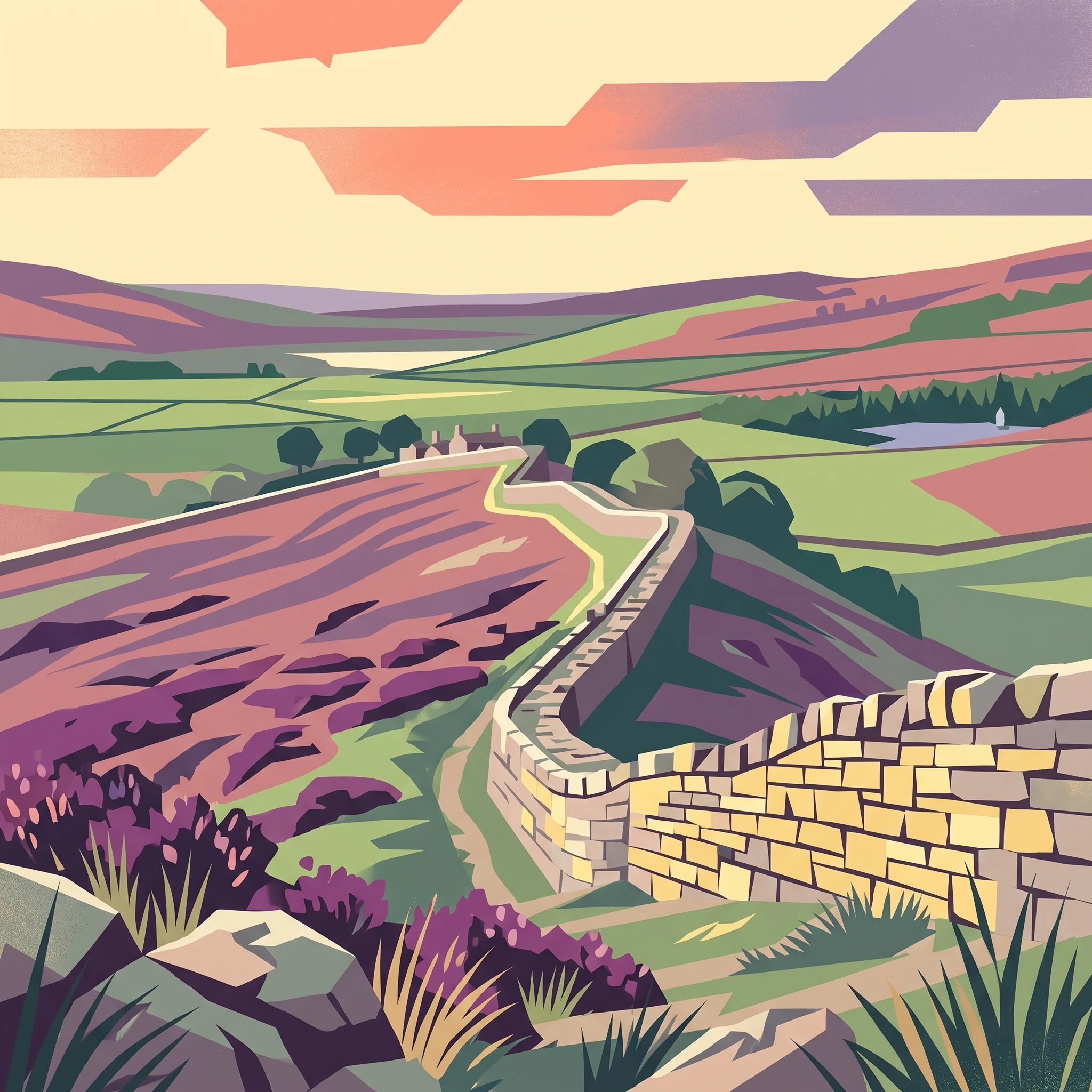
The experience of exploring Hadrian's Wall is heavily dictated by the balance between daylight hours and ground conditions. During the extended daylight of late spring and summer, visitors have the window required to traverse the most dramatic central sections, such as those near Housesteads Roman Fort, without the pressure of an early sunset. The firm, well-maintained paths along the wall are accessible during these months, offering the best opportunity for consistent exploration of the archaeological landscape. In contrast, late autumn and winter months bring significantly shorter days and increased humidity, which can make long-distance walking along the exposed ridge lines more challenging. Visitors intending to cover significant distances on foot should prioritize the months between May and August to ensure daylight duration matches their endurance and planned route length.
Walking the Cheviot Hills and Remote Moorlands
The Cheviot Hills provide the most rugged, mountainous terrain in the park, and the timing of your visit directly impacts the feasibility of reaching the highest summits. During the late spring and summer, the relatively lower wind speeds and higher mean temperatures create more comfortable conditions for those trekking through these exposed, high-altitude environments. While the park remains a quiet, remote landscape throughout the year, the summer months allow for safer passage across the boggy, peat-dominated plateaus that define the Cheviot skyline. By autumn, the increased precipitation and declining temperatures necessitate more advanced preparation for those venturing into these remote sectors, as the terrain can become saturated, and the risk of rapid weather changes becomes a defining factor for any excursion.
Nocturnal Wilderness and Dark Sky Experiences
The character of the park shifts fundamentally when the sun sets, and the optimal timing for experiencing the International Dark Sky Park status is distinct from the primary hiking season. To witness the park's renowned nocturnal landscapes, visiting during the period of late autumn through winter is essential. In summer, the park's northern latitude ensures that the sky rarely achieves total darkness, making deep astronomical observation difficult. Conversely, from November to February, the long nights and frequent high-pressure systems of the season provide the necessary conditions for stargazing. Visitors aiming for this experience must be prepared for the cold, as temperatures frequently drop well below freezing during the clear nights that offer the best visibility of the Milky Way or the occasional northern lights.
Accessing Kielder Forest and Water
Kielder Forest and Kielder Water serve as a hub for recreational access that remains distinct from the high-altitude moorlands. While the forest tracks provide reliable footing throughout much of the year, seasonal activities like water-based tours are limited to the warmer months. Experiences such as the Osprey Ferry typically operate from spring through late summer, capitalizing on the milder climate and increased visitor volume. Those seeking to combine forest hiking with recreational water activities should align their travel with these operational windows, as the landscape shifts toward a more solitary, quiet existence as the forest enters the late autumn and winter dormant phase.
Visitor Priorities
Optimizing Your Northumberland National Park Visit by Interest and Activity
Prioritizing Extended Daylight for Long-Distance Hiking
If your primary goal is covering significant ground on the Pennine Way or navigating the exposed ridges of the Cheviot Hills, your visit should align with the period of maximum solar duration. May, June, and July offer the longest daylight hours of the year, with June peaking at approximately 17 hours of light. This window is essential for trekkers planning long-distance routes where terrain is often pathless or requires navigation across complex, remote moorlands. The trade-off for this extended daylight is the increased probability of summer precipitation. While July and August see the highest average rainfall rates, the extended duration of daylight provides more flexibility to wait out brief showers or adapt your pace throughout the day.
Seeking Milder Temperatures and Stable Conditions
Visitors who prioritize comfort during their walks should focus on late spring and early autumn rather than the peak of mid-summer. May and September emerge as the most temperate months. In May, average maximums reach 19.5 degrees Celsius, while September remains relatively warm with average highs around 20 degrees Celsius. These months strike a balance between avoiding the extreme cold of winter and the occasional mugginess and high humidity levels sometimes experienced in July and August. By visiting in these shoulder months, you gain the benefit of lower relative humidity compared to the winter months, when saturation consistently hovers above 95 percent.
Choosing for Wind and Weather Exposure
For those sensitive to the persistent winds that characterize this high-latitude landscape, the seasonal lull in wind speed is a critical planning factor. Wind velocity is highest during the winter months, often exceeding 6 meters per second, which, combined with freezing temperatures and minimal daylight, can make exposed ridges dangerous. May and June provide the most stable wind conditions, with averages dipping below 5 meters per second. If you plan to explore the higher altitudes of the Cheviot Hills, targeting these months will significantly reduce the chilling effect of the wind, making the remote, high-altitude terrain more accessible and less physically taxing to traverse.
Managing the Compromise of Nocturnal Wilderness
If your priority is the park's Dark Sky status, you must accept a complete reversal of the daylight-focused strategy. October through February are the only months providing the necessary depth of darkness for astronomical observation. During this period, daylight drops to as low as seven hours in December. The trade-off is substantial: you will face the coldest temperatures of the year, with average minimums frequently falling below negative 4 degrees Celsius, and you must be prepared for the highest relative humidity and persistent, chilling winds. This period is not suitable for extended backcountry hiking due to the lack of light and the necessity of managing extreme cold, but it remains the only time the park fulfills its unique function as a premier European stargazing destination.
Access and Logistics
Seasonal Access Considerations and Trip Planning for Northumberland National Park
Navigating the park requires an understanding of how local geography and historical land use influence your movement. Because the park is largely rural and contains expansive, remote areas, travel planning must account for the reality that public transport is limited and many locations are only accessible by private vehicle. While the region is known for its openness, large portions of the central area, particularly around the Otterburn Training Area, operate under specific restrictions due to active military exercises. Always check official Ministry of Defence guidance before planning a route that crosses or approaches these zones, as access can be subject to temporary closures that are not tied to seasonal weather patterns.
Accessing Remote Terrain
Unlike urban-adjacent parks, this destination features vast stretches of Access Land, which allows walkers the freedom to roam beyond established rights of way. While this provides a high level of independence, it also places a greater burden on the individual to navigate safely across moorlands and hill ranges. You should not assume that all paths or secondary lanes are suitable for every vehicle type or all weather conditions. Roads leading toward Kielder Water and the deeper Cheviot Hills are often narrow and can be susceptible to seasonal debris or water runoff. If your plans depend on reaching remote trailheads, prioritize checking the official park authority website for current road status alerts, especially during months with higher precipitation or lower average temperatures, which can increase the risk of ground saturation.
Transport and Local Infrastructure
The limited public transport network largely centers on connections from nearby hubs like Hexham. Bus services, such as the limited-frequency routes operating to Bellingham and toward Kielder, do not provide the flexible, high-frequency access found in more urban areas. If you are relying on public buses to reach trailheads, verify the current timetables and operational days, as these services often run on restricted schedules that do not accommodate daily travel. For visitors without their own vehicle, pre-booking local taxi services is often the only reliable way to reach specific points of interest that fall beyond the main bus routes. Always confirm the current status of these private operators and public service routes before your arrival, as schedules are prone to periodic adjustments that are not reflected in static travel guides.
Safety and Preparation
Seasonal Weather Safety and Preparation for Northumberland National Park
Navigating Environmental Variability and Exposure
Preparation for a visit to the park centers on the reality that even during warmer months, the landscape remains exposed and prone to rapid changes. At altitudes such as the Cheviot Hills, which rise above 800 meters, conditions can differ significantly from those at lower valleys or the more sheltered southern sections of the park. The primary weather-related challenge is the persistent combination of wind and moisture, which is a consistent feature of the climate throughout the year. Visitors should anticipate that the environment is inherently dynamic, meaning a day that begins with clear skies can transition into mist or high wind speeds within hours.
Rather than relying on generic weather reports, effective planning involves checking localized forecasts for specific areas like Kielder or the central stretches of Hadrian's Wall. Official park updates, available through the official website, serve as the definitive source for warnings regarding path conditions, forestry closures, or military training exercises. Because the park acts as an active, living landscape with shifting access, checking these resources on the morning of your visit is a fundamental safety practice.
Seasonal Considerations for Layering and Footwear
Because the climate features moderate temperatures with high relative humidity, the most practical approach to clothing is the use of versatile, moisture-wicking layers. Even in the peak of summer, when average maximums reach toward 22 degrees Celsius, the evenings can bring sharp drops in temperature. Visitors heading into the high moorlands or exposed hill ranges often find that wind chill significantly alters the perceived temperature, making an extra insulating layer essential regardless of the time of year.
Footwear choices should be guided by the nature of the terrain, which includes vast areas of boggy, unpaved moorland and uneven historical paths. Waterproofing is particularly important given the consistency of precipitation throughout the seasons. While formal paths are maintained, much of the park consists of wild, semi-natural landscape where terrain can become soft or uneven following periods of rain. Prioritizing comfort and stability for walking in remote, hilly environments is more beneficial than selecting footwear for a specific, singular activity. Always review current ground condition reports provided by park authorities, as heavy rainfall can lead to temporary hazards that are not represented on static maps.
Final Planning
How to choose the right time to visit Northumberland National Park
Deciding when to visit Northumberland National Park requires weighing your personal tolerance for the park's characteristic, exposed climate against the specific experience you seek. Because there is no single month that offers perfect weather alongside total park accessibility, the right time for your trip is determined by which trade-offs you find most acceptable. If your primary goal involves long-distance walking along Hadrian's Wall or exploring the rugged Cheviot Hills, focus your planning on the late spring and summer months. This period, particularly from May through August, provides the longest daylight hours and the most stable conditions, though you must remain prepared for the humidity and wind that persist even in the height of the year. Travelers who prioritize the unique nocturnal environment of Europe's largest Dark Sky Park should aim for the late autumn and winter months. While these months bring significantly shorter daylight and colder temperatures, they are essential for experiencing the profound darkness and clear star-filled skies that define the park's unique status. The transition months of April and September offer a middle ground, providing more moderate temperatures than mid-winter without the peak summer heat, making them suitable for those who prefer to avoid both the intensity of the winter cold and the busiest periods of the summer. Regardless of your chosen window, the physical geography of the park ensures that conditions can change rapidly. Because climate normals are merely long-term averages rather than accurate indicators for any specific week, treat them as a baseline for preparation rather than a guarantee of weather. Always verify the current status of roads, trails, and military training areas through official park resources before setting out. By selecting your dates based on these clear seasonal divisions, you ensure your trip aligns with the specific natural and historical features that make the park a unique destination. Your final decision should reflect whether you value the utility of daylight for discovery or the atmospheric depth provided by the park's darker seasons, ensuring the reality of the visit matches your expectations.