Why Ojców National Park stands out
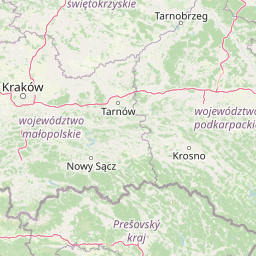
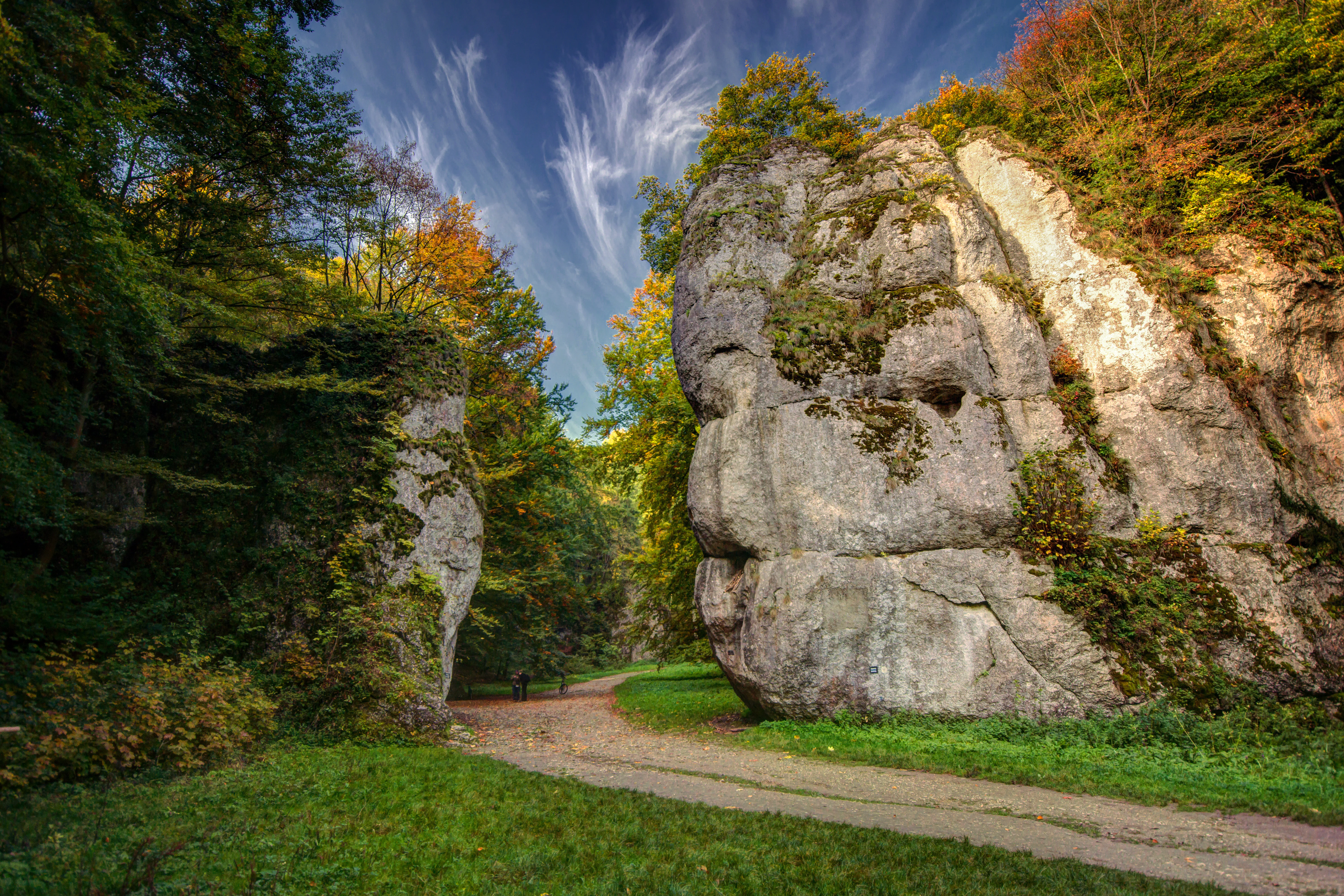
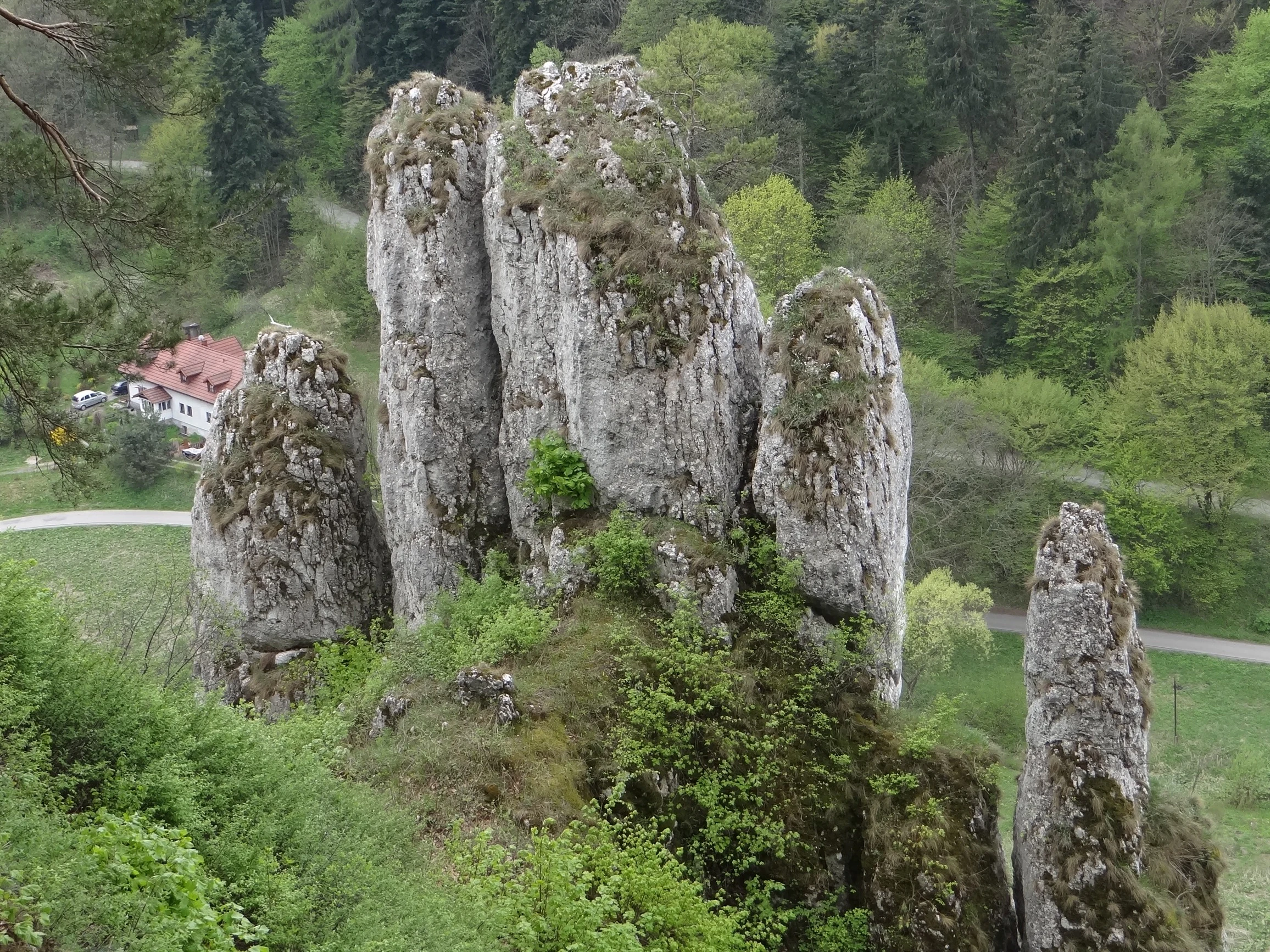
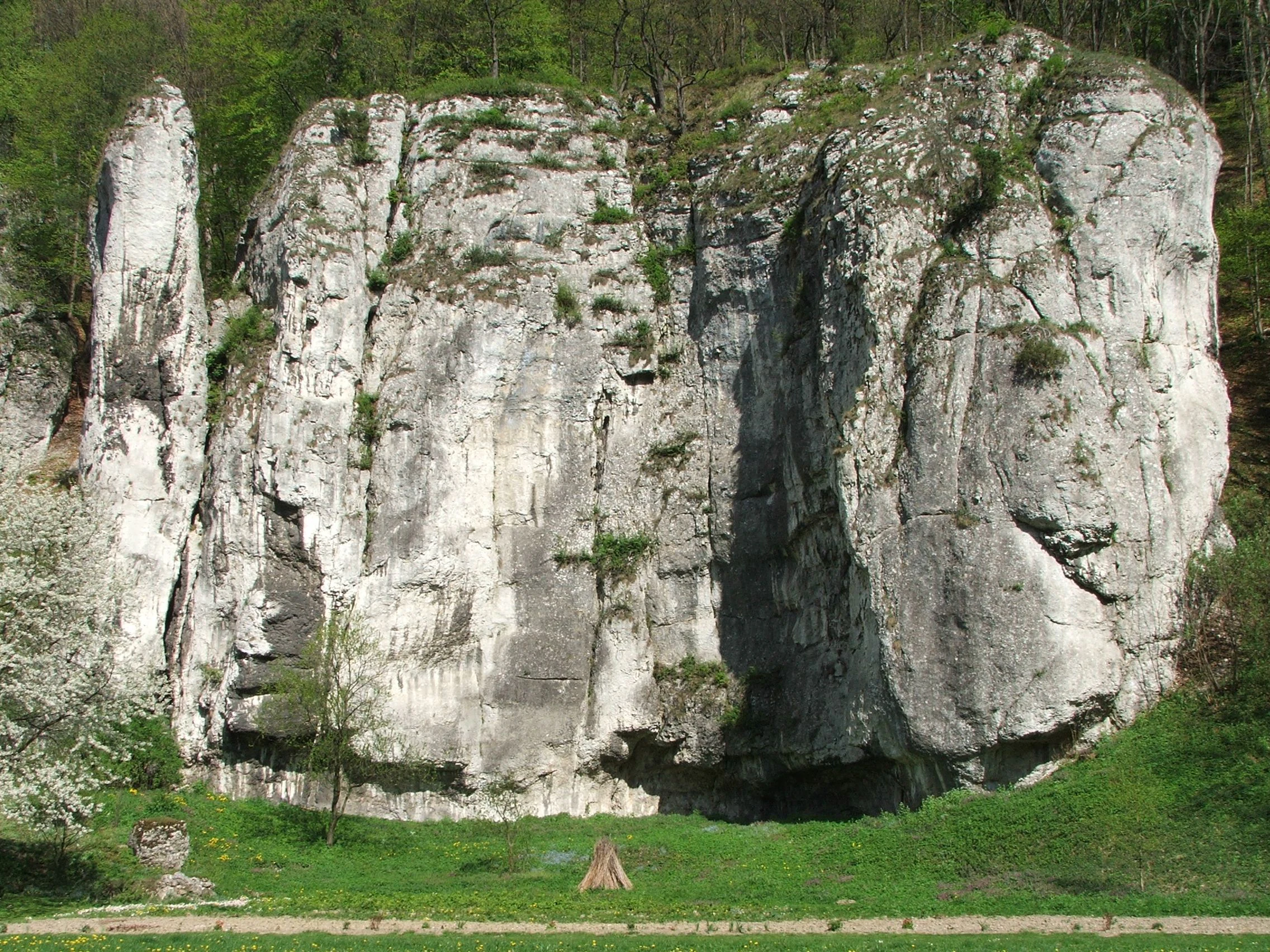
Ojców National Park is best known for its concentrated Jurassic limestone scenery within an unusually small area. Visitors encounter dramatic rock formations such as Maczuga Herkulesa, Brama Krakowska, Igła Deotymy, Rękawica, and Skały Kawalerskie, all shaped from the same band of Upper Jurassic limestone that underlies the southern Kraków-Częstochowa Upland. The deeply incised valleys of the Prądnik and Sąspówka rivers produce vertical cliffs and panoramic viewpoints that surprise visitors given how close the park sits to Krakow. The park is also widely recognized for its caves. Several hundred cave openings have been catalogued, and two of the longest and best known, Jaskinia Łokietka and Jaskinia Ciemna, are open to the public. These caves are central to the park's bat population, its prehistoric archaeology, and its identity as a karst landscape. Together the rock formations, caves, and forested valleys create a memorable, varied environment that feels far larger than the park's modest official footprint.
Ojców National Park history and protected-area timeline
Efforts to protect the Prądnik valley stretch back to the nineteenth century, when the area suffered heavy exploitation. Forests were cut, caves were dug open for bat guano used as fertilizer, and limestone formations were damaged by souvenir collectors. At the same time, the valley attracted early naturalists and tourists, and archaeological discoveries began to draw scientific attention. Concerned landowners, entrepreneurs such as Jan Zawisza and Ludwik Józef Krasiński, and writers like Adolf Dygasiński began buying land to halt further destruction and to protect what they considered a unique natural landmark; in the late nineteenth century a regional museum was established in Ojców.
A formal plan to protect the Prądnik and Sąspowska valleys as a nature reserve was developed in 1924 under Professor Władysław Szafer. He produced an early natural monograph of the two valleys and, together with the forester S. Richter, designed a reserve intended to serve both scientific research and public appreciation of the landscape. The reserve was not established before the Second World War, and the work resumed only in 1953. On January 14, 1956, a regulation of the Council of Ministers formally created Ojcowski Park Narodowy as the sixth national park in Poland. In 1981 a protective buffer zone was designated around the park, integrated into the broader system of Jurassic Landscape Parks, and its boundaries were later adjusted in 1997.
Ojców National Park landscape and geographic character
The landscape of Ojców National Park is dominated by Upper Jurassic limestone laid down at the bottom of an ancient sea; in places the limestone layer reaches two hundred meters in thickness. Two kinds of limestone appear in the park. Hard, rocky limestone forms the celebrated rock pillars and cliffs, while softer bedded limestone fills the spaces between them. Fossil sponges and brachiopods, along with siliceous concretions, can be found within the rock.
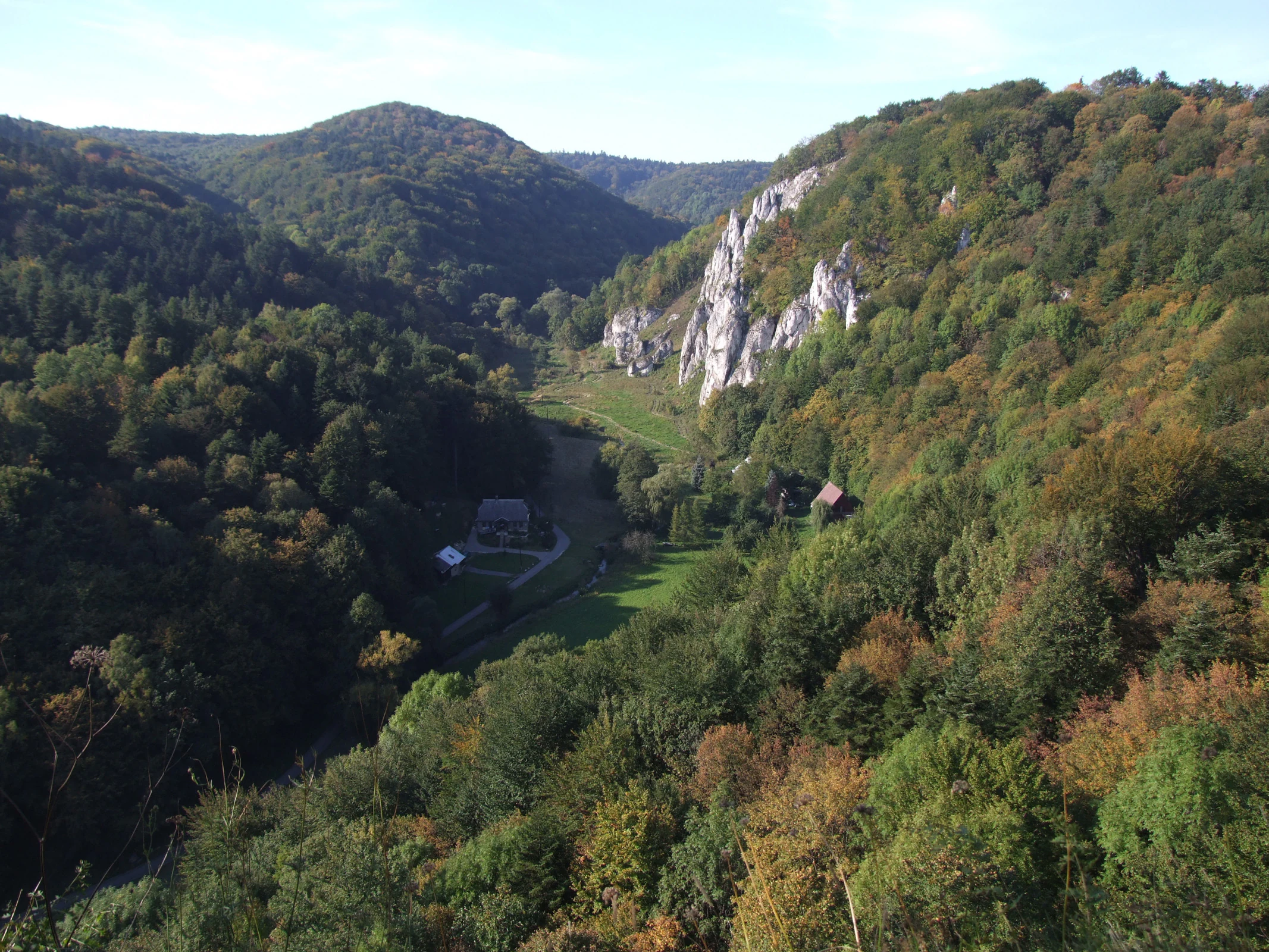
Over millions of years, erosion shaped this limestone into a wavy plateau cut by a network of valleys and ravines. The deepest dry ravines, locally called jary, can exceed one hundred meters in depth. Smaller karst valleys, gorges, rock terraces, and scree or alluvial fans add to the complexity of the terrain. At the mouths of some lateral gorges, such as the Korytania gorge and the Wąwóz za Krakowską Bramą, alluvial fans have pushed the Prądnik stream against the opposite valley wall. During the last glacial period, loess soils up to eight meters thick were blown in from the north, covering parts of the park and influencing later vegetation.
The valleys of the Prądnik and Sąspówka are the largest landscape features, with flat floors and steep, often vertical walls, and the lateral valleys that hang above them preserve erosion terraces. Some of these terraces have been eroded into remarkable rock formations, including Igła Deotymy and Brama Krakowska, and were convenient sites for medieval defensive structures, which is why the castles at Ojców and Pieskowa Skała stand where they do.
Ojców National Park ecosystems, habitats, and plant life
Despite centuries of human impact, Ojców National Park retains substantial biological diversity. Around 950 species of vascular plants, more than 230 species of mosses and liverworts, approximately 1,200 recorded varieties of fungi, and around 200 genera of lichens have been documented within the park, and 84 plant species receive formal legal protection. The flora spans several ecological groups, including steppe species such as dwarf cherry and certain asters and feather grasses, montane species such as fir and hornbeam along with aconites and associated taxa, and Holocene relicts such as certain forest herbs. This mosaic arises from the interplay of dry limestone outcrops, loess-covered slopes, and the moist valley floors below.
About thirty distinguishable plant communities are recognized in the park. Forests and shrub vegetation dominate the area, including oak-lime woodland, Carpathian beech forest, upland fir forest, pine-dominated woodland, and mixed forest types. In spring, before the trees fully leaf out, the forest floor comes alive with flowering species such as hepatica, lungwort, wood and yellow anemones, alternate-leaved golden saxifrage, and false-buck's-beard. On sunny limestone rocks, xerothermic grasslands persist, while along the bottoms of the valleys fragments of floodplain forest continue to thrive. Wet rock faces and springs support specialized communities, including the relict aquatic alga Hydrurus foetidus. Several rare fungi, including giant puffballs, stinkhorns, and distinctive earthstars, are also part of the park's biological heritage.
The hydrological network adds another ecological layer. More than fifty karst springs, locally known as wywierzyska, emerge within the park, and two permanent streams, the Prądnik and its tributary the Sąspówka, drain the valleys. Historic mills from the nineteenth and early twentieth centuries still line the Prądnik, reflecting the long interaction between water resources and human settlement in the area.
Ojców National Park wildlife and species highlights
Animal diversity in the park is high relative to its size, with estimates suggesting around 11,000 species in the park and its buffer zone, of which about 6,000 have been recorded so far. The park's official symbol, the bat, is the most prominent faunal feature. Seventeen of the twenty-five bat species known in Poland have been documented in the park, with the greater mouse-eared bat and the lesser horseshoe bat among the most common. Surveys counted hundreds of bats sheltering in caves and other structures during winter, highlighting the central role of karst caves for chiropteran fauna.
Larger mammals include roe deer, brown hare, wild boar, red fox, pine marten, polecat, stoat, European beaver, Eurasian badger, hazel dormouse, and muskrat. Birdlife is also notable, with about 120 species recorded, of which roughly 94 are breeding species. Black stork, white-throated dipper, common kingfisher, tawny owl, northern goshawk, long-eared owl, black woodpecker, grey-headed woodpecker, and green woodpecker nest in the park, while winter brings influxes of waxwings, redpolls, and fieldfares. Amphibians include smooth and crested newts, fire-bellied toad, common toad, common frog, and European tree frog; reptiles include grass snake, common lizard, slow worm, common European viper, and the rarer spotted whip snake.
In the streams, brown trout and rainbow trout are the most characteristic fish, while the invertebrate fauna is exceptionally rich, with more than 5,000 insect species recorded. Notable invertebrates include large slug species such as the blue and the great black slug. More than 200 animal species overall receive formal legal protection, reflecting both the diversity and the conservation value of the park's fauna.
Ojców National Park conservation status and protection priorities
Ojców National Park protects a notably rich concentration of karst, forest, and valley ecosystems inside the smallest national park area in Poland, making its conservation role disproportionate to its size. By safeguarding deeply incised river valleys, dozens of caves, and a mosaic of forest and steppe-like plant communities, the park preserves ecological gradients that would otherwise be lost in the surrounding upland, much of which is heavily modified by agriculture, quarrying, and development. The protection of these habitats directly supports the survival of bat species, cave-adapted invertebrates, and relict plant communities tied to limestone and loess soils.
The park is part of a broader regional conservation framework. A protective buffer zone surrounds it, integrated with the Jurassic Landscape Parks complex that links Ojców with other protected landscapes across the Kraków-Częstochowa Upland. The park's three-tier internal zoning, with strictly protected, actively protected, and landscape-protected areas, allows management intensity to vary across sites, balancing scientific reference value, habitat restoration, and landscape preservation.
The presence of prehistoric archaeological layers in the caves adds a second conservation dimension. By protecting cultural deposits along with natural habitats, the park maintains an unusually direct connection between landscape protection and human heritage, requiring management that addresses both ecological sensitivity and archaeological integrity.
Ojców National Park cultural meaning and human context
The valleys protected by the park have been sites of continuous human activity for tens of thousands of years, and this layered presence defines much of the park's cultural identity. Caves such as Jaskinia Ciemna contain evidence of Acheulean occupation roughly 120,000 years ago, while later Middle Paleolithic and Jerzmanowice culture phases left extensive flint tool assemblages around 70,000 to 36,000 years ago. Magdalenian layers in Jaskinia Maszycka, with their decorated bone tools, mark the Late Upper Paleolithic. Neolithic cultures such as Stroked Pottery, Lengyel, Funnel Beaker, and Baden left traces of flint mining, settlement, and ritual activity across the area.
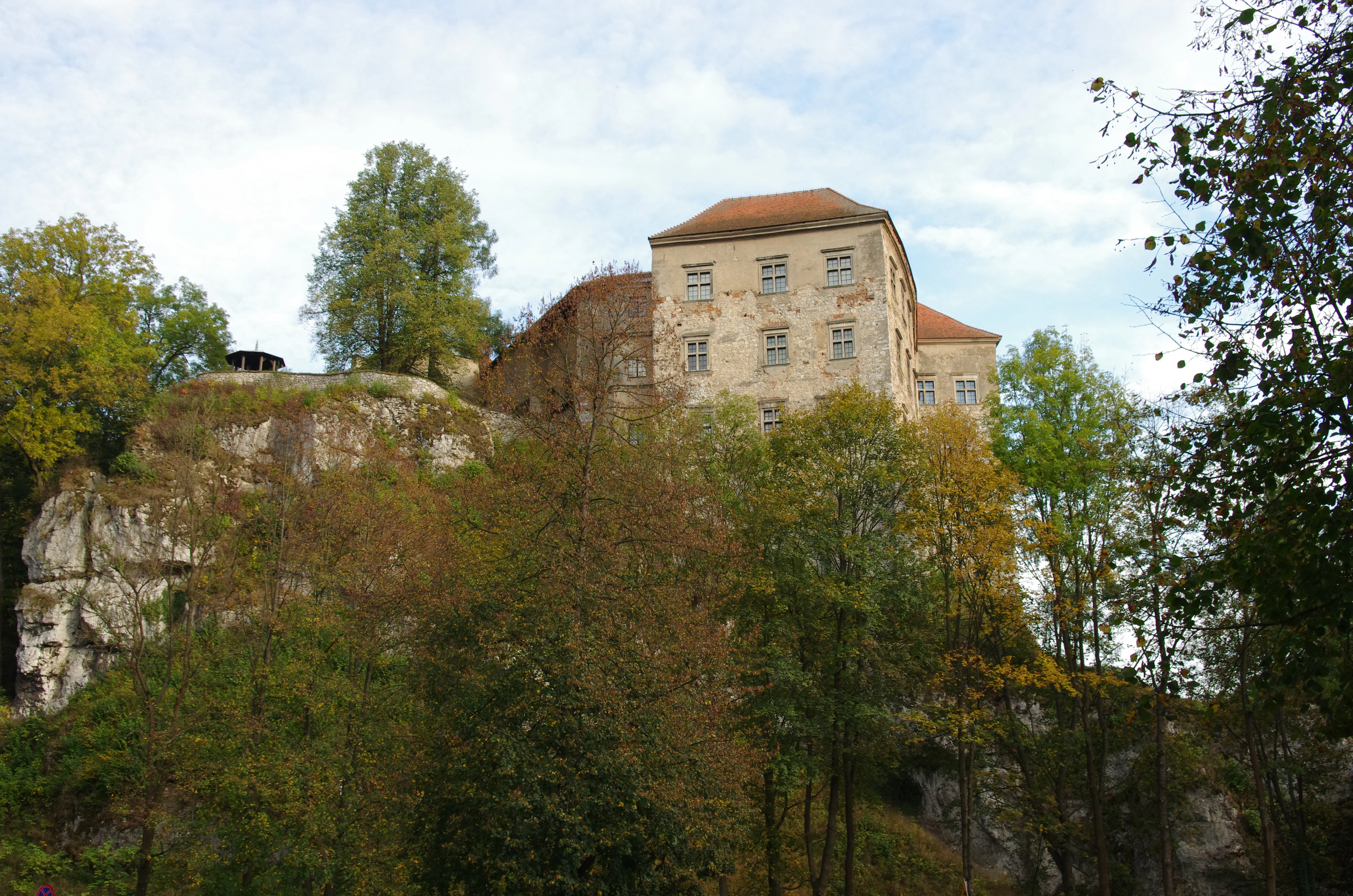
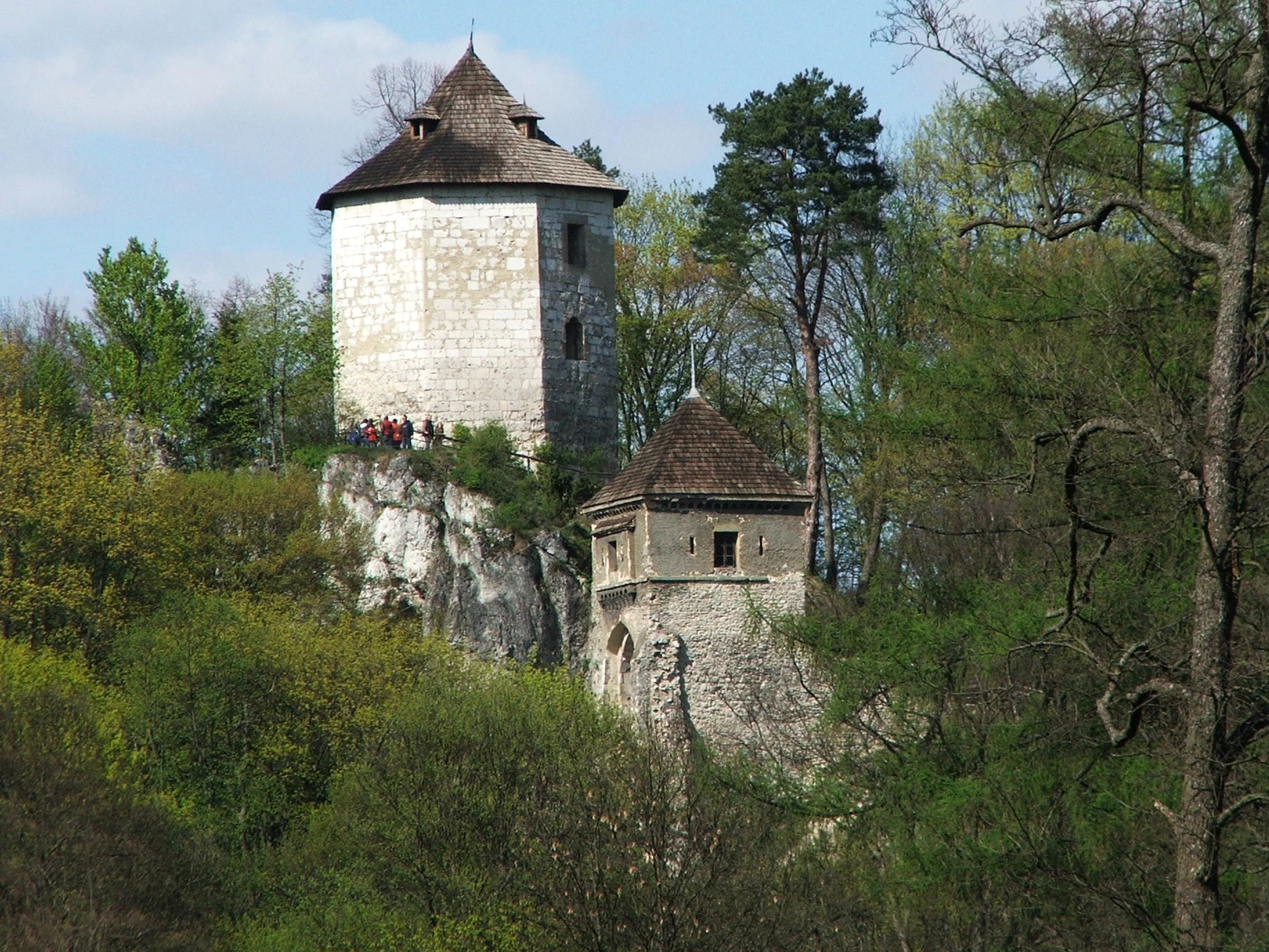
Medieval and later periods added castles, chapels, and monastic sites to this cultural record. The ruins of the medieval castle at Ojców and the late Renaissance castle at Pieskowa Skała remain the most prominent built structures inside the park. The Chapel on the Water in Ojców, associated with Saint Joseph the Worker, the church and hermitage of Blessed Salomea in Grodzisko, and various prayer grottoes complement the architectural heritage. A regional museum dedicated to Professor Władysław Szafer, the scientist who led efforts to protect the area, anchors the cultural and scientific narrative of the park.
The nineteenth century also left a strong cultural imprint. As the Romantic and early conservation movements took hold, landowners, writers, and scientists began acquiring land to prevent further exploitation and to promote the Prądnik valley as a place of natural beauty and a destination for tourism from nearby Krakow. Historic nineteenth-century mills along the Prądnik remain visible in the landscape, illustrating how water-powered industry coexisted with the early tourism that first drew visitors to the area.
Top sights and standout views in Ojców National Park
Ojców National Park's defining highlights lie in the way so much geological, ecological, and cultural heritage fits into such a small area. Limestone rock formations such as Maczuga Herkulesa, Brama Krakowska, Igła Deotymy, Rękawica, and the Panieńskie and Kawalerskie rock clusters give the park its most photographed scenery. The Prądnik and Sąspowska valleys, with their cliffs and viewpoints, frame these formations and host two of the park's most visited show caves, Jaskinia Łokietka and Jaskinia Ciemna. The protected buffer zone, linked into the Jurassic Landscape Parks, extends the effective scale of the protected landscape well beyond the park's core boundary.
Ecologically, the park's bat fauna and the diversity of forest, steppe-like, and cave habitats stand out. With seventeen bat species, dozens of nesting bird species, large mammals such as beaver and badger, and a relict cold-water alga in the springs, the park compresses an unusually varied set of ecological communities into a short distance from Krakow. The combination of prehistoric archaeological deposits, medieval castles, the historic mills of the Prądnik valley, and the Szafer Museum gives the park a cultural depth that matches the natural richness of its valleys.
Best time to visit Ojców National Park
Spring is one of the most rewarding seasons to experience Ojców National Park. Before the forest canopy fully develops, the woodland floor comes alive with hepatica, lungwort, anemones, golden saxifrage, and false-buck's-beard, and bird song is at its peak as breeding species settle into the valleys. The geology of the park, the cliffs, rock formations, and cave entrances, is most pleasant to explore in mild weather, when the trails are less crowded and the viewpoints over the Prądnik valley are at their clearest.
Summer brings the park's heaviest visitor numbers, drawn by easy access from Krakow and the open landscapes of the rock formations and meadows. Late summer and early autumn are good for observing insects, fungi, and ripening fruits; mushrooms are particularly notable in the park's forests. Winter has its own appeal: the bare trees open up wide views across the valleys, snow emphasizes the sculpted limestone, and the caves host wintering bats that are central to the park's identity. Each season emphasizes a different facet of the park, from spring flora and breeding birds to autumn mushrooms and winter cave ecology.