
Trip Timing
When to Visit Pallas-Yllästunturi National Park: An Essential Timing Overview
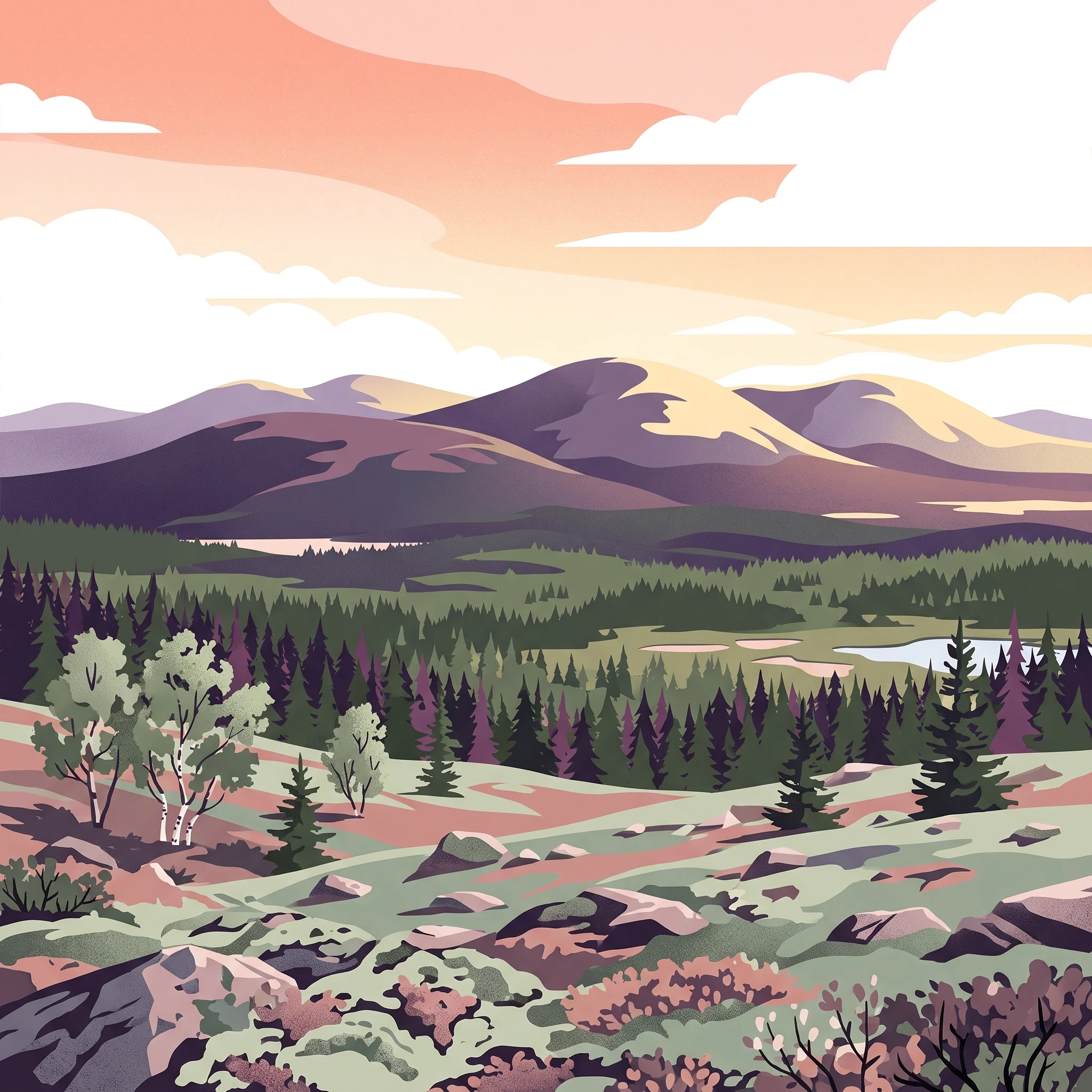
Determining the best time to visit Pallas-Yllästunturi National Park requires a clear understanding of the stark seasonal shifts in Finnish Lapland. Because the park spans vast boreal forests and treeless fell plateaus, your experience will change dramatically depending on whether you prioritize the return of the sun or the height of the polar night. There is no single universally ideal month to visit, but the choice between winter sports or summer hiking defines the primary trade-offs for every traveler. If you are seeking the iconic arctic experience of snow-covered fells and vast ski networks, you must prepare for limited daylight and sustained sub-zero temperatures. Conversely, those visiting to explore the extensive trail network during the summer months should prepare for the unique, continuous daylight of the midnight sun and the presence of seasonal insects that inhabit the mire and forest regions.
The Impact of Daylight and Temperature
Daylight is the most influential factor in your planning. During the winter peak, the sun remains below the horizon for significant periods, creating a deep twilight that is highly valued for viewing the northern lights but creates a very narrow window for outdoor activities. By contrast, the summer months offer nearly 24 hours of daylight, allowing for much more flexible exploration across the park's 1,020 square kilometers. Temperature normals further reinforce this divide. You will encounter mean temperatures well below -10 degrees Celsius from December through February, while the summer months of June and July see temperatures rise into the low teens. These thermal shifts dictate not only your equipment needs but also the physical state of the trails, which transition from compacted snow and ice to potentially wet or soft terrain during the spring melt.
Seasonal Access and Landscape Character
The park's terrain, characterized by ancient rounded fells, behaves differently under these climate conditions. Winter turns the fell summits into wind-swept, treeless expanses that serve as the foundation for an expansive network of maintained ski trails. Accessing these elevated regions during mid-winter requires an appreciation for harsh conditions, as the combination of freezing temperatures and wind creates a demanding environment. In the warmer months, these same fells provide panoramic views and accessible hiking paths that are entirely distinct from the valley floors. Recognizing that the park's primary visitor centers and infrastructure operate across both of these extremes helps you understand that your choice of season is a choice between two completely different versions of the same landscape. Before finalizing your dates, verify current trail conditions and service alerts, as the transition between these seasons often brings mud and restricted access to sensitive environments.
Seasonal timing options
Best months to visit Pallas-Yllästunturi National Park at a glance
Peak winter for snow sports and Arctic conditions
The period from February through April represents the most popular window for visitors seeking the park's renowned winter recreation. During these months, the snowpack is typically at its deepest and most stable, supporting the extensive network of over 500 kilometres of ski trails. February serves as a transitional month where daylight begins to increase significantly, moving from just over seven hours to over eleven by the end of March. Travelers during this phase, particularly in March and April, often find the most favorable balance of winter conditions: bright, sunny days combined with the crisp, deep-snow environment that defines the Lappish landscape. The primary trade-off for this period is the potential for extreme cold, as temperatures can drop well below -20 degrees Celsius, requiring specialized gear and adherence to safety guidelines.
Summer and the midnight sun
From mid-June through August, the park transitions into a landscape of continuous or near-continuous daylight. This is the optimal window for those prioritizing long-distance hiking, including traversing the historic Hetta-Pallas Trail. With average temperatures peaking in July, the boreal forest and fell terrain are fully accessible, offering hikers the unique experience of the midnight sun. The trade-off for this extended visibility and warmer climate is the emergence of insects, specifically mosquitoes, which are prevalent throughout the summer months. Visitors during this season should prepare for these conditions with appropriate clothing and protective equipment, ensuring their focus remains on the dramatic fell vistas rather than the local fauna.
The autumn foliage window
September offers a distinct, short-lived experience known locally as Ruska. During these few weeks, the tundra vegetation and birch forests undergo a dramatic color change, blanketing the fells in deep shades of red, orange, and gold. This period is favored by photographers and hikers who prefer cooler temperatures without the harshness of mid-winter. However, this window is notably brief and unpredictable, as early autumn storms can quickly bring the season to an end, sometimes accompanied by the first snowfalls of the year. Visitors planning for this time must remain flexible, as the peak foliage is subject to annual variation.
Transition periods and quiet shoulder seasons
November, December, and May serve as the park's shoulder seasons, characterized by shifting conditions that may limit outdoor access. May is defined by the spring melt, creating significant moisture and slush, which can make trails susceptible to erosion and difficult to navigate. Conversely, the transition from late October through December involves rapidly decreasing daylight, with total darkness occurring by mid-December. During these times, the park experiences fewer visitors, but travelers face restricted visibility and conditions that require advanced preparation and a high tolerance for darker, wetter, or rapidly cooling environments.
Annual Climate Overview
Monthly Weather and Climate Trends at Pallas-Yllästunturi
Navigating the Arctic Light and Temperature Cycle
The climate at Pallas-Yllästunturi National Park is defined by an extreme variance in solar exposure and temperatures, creating a rhythmic shift between deep Arctic winter and a surprisingly vibrant, albeit brief, summer. It is essential to recognize that long-term climate normals, based on data from 1991 to 2020 at an elevation of approximately 305 meters, provide a statistical framework rather than a daily forecast. Visitors should anticipate that conditions on the exposed fell tops, which reach higher elevations than the sample point, often feature significantly harsher wind and temperature profiles than the averages suggest.
The Deep Freeze of Midwinter
From December through February, the park experiences the most intense phase of the Arctic winter. January and December are characterized by a total or near-total absence of sunlight, with daylight hours hitting near zero. This period is the coldest part of the year, where average minimum temperatures routinely drop below minus 24 degrees Celsius. Humidity remains extremely high during these months, often near 99 percent, which can make sub-zero temperatures feel more piercing to exposed skin. While January and February are popular for those seeking the polar night and early ski season, the combination of minimal light and extreme cold requires robust, wind-resistant equipment and a realistic assessment of physical endurance.
Transitioning Toward Spring Light
As the calendar shifts to March and April, the park enters a distinct phase characterized by rapidly increasing daylight. March experiences around 11 hours of light, jumping to over 15 hours by April. While the climate normals still show average minimums in the deep negative range,dropping to minus 21 degrees Celsius in March,the solar gain begins to moderate the daytime feel. April represents the tail end of the snow season, where average maximum temperatures edge toward positive values. These months offer the most significant trade-off in the park's annual climate: the return of sunshine and longer days balanced against the persistence of freezing nights and the unpredictability of late-season weather systems.
The Rapid Shift to Summer and Midnight Sun
May signals a dramatic transformation. As daylight extends toward 20 hours, temperatures rise rapidly. The transition from the sub-zero averages of early spring to the double-digit highs of June is swift. June is the height of the midnight sun, with 24 hours of light, and typically marks the end of the frost risk in lower elevations. Summer, spanning June through August, offers the most stable thermal environment. July is statistically the warmest month, with average highs reaching near 23 degrees Celsius. This is also the period with the highest precipitation levels, which, while still modest at roughly 3.5 millimeters per day, manifests as rain rather than snow. Humidity levels drop to their annual lows, providing a brief window of more comfortable, breathable air before the cooling trend begins.
The Short Descent into Autumn
September acts as the bridge between summer and the return of winter. Daylight hours contract to about 12, and the average mean temperature drops significantly to under 6 degrees Celsius. By October, the climate returns to a negative mean, and snow cover begins to re-establish. The transition from late summer to the onset of the next winter cycle is often rapid, with winds picking up as the polar systems return. The consistency of the daylight decrease during this period is a reliable constant, even if the timing of the first permanent snowfall remains a variable that changes from one year to the next.
Seasonal dynamics
Seasonal patterns and annual weather transitions in Pallas-Yllästunturi
The core climate transitions of the fell landscape
Pallas-Yllästunturi does not adhere to a traditional four-season calendar. Instead, the environment is defined by three distinct phases: the long, snow-dominated winter, the intense and rapid transition of spring, and the brief, light-filled growing season of summer and autumn. Understanding these shifts is essential for managing expectations regarding trail access and the physical environment of the fell chain.
The winter and snow period
Beginning in late October and extending through April, the winter phase is the most enduring aspect of the park climate. This period is characterized by temperatures that frequently drop well below -20°C and a lack of daylight, which is at its most extreme in December when the sun remains below the horizon. As winter progresses toward March and April, the daylight returns rapidly, and the snow cover reaches its maximum depth. Visitors often perceive this as the most stable window for activities because the frozen landscape, combined with the extensive maintained ski trail network, provides reliable transit across terrain that would be otherwise impassable or environmentally sensitive during the thaw. The transition out of this phase begins only when rising temperatures in late April and May start the snowmelt process.
The spring melt and transition
Between May and mid-June, the park enters a period of high instability known locally for its significant water runoff. As the subarctic winter recedes, the rapid melting of accumulated snow saturates the trails and terrain. This phase is environmentally delicate, as the wet ground is highly susceptible to erosion and mechanical damage from foot traffic. During these weeks, the park landscape undergoes a rapid transformation from a white, frozen expanse to a muddy and saturated boreal forest and fell system. This window is typically characterized by high relative humidity as moisture is released into the air, creating conditions that are often considered unsuitable for hiking until the ground stabilizes.
The summer and autumn window
From mid-June through September, the park experiences its growing season, which encompasses the Midnight Sun, a peak period of vegetation growth, and the arrival of autumn colors. July is the warmest month, yet even in mid-summer, nights can approach freezing. This season is brief and is marked by significant environmental differences compared to the winter months, most notably the presence of active insect populations in the damp mires and forests. As September approaches, the phenomenon of Ruska signals the transition toward winter. During this time, the foliage turns vibrant shades of red and yellow. This period is ephemeral; a single early autumn storm can terminate the conditions, leading to the rapid return of snow and the onset of the next winter cycle by late October.
Seasonal Experiences
Experiencing the Pallas-Yllästunturi National Park Landscape Throughout the Year
Navigating the Fell Landscapes Across Seasons
The physical experience of traversing Pallas-Yllästunturi National Park is defined by its transition between a high-arctic tundra environment and vast, sheltered boreal forests. The timing of your visit dictates which of these two primary landscapes is accessible and how you move through them. From late June through early August, the treeless, rounded summits of the Pallastunturi fells remain the primary draw for hikers, offering unobstructed visibility across the horizon. During this period, the terrain is dry enough to support long-distance trekking, such as the path from Hetta to Pallas, allowing visitors to cross multiple mountain ridges without the impediment of snow or ice.
Conversely, as temperatures drop in October and daylight diminishes, the fells become largely inaccessible for standard hiking due to emerging snow cover and unstable weather. The experience shifts from ground-based trail walking to a snow-bound environment where the network of over 500 kilometres of ski trails takes precedence. In this winter phase, the landscape is managed for cross-country skiing, and visitors are expected to utilize these specific tracks to navigate the park. The experience here is one of silence and immersion in deep winter conditions, quite distinct from the sun-drenched summits of the mid-summer hiking season.
Accessing Cultural and Educational Infrastructure
The park's three visitor centres, located at Yllästunturi, Pallastunturi, and in the Fell Lapland region, provide a consistent cultural anchor regardless of the month. However, the nature of your visit to these hubs often changes based on the season. During the peak hiking months, these centres serve as vital hubs for trail information, weather updates, and safety education, supporting thousands of daily visitors.
Exhibitions at these locations offer a deeper look at local history, including the Sámi culture and the scientific research conducted at the Sammaltunturi atmospheric station. While these indoor facilities are open year-round, the external context changes the flow of your visit. For instance, in the late spring transition of May and early June, hiking trails may be saturated with meltwater and mud, making the interpretive exhibitions at the centres a primary activity when outdoor movement is restricted to protect the fragile tundra vegetation. Similarly, in the depths of December and January, the visitor centres act as essential refuge points where the focus is on cultural learning and indoor exhibitions, given that the limited daylight hours,or complete absence of sunlight,constrain outdoor activity to brief, well-planned excursions.
The Impact of Daylight and Seasonal Transitions on Activity
The extreme fluctuation in daylight, which ranges from 24 hours of light in the heart of summer to zero in mid-winter, acts as the primary regulator of park experiences. This creates a functional divide in how you plan your day. During the period of continuous daylight in June and July, the concept of a closing time is largely irrelevant, allowing for flexible exploration of the fell chain. In contrast, during the winter months, the limited light window focuses activity on the well-marked ski tracks that offer security in a high-latitude environment. Travellers should view the park's marked trail system not just as a map, but as a seasonal guide to what is viable, as attempting to hike off-trail in autumn or spring can involve hazardous terrain conditions or deep, shifting snow that is not encountered during the summer hiking season.
Visitor Priorities
Choosing the Best Time to Visit Pallas-Yllästunturi Based on Personal Travel Priorities
Balancing Daylight and Temperature for Trail Activities
Choosing when to visit depends heavily on whether your priority is long-distance hiking or winter snow sports, as the park offers two entirely different logistical environments. If your goal is extensive hiking along the fell tops, the period from early July through mid-August is the most suitable window. During this time, temperatures typically reach their annual highs, with daily means ranging from 10 to 13 degrees Celsius. The absence of snow on the high trails allows for clear passage across the treeless fells, and the extended daylight, which lasts for nearly 24 hours in June and remains abundant through July, provides maximum flexibility for your daily schedule. The primary trade-off during this window is that the terrain remains damp due to snowmelt and typical summer precipitation, and you must be prepared for variable weather that can shift from warm sunshine to cold, windy conditions rapidly.
Seeking Dryer Conditions for Fell Exploration
Visitors who prioritize drier, more stable walking conditions often find that late August into early September offers a distinct advantage. While temperatures begin to cool, with average daytime highs dropping toward 15 degrees Celsius by September, the humidity levels and precipitation frequency tend to stabilize compared to the peak of summer. This period is favored by those who prefer crisp, cool air for physical exertion rather than the lingering warmth of July. However, the trade-off is the significant and rapid decrease in daylight. By the end of September, the amount of available light is reduced by half compared to June, meaning your daily range for navigation is tighter. You must be prepared for the onset of early autumn frost, as average minimums drop below freezing during this time, which is essential for gear planning.
Planning for Snowy Landscapes and Winter Sports
For travelers focused on cross-country skiing or experiencing the classic Arctic winter landscape, the window from late February through March is the most widely recommended period. During the deepest winter months of December and January, daylight is extremely limited or non-existent, and average temperatures frequently drop below minus 20 degrees Celsius. By late February, the daylight returns significantly, rising to over seven hours daily, and continues to improve through March. This provides sufficient light for longer outdoor days while the snowpack remains deep and reliable. The compromise for choosing this period is the necessity of extreme cold-weather preparation. Even in March, when the sun is higher, the average mean temperature remains around minus 8 degrees Celsius. You must factor in that infrastructure, such as serviced trails, is managed specifically for these conditions, and your ability to navigate the park safely is entirely dependent on your readiness for sub-zero environments.
Access and Planning
Seasonal Access and Practical Planning for Pallas-Yllästunturi National Park
Navigating Park Access and Transport
Pallas-Yllästunturi is widely accessible, but the vastness of its 1,020 square kilometers means that your point of entry often dictates your initial experience. The park does not have a single main gate. Instead, visitors typically access the trail networks and fell landscapes from nearby villages such as Äkäslompolo, Ylläsjärvi, Muonio, and Hetta. If you are arriving from outside Lapland, the most common transit nodes are the airports in Kittilä and Enontekiö, or the railway station in Kolari. Because shuttle and bus frequencies vary significantly based on the time of year and demand, it is essential to verify current connections on the official Nationalparks.fi website or through local transport providers before finalizing your travel dates.
Seasonal Infrastructure and Facility Status
The park is managed by Metsähallitus, which operates visitor centers including the Yllästunturi Visitor Centre Kellokas and the Fell Lapland Nature Centre. These facilities are indispensable for obtaining up-to-date information on trail conditions, especially during the volatile spring melt or early winter. Operational hours for these centers change throughout the year to align with peak tourist seasons, and they are sometimes subject to updates based on local construction or site management. For example, sites like the Pallastunturi Visitor Centre can undergo renovations or rebuilds that temporarily alter services. Never assume a facility is open based on historical travel guides or static maps; always check the specific page for each visitor center for the most current opening hours and service availability.
Understanding Trail and Route Access
While the park is open year-round, physical access to specific routes depends entirely on the prevailing season and weather-related maintenance. The extensive network of over 340 kilometers of summer hiking trails and 500 kilometers of ski tracks are maintained under strict ecological and safety guidelines. During the late autumn and spring transition periods, certain trails may be closed or become impassable due to deep snow, flooding, or mud, which can damage the fragile subarctic terrain.
Before heading out, you must check for active trail warnings or closures on the official park website. This is particularly critical if you are planning to traverse long-distance routes like the Hetta-Pallas or Pallas-Ylläs trails. While the park allows for independent movement, some restricted areas exist to protect sensitive habitats, and these areas may be off-limits at specific times of the year. Always consult the latest park bulletins for any temporary route diversions or prohibitions that may be in effect during your visit.
Safety and Preparation
Seasonal Safety and Gear Essentials for Pallas-Yllästunturi National Park
Navigating Extreme Winter Conditions
The winter season in Pallas-Yllästunturi presents the most significant environmental challenge for visitors. With temperatures frequently dropping well below freezing, including recorded mean lows nearing -27°C in January, the primary safety consideration is thermal management. Preparation involves layering clothing that accounts for both the intensity of the cold and the potential for rapid wind chill on exposed fell tops. Because daylight hours shrink to nearly zero in the depths of winter, planning must be strictly timed to ensure movement occurs within available light. Visitors should rely on established, marked ski tracks and routes rather than venturing into unmarked terrain, as wind-driven snow can quickly obscure markers and alter the landscape. Always check current weather reports and official alerts for warnings on extreme cold or storm conditions before heading out.
Preparing for Rapid Transitions and Variable Terrain
Spring and autumn are defined by highly dynamic weather patterns. The spring melt, typically occurring from May through mid-June, transforms the landscape as frozen surfaces thaw, leading to wet and uneven ground. Safety preparation during this phase focuses on appropriate footwear and the ability to adapt to muddy or unstable trail conditions. In contrast, the autumn arrival of cold in late September can bring unexpected snow and freezing temperatures even when lower elevations remain mild. During these shoulder periods, preparedness means carrying extra layers, including windproof and waterproof outer shells, as the climate data shows relative humidity remaining high throughout the year. The terrain, while generally navigable, demands consistent vigilance regarding temperature shifts that can occur in a matter of hours.
Essential Communication and Safety Practices
Even in the most popular areas of the park, cellular reception can be intermittent or unavailable, particularly in deep valleys or between the high fells. Relying on digital maps alone is discouraged. Carry a reliable paper map and a magnetic compass, and ensure you have basic knowledge of how to use them. Before setting out, inform someone of your planned route and expected return time. If you are staying in local accommodation or visiting a park center, communicate your itinerary with them as an additional safety measure. When emergencies arise, the national emergency number 112 is the primary contact, though accessibility remains dependent on your ability to reach a location with service. Always carry enough supplies to remain safe and comfortable for a longer duration than your planned excursion, especially during the colder months when assistance may be delayed by challenging weather conditions.
Trip Decision
Choosing the Right Time for Your Pallas-Yllästunturi Trip
Synthesizing Your Seasonal Priorities
Choosing the ideal window for your trip requires reconciling the stark differences between the arctic winter and the light-filled summer months. Your decision should center on whether you prioritize the snowy, dark-sky environment of the winter months or the expansive trail access and continuous daylight of the summer season. If your primary motivation is winter sports, the period from February through April offers the most reliable snow cover and the most favorable light conditions for outdoor activities. Conversely, hikers looking for open paths across the fells should look to the window between late June and late August, acknowledging that these months come with different environmental challenges such as insect activity and varied precipitation.
Evaluating the Risks and Trade-offs
Every season in this park demands specific trade-offs regarding your physical comfort and the logistical requirements of your visit. The winter months, while iconic for skiing, require significant preparation for extreme cold, limited daylight, and the potential for harsh arctic conditions. If you seek the experience of the midnight sun, you must balance the benefits of near-limitless hiking hours against the reality of wetter, softer ground conditions during the early summer transition. Late summer and early autumn provide a middle ground, offering more stable footing and cooler temperatures, but these periods also bring a shorter window of daylight and the return of early snowfall, which can significantly alter the terrain without warning.
Making Your Final Decision
There is no single optimal month that satisfies every visitor, as the park remains dynamic throughout the year. The most successful trips are those where your activity goals align with the environmental constraints of your chosen window. Once you have narrowed down your travel period based on these seasonal patterns, remember that the provided climate normals are only long-term averages. They do not serve as specific weather forecasts for your upcoming dates. Before you finalize your travel arrangements, you must verify the latest trail statuses, facility opening hours, and official weather alerts provided by local authorities. By confirming these details in the days leading up to your departure, you ensure that your visit to the fells remains safe and consistent with the current conditions on the ground.