
Why Pallas-Yllästunturi National Park stands out
Pallas-Yllästunturi National Park is best known for its exceptional chain of fells and the quality of its outdoor recreation infrastructure. The Pallastunturi Fells, recognized as one of Finland's national landscapes, provide iconic arctic scenery with their rounded, treeless summits and panoramic views. The park offers Finland's most extensive trail network, with over 340 kilometres of marked summer hiking paths, more than 500 kilometres of ski trails, and the famous Hetta-Pallas Trail, the country's oldest marked hiking route. Visitors particularly appreciate the combination of dramatic fell landscapes, diverse boreal forest terrain, well-maintained trails, and the safety and cleanliness of the park environment. The area's proximity to the Arctic Circle also makes it a notable destination for experiencing phenomena like the midnight sun and northern lights.
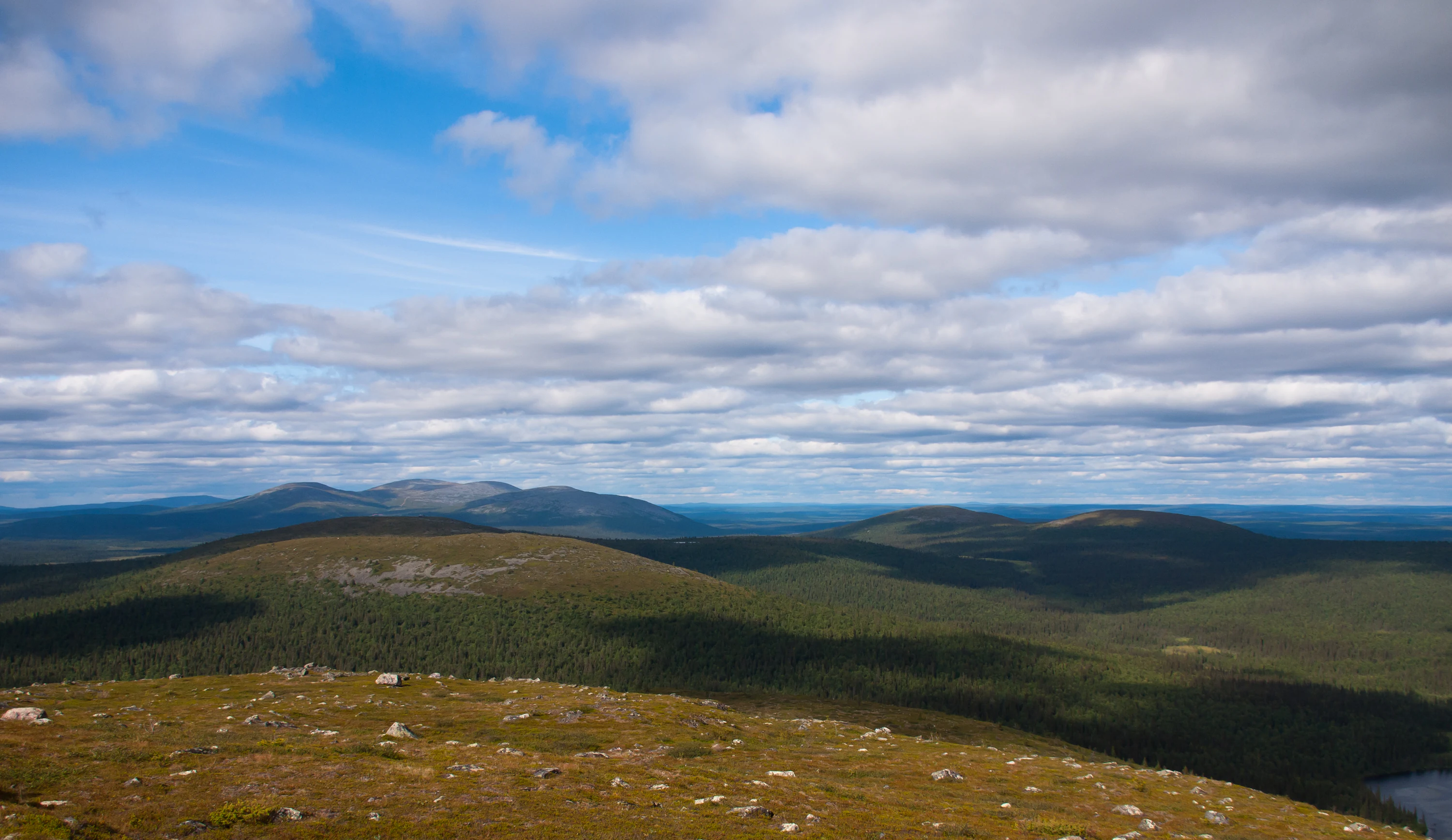
Pallas-Yllästunturi National Park history and protected-area timeline
The establishment of Pallas-Yllästunturi National Park reflects Finland's broader movement toward nature conservation in the twentieth century. The idea of creating national parks was first proposed in 1910 when the management committee for protected forests recommended establishing protected areas at Pallastunturi Fells and Pyhätunturi Fell in Pelkosenniemi. Finnish botanist Kaarlo Linkola played a major role in advocating for protection of the Pallastunturi area. After years of proposals and reports, Finland's first national parks were finally established in 1938, with Pallas-Ounastunturi National Park among the founding sites. Tourism in the area had begun in the 1930s when the first fell skiing courses were organized at Pyhäkero and Pallastunturi. The original Pallastunturi Hotel, completed in 1938 in functionalist architectural style, was destroyed by German forces in October 1944 during the Lapland War, rebuilt in 1948 at a lower location on the fell slope. In 2005, the modern Pallas-Yllästunturi National Park was created by combining the original Pallas-Ounastunturi National Park with the Ylläs-Aakenus Nature Reserve and nearby areas from other conservation programmes, expanding the protected area to its current size of over 1,000 square kilometres.
Pallas-Yllästunturi National Park landscape and geographic character
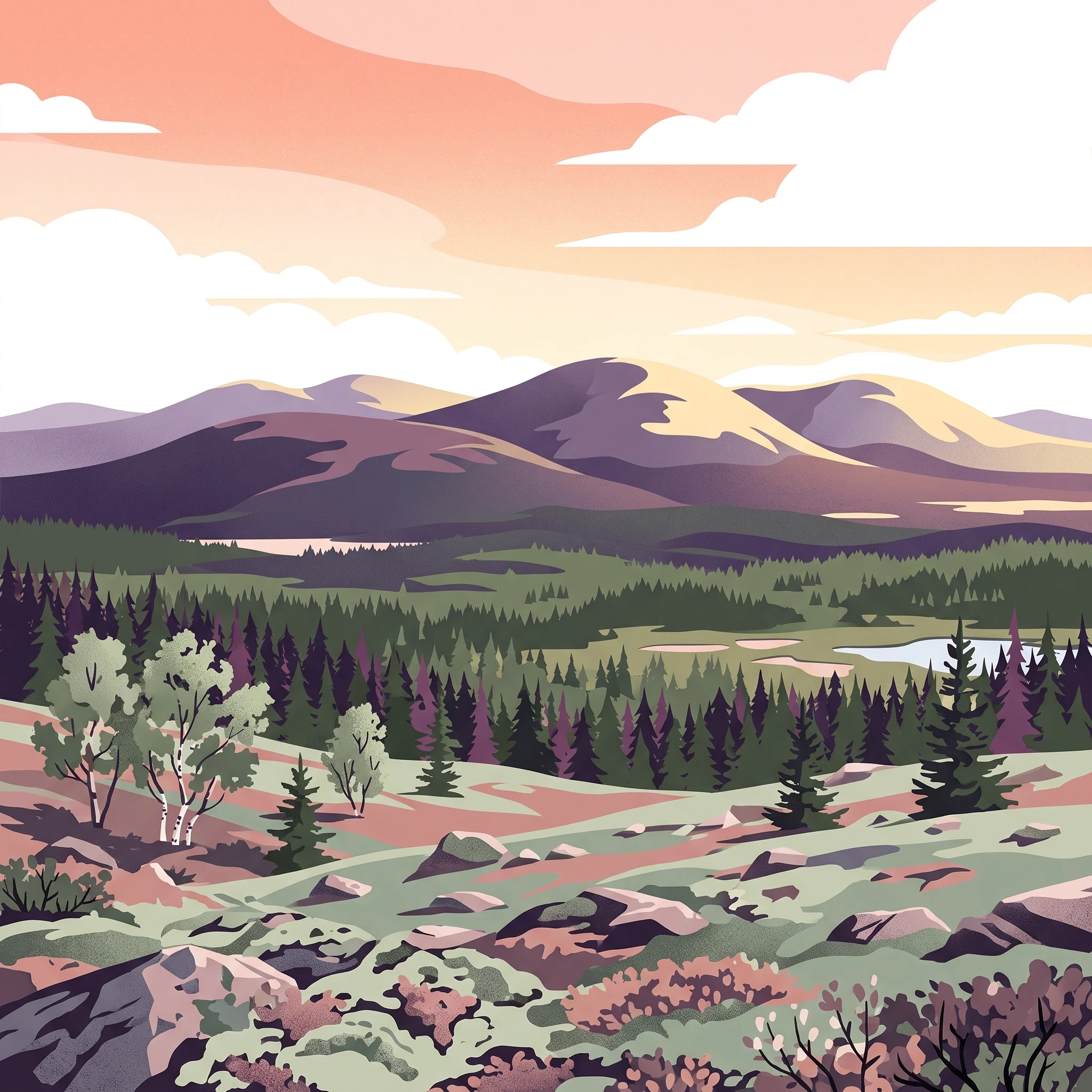
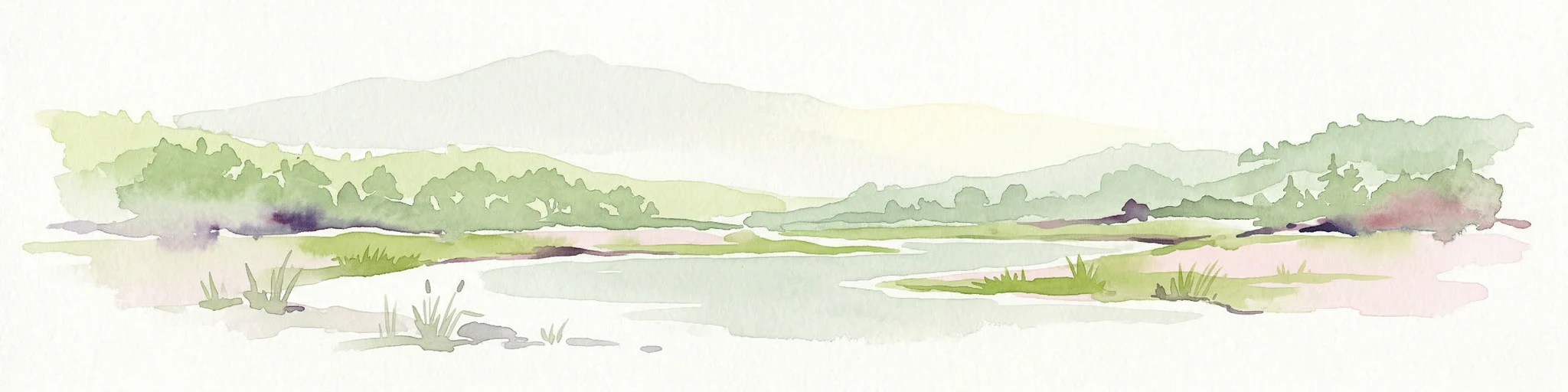
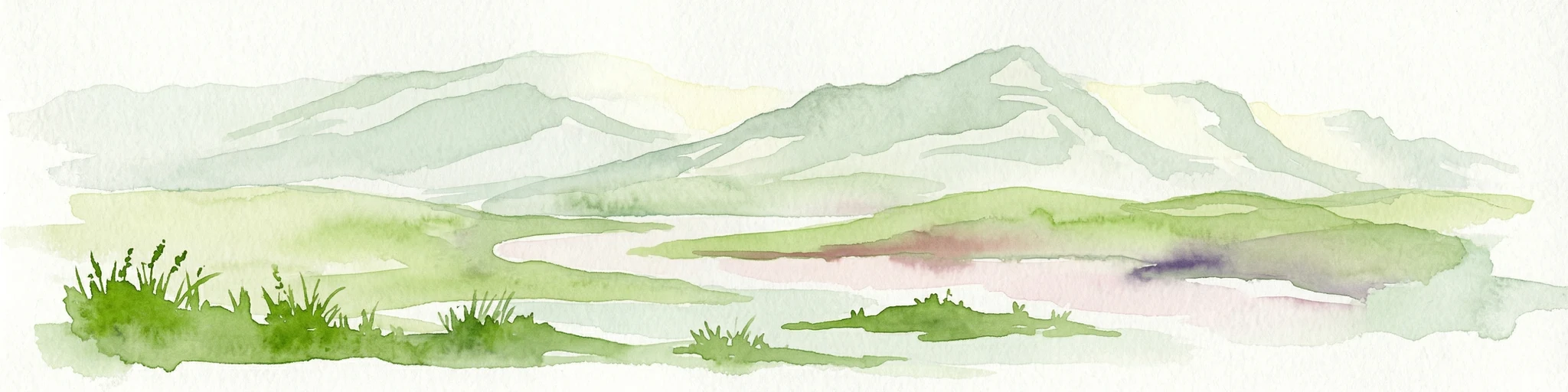
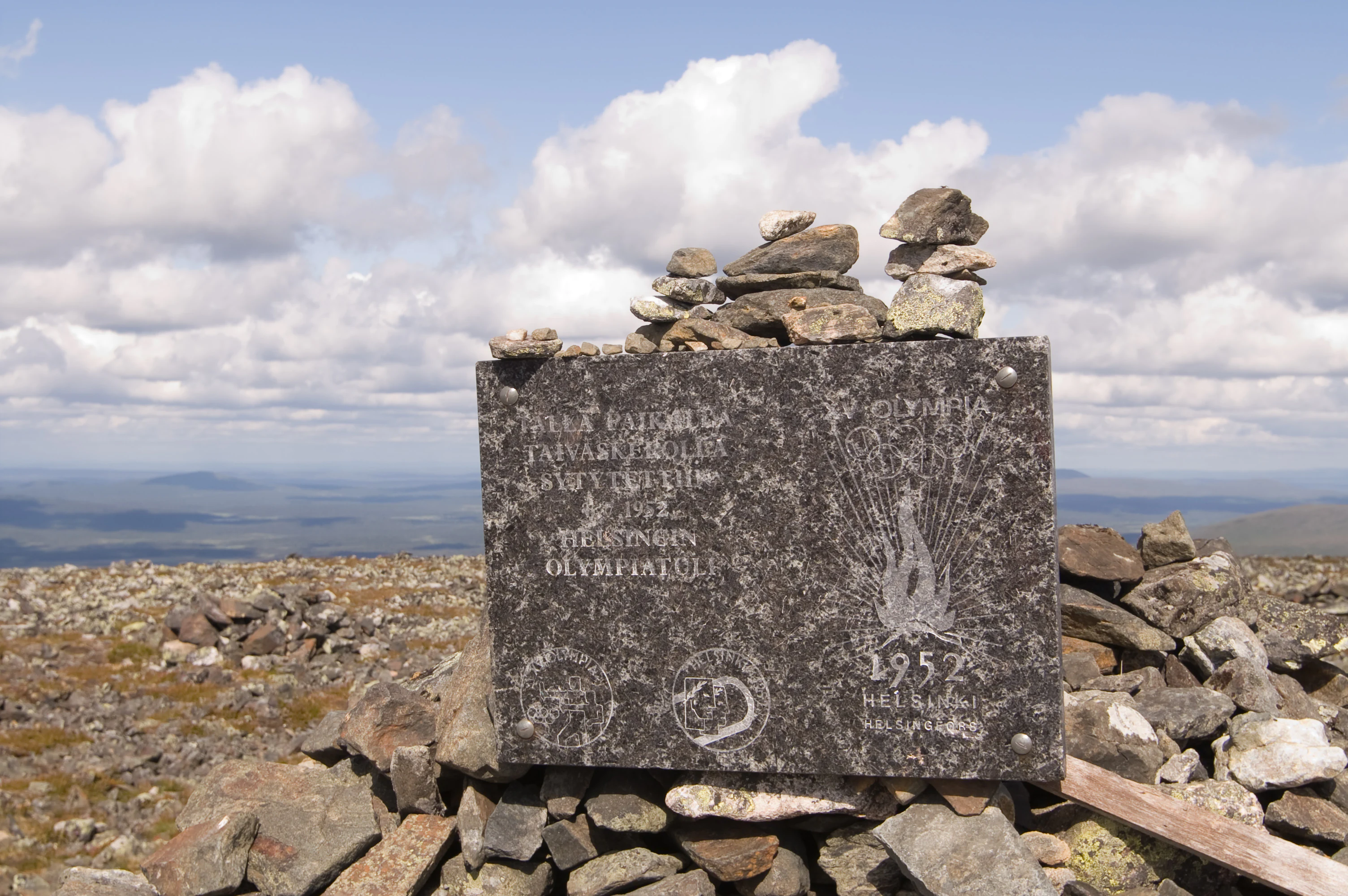
The defining landscape feature of Pallas-Yllästunturi National Park is its approximately 100-kilometre chain of fells, which represent the worn-down base of ancient folded mountains from roughly three billion years ago. These rounded fells, with their distinctive kero summits (the Finnish term for treeless, rounded fell tops), create a striking arctic mountain landscape. The highest point in the park is Taivaskero at 809 metres above sea level, with other notable peaks including Pyhäkero, Lumikero, Laukukero and Palkaskero. The geology varies across the park, with Ounastunturi consisting mainly of quartzite while Pallastunturi is primarily amphibolite. The landscape also includes deep ravines and gorges such as Vatikuru, Pirunkuru and Varkaankuru, which were carved by glacial meltwater. Between the fells lie valleys containing numerous lakes and ponds, with Pallasjärvi being the largest at 36 metres deep. The terrain also features glacial deposits including till, eskers, and kame formations, as well as wetland areas that form a typical component of the park's character alongside the fells and forests.
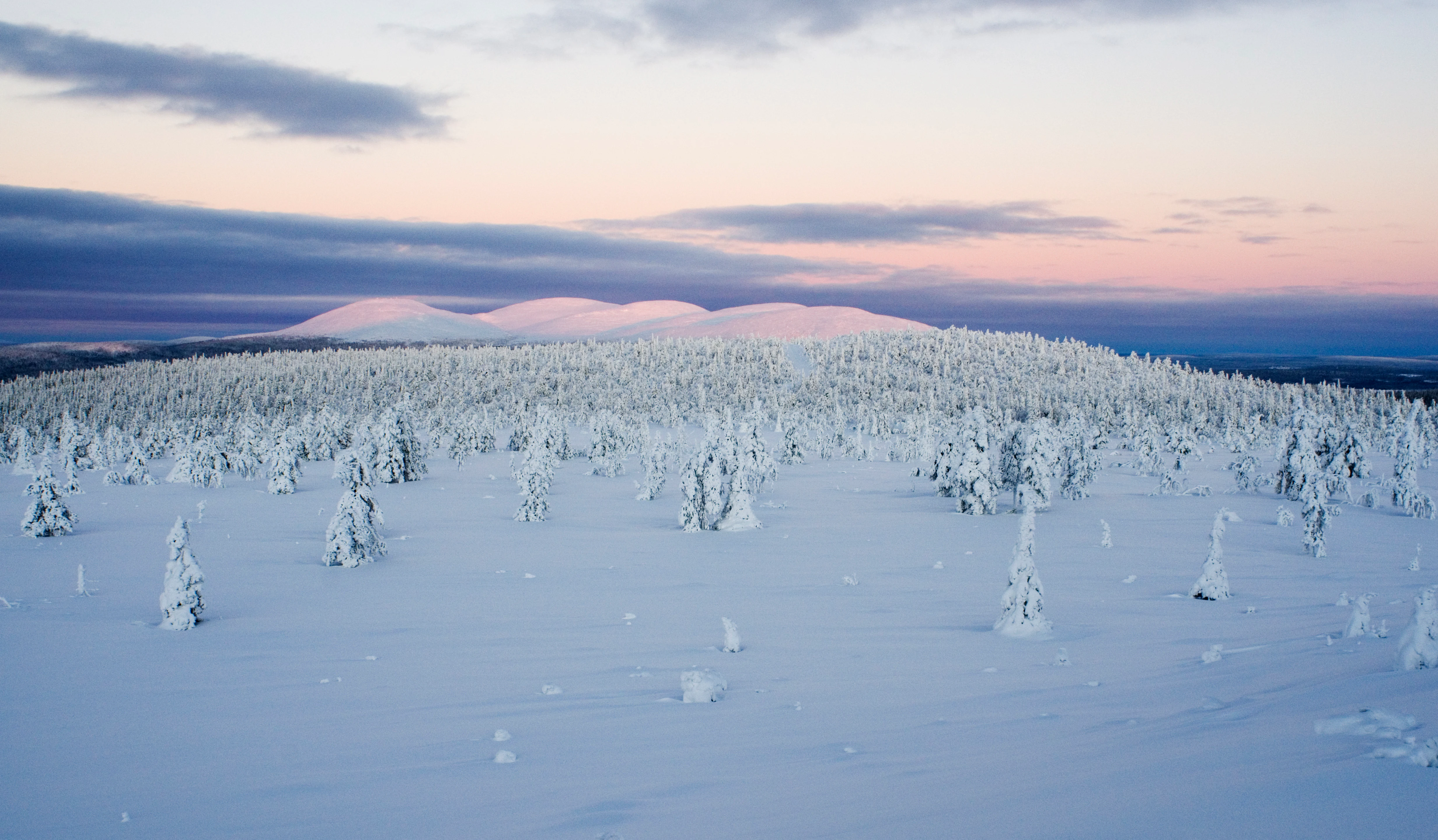
Pallas-Yllästunturi National Park ecosystems, habitats, and plant life
The nature of Pallas-Yllästunturi National Park is remarkably diverse, encompassing multiple distinct habitat types within the boreal zone. The park spans the boundary between Metsä-Lappi (Forest Lapland) and Peräpohjola (Northern Lapland) vegetation zones, with a transition zone running from Pallas to Pahakuru. The vegetation is rich, with pine, spruce, and fell birch thriving across the area. The tree line (puuraja) varies between 350 and 550 metres depending on slope aspect and exposure, with spruce dominating in southern areas and pine in the north. Between the forests and the open fells lies the subarctic zone (puolipaljakka), characterized by scattered trees and tree groups, typically spruce and pine in the south and fell birch in the north. The open fell areas (paljakat) support characteristic low-growing plants including dwarf birch, pincushion plants, alpine bearberry and crowberry. Mires are a typical landscape feature, with aapas wetland zones typical of both Forest Lapland and Northern Lapland. The park also contains herb-rich creek-side groves and old-growth forests with rare mosses and fungi. In calcareous areas, rare orchids are found.
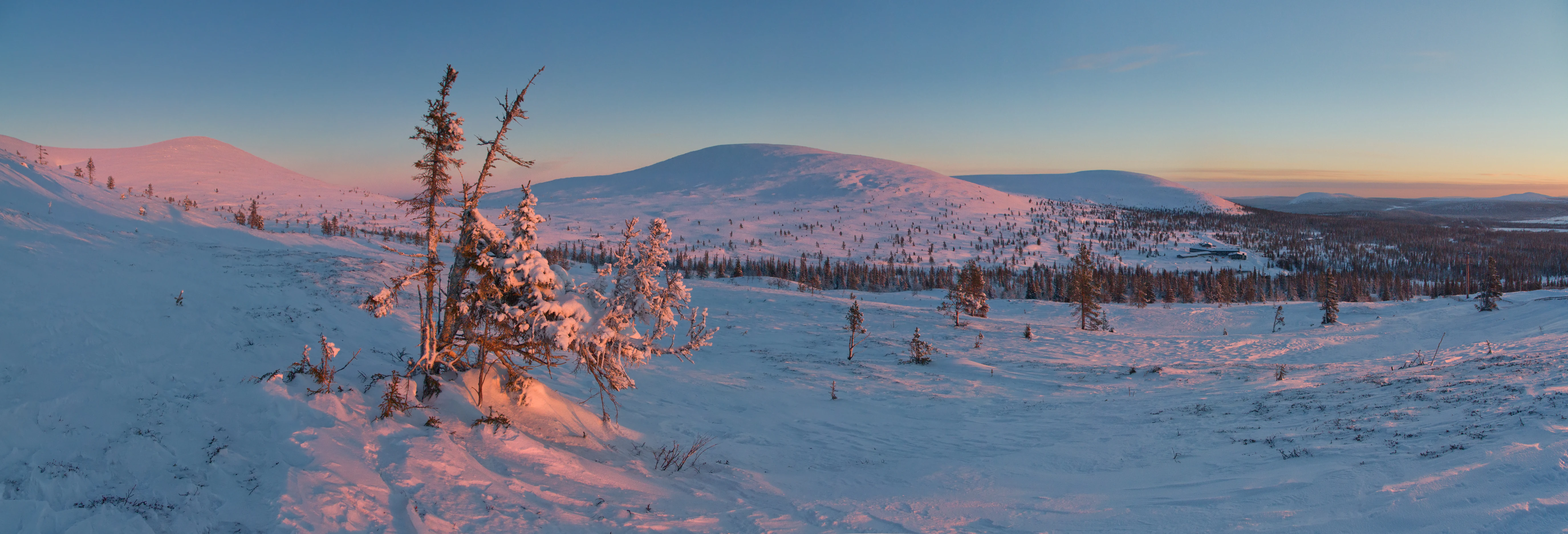
Pallas-Yllästunturi National Park wildlife and species highlights
Pallas-Yllästunturi National Park supports approximately 30 mammal species and around 180 bird species, making it significant for both northern and southern fauna. Large mammals include reindeer and elk, with reindeer particularly spending time on the fells and in mire areas during summer. Common mammals include hare, fox, weasel, Norway lemming, various shrew and vole species, and squirrel. The park is home to two of Finland's large predators: bear and lynx, both of which live permanently in the area. The park is notable as a meeting point for northern and southern bird species. Northern species include rock ptarmigan, willow grouse, and Eurasian dotterel at the southern edge of their range. Southern species such as common blackbird and wood warbler inhabit the lush spruce forests. Other notable birds include various tit species, Siberian jays, pine grosbeaks, white-throated dipper (which dives for food in streams even in winter), bluethroat, wood sandpiper, western yellow wagtail, ruff and spotted redshank. The park records 48 threatened or near-threatened bird species.
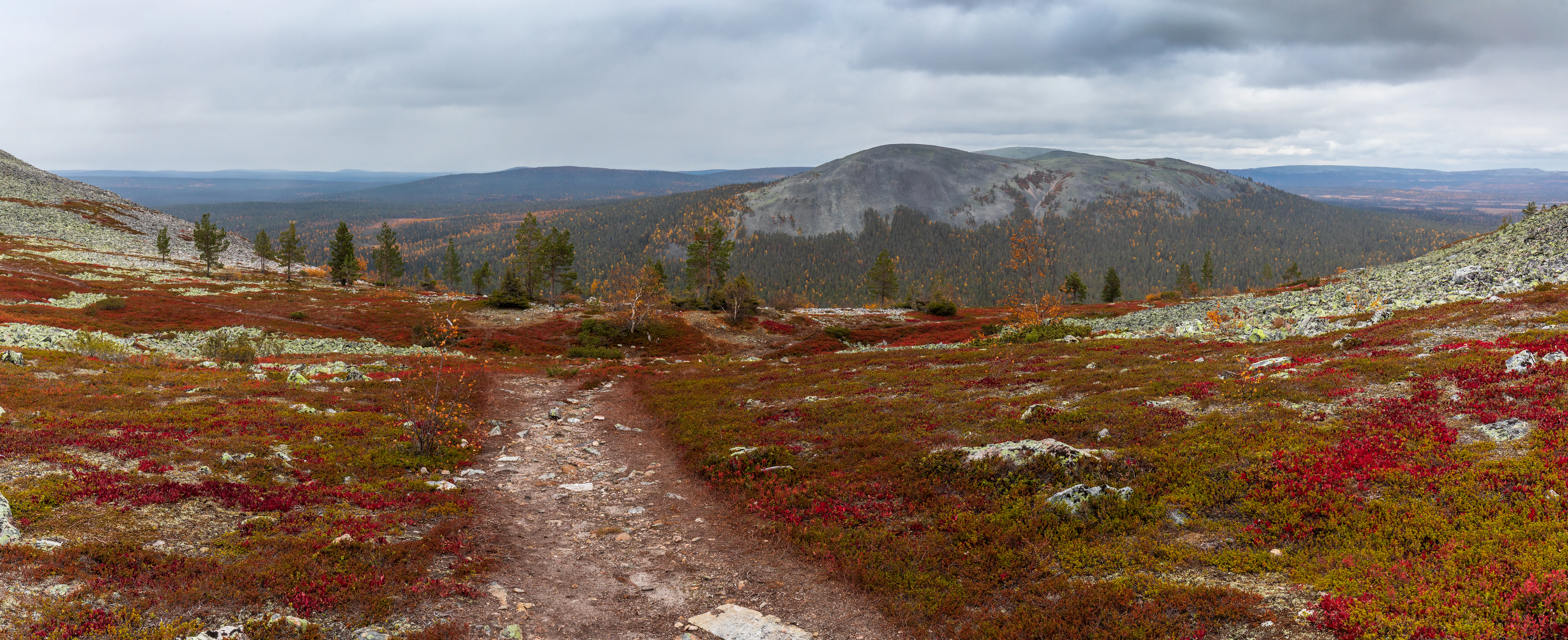
Pallas-Yllästunturi National Park conservation status and protection priorities
Pallas-Yllästunturi National Park holds significant conservation value as part of Finland's national park network and the European Natura 2000 network. The park was granted European Charter certification by the EUROPARC Federation for both 2013-2018 and 2019-2023 periods, recognizing its sustainable management and visitor services. The park's conservation significance is enhanced by its diverse habitats including old-growth forests, aapa mires, and alpine fell environments, many of which are protected under the Natura 2000 network. The park participates in Finland's litter-free hiking programme, with visitors expected to carry out their own waste and use serviced recycling points at visitor centres. Air quality monitoring at Sammaltunturi station shows some of the cleanest air in the world, with fine particle concentrations below 4 μg/m³, well below WHO guidelines.
Pallas-Yllästunturi National Park cultural meaning and human context
The Pallas-Yllästunturi area has a long human history spanning over 7,000 years, with evidence of Stone Age settlement in the Ounasselkä area. Bronze Age trade brought increased activity, including fur trading and the establishment of temporary bases. Reindeer herding, originating from Norwegian and Swedish Lapland in the 1300s, became established in the 1600s, though settled reindeer pastoralism ended in the early 1900s. Permanent peasant settlement in the river valleys began in the second millennium. The area's tourism history dates to the 1930s when fell skiing courses began and the Hetta-Pallas Trail was marked in 1934, Finland's oldest marked hiking trail. The original Pallastunturi Hotel (1938) represented functionalist architecture before its destruction in the Lapland War and subsequent reconstruction. The park contains cultural heritage including the ruins of Pyhäkero tourist cabin and the old Pallastunturi Hotel, as well as traditional reindeer husbandry landscapes.
Top sights and standout views in Pallas-Yllästunturi National Park
Pallas-Yllästunturi National Park offers an exceptional combination of arctic fell landscapes, boreal forest wilderness, and outstanding outdoor recreation infrastructure. The 100-kilometre chain of fells provides Finland's most iconic subarctic mountain scenery, with the Pallastunturi Fells recognized as a national landscape. The Hetta-Pallas Trail, Finland's oldest marked hiking route at approximately 50 kilometres, traverses fell plateaus, ravines, and multiple summits. The park's three visitor centres (Yllästunturi Kellokas, Pallastunturi, and Fell Lapland) provide comprehensive information, exhibitions on local nature and culture, and access to over 340 kilometres of marked summer trails and 500 kilometres of ski trails. The area's location north of the Arctic Circle offers extraordinary seasonal experiences including the midnight sun of summer and northern lights in winter. The exceptional air quality at Sammaltunturi station ranks among the cleanest measured anywhere in the world.
Best time to visit Pallas-Yllästunturi National Park
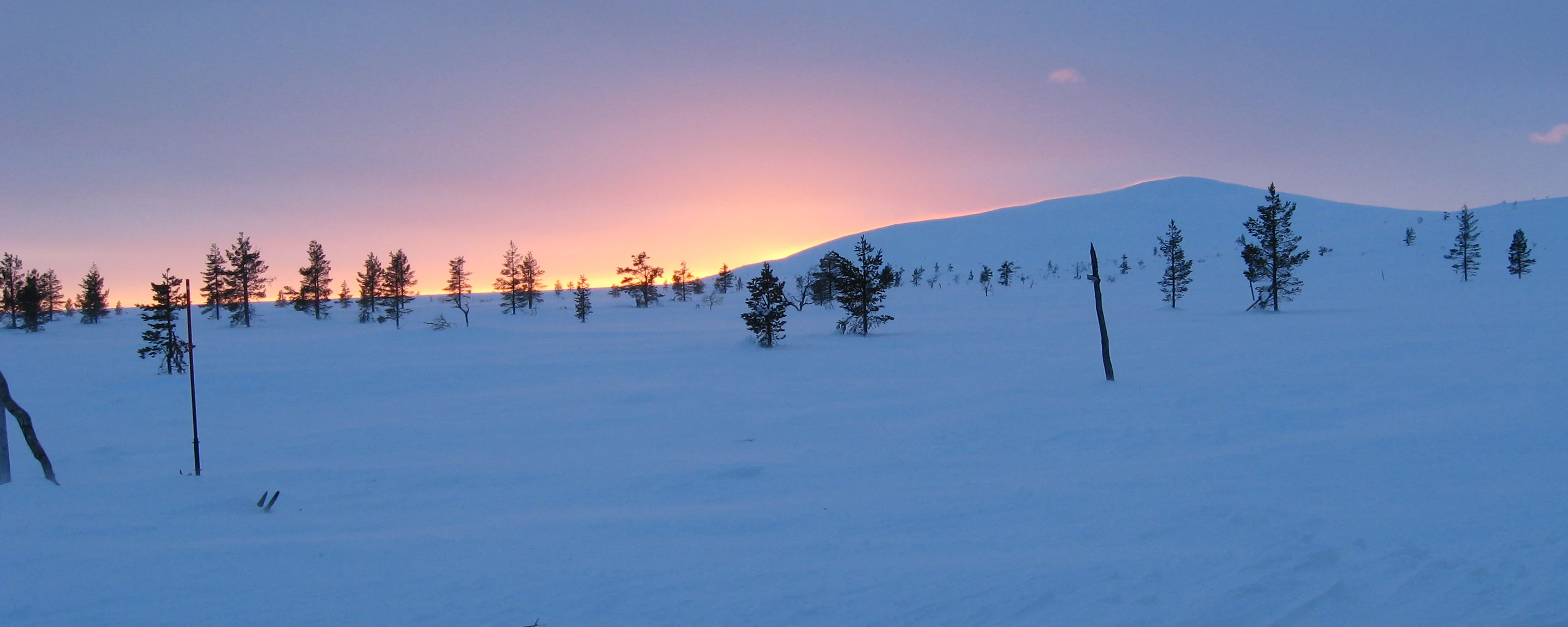
Pallas-Yllästunturi National Park offers distinct experiences across all seasons, each with its own character. Summer (mid-June to August) features the midnight sun, providing continuous daylight for extended hiking and outdoor activities. This is the peak season for hiking, with all trails open and the landscape displaying lush vegetation. Autumn (mid-September to October) brings the ruská (autumn colours) period lasting two to three weeks, with the fell birch turning golden and the moorlands displaying rich hues. Winter (November to March) offers dark days, polar night in December-January, and excellent conditions for skiing, snowshoeing, and winter hiking. Snow cover is thickest in March-April, often exceeding one metre. The extreme cold can drop to -30°C, but clear winter nights provide excellent opportunities for northern lights viewing. Spring (April to mid-June) sees rapidly increasing daylight and the snow melting, creating a different landscape character. Each season offers distinct wilderness experiences, though the most popular time for hiking is the brief summer-autumn period.