Why Parc de Vaugrenier stands out
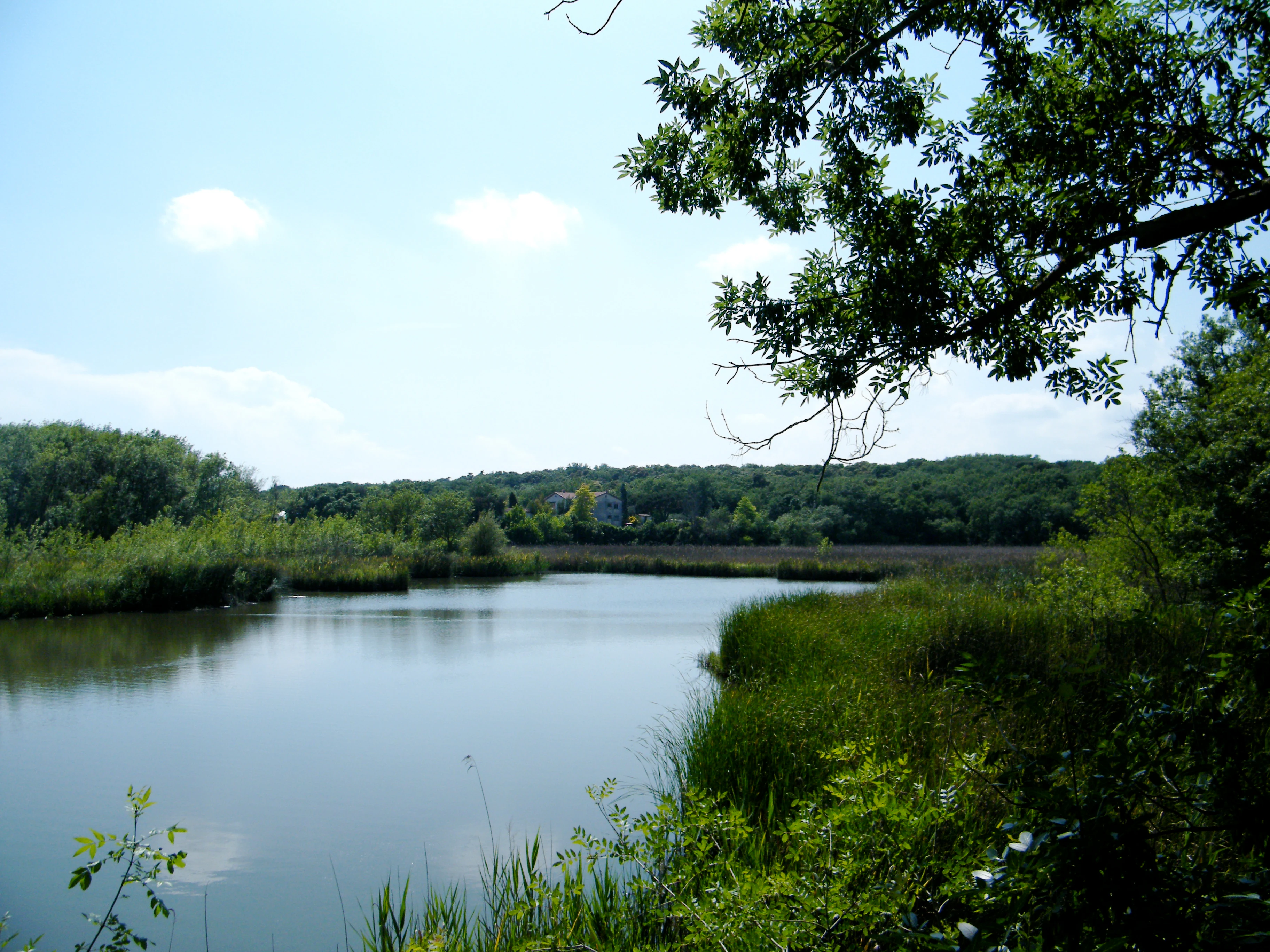
Parc de Vaugrenier is best known for its freshwater pond and its associated ornithological observatory, which together form a rare wetland habitat within a Mediterranean coastal park. The combination of a calm inland biotope with the urbanized backdrop of the French Riviera gives the park a distinctive identity. It is also recognized for the unusual mix of Mediterranean and exotic plant species, most notably a coast redwood growing far from its native California range. Finally, the park carries an unusual historical layer for a natural area, preserving evidence of Greek colonization and Roman coastal infrastructure connected to the ancient Via Julia Augusta.
Parc de Vaugrenier history and protected-area timeline
The Vaugrenier site has been inhabited and used for more than two and a half millennia. Greek settlers from Massalia adopted the location as early as the seventh century BC, drawn by its strategic position along the Ligurian coast. After the Romans defeated the local Oxybian people in 154 BC, the area came under Roman control and was integrated into the expanding coastal infrastructure of the empire.
Between roughly 20 and 10 BC, a temple, possibly dedicated to Mercury, was constructed on or near the site. Its presence is associated with the opening of the Via Julia Augusta, the major Roman coastal road that reorganized travel and trade along the Riviera. The remaining vestiges of this period connect the natural park directly to one of the most important classical arteries in the region.
In the modern era, the park took its present shape in 1995, when the site was rehabilitated as a departmental nature park under the management of the Conseil départemental des Alpes-Maritimes. In August 2009 accessibility improvements allowed visitors with reduced mobility to enjoy a nearly one kilometer stretch of adapted path. In 2016 outdoor fitness equipment was added for walkers, and in July 2018 the children's play area was fully renovated in a landscaped style, completing a series of upgrades that turned the park into a year-round destination for both nature and leisure visitors.
Parc de Vaugrenier landscape and geographic character
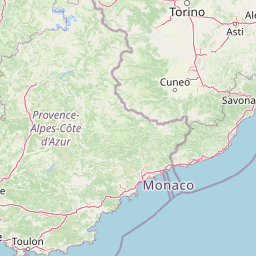
Parc de Vaugrenier occupies a gently inland portion of the Alpes-Maritimes coastal plain, set between the dense urban fabric of the French Riviera and the agricultural and wooded edges of the Var valley. Although close to the Mediterranean, the park itself is shielded from the sea by the RD 6007 and the coastal railway, which keeps its atmosphere distinctly inland and sheltered.
The terrain is mostly low-lying, with walking paths winding through Mediterranean woodland, open meadows, and wetland margins. Its central feature is a freshwater pond whose still waters create a calm reflective surface and support a rich variety of aquatic and semi-aquatic habitats, an unusual feature in a coastal environment otherwise dominated by dry Mediterranean scrub.
The landscape blends typical Riviera vegetation with more ornamental elements introduced for aesthetic and educational purposes. Mature exotic trees, including the notable California coast redwood, rise above native species and give certain sections of the park a parkland rather than wild character. This mix of naturalistic and designed scenery gives Vaugrenier a refined, well-maintained appearance distinct from more rugged regional reserves.
Parc de Vaugrenier ecosystems, habitats, and plant life
Ecologically, Parc de Vaugrenier exemplifies a Mediterranean coastal ecosystem enriched by freshwater influences. The transitional position between dry garrigue-type habitats and the humid margins of the central pond creates an unusual mosaic of plant and animal communities within a small area.
The pond supports an exceptional biotope that draws dragonflies, amphibians, reptiles, and a wide variety of birds, while surrounding Mediterranean woodland and shrub layers offer shelter for typical fauna of the Côte d'Azur. The park's botanical collection, blending native species with global introductions, also functions as a living demonstration of how different floras adapt to the mild Provençal climate.
Vegetation within the park includes oak-dominated Mediterranean formations, scrubby undergrowth, and ornamental exotic trees such as the coast redwood. Together, these layers produce a continuously shifting landscape where seasonal changes bring shifting colors, blooms, and bird activity, reinforcing the park's reputation as a compact biodiversity hotspot on the Riviera.
Parc de Vaugrenier wildlife and species highlights
Wildlife observation is one of the principal draws of Parc de Vaugrenier. The freshwater pond and its surrounding wetland vegetation attract a rich community of birds, and the dedicated ornithological observatory installed beside the water offers a calm vantage point for identifying species throughout the year.
Mediterranean fauna typical of the Alpes-Maritimes is also present across the park's woodland and open areas, from common reptiles and insects to small mammals moving between cover. The pond habitat in particular supports amphibians, dragonflies, and seasonal migrants, giving the park a different character from drier coastal sites nearby.
The blend of native and exotic vegetation creates varied food sources and shelter, which contributes to a noticeably broad spectrum of birdlife for such a small park. The presence of water in an otherwise dry Mediterranean setting amplifies this richness, making Vaugrenier a meaningful stop for local naturalists and casual visitors alike.
Parc de Vaugrenier conservation status and protection priorities
As a departmental nature park, Vaugrenier plays a clear role in preserving a patch of Mediterranean biodiversity within one of the most heavily urbanized coastlines in Europe. By holding a continuous green space between Villeneuve-Loubet and Antibes, the park helps maintain habitat continuity, support pollinator populations, and protect a freshwater ecosystem that is unusual in the surrounding coastal environment.
The park's management by the Conseil départemental des Alpes-Maritimes reflects a commitment to balancing ecological protection with public access. Habitat improvements over the years, including the development of the pond's biotope and the establishment of the ornithological observatory, have been designed to maintain the site's ecological functions while enhancing its educational and recreational value.
The park's conservation profile is further reinforced by the integration of exotic species such as the California coast redwood within a protective landscape framework, offering an unusual case study of how Mediterranean climates can support trees from very different parts of the world. This combination of native habitat protection and curated botanical diversity adds a distinct dimension to Vaugrenier's conservation significance.
Parc de Vaugrenier cultural meaning and human context
The Vaugrenier area carries an unusually rich cultural sequence for a small nature park. Greek settlers from Massalia used the position along the Ligurian coast as early as the seventh century BC, leaving the area integrated into early Mediterranean trade and travel networks.
Roman presence followed the defeat of the Oxybians in 154 BC, and the construction of a temple, possibly dedicated to Mercury, between roughly 20 and 10 BC connects the site directly to the imperial road system of the Via Julia Augusta. These remains give the park a tangible sense of place within the broader story of the French Riviera's antiquity.
In addition to its classical heritage, the park belongs to the modern rural and agricultural identity of the Alpes-Maritimes coast, where traditional countryside has gradually been encircled by urban development. The Très Haut Départements that manage Vaugrenier have emphasized the role of such parks as refuges for both natural and regional cultural landscape traditions, helping preserve a sense of Provençal coastal life that might otherwise be lost to Riviera urbanization.
Top sights and standout views in Parc de Vaugrenier
The central freshwater pond and its bird observatory form the ecological heart of Vaugrenier, offering a rare wetland experience on the otherwise dry Mediterranean coast. The park's curated collection of exotic trees, anchored by a California coast redwood, distinguishes it from typical Provençal woodland.
Equally important is the park's archaeological dimension, where Roman foundations and traces of Greek occupation overlap with a modern public space. Together, these make Vaugrenier a park that delivers both natural escape and historical depth within walking distance of Antibes and Villeneuve-Loubet.
Best time to visit Parc de Vaugrenier
Spring and early autumn are generally the most rewarding periods for visiting Parc de Vaugrenier. In spring, rising temperatures bring Mediterranean flora into bloom, the pond becomes active with amphibians and dragonflies, and migratory birds pass through in noticeable numbers. The mild conditions also make walking the longer trails especially pleasant.
Late summer offers a quieter atmosphere, although the heat pushes wildlife activity into the early morning and late afternoon hours. Winter visits are calmer still, with the pond continuing to attract resident waterbirds and the deciduous exotic trees adding seasonal structure to the landscape. Because the park is inland of the main coastal road, its sheltered position keeps it accessible in most weather conditions along the Riviera.