
Why Isla de Lobos National Park stands out
The park is best known as the home of the largest sea lion colony in the Western Hemisphere, an extraordinary concentration of marine mammals that breeds and rests on the rocky shores of Isla de Lobos. The simultaneous presence of two pinniped species, the South American sea lion and the South American fur seal, makes the island a globally significant site for understanding the ecology of these animals in the South Atlantic. Equally distinctive is the park's hybrid land-and-sea character, which pairs a small, rugged island with a submerged marine environment containing more than twenty emergent rock formations. This combination produces a highly varied seascape of channels, reefs, and open-water habitat that supports whales, orcas, and diverse seabird life beyond the famous pinniped colonies.
Isla de Lobos National Park history and protected-area timeline
The formal establishment of Isla de Lobos National Park is recent, with the area designated as part of Uruguay's National System of Protected Areas in 2024 through Decree No. 223/024. The designation brought the island, its satellite islet, and a defined submerged marine zone under a single coordinated protection framework, recognizing at the policy level what had long been understood by scientists: that the pinniped colonies of Isla de Lobos and their oceanic environment form one interconnected ecological system that cannot be effectively conserved in fragments.
Although the park itself is new, Isla de Lobos has a much longer informal history as a wildlife site of regional and hemispheric importance. A 2005 survey of the island documented approximately 1,500 South American sea lions and around 250,000 South American fur seals sharing the available rocky habitat, and these extraordinary numbers have long informed calls for stronger protective measures. The eventual creation of a formal national park consolidated this awareness into a legal and institutional framework, placing the island alongside Uruguay's other priority conservation areas.
Isla de Lobos National Park landscape and geographic character
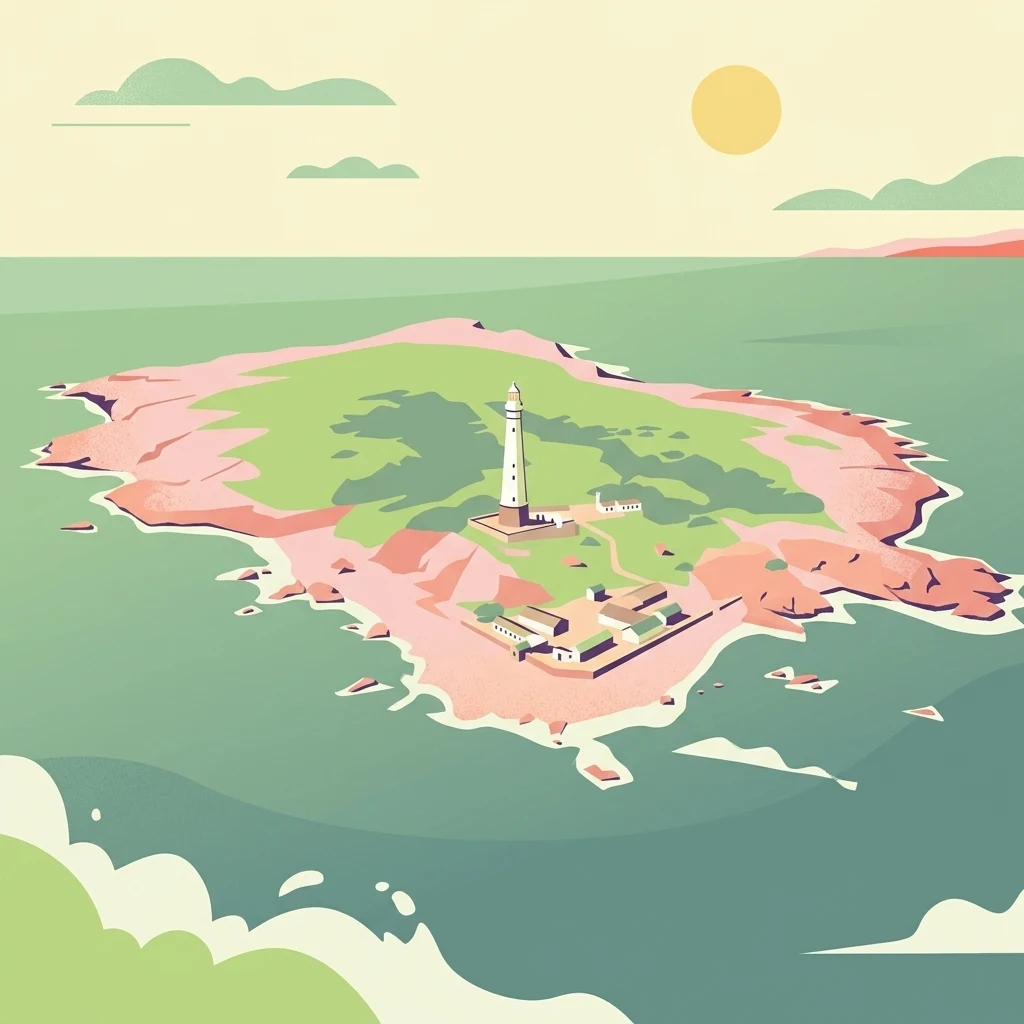
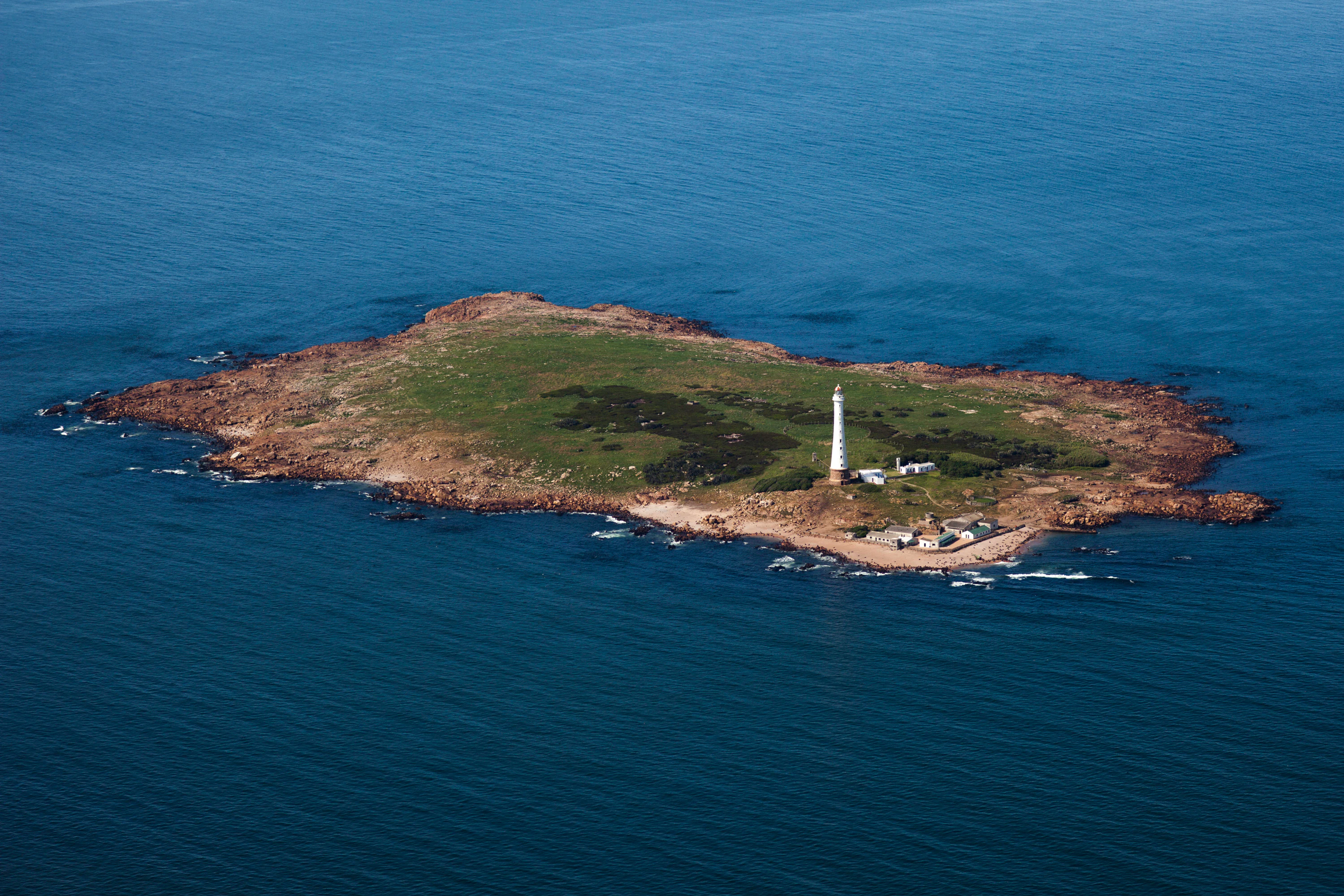
The physical setting of Isla de Lobos National Park is overwhelmingly oceanic, defined by the contrast between the solid mass of Isla de Lobos and the surrounding open Atlantic. The main island is rocky and exposed, with steep shorelines, rough terrain, and limited vegetation typical of small oceanic islands in temperate South Atlantic waters. A smaller islet lies adjacent to it, forming part of the same geological and ecological complex.
Beyond the two main land masses, the marine zone of the park is punctuated by more than twenty emergent rock formations that rise from the sea. These rocks create a textured seascape of channels, exposed reefs, and isolated pinnacles, and they define much of the visual character of the protected area. The combination of rocky island, scattered islets, and submerged reef structures gives the park a strongly three-dimensional landscape, in which terrestrial outcrops and submerged features together shape the habitat available to wildlife.
Isla de Lobos National Park ecosystems, habitats, and plant life
The protected area's ecological identity is shaped above all by its marine environment. Cold and productive South Atlantic waters sustain a food web rich enough to support enormous populations of pinnipeds, seasonal cetaceans, and a wide variety of seabirds. The rocky shorelines, emergent reefs, and isolated islets of the park provide the structural complexity on which much of this biodiversity depends, offering haul-out space, breeding sites, and refuge from open-ocean conditions.
On land, the vegetation of the island reflects the harsh maritime climate. Plant cover tends to be sparse, low-growing, and adapted to salt spray, wind, and thin rocky soils. This modest terrestrial vegetation contrasts sharply with the richness of the marine ecosystem just offshore, reinforcing the park's character as a primarily oceanic reserve in which land plays a supporting, but critical, role for breeding and resting marine fauna.
Isla de Lobos National Park wildlife and species highlights
Wildlife is the park's defining feature. Isla de Lobos hosts the largest colony of South American sea lions in the Western Hemisphere, sharing the limited rocky terrain with a much larger population of South American fur seals. The two species coexist in the same haul-out areas, dividing available space and habitat in ways that have made the island a globally important site for pinniped research and conservation.
Beyond the pinnipeds, the surrounding waters are inhabited by cetaceans including whales and orcas, which move through the park's marine zone at different times of the year. The island's cliffs, rocky shores, and the scattered emergent rocks also serve as habitat for a diverse seabird community, which uses the area for nesting, roosting, and resting. Taken together, the dense marine mammal colonies, seasonal cetacean presence, and rich seabird life make Isla de Lobos one of the most wildlife-concentrated protected areas in Uruguay.
Isla de Lobos National Park conservation status and protection priorities
The conservation significance of Isla de Lobos National Park rests on its role in protecting one of the largest and most important pinniped aggregations in the Western Hemisphere. By encompassing both the island and its surrounding marine environment, the park provides a legal framework for managing the full ecological context in which the sea lion and fur seal colonies live, including the feeding grounds, migration corridors, and breeding sites that extend well beyond the shoreline.
The inclusion of more than twenty emergent rock formations and a defined submerged zone within the park's boundaries reflects a deliberate effort to protect the structural and biological features of the marine habitat itself, not only the visible wildlife on land. This integrated approach helps reduce conflicts between wildlife protection and human activity in surrounding waters, and aligns Uruguay with broader regional efforts to safeguard South Atlantic marine ecosystems.
Isla de Lobos National Park cultural meaning and human context
The name Isla de Lobos, meaning Island of Wolves or Sea Wolves, reflects a long-standing vernacular recognition of the island as a place dominated by its marine mammal inhabitants, even before scientific surveys quantified the size of its colonies. In the regional culture of Uruguay's southern Atlantic coast, the island has historically been understood as a wild and remote outpost, valued more for its wildlife than for habitation, and it occupies an outsized place in local awareness of Uruguay's natural heritage.
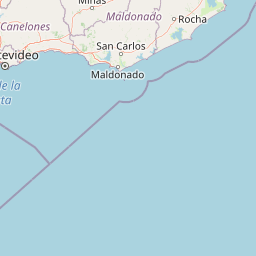
The park's location in the Maldonado Department places it within a broader coastal cultural landscape long associated with the country's maritime identity. While the island itself has never supported a permanent community, its presence offshore has shaped regional perceptions of Uruguay's Atlantic seascape and reinforced the importance attached to marine protection along this stretch of coast.
Top sights and standout views in Isla de Lobos National Park
The park's single most striking feature is the sheer abundance of pinnipeds that breed and haul out on Isla de Lobos, with colonies large enough to rank as the largest in the Western Hemisphere. Watching the South American sea lions and fur seals occupy the same rocky terrain is the most immediately recognizable experience the park offers.
Beyond the mammal colonies, the park stands out for the visual and ecological contrast between its small island land mass and the surrounding marine zone, punctuated by more than twenty emergent rocks. This combination of island solitude, marine productivity, and far-ranging cetacean and seabird presence makes the park unusually compact yet richly layered, and distinguishes it from Uruguay's larger terrestrial reserves.
Best time to visit Isla de Lobos National Park
The character of a visit to the Isla de Lobos area changes with the seasons in ways that are closely tied to the breeding cycles of its marine mammals and the movements of its seabirds. Warmer months generally bring increased pinniped activity on the island's beaches and rocky platforms, as both sea lions and fur seals concentrate on shore for breeding and rearing, while cooler months may shift some animal behavior and bring different patterns of cetacean presence offshore.
Because the park is entirely oceanic and subject to variable Atlantic weather, conditions on and around the island tend to be most favorable during periods of calmer seas. Prospective visitors generally benefit from milder seasons with reduced wind and swell, when wildlife viewing from surrounding waters is at its most rewarding. Anyone planning a visit should keep in mind that the site's exposure to open ocean conditions means that timing decisions are as much about sea state as about wildlife activity.