
Trip Planning
When is the Best Time to Visit Ranthambore National Park
Deciding when to visit Ranthambore National Park involves a fundamental trade-off between thermal comfort and wildlife visibility. For most travelers, the period from November to March represents the most favorable window, as the climate is characterized by moderate temperatures that allow for extended periods of observation without the physical strain of extreme heat. During these cooler months, the landscape retains a pleasant quality, and the weather is generally dry, making it easier to explore the terrain, including the surrounding ruins of the 10th-century fort, during morning and afternoon safari drives.
Thermal Limits and Wildlife Behavior
The climate in this part of Rajasthan is highly seasonal, with significant shifts in temperature that dictate both animal movement and visitor capacity. As the year progresses from the mild winter into the intense heat of April and May, the park undergoes a noticeable transition. While the mercury frequently climbs during the pre-monsoon months, this heat serves a functional purpose for wildlife enthusiasts. As water sources begin to dry up across the forest, the park’s primary tiger population tends to congregate around the remaining lakes and watering holes. This concentration often increases the likelihood of sightings, rewarding those who are prepared to navigate the high temperatures.
Understanding the Environmental Trade-off
Visitors should not view the climate merely as a constraint but as a factor that shapes the entire experience of the park. The interplay between daylight hours, which lengthen significantly from the winter solstice toward the summer, and the rising temperatures creates distinct visiting patterns. In the winter months, the mornings can be quite crisp, requiring layered clothing for early departures. By contrast, the summer months bring high humidity and heat that require careful planning for hydration and exposure. Because the park features an open, dry deciduous forest, the foliage provides less cover than dense tropical jungles, which is an advantage for wildlife viewing throughout the year. However, the intensity of the sun is the primary variable that determines whether your visit centers on a comfortable tour of the historical and natural landscape or a more challenging, focused effort to track tigers during the peak of the dry season. Regardless of when you choose to go, the combination of architectural history and the potential for big cat sightings remains constant, provided you match your personal tolerance for heat and crowds with the seasonal dynamics of this unique semi-arid environment.
Visitor Timing Overview
Optimal Months for Visiting Ranthambore National Park
Peak Wildlife Activity: November to March
The window spanning November through March represents the most popular period for visiting Ranthambore, primarily because the daytime temperatures remain manageable for extended safari excursions. During these months, the park environment is cooler, particularly during the early morning and late evening drives. Visitors often find this season ideal for photography, as the natural light is softer and the dry, thinning foliage improves visibility. While the landscape is transitioning from the post-monsoon green to the drier hues of winter, wildlife is generally more active throughout the day, as animals do not need to retreat to deep shade to escape extreme heat.
The Pre-Monsoon Heat: April and May
For travelers who prioritize the highest probability of spotting tigers, the intense heat of April and May offers a distinct advantage. As the arid Rajasthan summer sets in, water sources within the park begin to dry up, forcing the Bengal tiger population to congregate around the remaining lakes and artificial watering holes. This concentration significantly increases the likelihood of sightings. However, this period requires physical resilience and careful planning. Daytime maximum temperatures during these months consistently climb well above 40 degrees Celsius, creating a challenging environment for visitors. Travelers opting for this window must be prepared for extreme heat, which dictates a much tighter, more restricted schedule for park activities to avoid the harshest midday sun.
Seasonal Transitions and Planning Trade-offs
Choosing when to visit involves balancing comfort against the specific requirements of wildlife observation. The shoulder periods often feature the most significant weather fluctuations. For instance, the transition into March sees a sharp increase in maximum temperatures, moving from the moderate levels of winter toward the intense heat of the coming summer. Similarly, as the park approaches the monsoon transition, the humidity levels begin to shift, affecting how the heat is perceived.
- Winter (November to February): Best for comfortable climate, mild excursions, and overall park exploration without the exhaustion of extreme heat.
- Early Summer (March): A transitional month offering a mix of lingering pleasant weather and early opportunities for increased tiger sightings near drying water holes.
- Peak Heat (April to May): The primary choice for dedicated wildlife seekers who can handle high temperatures in exchange for higher sighting density at water sources.
Travelers should remember that these climate patterns reflect long-term trends. Regardless of the chosen month, daily weather can deviate from these normals. Those planning their trip should monitor current conditions and official park alerts closer to their departure date to ensure that their expectations for local weather and park accessibility align with the reality on the ground.
Annual Climate Overview
Understanding Weather and Climate Patterns in Ranthambore National Park
Understanding the Annual Climate Cycle in Ranthambore
Ranthambore National Park experiences a climate defined by distinct shifts between cool, dry winters and intense, arid pre-monsoon heat. These long-term normals, derived from three decades of data, illustrate the environmental reality of the Sawai Madhopur region. It is important for travelers to note that these figures represent historical climatic averages at an elevation of approximately 268 meters. They are not local forecasts, and conditions across the park's diverse terrain,ranging from rocky ridges to shaded valleys,can vary significantly on any given day.
The Shift from Winter to Pre-Monsoon Aridity
Starting in December and January, the park enters its coldest period. Morning temperatures often drop to single digits, with January averages showing minimums around 3.73°C. Visitors during these months encounter crisp, cool days where the midday sun provides warmth, but early morning safari hours remain notably chilly. As the season progresses through February and March, the climate undergoes a rapid transition. By March, average maximum temperatures climb toward 39.91°C, marking the end of the mild weather cycle.
Humidity levels reflect this drying trend. In January and February, relative humidity hovers between 31% and 38%. By April, as the pre-monsoon heat builds, humidity drops to its lowest annual point at approximately 19.16%. This combination of high heat and low moisture is the primary driver of the park's environment during the peak sighting months, as animals are increasingly compelled to congregate near permanent water sources in search of relief and prey.
Peak Summer Heat and the Monsoon Transition
The most extreme heat occurs in May and June, just before the arrival of the monsoon. May sees the highest average maximum temperatures, frequently exceeding 46°C. During this time, daylight hours extend to their annual peak of over 13 hours, resulting in long, intense periods of sun exposure. Wind speeds also reach their highest during this phase, often peaking at over 4 m/s. While this wind may offer slight movement in the air, it does little to mitigate the sheer intensity of the heat during mid-day hours.
Following the peak summer heat, the precipitation pattern shifts dramatically. While the dry season maintains almost negligible rainfall from November through May, the park receives significantly higher moisture levels in July and August, with rainfall rising toward 7 mm per day. This sharp increase in moisture coincides with a rise in relative humidity, which reaches its annual peak in August at over 78%. During this transition, the landscape shifts from the parched, brown tones of the hot season to a lush, green environment as the ecosystem reacts to the rainfall.
Autumn Cooling and Daylight Variations
As the monsoon tapers off in September, the park begins a slow return to drier conditions. October serves as a critical transition month, where humidity begins to decline from the highs of late summer and average maximum temperatures stabilize around 35.83°C. By November, the climate enters the threshold of the next winter cycle. Daylight hours gradually shorten, reaching their minimum in December at 10.4 hours. This reduction in sun exposure, coupled with the return of lower humidity and cooling nighttime temperatures, signals the stabilization of the climate that defines the start of the primary visitor season.
Seasonal dynamics
Annual Weather Patterns and Seasonal Transitions in Ranthambore
The Rhythm of the Dry Season and Transitioning Heat
Ranthambore operates on a landscape-driven cycle defined primarily by the availability of water and the intensity of the sun. Rather than a standard four-season model, the park functions through a long dry phase that intensifies as the months progress. From November through March, the park remains in a cooling, manageable phase. The vegetation is relatively thick following the post-monsoon period, and temperatures are favorable for long morning or afternoon drives. As April arrives, a distinct transition occurs. The humidity drops significantly, the deciduous trees shed their leaves, and the water sources shrink to isolated points, forcing wildlife into more open areas. This shift defines the peak visibility period, as the environment becomes increasingly arid and sparse.
Defining the Pre-Monsoon Peak
The most dramatic seasonal transition occurs between April and June. During this phase, Ranthambore enters its most extreme climatic state. Temperatures frequently reach their annual highs, and the forest canopy becomes largely barren. This is not merely a warm period but a functional change in the wildlife viewing experience. The reduction in foliage combined with the heat-stressed state of the resident fauna creates a predictable pattern where tigers and other large mammals concentrate near permanent water bodies. Visitors should understand that this period is characterized by intense solar radiation and minimal shade, which fundamentally alters the duration and comfort of game drives compared to the winter months.
The Monsoon Withdrawal and Park Restoration
The period from July through September marks the annual withdrawal of visitors due to the monsoon rains. While this timeframe is often labeled as the rainy season, the local experience is defined by the transformation of the landscape into a lush, green corridor. Humidity levels rise sharply, peaking in August, and the internal park tracks become difficult or impossible to traverse. This serves as a vital ecological recovery window. When the park begins to reopen, typically after the rains subside, the landscape has regained its vitality. The transition back into the cool, dry winter months is gradual, beginning in October as the ground dries and the temperatures start to retract from their summer peaks, setting the stage for the return of consistent wildlife viewing conditions.
Interpreting Annual Shifts
Visitors should not view these seasons as static entities but as a fluid progression. The transition months are particularly important to monitor. For instance, the shift from late March to early April signals the final departure of the comfortable morning air, while the transition from September to October signals the end of the high-humidity phase. Understanding that the park's accessibility and wildlife movement patterns are tightly coupled with these climatic shifts helps in setting realistic expectations for the density of vegetation and the physical intensity of the environment. While the cold of January mornings is a reality, it is a localized, short-term contrast to the pervasive, lingering heat of the pre-monsoon months.
Seasonal Experiences
What Visiting Ranthambore National Park Is Like Throughout the Year
Navigating Wildlife Viewing Opportunities Across the Seasons
The experience of observing wildlife in Ranthambore is heavily influenced by the seasonal transformation of the dry deciduous forest. As the dry season progresses from November into the intense heat of April and May, the vegetation thins significantly. This reduction in foliage creates more open sightlines, which generally increases the probability of spotting tigers as they move through the park or approach the water bodies that remain throughout the year. Visitors choosing the later, hotter months often report a higher frequency of sightings, though this is balanced against the necessity of enduring higher temperatures during the morning and afternoon safari windows.
Accessing the Landscape and Historical Ruins
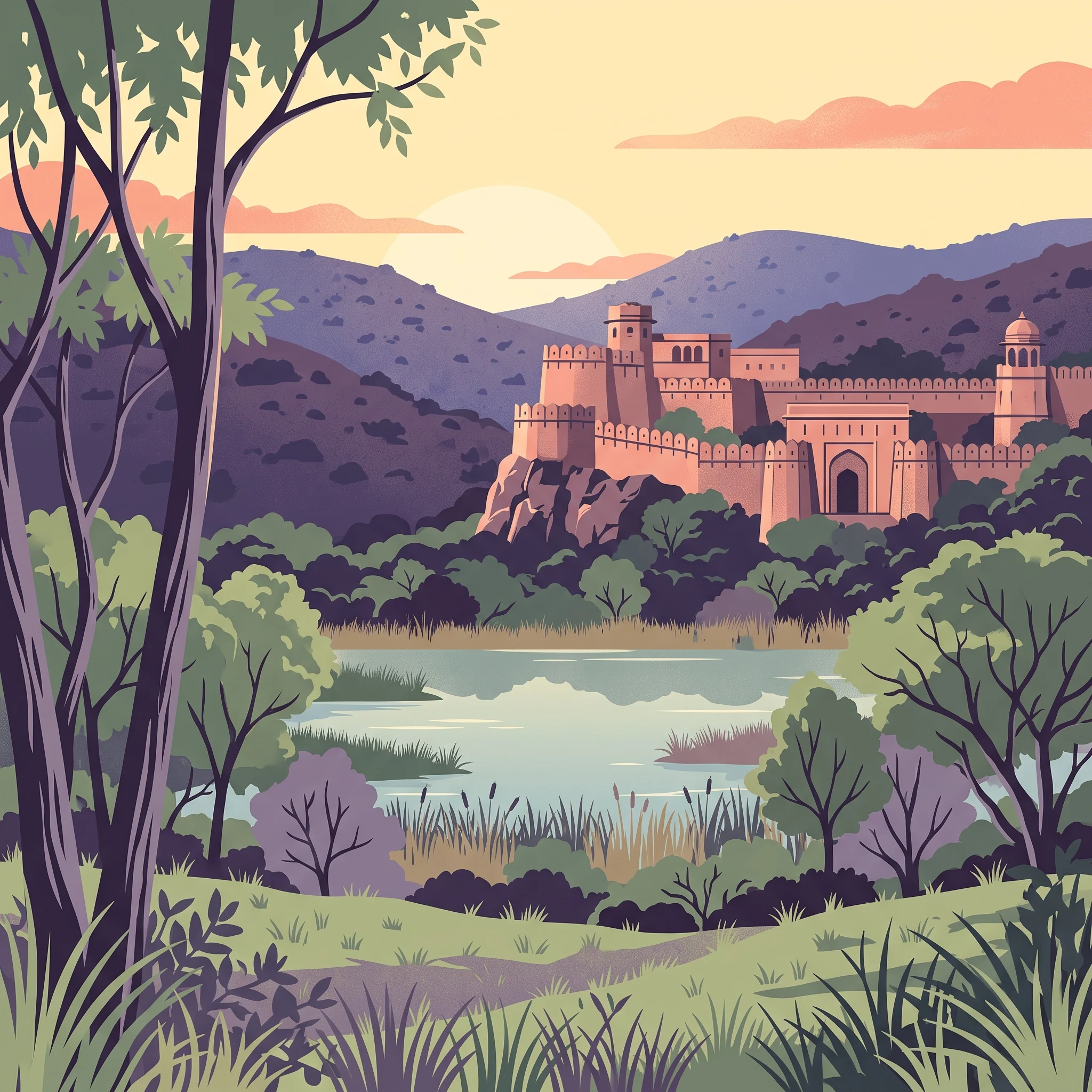
The 10th-century Ranthambore Fort serves as a primary cultural anchor within the park. During the cooler months of December and January, morning temperatures can drop considerably, making the exposed areas of the fort or the open-top safari vehicles feel quite chilly. Conversely, as the year advances into the spring, the rising temperatures make the mid-day hours less suitable for extended walking or exploration. The architecture of the fort, surrounded by the dramatic Aravalli hills, is accessible throughout the main open season, but the physical comfort of your visit will depend on your tolerance for the local thermal patterns. Visitors should note that while the ruins are a fixed entity, the surrounding landscape changes from lush post-monsoon greens to the sparse, golden hues of the dry season, shifting the aesthetic character of your photography and exploration.
Safari Vehicle Experiences and Logistics
The experience of a safari is dictated by your choice of vehicle, either the 6-seater Gypsy or the larger 16 to 20-seater Canter. Both vehicle types are open-top, which exposes passengers directly to the elements. In the peak of the heat in May, the wind and sun are significant factors for anyone on a long morning or afternoon drive. Because safari zones are subject to strict quotas, the experience is inherently linked to your ability to secure permits for specific areas, particularly zones 1 through 5, which are often cited for their higher frequency of tiger activity. Regardless of the month, the requirement for a guide and an approved vehicle is a constant, ensuring that the movement through the park remains regulated. It is essential to remember that these safaris operate within fixed morning and afternoon time blocks, meaning your daily schedule must align with these rigid windows regardless of the season.
Visitor Priorities
Optimizing Your Ranthambore National Park Visit Based on Personal Priorities
Balancing Thermal Comfort and Daily Wildlife Activity
For travellers whose primary objective is physical comfort during early morning and late afternoon safaris, the window between November and February represents the most suitable period. During these months, the daytime mean temperatures remain far lower than the scorching pre-monsoon heat, making the open-top Gypsy and Canter rides pleasant rather than physically demanding. The compromise for this comfort is that wildlife, particularly tigers, may be less constrained to specific water holes because cooler temperatures and residual vegetation cover allow them to traverse a wider range of the park. You will experience crisp, cool air, but you must be prepared to layer clothing, as temperatures during early morning safari departures can drop significantly.
Prioritizing Maximum Visibility During Peak Heat
If your main priority is the highest probability of sighting a tiger near permanent water sources, the period from April to May is statistically superior, despite the demanding environmental conditions. As the mercury climbs toward historical maximums often exceeding 40 degrees Celsius, the vegetation thins and natural water availability across the 1,334 square kilometer reserve diminishes. Tigers are forced to remain closer to the remaining lakes, which improves sighting consistency for patient observers. The primary trade-off here is the extreme heat, which can make long periods in an open-top vehicle taxing for those sensitive to high temperatures. You should choose this period only if your tolerance for intense, dry heat is high and your focus is strictly on wildlife observation over physical ease.
Selecting for Longer Daylight and Extended Safari Potential
Visitors who prioritize the duration of daylight for photography or more expansive exploration of the diverse terrain may look toward the late spring period of May and June. During these months, the park experiences its longest daylight hours of the year, providing a larger window for light-dependent activities. While the heat is at its most intense during these months, the increased wind speeds recorded in the climate data can provide brief relief during transit. The trade-off is the significant physiological strain imposed by sustained exposure to the sun. If you select this window, ensure your planning accounts for the midday intensity, which is when the park is most likely to be at its most challenging for those who are not accustomed to Rajasthan's summer climate.
Drier Conditions for Park Mobility
For travellers seeking the driest possible environment, the period spanning November through April offers near-minimal precipitation levels. These months are ideal for those who wish to avoid the humidity and potential mud of the monsoon-influenced months, which begin in late June and peak in August. Choosing this dry period ensures that park roads remain accessible and that safari experiences are not interrupted by erratic rainfall. The trade-off is the lack of lush scenery, as the landscape shifts into its characteristic dry deciduous state, which many find stark or barren compared to the post-monsoon greenery.
Access and Logistics
Seasonal Access and Practical Trip Planning for Ranthambore National Park
Planning a visit to Ranthambore requires coordinating your travel dates with the established operational cycle of the park. While climate patterns provide a general guide for wildlife activity, the logistics of access are managed through official reservation systems and seasonal entry rules that remain subject to change. Travelers should view seasonal averages as indicators of the environment they will face, rather than guarantees of road status or facility availability.
Transport and Regional Connectivity
There are no direct air or rail connections inside the protected area. Most visitors arrive via Sawai Madhopur, the nearest town that serves as the primary gateway for regional transport. This town features train and bus connections to major cities across Rajasthan and the wider country. Once you reach Sawai Madhopur, local transit options such as private taxis or hotel-arranged transport are required to reach the park entrance. Because transit routes and the frequency of local services can fluctuate based on tourism demand and regional infrastructure updates, it is essential to verify current connections with your accommodation or a registered transport provider before confirming your travel dates.
Navigating Park Access and Reservations
Access to the safari zones is controlled through a permit system that limits the number of vehicles allowed inside the park at any given time. These permits are typically processed through official government portals. It is common for the demand for these permits to fluctuate significantly based on the time of year, with higher competition during peak cool-weather months and school holiday windows. Booking lead times are variable, and it is impossible to rely on general seasonal advice to determine when you must secure your slot. You must check the official state or park authority websites for the most current rules, lead times for booking, and any modifications to zone access.
Operational Status and Seasonal Regulations
Operational schedules for the park, including the specific zones open for public entry, are defined by the managing authorities. While the park generally maintains activity throughout the year, temporary closures or zone restrictions can be implemented due to weather events, management requirements, or wildlife conservation needs. Never assume that a date is open for visitation based on historic climate normals or general travel articles. Before finalizing flights or non-refundable bookings, always confirm the current park status through official channels. This includes checking for any recent updates regarding visitor hours, vehicle entry rules, and potential maintenance periods that may affect access to the Ranthambore Fort or specific safari routes.
Safety and Logistics
Weather, Safety, and Seasonal Preparation for Ranthambore
Managing Thermal Exposure in Rajasthan
Preparation for the park depends heavily on your choice of season, as the climate fluctuations between the winter months and the pre-monsoon heat are significant. During the winter period from November through February, daily temperatures can drop to single digits during early morning and late evening hours. Because safaris typically utilize open-top vehicles, the wind chill experienced while driving is substantial. Travelers should prepare to layer clothing effectively, ensuring they have wind-resistant outer shells and warm accessories like scarves, caps, and gloves to remain comfortable during long drives in unheated vehicles.
In contrast, the pre-monsoon months of April and May present a different set of logistical requirements. Daytime maximums frequently exceed 40 degrees Celsius, creating high-intensity heat conditions that require proactive management. While the park does not provide specialized medical cooling, visitors must plan for significant sun exposure and heat strain. Wearing lightweight, breathable, and light-colored long-sleeved clothing helps protect the skin from intense solar radiation. Frequent hydration is necessary, and travelers should rely on official park guidance regarding activity limits or, if applicable, shorter safari durations during the hottest periods of the day.
Adapting Gear and Supplies for Variable Conditions
Beyond basic thermal management, your gear should be tailored to the dry, dusty nature of the forest environment. The soil in the park is prone to becoming airborne during the windier, drier months, particularly in April and May when wind speeds are higher than in the winter. Protecting camera equipment and personal electronics with dust-proof covers is a practical measure for any visit.
Preparation also hinges on the park's specific rules regarding access. Because safari routes are determined by the forest department and can change based on conditions or conservation priorities, your safety preparation should always include checking the latest information from official sources. Avoid relying on third-party forums for real-time safety alerts or trail closures. Instead, consult the official forest department portals or visitor centers upon arrival to understand current site-specific advice. If you are traveling with specific health needs, acknowledge that the park is a remote, semi-arid environment where emergency services may not be immediately adjacent to your safari vehicle. Always carry necessary personal items with you in the vehicle, as you will not have regular access to base facilities once a safari session begins.
Final Planning
How to Choose the Best Time for Your Ranthambore Trip
Balancing Climate and Wildlife Objectives
Choosing the right dates for your visit requires a clear assessment of your tolerance for Rajasthan’s climate alongside your specific interest in wildlife sightings. The decision rests on a fundamental trade-off between the cooler, more temperate conditions of winter and the high-intensity heat of the pre-monsoon period. Visitors who prioritize physical comfort and mild, manageable temperatures during early morning or late afternoon safaris will find that the months from November to March offer the most hospitable environment. During this period, the morning chill is offset by sunny, pleasant afternoons, making extended time in an open-top vehicle an enjoyable experience rather than an endurance test.
Interpreting High-Visibility Windows
If your primary goal is maximizing the probability of tiger sightings, the months of April and May present a different set of advantages. As temperatures rise significantly toward the summer peak, surface water sources within the park diminish, forcing tigers and other wildlife to congregate around the remaining pools. While this increases the likelihood of sightings, it also requires you to prepare for extreme heat, intense solar exposure, and high humidity in the transition toward the monsoon. This window is less about comfort and entirely about the predictable behavior of the wildlife within the park’s drying, arid landscape.
Finalizing Your Decision Framework
To make an informed choice, define your primary goal before reviewing your calendar. If you are seeking a balance of landscape exploration, birdwatching, and general wildlife observation without the stresses of high heat, aim for the window between November and February. For those who are specifically targeting tiger photography or are willing to trade thermal comfort for heightened wildlife predictability, the late spring months provide a unique, though challenging, opportunity. Regardless of your chosen window, remember that historical climate patterns serve only as a guide for planning. Before finalizing your bookings or embarking on your journey, always check official park alerts, operating schedules, and local weather forecasts to ensure that your plans align with current park conditions and management policies.