
Why Rašeliniště Kaliště stands out
Rašeliniště Kaliště is best known for being a meadow-type peat bog on the Czech-Moravian Highlands that harbors an exceptionally rich concentration of bryophyte species. The reserve is widely recognized among Czech bryologists as one of the most significant peatland localities for mosses in the entire Czech-Moravian Highlands region. Among the species documented here, several are nationally rare or threatened, including small surviving populations of distinctive bog mosses such as Meesia triquetra, Paludella squarrosa, Hamatocaulis vernicosus, and Calliergon giganteum. This combination of habitat type and species composition is the defining ecological identity of the reserve.
Rašeliniště Kaliště history and protected-area timeline
Rašeliniště Kaliště was established as a nature reserve on 8 July 1982 by the Okresní národní výbor Jihlava, the former district national committee in Jihlava, during an era when the Czech nature conservation system was actively expanding its network of small, ecologically specialized protected sites.
As a nature reserve (přírodní rezervace), the site has long been oriented toward the conservation of a specific habitat type, in this case a meadow-type peat bog, rather than broader landscape protection. Over time, as understanding of bryophyte ecology and peatland conservation has grown, the reserve's significance has been reinforced by detailed botanical surveys documenting nationally rare moss species within its boundaries. The site continues to be managed within the modern Czech framework of specially protected areas, with national oversight provided through the AOPK ČR registry.
Rašeliniště Kaliště landscape and geographic character
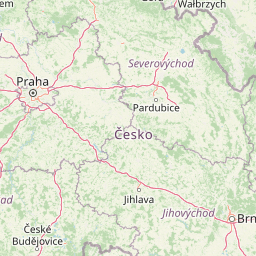
The reserve sits within the upland landscape of the Czech-Moravian Highlands, a region known for its gently rolling terrain, mixed forest cover, and a network of small rivers, streams, and ponds. Rašeliniště Kaliště lies at approximately 650 meters above sea level, placing it firmly within the highland zone where climate, soils, and hydrology favor the development of peat-forming wetland habitats.
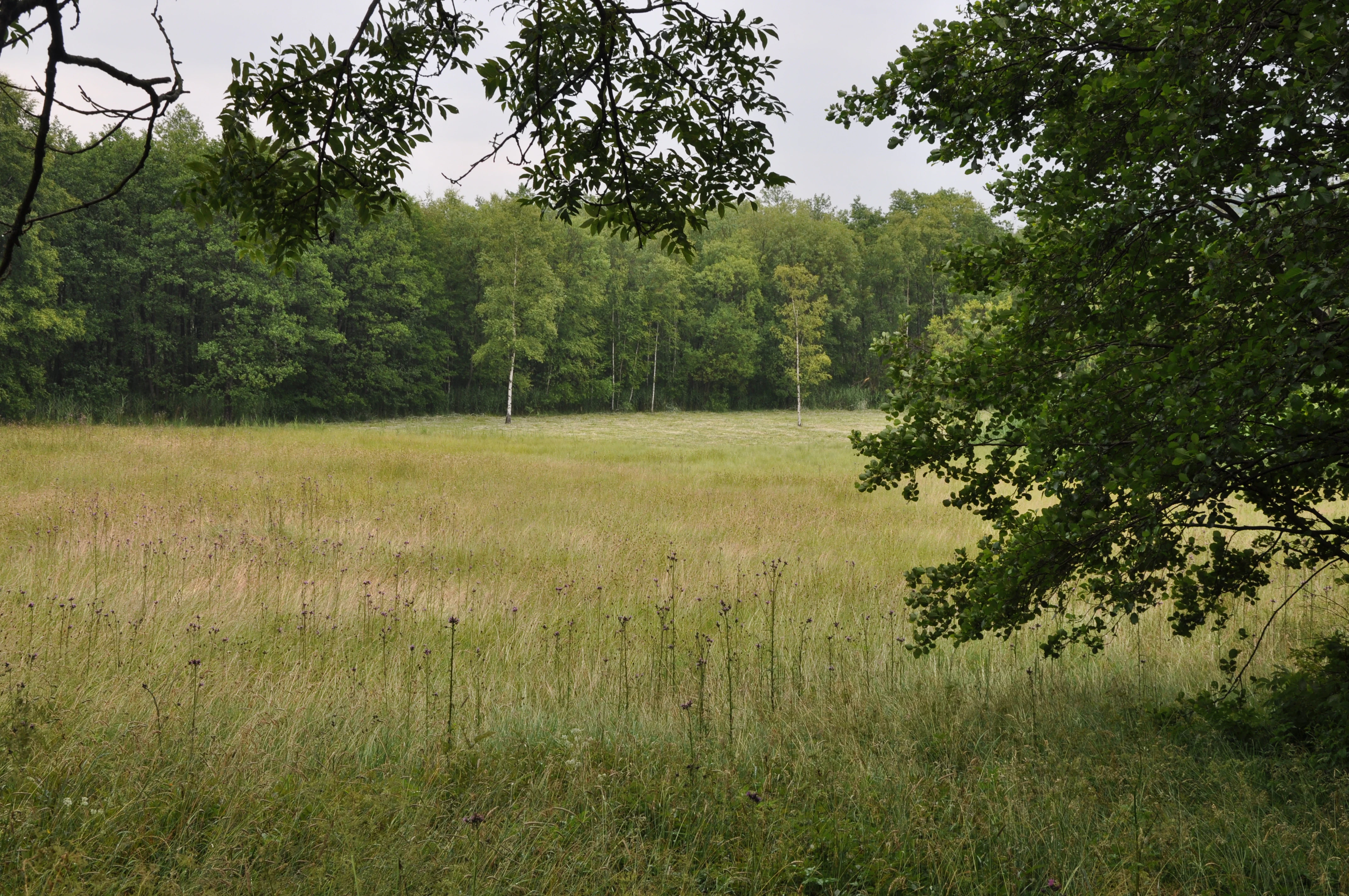
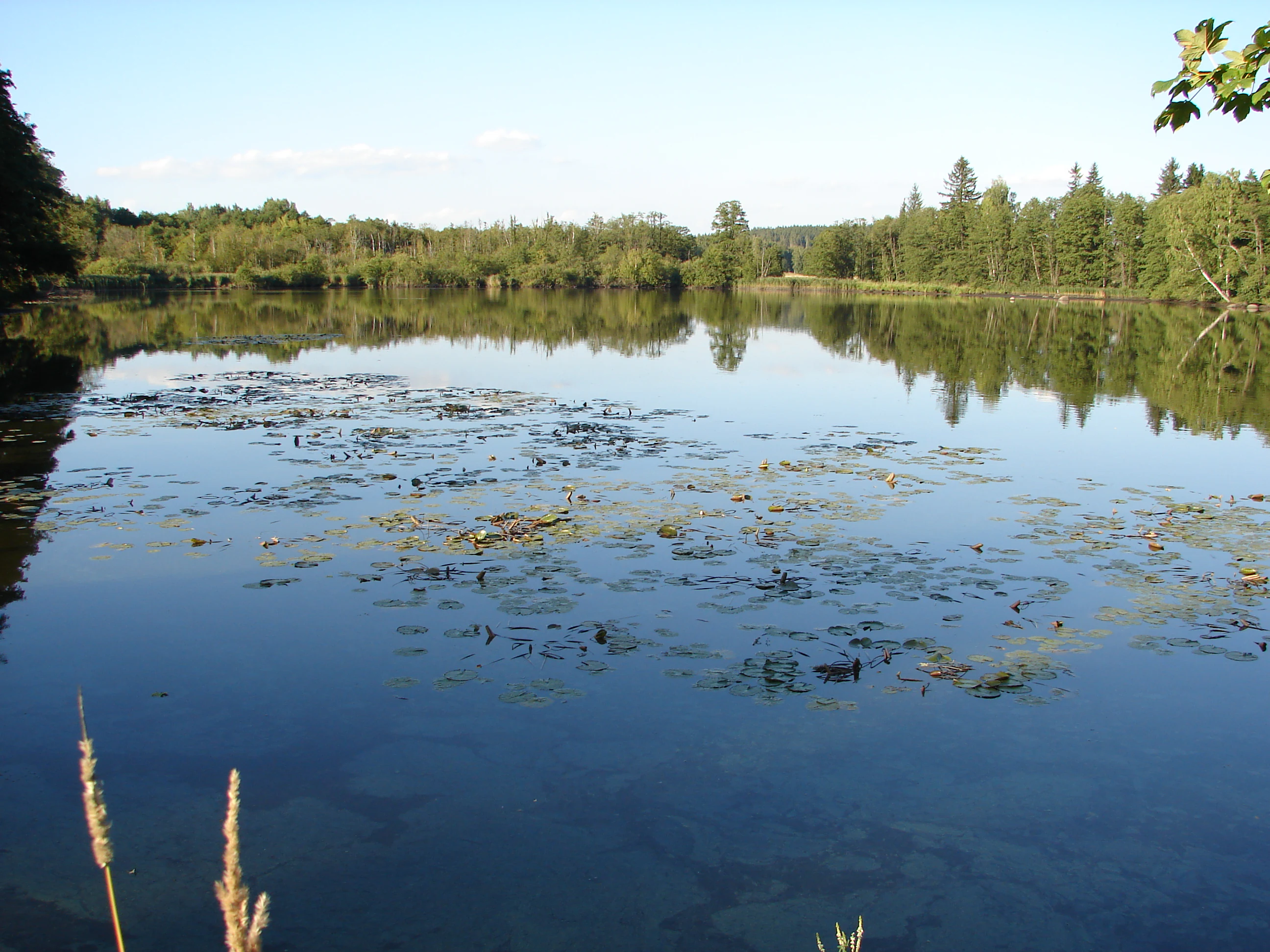
The protected area itself is a flat, waterlogged basin supporting peat accumulation under meadow-like conditions, a relatively unusual configuration compared with the classic raised bog or transitional mire profiles found elsewhere. Around the reserve, the surrounding landscape includes coniferous and mixed woodland typical of the highlands, with the Bělohradský rybník pond nearby providing additional surface water context in views of the area. The combination of gentle upland relief and localized wetland basins gives the region its distinct mixture of open peatland fragments interspersed within an otherwise forested highland matrix.
Rašeliniště Kaliště ecosystems, habitats, and plant life
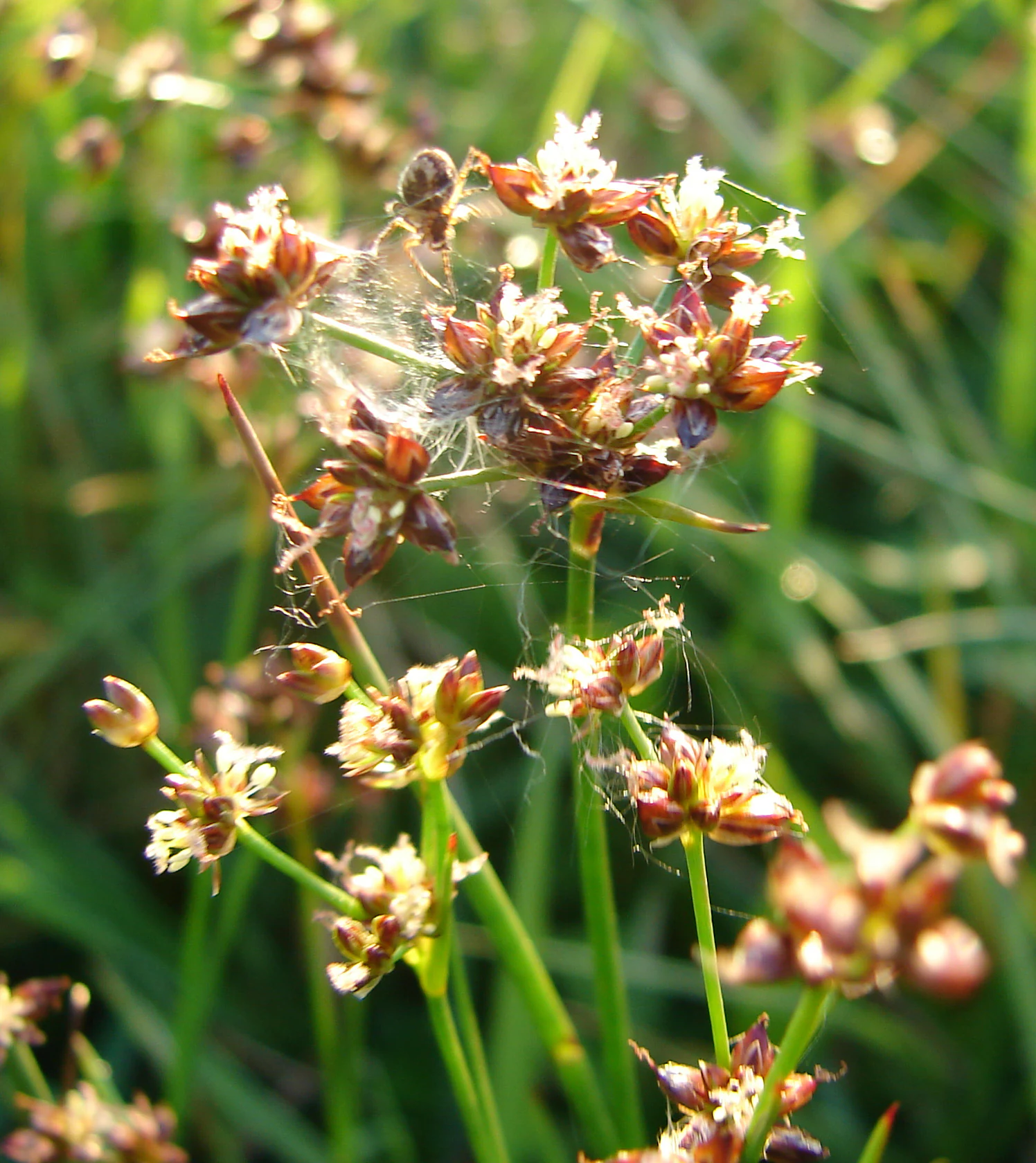
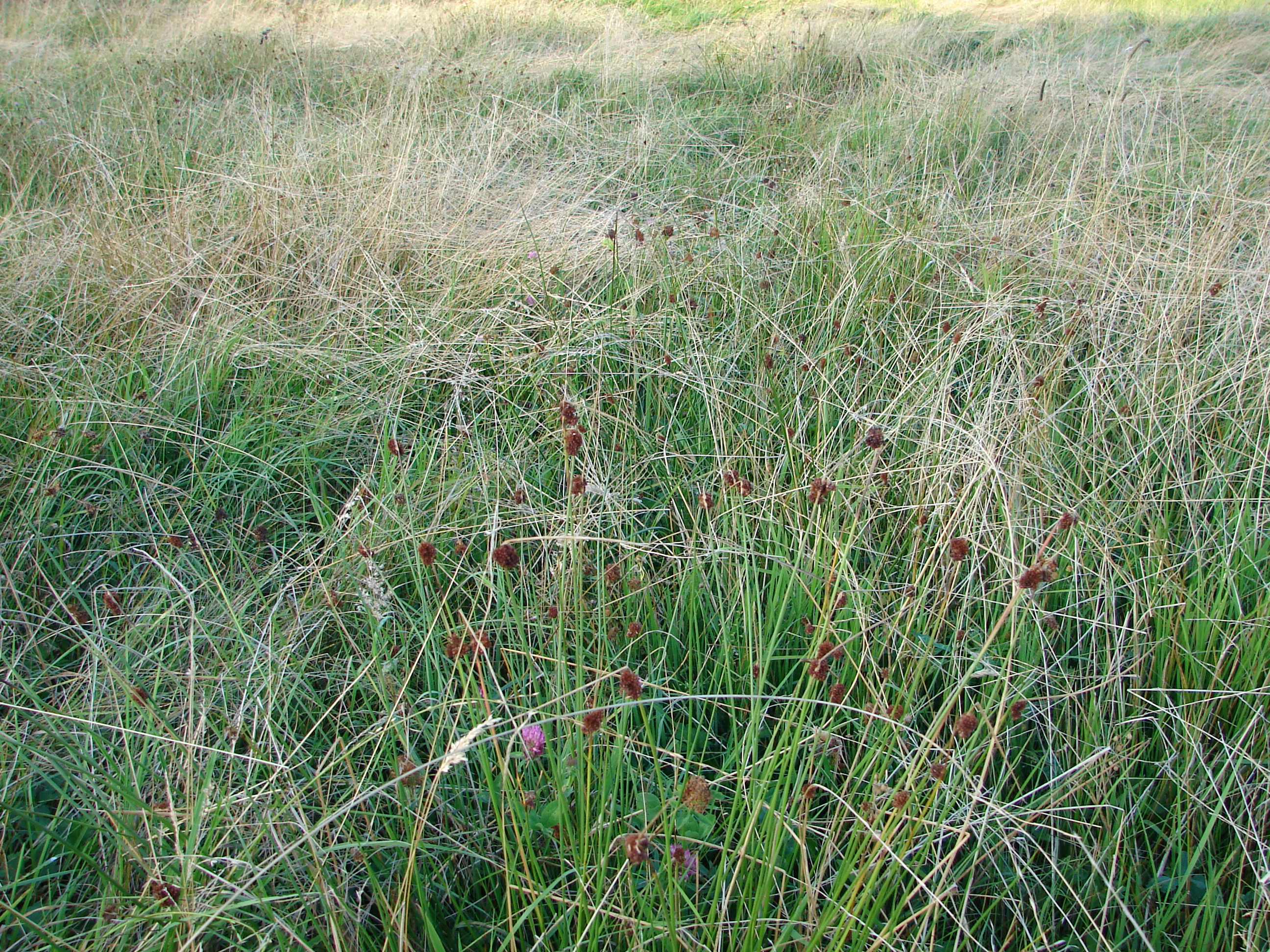
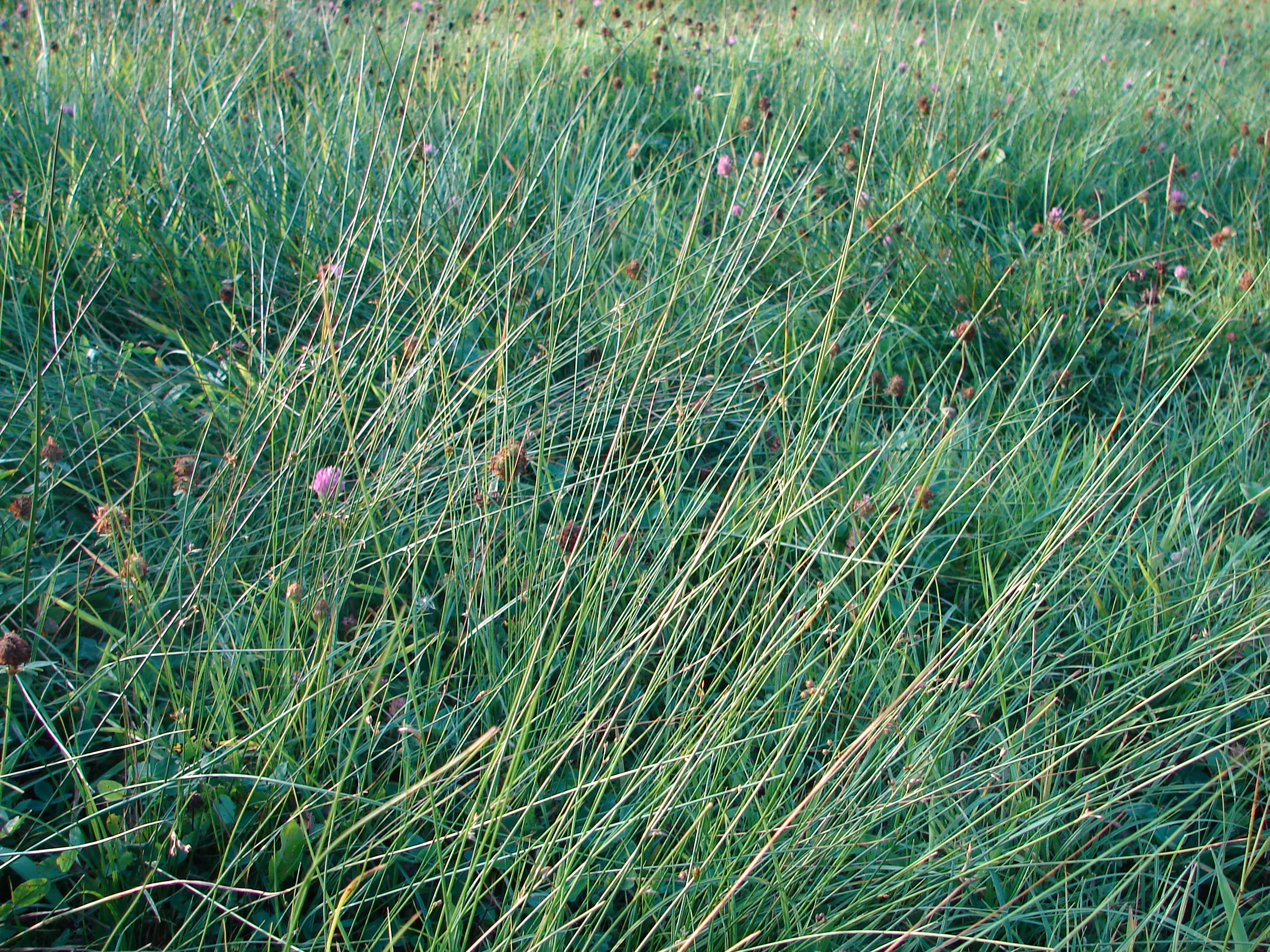
Rašeliniště Kaliště protects a meadow-type peat bog, a wetland habitat in which saturated, nutrient-poor soils support specialized plant communities distinct from those of surrounding uplands. The bog environment sustains slow peat accumulation through the activity of water-loving vegetation, creating stable but ecologically fragile conditions that favor particular bryophyte, herbaceous, and sedge-dominated assemblages.
The reserve functions as a refuge for bryophyte diversity on the Czech-Moravian Highlands. A total of 47 bryophyte species have been recorded at the site, and 17 of these are listed on the Czech national red list. The list spans multiple threat categories, including critically endangered, endangered, vulnerable, and near-threatened species, reflecting how the bog concentrates nationally scarce mosses within a very limited area.
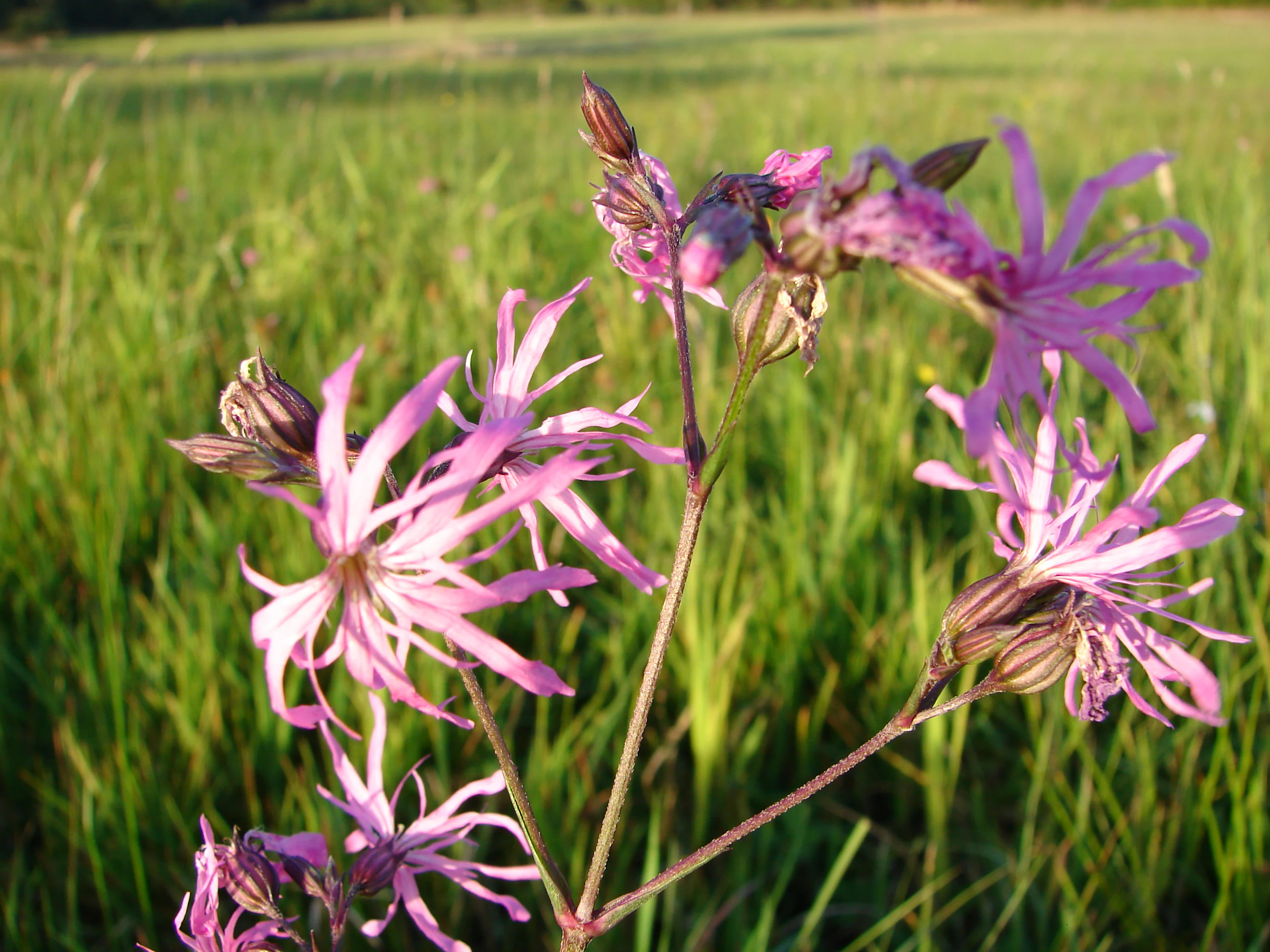
The vascular flora of the reserve includes species associated with wet meadow and peatland habitats, with the meadow clary (Kohoutek luční) noted as a representative flowering plant on the site. Together, the bryophyte, vascular plant, and hydrological conditions create a habitat mosaic characteristic of upland peat bogs in central Europe, though compressed into a much smaller area.
Rašeliniště Kaliště wildlife and species highlights
The available source material for Rašeliniště Kaliště is focused primarily on the reserve's botanical and bryological features rather than on its fauna. While peat bog habitats of this kind generally provide habitat for specialized invertebrates, amphibians, and wetland-associated bird species in the broader Czech-Moravian Highlands, the provided source does not provide specific, verifiable wildlife records for this exact reserve. Because of this, a distinct wildlife section supported by the source material cannot be responsibly produced.
Any wider interpretation of the site's likely fauna based on general peat bog ecology would not meet the requirement to remain grounded in the supplied sources. Accordingly, this field is left null rather than filled with unsupported information.
Rašeliniště Kaliště conservation status and protection priorities
Rašeliniště Kaliště has been protected as a nature reserve since 1982, reflecting both the ecological value of the meadow-type peat bog and concern for the conservation of its rare flora. The reserve is part of the Czech system of specially protected areas, with national oversight provided by the Agency for Nature Conservation and Landscape Protection of the Czech Republic (AOPK ČR) and regional administration by the Vysočina Region.
Conservation significance lies in two closely linked dimensions: habitat preservation and species preservation. The peat bog itself is a rare and vulnerable habitat type in the uplands of the Czech Republic, sensitive to hydrological disturbance, nutrient inputs, and changes in land use. Its protection helps maintain an example of meadow-type peatland that would otherwise be difficult to sustain in the regional landscape.
Equally important is the site's role in preserving bryophyte diversity. With 47 recorded bryophyte species, 17 of which are red-listed, the reserve concentrates a high proportion of unusual and threatened mosses within a very small area, including small populations of species such as Meesia triquetra, Paludella squarrosa, Hamatocaulis vernicosus, and Calliergon giganteum. These populations are individually small and geographically isolated, making the site's continued protection essential for their long-term survival in the Czech-Moravian Highlands.
Rašeliniště Kaliště cultural meaning and human context
The reserve is situated near the village of Jihlávka in the Jihlava District, an area deeply rooted in the rural and forestry traditions of the Czech-Moravian Highlands. While the source material does not document specific indigenous, folk, or community-based cultural associations tied directly to this bog, the broader region is shaped by centuries of upland farming, pond management, and forest use. The nearby Bělohradský rybník, a small fishpond visible from the reserve, is a typical element of this highland cultural landscape, where pond systems have long been integrated into the rural economy and local identity.
Because the source does not provide specific cultural narratives connected to the bog itself, a more detailed cultural commentary would risk unsupported speculation. The reserve is therefore best situated within a broader regional cultural context of upland land use rather than treated as a site with its own distinct cultural narrative.
Top sights and standout views in Rašeliniště Kaliště
Rašeliniště Kaliště is a small but ecologically dense reserve that fits several priorities of the Czech protected-area system. Its strongest highlight is the meadow-type peat bog habitat, which remains rare in the Czech-Moravian Highlands and supports an unusually high concentration of rare bryophytes. Of the 47 moss species recorded on the site, 17 are listed on the Czech red list, placing the reserve among the most important peatland bryological localities in the region.
Other notable qualities include the presence of small surviving populations of nationally rare bog mosses, the reserve's role as a model site for peatland habitat preservation, and its position within the broader upland landscape of the Vysočina Region near the Bělohradský rybník pond. Despite covering only about 12 hectares, the reserve provides an outsized contribution to regional bryophyte conservation.
Best time to visit Rašeliniště Kaliště
Rašeliniště Kaliště lies in an upland region where seasonal conditions significantly shape the appearance of wetland habitats. Late spring and early summer are typically the period when flowering plants such as the meadow clary (Kohoutek luční) are visible and when the wetland vegetation is at its most active, as referenced by the June photograph associated with the reserve. Summer also brings out the lush green character of the bog and its surrounding meadows, making this a particularly photogenic time to view the site.
In cooler months, the open character of the peatland and the surrounding forest mosaic still allows the reserve to be appreciated, though flowering and overall botanical visibility are reduced. Because the reserve is a sensitive wetland habitat, any visit should remain on established approaches and avoid disturbing the bog surface. Visitors generally come to observe the habitat and its botanical interest rather than for recreational facilities.