Why Brenne Massé-Foucault Regional Nature Reserve stands out
The reserve is best known for its dense network of freshwater ponds and the rich wetland biodiversity that depends on them. Among its nineteen pools, the Massé pond hosts one of the most important heron colonies in the Brenne, where multiple bird species gather for nesting and migration. The Foucault and Bénismes ponds play a critical wintering role, attracting large concentrations of teal and lapwings as well as numerous other waterbirds. Beyond the ponds themselves, the reserve's combination of wet meadows, heathlands, broomlands, woodland edges and the distinctive small mounds, called "buttons" in the local geological vocabulary, gives the site a complex habitat mosaic. This patchwork of open and semi-open environments underlies the botanical richness of the area, including protected regional flora such as marsh gentian and Portuguese butterwort, and reinforces Brenne's broader reputation as one of France's premier inland wetland landscapes.
Brenne Massé-Foucault Regional Nature Reserve history and protected-area timeline
The reserve is the result of a sustained regional strategy to secure and restore some of the most ecologically valuable pond complexes of the Grande Brenne, beginning well before its formal designation. From 2010 onwards, the Centre region invested a total of 564,146 euros in a step-by-step programme of land acquisition, planning and habitat restoration. The first major step was the purchase of the Thomas pond in October 2010, followed by the acquisition of the Massé pond in October 2011 and additional parcels near Massé in March 2014. Between these acquisitions, a management plan was developed in late 2011 and 2012, the Thomas pond was refurbished in November 2013, and the ponds were restocked with fish in February 2014.
This preparatory phase laid the groundwork for the official creation of the Réserve naturelle régionale des terres et étangs de Brenne, Massé, Foucault on 17 October 2014. Since then, the site has been co-managed by the Conservatoire d'espaces naturels Centre-Val de Loire and the Parc naturel régional de la Brenne, with private operators and local farmers continuing to play an active role in land use and stewardship.
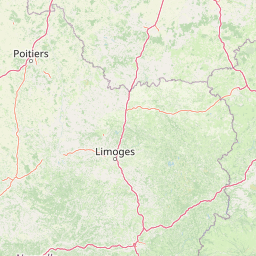
Brenne Massé-Foucault Regional Nature Reserve landscape and geographic character
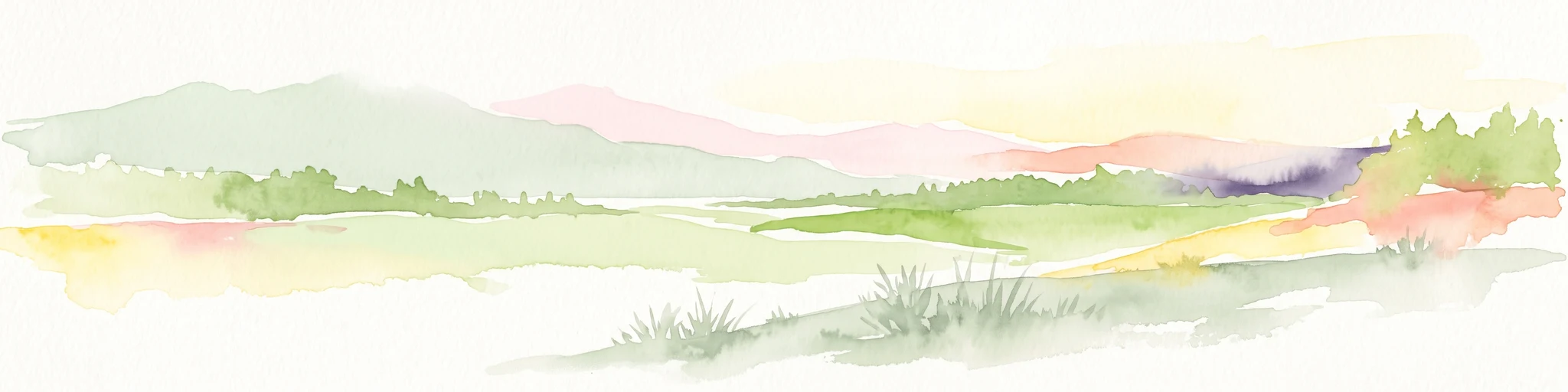
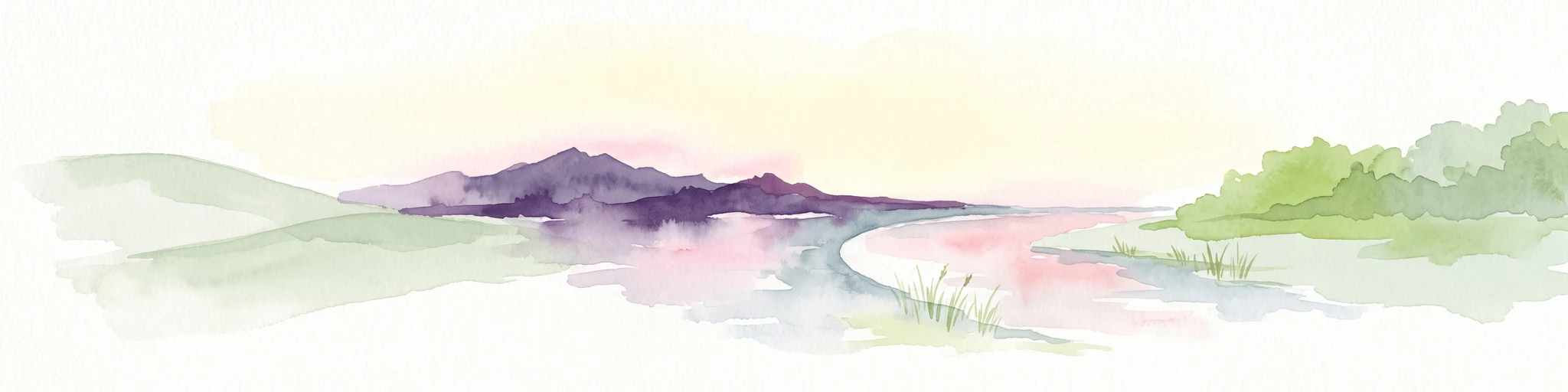
The landscape of the reserve is a low-lying wetland mosaic typical of the Grande Brenne, gently rolling between roughly 96 and 110 metres in altitude. Its defining feature is a network of nineteen freshwater ponds, including Pifaudière, Thomas, Massé, Jacquet, Prairies, Bénismes, Barineau and Foucault, which give the protected area its character and visual rhythm. The pools are interspersed with wet meadows, heathlands, broomlands, woodland patches and small elevated mounds, giving the terrain a finely textured appearance that alternates between open water, open ground and bushy cover.
Geologically, the site owes much of its texture to five characteristic mounds, known as buttons, that rise slightly above the surrounding wetland. These small elevations add vertical variation, support drier heath and broom communities, and frame the open ponds from several viewpoints. The result is a layered scenery of reflective water surfaces, soft boggy margins, grassy hollows and tree-lined edges, with the nearby commune of Rosnay and the regional countryside forming the wider backdrop.
Brenne Massé-Foucault Regional Nature Reserve ecosystems, habitats, and plant life
The reserve belongs to the broader family of Brenne wetland ecosystems, where freshwater ponds form the core habitat and are surrounded by a dense network of complementary environments. Twenty-five habitat types characteristic of the Grande Brenne have been recorded on the site, including pondweed beds (herbier à potamots), amphibious sedge swards (gazon amphibie à souchets), wet heathlands and moist meadows. These habitats together create the transitional conditions between open water, wet soil and drier land that underpin Brenne's biodiversity.
Botanically, the reserve hosts around 412 plant species, including regionally protected taxa such as false nymphaea, Bohemian sedge, water mudwort, marsh gentian and Portuguese butterwort, alongside a number of species of local interest. The combination of shallow ponds, fluctuating margins and the dry button mounds supports both aquatic and terrestrial flora, while the continuity of traditional management practices, including grazing and controlled fish farming, has helped maintain a diverse and dynamic plant community.
Brenne Massé-Foucault Regional Nature Reserve wildlife and species highlights
Wildlife is one of the reserve's strongest attractions. Surveys have recorded 827 species, including 583 invertebrates, 8 amphibians, 11 reptiles and 31 mammals, illustrating the site's broad faunal richness. The invertebrates include diverse dragonfly and other aquatic groups that respond directly to the condition of the pond network, while amphibians and reptiles find a wide range of wetland and dry refuge habitats among the buttons, heathlands and meadows.
Birds are the most emblematic group. A total of 160 bird species have been observed, of which 87 are known to breed locally. Notable breeding species include red-crested pochard, black-necked grebe, black-winged stilt, little ringed plover and golden oriole. The Massé pond hosts one of the most important heron colonies of the Brenne, providing nesting and migratory habitat for multiple species, while the Foucault and Bénismes ponds play a key wintering role, regularly attracting several hundred birds, including large gatherings of Eurasian teal and northern lapwings alongside other waterfowl.
Brenne Massé-Foucault Regional Nature Reserve conservation status and protection priorities
The reserve's principal conservation value lies in the protection of a representative slice of Brenne's pond-and-heathland mosaic, including nineteen interconnected pools, wet meadows, heathlands and five ecologically important button mounds. By bringing these habitats under a single management framework, the protected area safeguards key breeding, feeding and resting conditions for many wetland species of regional and national concern.
At a broader scale, the reserve strengthens Brenne's standing as one of France's most important inland wetland complexes for waterbirds. The Massé heronry and the winter gatherings on the Foucault and Bénismes ponds contribute directly to the conservation of species such as black-necked grebe, black-winged stilt and various duck and wader species. The co-management arrangement between the Conservatoire d'espaces naturels Centre-Val de Loire and the Parc naturel régional de la Brenne, supported by long-term partnerships with local farmers and pond managers, is itself a conservation model, showing how traditional land uses can be maintained alongside active habitat protection.
Brenne Massé-Foucault Regional Nature Reserve cultural meaning and human context
The reserve is deeply intertwined with the rural and pond-culture heritage of the Brenne. Its landscape has been shaped over centuries by fish farming in the étangs, by grazing of surrounding meadows and by the daily management practices of local farming families. Today, two private operators at "Bois retrait" continue to manage parts of the site, while six partner livestock farmers and local pisciculturists maintain traditional activities that sustain both biodiversity and local livelihoods.
The reserve is also embedded in a wider institutional fabric of regional conservation. The Parc naturel régional de la Brenne, the Conservatoire d'espaces naturels Centre-Val de Loire, the commune of Rosnay and the Centre-Val de Loire Region all participate in its stewardship, while a 36-member consultative committee ensures that local stakeholders have a voice in guiding the future of this culturally and ecologically distinctive place.
Top sights and standout views in Brenne Massé-Foucault Regional Nature Reserve
Nineteen interconnected ponds forming one of the densest freshwater networks in the Brenne, with the Massé and Foucault ponds at its symbolic core.
A major Brenne heronry on the Massé pond, alongside important winter gatherings of teal and lapwings on the Foucault and Bénismes ponds.
A habitat mosaic combining ponds, wet meadows, heathlands, broomlands, woodland patches and five characteristic button mounds.
A botanically rich site hosting around 412 plant species, including regional rarities such as marsh gentian and Portuguese butterwort.
A co-managed protected area that combines active conservation with continuing traditional grazing and pond fisheries.
Best time to visit Brenne Massé-Foucault Regional Nature Reserve
Because the reserve is centred on pond and meadow habitats, its character shifts visibly with the seasons. Late spring and early summer are typically the richest periods for flowering plants and breeding birds, when wetland edges, heathlands and button mounds bloom and many of the 87 breeding bird species are most active around the ponds. Wildlife observers often prize this period for the combination of displaying waterbirds and active dragonflies.
Autumn brings migration through the Brenne, when the ponds and surrounding areas attract passing waterbirds, while winter transforms the Foucault and Bénismes ponds in particular, with large flocks of teal, lapwings and other waterfowl gathering on the open water. Cooler months also make wetland edges, reedbeds and button heathlands easier to observe. Each season offers a different perspective on the reserve's interconnected ponds and the biodiversity they sustain.