
Trip Timing Basics
Best Time to Visit Retezat National Park: The Essential Timing Overview
Navigating the High-Altitude Windows of Retezat National Park
The best time to visit Retezat National Park depends heavily on your goal for reaching its rugged, alpine interior. If your priority is accessing the high-altitude trails, glacial lakes, and the sharp peaks that define this protected landscape, the window between July and August offers the most stable conditions. During these two months, temperatures at moderate elevations become reliably mild, and the risk of encountering lingering snow or severe, freezing mountain storms is significantly lower than at any other point in the year. While these summer months represent the peak of accessibility, the park is a demanding environment where weather patterns can shift within hours, regardless of the calendar.
Balancing Accessibility and Alpine Conditions
Visitors planning trips outside of mid-summer must understand that the park's topography creates extreme environmental gradients. Because the terrain is defined by dramatic peaks exceeding 2,300 meters, elevation remains the primary driver of your experience. Even when conditions in nearby valleys feel pleasant in late spring or early autumn, the higher ridges often remain locked in sub-zero temperatures or subject to rapid atmospheric changes.
Rather than seeking a single ideal month, effective trip planning requires you to weigh your appetite for risk against your preferred activity. The trade-offs are consistent and stark:
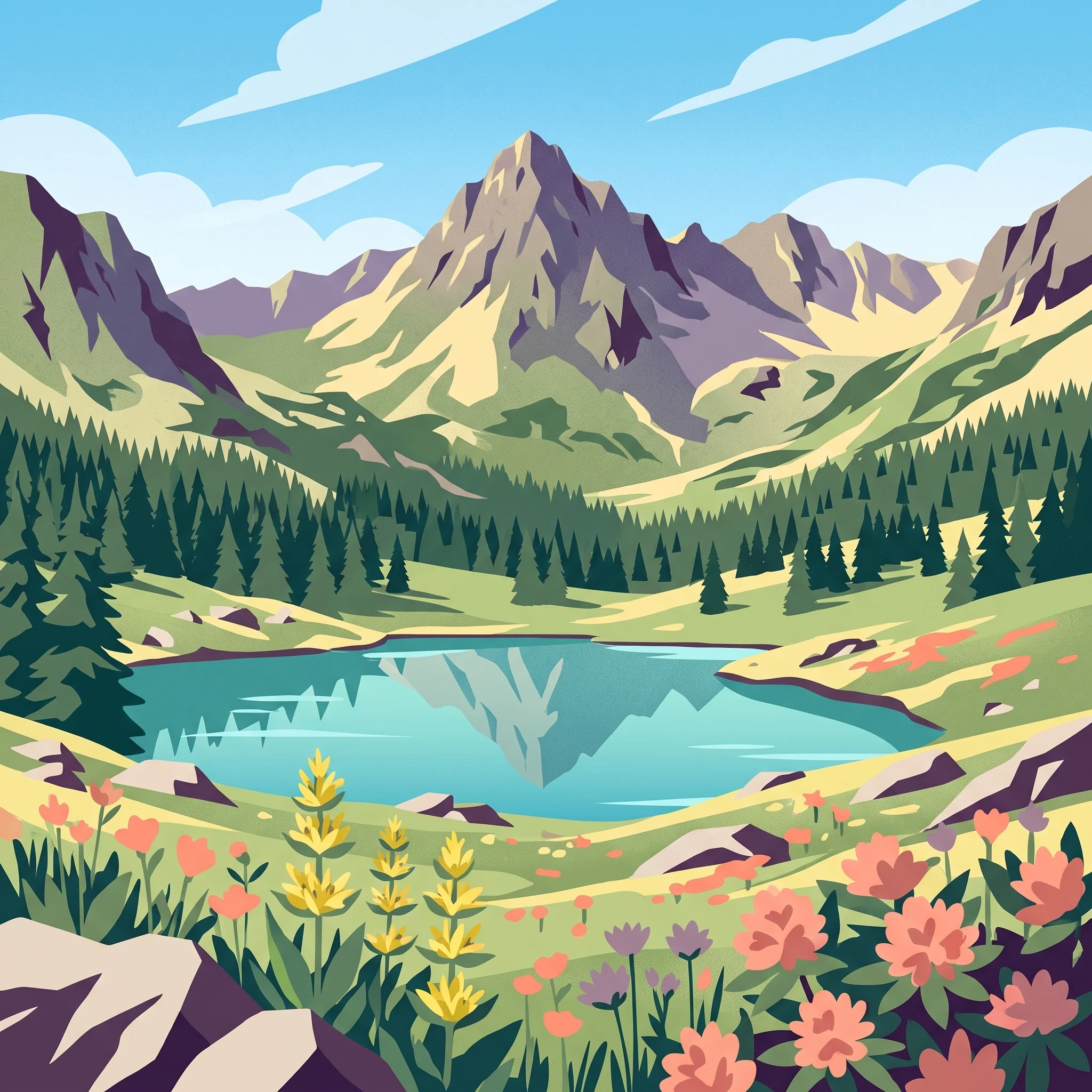
- Summer (July and August): Offers the longest daylight hours and the warmest temperatures, providing the greatest margin of safety for reaching high-altitude areas like the trail to Bucura Lake. This is when the park's biodiversity is most visible, with subalpine meadows displaying significant wildflower growth.
- Shoulder Seasons (Late spring and early autumn): These periods offer a quieter experience, but they are defined by a high probability of unpredictable mountain weather. Hikers during these times often face the reality of cold nights and the necessity for specialized gear to handle sudden, wet, or freezing conditions that persist long after the valley floors have warmed.
- Winter and Early Spring: Access to the core alpine regions becomes restricted for most travellers. Low temperatures and snow cover transform the landscape into a challenging environment that requires significant mountaineering experience and specific safety preparation.
Ultimately, the timing of your visit should be governed by your comfort with mountain navigation and your specific goals. If you aim to traverse the core mountain range, prioritizing the peak of summer is essential. If you prefer to experience the park's old-growth forests and lower-elevation trails, your scheduling flexibility increases, though you must remain prepared for the humidity and rapid shifts in precipitation characteristic of the Southern Carpathians.
Visitor Timeline
Best Months to Visit Retezat National Park: Seasonal Window Comparison
Peak Alpine Access: July and August
The most reliable window for high-altitude trekking occurs during July and August. These months provide the longest daylight hours of the year, averaging between 13.8 and 15 hours, which is essential for navigating the rugged terrain across the park's sixty-plus peaks. Statistically, this period offers the most stable thermal profile, with mean temperatures peaking around 18 degrees Celsius. For hikers targeting the ascent to Peleaga or the glacial lakes like Bucura, these months present the lowest probability of encountering lingering snow or rapid, sub-zero temperature drops that define the park's shoulder seasons. The primary trade-off is the intensity of the sun at high elevation and the potential for afternoon mountain thunderstorms, which are common in alpine environments despite the otherwise stable conditions.
Transition Windows: June and September
June and September serve as the park's primary transitional periods, attracting visitors who prefer to avoid the mid-summer peak while accepting a higher degree of environmental uncertainty. In June, the landscape is transitioning from spring thaw, and higher elevations may still retain snow patches, particularly on north-facing slopes and in shadowed cirques. Hikers should expect wetter trail conditions and more variable daytime temperatures as the alpine flora blooms. September often provides clearer skies and lower humidity compared to summer, but daylight begins to shorten significantly by the end of the month. These months are often preferred by those seeking solitude, though visitors must be prepared for the rapid shifts in weather that can turn a mild day into a freezing event with little warning due to the park's high mean altitude.
The Off-Season: October through May
Visiting between October and May is generally suited only for experienced mountaineers with high-altitude winter travel skills. While the valley areas may remain accessible in early autumn or late spring, the high-altitude zones are frequently subject to harsh, winter-like conditions. November marks the onset of significantly reduced daylight, dropping below 10 hours, and average temperatures at base elevations often fall toward or below freezing. The winter months, from December through March, are characterized by persistent snow cover, extreme wind exposure, and high humidity, which can make even moderate trails technically demanding. Travelers should consider these months as an off-season for standard recreation, as the infrastructure is not designed for mass tourism, and the environmental risks associated with cold-weather mountain traversal are substantial.
Annual Climate Overview
Monthly Weather and Climate Trends in Retezat National Park
Understanding the climate of the Retezat Mountains requires acknowledging that these long-term climate normals represent the conditions at an elevation of approximately 966 meters. While these figures provide a consistent annual baseline, actual conditions across the park, especially at higher altitudes where peaks exceed 2,300 meters, are often significantly colder and more volatile than these averages suggest. These data points are not a substitute for local, real-time mountain forecasts that every traveller must consult prior to departure.
The Shift from Winter to Summer Thermal Profiles
The annual cycle in this region is defined by a dramatic oscillation in temperatures. Winter months, specifically December through February, see mean temperatures hovering just below or above the freezing point, while average daily minimums often drop below minus 14 degrees Celsius. This is the period when cold stress is a primary consideration for any visitor. As spring advances into April and May, the mean temperatures experience a swift upward trajectory, moving from near freezing to double digits by May. This period serves as the primary transition phase where the high-altitude snowpack begins to retreat, though the cold minimums in April, which still average well below zero, demonstrate that the transition is neither linear nor immediate.
The Warmest Visiting Window
June, July, and August constitute the peak thermal window, characterized by mean temperatures that rise consistently through the season, reaching their highest point in August. During this period, the average maximum temperatures approach 30 degrees Celsius at the sample elevation. These months offer the most hospitable environment for movement across the park, as the combination of warmer air and significant daylight duration, peaking at over 15 hours in June and July, maximizes the window for safe navigation. Humidity levels also reach their annual nadir during this time, particularly in August, which typically feels more comfortable for strenuous activity compared to the wetter conditions of early summer.
Precipitation Patterns and Daylight Availability
Rainfall is not distributed evenly across the year in the Retezat. The park experiences a marked increase in precipitation during the early summer months, with June recording the highest average daily rainfall. This aligns with a period when the landscape remains saturated from snowmelt, creating potentially muddy or difficult trail conditions. By contrast, late summer into early autumn sees a stabilization in moisture, with August and September providing drier windows.
Daylight duration remains a critical, non-negotiable factor for alpine travel. The contrast between the winter solstice in December, offering fewer than 9 hours of daylight, and the summer solstice in June, with over 15 hours, dictates the safe operational limit for hikers. Even within the prime hiking months, the daylight available in late August is reduced by over an hour compared to the peak in June, a shift that must be factored into day-hike planning to ensure return before dusk.
Humidity and Wind Considerations
The annual humidity trend generally mirrors the seasonal temperature shift, with the highest relative humidity occurring in the coldest months. Values reaching over 90 percent in January and December contribute to the perceived chill factor, which can make air temperatures feel harsher than the numerical value suggests. Wind speeds remain relatively moderate on an annual basis, though readers should anticipate that the exposed ridges and peaks of the Retezat will experience wind speeds and gusts far exceeding the average values recorded at lower, sheltered sampling elevations. These meteorological variables are not static; they change rapidly with altitude and local topography, requiring visitors to remain prepared for atmospheric shifts at any time of year.
Seasonal Dynamics
Seasonal Patterns and Weather Transitions in Retezat National Park
The Rhythm of the Alpine Year
The climate of Retezat National Park does not conform to a standard four-season calendar. Instead, the park operates on a binary rhythm, characterized by a prolonged, harsh alpine winter that dominates much of the year, interrupted by a brief, volatile transition into a compact summer. Visitors who attempt to classify the park into four distinct seasons often find themselves surprised by the reality of lingering snowpacks and the rapid, unpredictable temperature shifts that define the shoulder months.
The Prolonged Winter Phase: November through May
The winter phase is the most enduring period in the park, beginning with the onset of freezing temperatures in November and often extending well into late May. During this time, the landscape is defined by its resilience to severe cold and snow cover, particularly at elevations above 2,000 meters. While lower-altitude areas may experience intermittent thaws, the high-altitude cirques and ridgelines remain frozen for much of this period. Humidity levels are consistently high, and the short daylight hours,reaching their minimum in December,limit safe movement within the park. This period is not merely a break between seasons but a dominant environmental reality that shapes the ecological character of the Gemenele scientific reserve and the surrounding peaks.
The Short Summer Window: July and August
Summer in the Retezat is defined by its brevity and intensity. July and August serve as the only reliable window when mean temperatures consistently allow for safe, high-altitude exploration. Unlike the lingering winter, these months offer the park’s maximum daylight and the most stable atmospheric conditions. The humidity drops compared to the wetter months of spring, and the dramatic alpine meadows flourish. This phase provides the essential window for accessing the park’s iconic glacial lakes, such as Bucura, and the primary peaks like Peleaga. However, even within this period, visitors should not mistake the warmth for a guarantee of steady conditions. Afternoon thunderstorms are a recurring feature of the mountain climate, emphasizing the importance of monitoring local conditions rather than relying on regional averages.
The Volatile Transition Months: June and September
Transition periods in the park are marked by instability rather than a steady march toward seasonal norms. June represents the thaw, where melting snowbanks complicate trail conditions and create saturated terrain, even as ambient temperatures suggest the arrival of summer. It is a time of rapid biological awakening, but for the hiker, it remains a period of significant uncertainty where trails may still be blocked by lingering ice.
September acts as the mirror of June, acting as the bridge from the warmth of August back toward the inevitable return of winter. While the air remains crisp and the skies are often clear, the days grow noticeably shorter. The threat of early, sudden snowfall becomes a genuine risk for anyone on the higher ridges. These two months are fundamentally distinct from the stable summer peak and the deep winter; they are windows that demand higher levels of preparation and a willingness to alter plans based on the immediate state of the trails.
Seasonal Experiences
Experiencing the Alpine Landscape of Retezat National Park Throughout the Year
Navigating the Alpine Transitions
The experience of visiting Retezat National Park is fundamentally shaped by the dramatic shift in accessibility as you move from the forested valleys into the high-altitude zone. During the stable summer months, specifically July and August, the reduction in daily precipitation and the peak of the thermal window allow for extended movement across the high-alpine ridges. This is the period when the trails leading toward landmark features like Bucura Lake become most navigable, as the lower risks of sudden weather shifts provide a wider window for longer treks. While the valleys remain lush, the alpine environment above 2,000 meters dictates the rhythm of travel, with the daylight hours and consistent temperature ranges during these two months supporting safer movement for those seeking the park's characteristic mountain vistas.
Accessing Glacial Lakes and High-Altitude Routes
Activities in the park are tethered to the physical geography of the Retezat massif, where over eighty glacial lakes define the alpine character. Access to sites like Tăul Negru, Tăul Peleaga, and the various lakes in the Bucura cluster is highly seasonal. Outside of the core summer window, high-altitude routes are frequently affected by lingering snow patches or early autumn instability, which can significantly alter the time required for standard trail navigation. The distinction between early-season exploration and the mid-summer peak is primarily a matter of ground conditions and the safety buffer provided by more stable daily climate patterns. Hikers intending to reach summits such as Peleaga Peak will find that the physical environment is most predictable when daylight reaches its annual maximum in June and July, allowing for early starts and safer returns before the typical afternoon weather patterns develop.
Engaging with the Primeval Forest Reserves
The lower and middle elevations of the park offer a different experience centered on the old-growth forests, which include the strictly protected Gemenele scientific reserve. These areas provide a contrast to the rugged, exposed summits and are generally accessible for a longer portion of the year. While the high-alpine zones remain subject to winter-like conditions well into the spring, the dense canopy of the beech and coniferous forests at lower altitudes provides a degree of shelter from wind and minor precipitation fluctuations. Visitors interested in the botanical diversity of the park, including species like the yellow gentian or various alpine flora, will find that the timing of these natural cycles is highly dependent on the rapid warming phase observed between May and June. Planning a visit during this period prioritizes viewing the landscape during its peak growth, though access to the highest reaches of the trail network should remain secondary to immediate safety considerations regarding terrain condition.
Visitor Priorities
Best Time to Visit Retezat National Park for Hiking and Alpine Access
Balancing Daylight and Warmth for High Alpine Hiking
For hikers aiming to summit the peaks exceeding 2,300 meters, the priority is often the intersection of daylight duration and thermal stability. July and August offer the most consistent conditions, with daylight hours peaking at over 15 hours in July. While this provides the luxury of time for long, arduous mountain treks, it also carries the trade-off of potentially intense solar radiation on exposed ridgelines. Visitors should prioritize early morning starts during these months to avoid the rapid convective cloud development that frequently occurs by early afternoon. Because these months are also when the high-altitude terrain is most free of lingering snowpack, they remain the only window where the extensive network of glacier-carved trails is reliably accessible for a full-day itinerary without specialized winter equipment.
Prioritizing Drier Conditions and Stable Visibility
If the primary goal is to minimize the likelihood of encountering heavy precipitation while navigating rocky, exposed sections of the trails, August stands out as the most favorable period. Climate data indicates that while June and May see higher rainfall frequency, August experiences a marked decrease in precipitation compared to the early summer surge. This stabilization is critical for visibility, as low cloud cover and mist often obscure the landmarks required for navigation in the Retezat massif. The compromise for choosing this drier period is that visitors must contend with the highest average daytime temperatures, which, despite the elevation, can still lead to rapid exhaustion during steep, sustained climbs if one is not adequately prepared for heat exposure.
Seeking Cooler Temperatures for Strenuous Ascents
For those who find mid-summer heat prohibitive for high-intensity physical activity, early September provides a compelling alternative. During this month, the daytime maximums begin to moderate while the precipitation remains lower than in the early summer months of May or June. The trade-off is a significant reduction in daylight hours, which shift from roughly 15 hours in July to approximately 12 hours by the end of September. Hikers choosing this window must be significantly more disciplined with their timing to ensure they complete their route before sunset, as the mountain environment becomes dangerously cold once the sun drops behind the peaks. While September offers a respite from the peak summer heat, the risk of early-season frost or sudden weather instability at higher elevations increases compared to the central summer months.
Navigating the Trade-Offs of the Transitional Periods
Visitors who prioritize solitude or specific seasonal scenery often look to the late spring or the very start of autumn. However, these periods demand a higher degree of flexibility. Late May, for instance, offers long daylight hours and the return of verdant vegetation, but the higher elevations are often still dealing with snowmelt, making many trails muddy or hazardous. Similarly, early October can provide brilliant clear skies and cooler air, yet it is punctuated by an increased probability of sudden, high-altitude snowfall. These transitional periods should only be considered by experienced mountain travelers who are comfortable adjusting their plans based on live weather reports, as the climate averages in these months are much more prone to daily variance than the core summer season.
Access and Logistics
Seasonal Access and Practical Trip Planning for Retezat National Park
Access to Retezat National Park requires careful planning due to the rugged nature of the Southern Carpathians. While the park is technically open throughout the year, the physical ability to enter and traverse its trails varies significantly with the seasons. Travelers should view all access information as fluid, as mountain conditions, infrastructure maintenance, and local service availability can change without public notice. Always consult the official administration or local visitor centers before finalizing your itinerary to ensure that trails, transit options, and facility access align with current regulations.
Navigating to Park Gateways
The primary access point for many hikers is the Cârnic area, located near the village of Sălașu de Sus. Regional train travel typically connects to the station at Ohaba de sub Piatră. From this point, access into the park often relies on local private transport services or taxis. Because there is no centralized, year-round public transit schedule to these trailheads, it is essential to arrange transport ahead of time through local operators in nearby towns like Deva or Hunedoara. Do not assume that transit services operate on a fixed or reliable timetable, especially outside the peak summer months when visitor numbers are lower.
Seasonal Trail and Facility Accessibility
The climate data underscores a reality for all visitors: high-altitude routes are frequently restricted by snow, ice, and volatility well into late spring and early autumn. While the park remains accessible for lower-elevation exploration during the shoulder seasons, high-altitude alpine zones may effectively close to standard foot traffic due to dangerous conditions. If your visit involves traversing high-elevation passes or reaching glacier lakes like Bucura, you must verify the status of specific routes with park authorities. Trails that are straightforward in July may be treacherous or completely impassable in late May or October due to localized weather events that do not appear in general climate averages.
Administrative and Operational Verification
Certain areas, such as the Gemenele scientific reserve, maintain strictly controlled access to protect their ecological integrity. Regulations regarding entry, camping, and group permits are subject to change by the park administration. Before traveling, review the latest announcements from the Retezat National Park authority to determine if any zones are restricted for conservation or safety reasons. Any information regarding fees, permit requirements, or entry quotas must be sourced directly from the official governing bodies, as these details are not static and are not captured by seasonal climate data. Relying on outdated travel blogs or historical reports can lead to logistical failures, so prioritizing current official channels is a mandatory part of the trip-planning process.
Safety and Preparation
Weather, Safety, and Seasonal Preparation in Retezat National Park
Navigating Alpine Weather Variability
Preparation for visiting this mountain environment must focus on the reality that climate normals, while helpful for seasonal planning, do not predict specific daily conditions. Because the park features significant elevation ranges, weather at lower trailheads can differ drastically from conditions on exposed peaks. Even during the peak summer months of July and August, when average daytime temperatures are at their highest, sudden afternoon thunderstorms and temperature drops are common. Visitors should approach their planning with the expectation that mountain weather is highly dynamic and capable of shifting within a few hours, necessitating flexibility in daily itineraries.
Preparing for Rapid Thermal and Climatic Shifts
Effective preparation for the park involves accounting for the significant temperature fluctuations between day and night, as well as the rapid change in conditions as you ascend. Throughout the summer months, while the lower altitudes may feel mild, the alpine zone remains vulnerable to cold winds and moisture. Proper clothing strategies should emphasize layering, allowing for adjustments as you move between sheltered forest environments and high-exposure ridges. In the shoulder seasons of June and September, the increased probability of rain and fluctuating temperatures requires higher attention to gear, including reliable protection against wind and precipitation. Regardless of the intended month, carrying gear that can manage damp conditions is a standard requirement for navigating the park safely.
Daylight Constraints and Route Timing
Daylight duration serves as a critical parameter for route planning, particularly as the season progresses. While June and July provide the longest periods of daylight, the shortening days of late August and September directly impact how much time hikers have to complete routes safely. Relying on fixed expectations for terrain speed can be dangerous; instead, calculate travel times conservatively to ensure a return to safety before dusk. If you are planning an excursion during the shoulder seasons, acknowledge that your window for movement is narrower, and prioritize routes that offer early exit points or shorter distances. Always consult official park updates and mountain rescue alerts before heading out, as these sources provide the most current information on trail integrity, wind conditions, and localized weather hazards. Do not rely on historical data to gauge the safety of specific paths, as late-season snow or early-season trail debris can change rapidly and affect the difficulty of even well-marked routes.
Finalizing Your Visit
Selecting the Ideal Timing for Your Retezat National Park Experience
Determining the right time for your visit requires a candid assessment of your personal threshold for alpine risk versus your desire for broad terrain access. The primary trade-off in the Retezat Mountains remains fixed on the narrow window of high-altitude accessibility. If your main objective is to traverse the high ridges, summit the 2,500-meter peaks, or reach remote glacial lakes like Bucura, your planning must center on the stable thermal window of July and August. Outside these months, the reality of mountain travel shifts toward volatility, where rapid changes in weather and lingering snow pack can obstruct trails regardless of the calendar date.
Aligning Personal Priorities with Seasonal Constraints
Visitors seeking the most consistent conditions for extensive hiking will find that the August heat offers the lowest precipitation risk and the most reliable visibility. This period balances the necessity of longer daylight hours with stable ground conditions. However, those who prioritize solitude and are prepared for more demanding, cooler conditions often find the transition month of September to be a rewarding alternative. September generally provides clearer air, though it demands a more conservative approach to route planning as the days shorten and night temperatures begin to drop toward freezing.
If you are less focused on high-altitude summits and more interested in the lower forest trails or cultural immersion in the surrounding valleys, your window for visitation expands significantly. The risk of encountering hazardous weather at these lower elevations is lower, yet the core characteristics of the environment remain dictated by the same high-alpine climate drivers. Regardless of when you choose to go, you must move beyond climate averages. While historical data suggests warmer trends in mid-summer, these figures are not forecasts. Mountain conditions can deviate sharply from these normals, creating localized weather systems that render standard equipment insufficient.
Finalizing Your Decision
Your final choice should be governed by your comfort with mountain navigation and your specific activity goals. If you intend to pursue strenuous alpine routes, prioritize the peak summer months to take advantage of the maximum daylight and reduced snow risk. If your goal is lower-intensity exploration, ensure you are equipped for rapid transitions. Before finalizing your travel dates, always verify the current status of park trails, access roads, and weather warnings from official administrative sources. Relying solely on historical trends is an incomplete preparation strategy, as current operational closures or unexpected environmental shifts can supersede any seasonal pattern. By matching your experience level to the inherent volatility of this landscape, you ensure a visit that is both safer and more aligned with your own expectations.