
Why Retezat National Park stands out
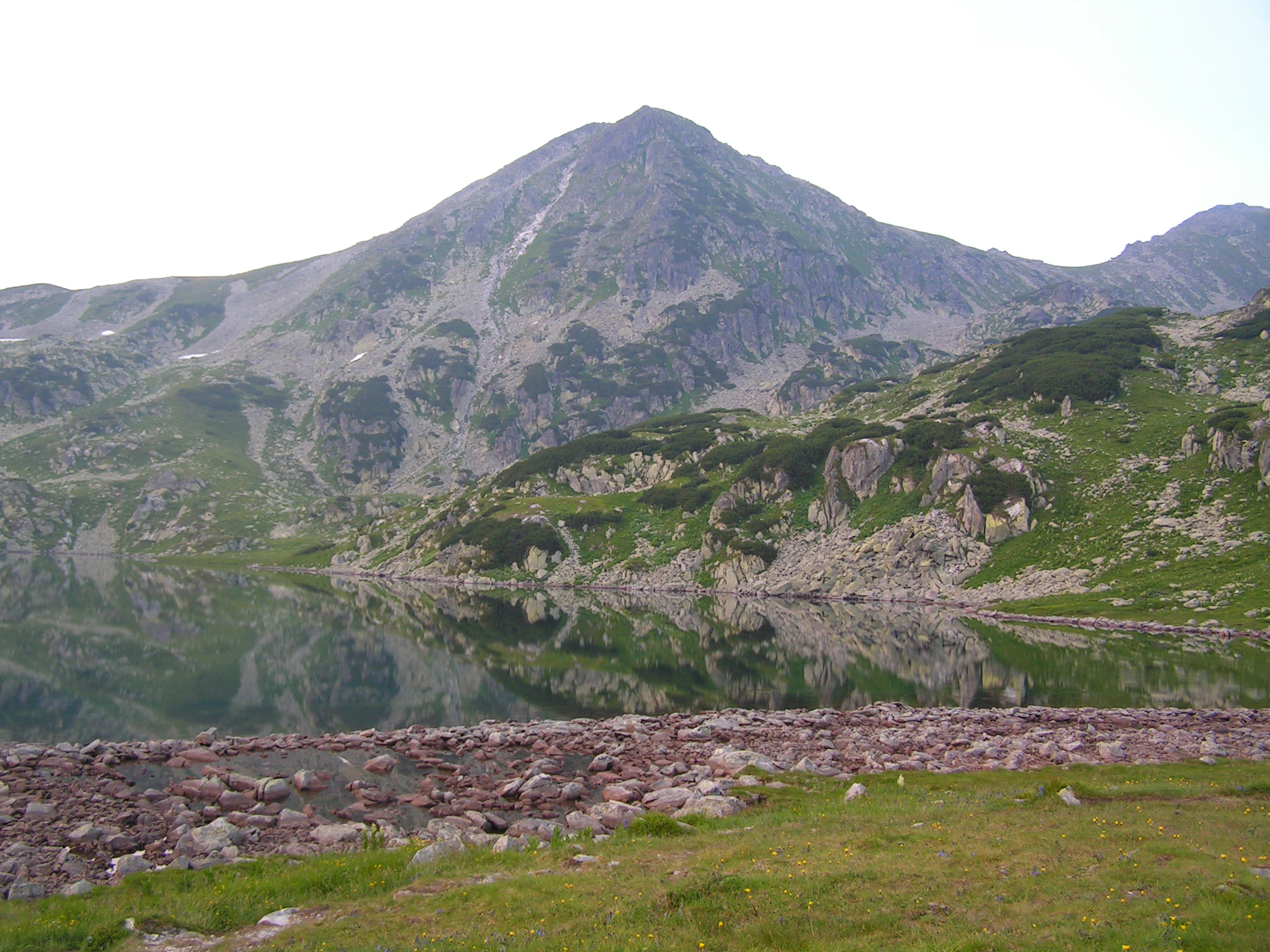
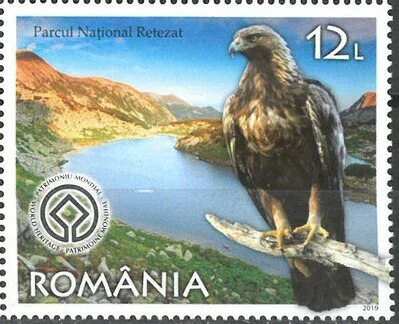
Retrizeat is best known for its exceptional old-growth forests, considered among the last intact forest landscapes in Europe. The Gemenele scientific reserve protects 1,800 hectares of pristine mixed forest, representing one of the largest continuous areas of untouched woodland on the continent. The park's biodiversity is extraordinary, with over 1,190 plant species (including 130 endangered or vulnerable species) representing more than a third of Romania's total flora. Its dramatic alpine scenery features glacial lakes, sharp peaks, and diverse habitats ranging from subalpine meadows to coniferous forests. The golden eagle, depicted on the park's logo, symbolizes its status as a crucial habitat for large raptors and other wildlife.
Retezat National Park history and protected-area timeline
The Retezat region attracted scientific attention regarding its flora as early as the 19th century. During the 1930s, prominent Romanian scientists including Alexandru Borza (founder of the Cluj-Napoca Botanical Garden) and the renowned naturalist Emil Racoviță campaigned vigorously for the establishment of nature reserves in Romania. In 1935, the Tătărescu government set aside approximately 100 square kilometers of the Retezat Mountains, creating Romania's first national park. It required four additional years for legislation to finalize the park's status, thereby establishing the framework for all subsequent protected areas in Romania. In 1979, UNESCO included the park in the Man and the Biosphere Program, and in 1993 the International Union for Conservation of Nature recognized Retezat among its demonstration projects on sustainable rural development. The park received the European Diploma of Protected Areas in 2008. Since the 1990s, the park has faced increased pressure from sheep grazing and logging. A significant legal battle ensued after 2006 when the Romanian state decided to return 10,000 hectares to heirs of the Austro-Hungarian Kendeffy family; this restitution was deemed illegal by a 2022 court decision, restoring the land to state ownership.
Retezat National Park landscape and geographic character
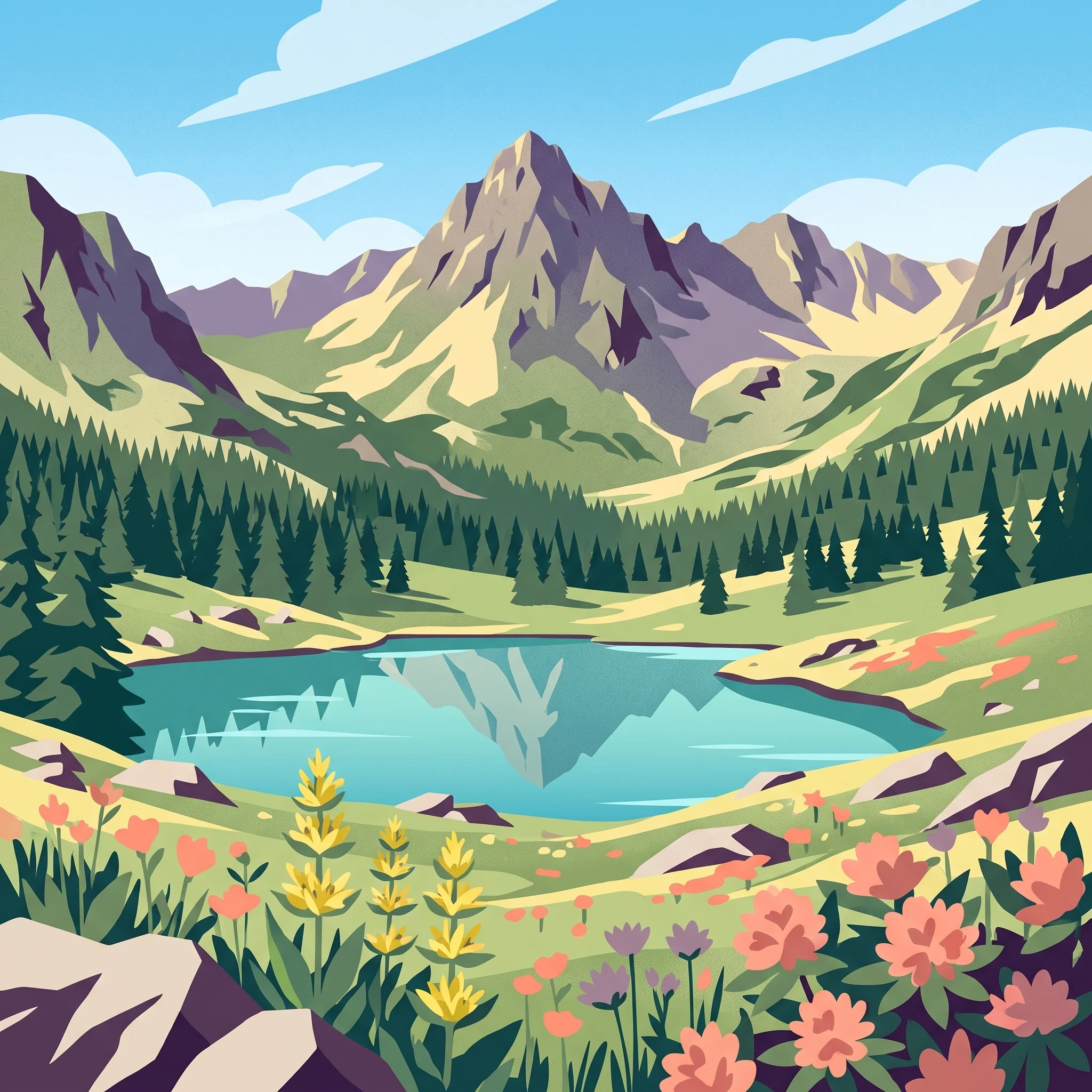
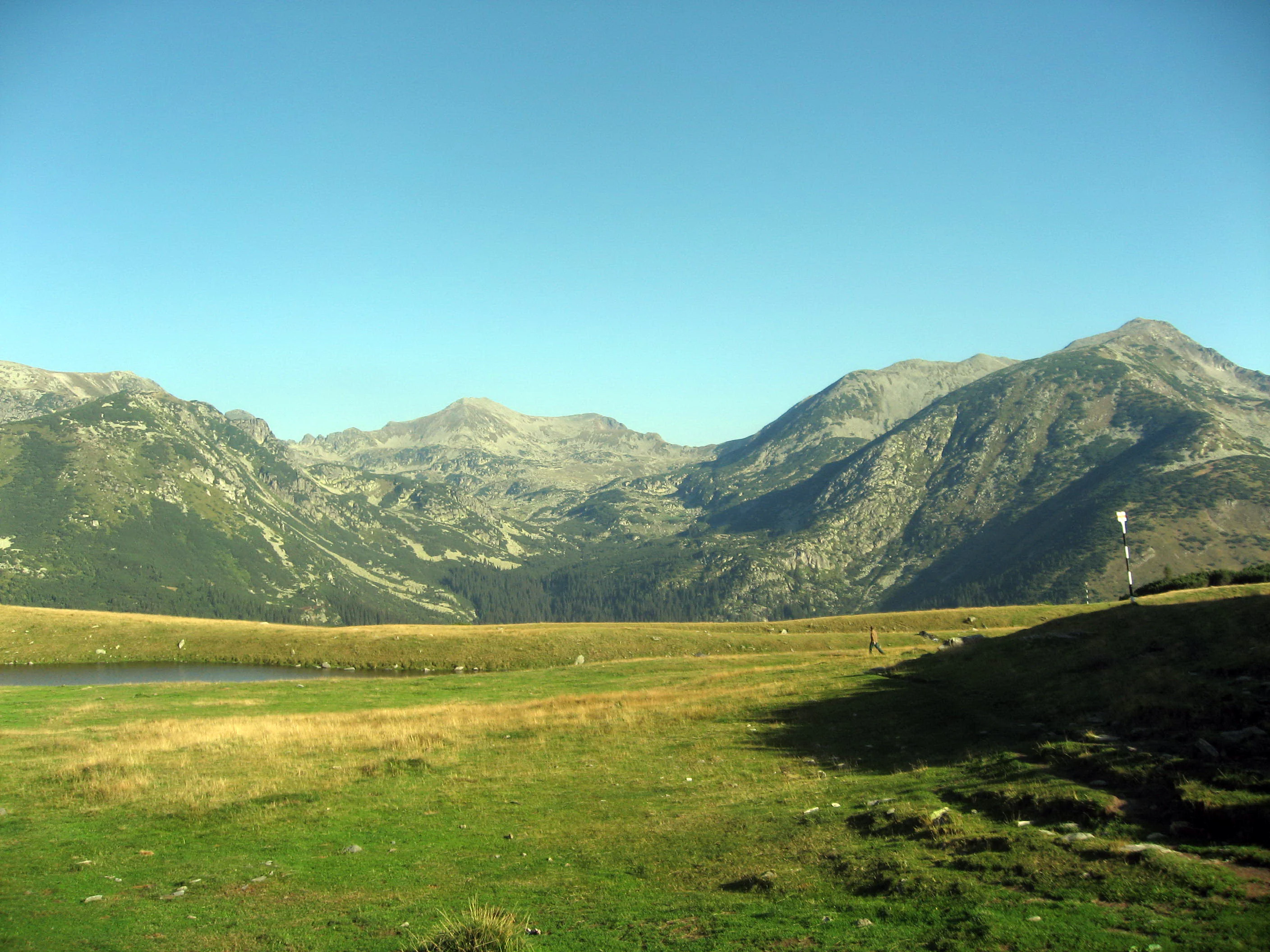
The Retezat landscape is defined by dramatic alpine terrain shaped by ancient glaciation. The mountains feature spectacular sculptural relief with spectacular crests rising above 2,000 meters, including the distinctive erosion platforms known as Borăscu. The terrain encompasses steep valleys, rocky ridges, and glacial cirques. More than sixty peaks exceed 2,300 meters, with Peleaga (2,509 meters) standing as the highest point in the range. The park contains approximately eighty glacier lakes, of which 54 are permanent. Lacul Bucura is the largest glacial lake in Romania. The landscape transitions through distinct altitudinal zones, from forested slopes to alpine meadows and bare rock above the treeline.
Retezat National Park ecosystems, habitats, and plant life
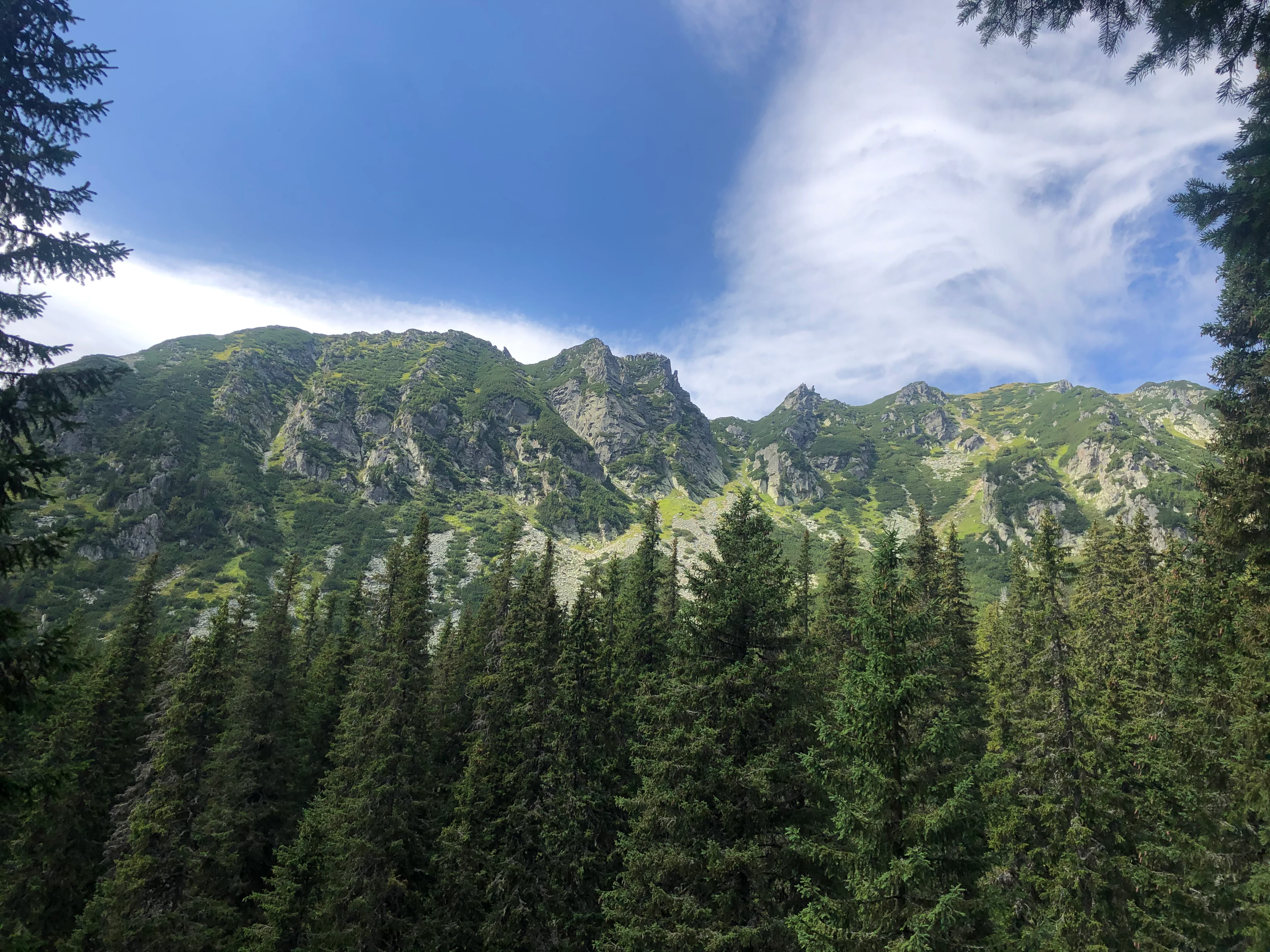
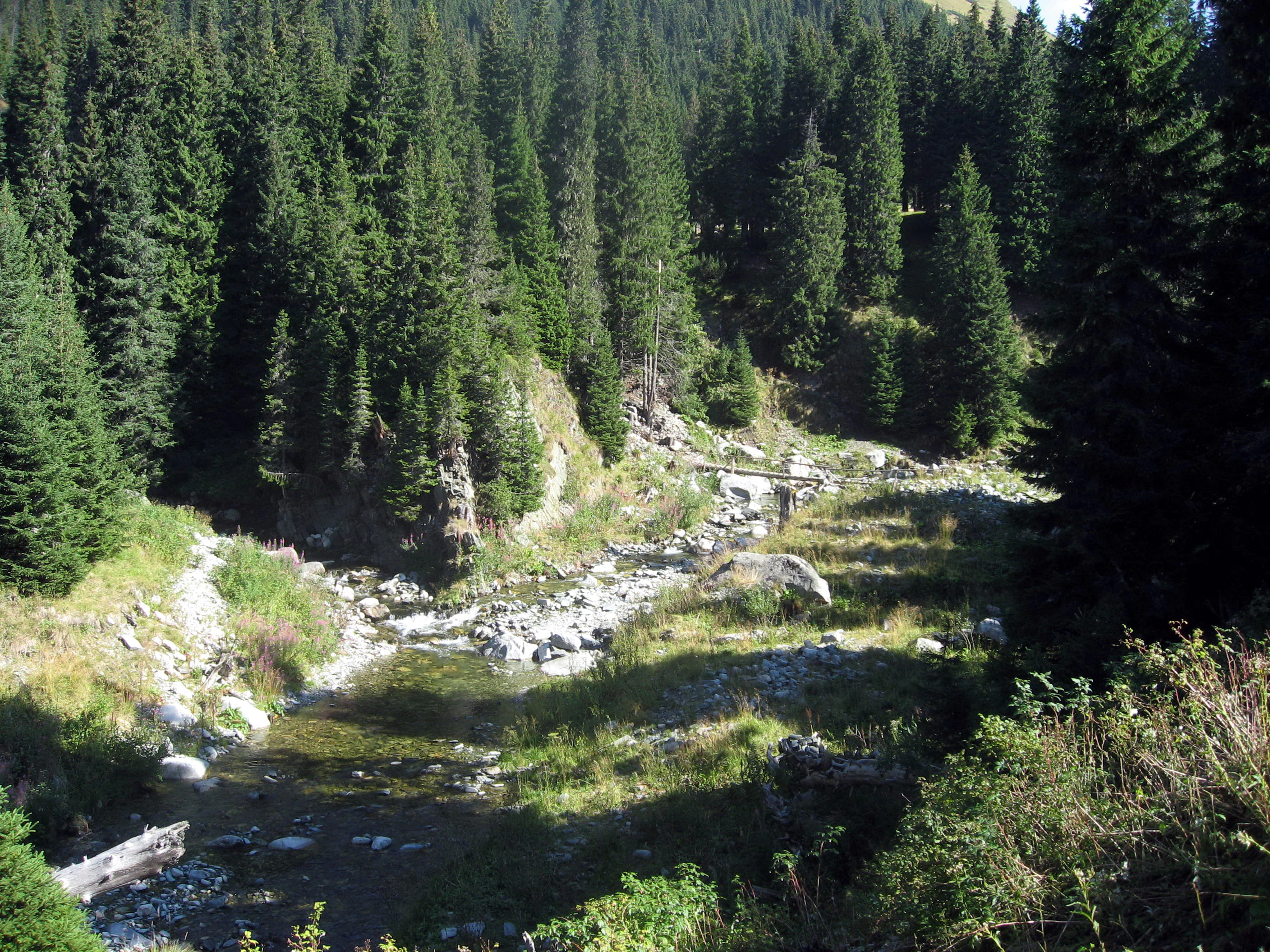
The park's ecological diversity is remarkable, with habitats ranging from subalpine coniferous forests through alpine meadows to glacial lakes and rock habitats. Mountain pine and juniper dominate the subalpine zone, with spruce forests and rhododendron thickets also common. The park protects extensive old-growth forest ecosystems that represent some of Europe's last intact woodlands. The Gemenele scientific reserve strictly protects nearly 1,800 hectares of primeval forest. The park contains over twenty distinct habitat types of community interest, including Daco-Beech forests, acidophilous spruce forests from the montane to alpine zone, alpine larch and Swiss stone pine forests, Nardus grasslands on siliceous substrates, alpine and subalpine calcareous grasslands, and montane streams with their associated vegetation.
Retezat National Park wildlife and species highlights
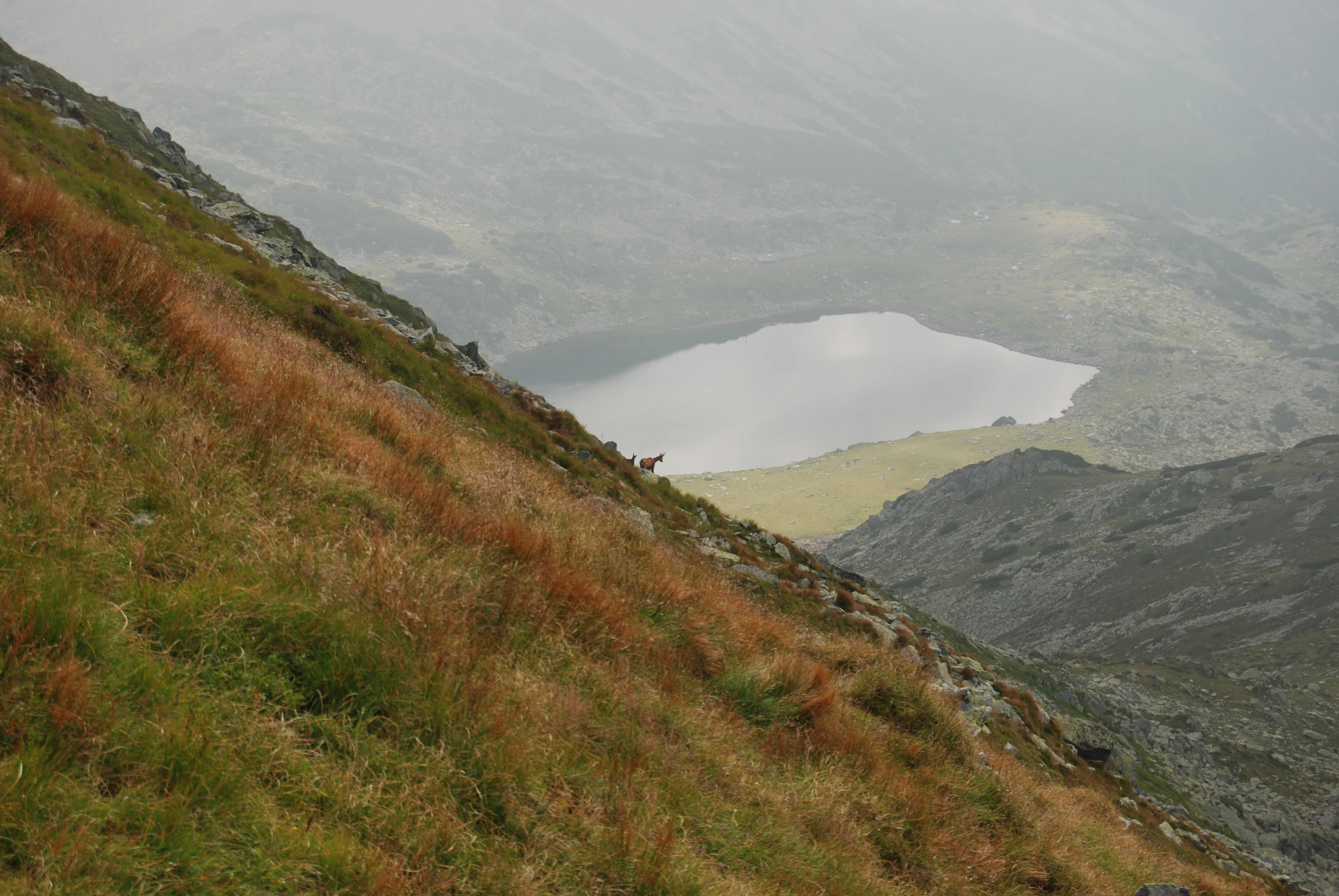
Retezat hosts an exceptional diversity of wildlife, with 55 mammal species representing nearly a quarter of all mammal species found in Romania. The large carnivore community includes gray wolves, brown bears, and Eurasian lynx. Herbivores such as chamois (capra neagră), red deer, roe deer, and wild boar are well established. European wildcats and beech martens occupy the forested areas. The park serves as an important bat conservation center, hosting 13 species of Chiroptera including the greater horseshoe bat, parti-coloured bat, and soprano pipistrelle. Over 100 bird species have been recorded, many protected under Romanian law. The golden eagle appears on the park's logo, while other notable species include the western capercaillie, lesser spotted eagle, black grouse, peregrine falcon, and Eurasian eagle-owl. The park is recognized as an Important Bird Area by BirdLife International and contains two European Prime Butterfly Areas with over 1,000 butterfly species identified.
Retezat National Park conservation status and protection priorities
Retezat holds exceptional conservation significance as Romania's oldest national park and one of Europe's most important protected areas. Its designation as a UNESCO Biosphere Reserve in 1979 reflects international recognition of its ecological value. The park received the European Diploma of Protected Areas in 2008, a distinction reserved for areas of outstanding European importance. It forms part of the Natura 2000 network, designated as both an SCI (Site of Community Importance) for habitats and species and an SPA (Special Protection Area) for birds. The Gemenele scientific reserve provides strict protection for old-growth forest ecosystems. However, the park faces ongoing conservation challenges including illegal logging, uncontrolled sheep grazing, poaching, and unregulated tourism that threatens sensitive habitats. The 2022 court decision rejecting the controversial land restitution to private heirs has helped secure the park's status as public property.
Retezat National Park cultural meaning and human context
The Retezat region contains a rich cultural landscape with numerous historical and architectural monuments in the villages surrounding the park. Medieval churches and noble courts dot the surrounding communes, including the 14th-century Church of the Cândea Knights in Suseni and noble courts from the 15th century in Râu de Mori and Sălașu de Sus. The area reflects centuries of traditional mountain village life with pastoral practices that have shaped the landscape. Archaeological sites at Ohaba-Ponor reveal Neolithic and Paleolithic occupation. These cultural elements complement the park's natural values, creating a heritage landscape where human history and alpine nature intertwine.
Top sights and standout views in Retezat National Park
Retezat National Park offers visitors exceptional alpine landscapes with dramatic peaks, crystal-clear glacial lakes, and extensive old-growth forests. The hiking route to Bucura Lake, the largest glacial lake in Romania, provides access to the heart of the park's alpine scenery. The Gemenele scientific reserve showcases pristine primeval forest inaccessible to general visitors but representing the park's ecological core. The network of over sixty peaks exceeding 2,300 meters attracts mountaineers and hikers seeking alpine challenges. The extraordinary plant diversity, with species including edelweiss, yellow gentian, and rhododendron, creates spectacular summer wildflower displays. Wildlife viewing opportunities include chamois on rocky ridges, golden eagles soaring above peaks, and bear tracks along forest trails.
Best time to visit Retezat National Park
The summer months from June through September offer the most favorable conditions for exploring Retezat, with warm days, accessible trails, and abundant alpine flora in bloom. July and August bring the peak wildflower season and warmest temperatures but also the highest visitor numbers. Early autumn in September and October provides cooler temperatures, fewer crowds, and the opportunity to witness autumn foliage in the forests. Winter access is limited and requires mountaineering experience due to heavy snowpack and harsh conditions. Spring brings snowmelt and rising streams, which can make some trails difficult. The shoulder seasons of late spring and early autumn generally offer the best balance of favorable weather and manageable visitor numbers for those seeking a more tranquil experience.