Mori Atlas logo
Wildlife reserveSea Wolf Island National Wildlife Area

Mapping the rugged coastal cliffs and protected maritime geography of a vital Atlantic wildlife sanctuary

Sea Wolf Island National Wildlife Area: An Essential Seabird Sanctuary and Sandstone Island Reserve

(Réserve nationale de faune de l'Île Sea Wolf)

Sea Wolf Island National Wildlife Area serves as a critical refuge for colonial seabirds within the Gulf of St. Lawrence off the coast of Nova Scotia. This sandstone island is defined by its dramatic coastal cliffs and restricted accessibility, which creates an undisturbed nesting habitat for breeding populations of Great Cormorants and Razorbills. The reserve stands as a prominent example of Atlantic Canadian conservation geography, preserving a rugged, exposed maritime environment that prioritizes the protection of sensitive birdlife populations above all else.

seabird sanctuaryisland reservesandstone cliffsAtlantic coastGulf of St. LawrenceImportant Bird Area

Sea Wolf Island National Wildlife Area

Wildlife reserve

Park overview

Structured park overview, official facts, and landscape profile for Sea Wolf Island National Wildlife Area

Sea Wolf Island National Wildlife Area park facts, protected area profile, and essential visitor context

Review the core facts for Sea Wolf Island National Wildlife Area, including designation, size, terrain, visitor scale, habitats, and operating context in one park-focused overview.

About Sea Wolf Island National Wildlife Area

Sea Wolf Island National Wildlife Area is a compact, single-island nature reserve in the Gulf of St. Lawrence, just off the northeastern coast of Nova Scotia. Protected in its entirety under the Canadian National Wildlife Area system, the reserve is a representative example of Canada's strategy of safeguarding small offshore islands for their disproportionate ecological value, especially for seabirds.

Geologically, the island is formed of sandstone, and its morphology is dominated by cliffs that rise between five and ten metres along its southern shore and reach around thirty metres along the northwestern shore. There are no coves or sheltered bays that would offer straightforward landing access, which contributes both to the visual drama of the island and to its effectiveness as a refuge from ground-based predators and human disturbance. With a maximum elevation of only about fifty metres, the island remains low and compact, yet its cliff-ringed profile gives it a distinctly rugged silhouette.

The reserve was established in 1982 and has been managed since that time by the Canadian Wildlife Service, the federal agency responsible for migratory birds and nationally designated wildlife areas. It is recognized internationally as an Important Bird Area, reflecting both its breeding seabird numbers and the broader importance of its habitat to the regional marine avifauna. The site also holds an IUCN Category Ia designation, the strictest level recognized for protected areas, reserved for sites managed primarily for science, ecological monitoring, and ecosystem protection.

Although its total area is modest, the reserve plays a meaningful role in the wider network of Gulf of St. Lawrence protected islands, contributing to the conservation of marine-associated birdlife along a coastline that historically supported much larger seabird populations. Its identity rests less on size or accessibility than on its function as undisturbed breeding habitat in a region where such refuge sites are increasingly valuable.

Quick facts and research context for Sea Wolf Island National Wildlife Area

Sea Wolf Island National Wildlife Area is a federal wildlife reserve in Nova Scotia, Canada, administered by the Canadian Wildlife Service. It encompasses the entirety of Margaree Island, also called Sea Wolf, a sandstone island in the Gulf of St. Lawrence region that covers roughly 0.76 square kilometres.

The reserve was established in 1982 and is classified as a Category Ia protected area under the IUCN system, indicating strict nature protection focused on ecological preservation. The island is recognized as an Important Bird Area, known in particular for its breeding bird colonies along dramatic sandstone cliffs.

Protection and recognition

Examine official designation records and structured conservation metrics

Sea Wolf Island National Wildlife Area Protection Status and Registry Data

Sea Wolf Island National Wildlife Area protection status details bring together documented management metrics and official registry records. Structured conservation attributes provide transparent insight into protected area administration and baseline designation data.

Protection details

WDPA ID
18190
Park context

Deeper park guide and search-rich context for Sea Wolf Island National Wildlife Area

Sea Wolf Island National Wildlife Area history, landscape, wildlife, and travel context

Explore Sea Wolf Island National Wildlife Area through its history, landscape character, ecosystems, wildlife, conservation priorities, cultural context, and seasonal travel timing in a structured park guide built for atlas discovery and search intent.

Why Sea Wolf Island National Wildlife Area stands out

Sea Wolf Island is best known as one of Nova Scotia's most significant seabird nesting islands. Its population of breeding Great Cormorants, combined with a smaller but ecologically meaningful presence of Razorbills, gives the reserve a clear identity as a seabird sanctuary of the Gulf of St. Lawrence. The island's value to birdlife is closely tied to its physical structure. The sandstone cliffs rising along the southern, northwestern, and other shorelines provide elevated, predator-deterrent nesting ledges that suit colonial seabirds, while the absence of bays or easy landings limits terrestrial disturbance. This combination of geography and ecological function is what defines the reserve's scientific and conservation profile.

Sea Wolf Island National Wildlife Area history and protected-area timeline

Sea Wolf Island National Wildlife Area was formally designated as a national wildlife area in 1982, at which point the entire island came under the protection of the Canadian Wildlife Service. Its establishment reflected a growing recognition of the ecological importance of small offshore islands along Canada's Atlantic coast, particularly as refuges for nesting seabirds.

The reserve's history is tied closely to the broader evolution of Canada's national wildlife area system, which expanded significantly during the late twentieth century to formalize federal protection of small but ecologically important sites. For Sea Wolf Island, the 1982 designation confirmed a long-standing informal role of the island as seabird habitat and gave it legal protection status.

The island's alternate name, Margaree Island, has older regional roots, while the name Sea Wolf is associated with its more recent use in the context of the wildlife area itself. The recognition of the site as an Important Bird Area represents a later milestone in its conservation history, reinforcing its identity as one of the key seabird sites in the province.

Sea Wolf Island National Wildlife Area landscape and geographic character

The landscape of Sea Wolf Island is shaped almost entirely by its geology and its oceanic setting. The island is composed of sandstone, a relatively soft sedimentary rock that, exposed to the constant action of wave and weather, has eroded into a series of steep cliffs defining much of the coastline. Maximum elevation reaches only about fifty metres, keeping the island low in profile but visually pronounced because of its vertical cliff faces.

The southern shore is characterized by lower cliffs, generally between five and ten metres in height, while the northwestern flank rises more dramatically, with cliffs reaching roughly thirty metres. These cliff walls are the dominant physical feature of the island, and they give way abruptly to open sea rather than to beaches or sheltered inlets. There are no coves that would offer easy landing access, a defining trait of the island's physical geography.

The interior of the island is correspondingly compact and limited, with the available terrestrial habitat largely relegated to the cliff tops and the narrow bench areas that may exist above the rock walls. The interaction between the sandstone substrate and the harsh marine climate produces a thin, exposed environment that is visually austere but well adapted to the seabird life it supports.

Sea Wolf Island National Wildlife Area ecosystems, habitats, and plant life

Ecologically, Sea Wolf Island functions primarily as a marine island sanctuary, shaped by its complete isolation from the mainland and its exposure to the Gulf of St. Lawrence. The absence of easy points of access, combined with the steepness of its cliffs, has effectively protected terrestrial habitat from disturbance, allowing natural processes to dominate the island's ecological character.

The vegetation on the island is limited by both the thin sandstone soils and the persistent maritime exposure. The result is a sparse, hardy cover typical of small northern Atlantic islands, supporting the kind of low, resilient plant communities adapted to salt spray, wind, and rocky ground. The island's terrestrial ecosystem is therefore tightly integrated with its marine surroundings; the cliffs that define the island are also the interface between land-based plant life and the open ocean feeding system.

This combination of geological simplicity, climatic exposure, and isolation makes Sea Wolf Island an unusually clean example of an undisturbed Gulf of St. Lawrence seabird island. The reserve's nature is therefore not defined by floral diversity but by the integrity of its habitat mosaic, in which cliff, sparse vegetation, and surrounding sea work together to maintain nesting conditions for colonial seabirds.

Sea Wolf Island National Wildlife Area wildlife and species highlights

Wildlife at Sea Wolf Island National Wildlife Area is dominated by seabirds, for which the island serves as an active breeding colony. The most numerically significant species is the Great Cormorant, which forms a substantial nesting population on the island's cliffs. The Razorbill also breeds on the island, although in smaller numbers, adding to the reserve's value as a site for the conservation of Atlantic seabird diversity.

These two species are characteristic of cold-water North Atlantic seabird communities, and their continued presence on the island reflects the suitability of the sandstone cliffs as nesting habitat. Great Cormorants typically use the ledges and upper cliff areas, while Razorbills favor narrower crevices and ledges closer to the sea, and the island's varied cliff structure supports both nesting strategies.

Beyond the breeding season, the surrounding waters of the Gulf of St. Lawrence contribute additional wildlife value, as the marine environment around the island is rich in forage fish that sustain both the breeding birds and broader marine food webs. The reserve's wildlife profile is therefore tightly concentrated but ecologically meaningful, reflecting the role of small protected islands in maintaining seabird populations across the region.

Sea Wolf Island National Wildlife Area conservation status and protection priorities

Sea Wolf Island National Wildlife Area holds an important place in Canada's network of protected offshore islands. Established in 1982 under the federal national wildlife area framework, the reserve carries an IUCN Category Ia designation, the most restrictive category, indicating that the site is managed primarily for ecological protection, scientific research, and preservation of natural processes and habitats.

The reserve's conservation value lies above all in the protection of an entire seabird breeding island. By encompassing all of Margaree Island, the designation ensures that no portion of the habitat is excluded from protection, which is significant given the small size of the island and the particular sensitivity of colonial seabird sites to even localized disturbance. The lack of natural landing points adds an additional layer of protection by limiting the possibility of casual access.

Recognition as an Important Bird Area further reinforces the site's standing in regional conservation. The combination of formal national wildlife area status, international Important Bird Area recognition, and strict IUCN classification positions Sea Wolf Island as a small but high-value component of the broader Atlantic coastal conservation landscape, where diminishing numbers of undisturbed seabird islands make protected sites like this increasingly important to regional biodiversity.

Top sights and standout views in Sea Wolf Island National Wildlife Area

The reserve covers the entirety of Margaree Island, a sandstone seabird island off Nova Scotia with cliffs that rise to roughly thirty metres along its northwestern shore. Its status as a Category Ia national wildlife area, combined with its recognition as an Important Bird Area, reflects both the strictness of its protection and the significance of its birdlife.

The defining highlights are ecological: a robust breeding colony of Great Cormorants, a nesting presence of Razorbills, and an island environment whose lack of easy access and rugged cliff terrain naturally reinforces the reserve's role as a refuge for colonial seabirds in the Gulf of St. Lawrence.

Best time to visit Sea Wolf Island National Wildlife Area

Sea Wolf Island's seasonal interest is closely tied to its function as a seabird breeding colony. The most ecologically meaningful period is during the nesting season, when Great Cormorants and Razorbills are actively using the cliffs, and the surrounding waters are most biologically active. Outside the breeding season, the island's character shifts to a quieter, more austere maritime setting shaped by winter weather and reduced biological activity, though the reserve's protected status and lack of landing facilities mean that any interaction with the island itself is generally limited to observational or scientific contexts rather than casual visitation.
Monthly climate preview

Long-term representative point measurements tracking annual temperature and precipitation shifts

Sea Wolf Island National Wildlife Area Climate Normals and Temperature Rhythms

Historical data records monthly temperature and precipitation fluctuations across a representative coordinate for Sea Wolf Island National Wildlife Area from 1991 to 2020. Examining the complete twelve-month climatology profile reveals deeper patterns in long-term atmospheric normals without relying on forecasts.
Annual mean6 °C
-6 °C19 °C
Jan-5°
Feb-6°
Mar-3°
Apr
May
Jun12°
Jul18°
Aug19°
Sep15°
Oct10°
Nov
Dec-1°
Warmest month
August

18.6 °C

Coolest month
February

-6.4 °C

Wettest month
December

3.6 mm/day

Driest month
May

2.5 mm/day

Park location guide

Geography guide, regional context, and park location map for Sea Wolf Island National Wildlife Area

Sea Wolf Island National Wildlife Area park geography, regions, and map view in Canada

Understand where Sea Wolf Island National Wildlife Area sits in Canada through a broader geographic reading of the surrounding landscape, nearby location context, and its mapped position within the national park landscape.

How Sea Wolf Island National Wildlife Area fits into Canada

Canada is a federal parliamentary constitutional monarchy spanning North America from the Atlantic to the Pacific and Arctic Oceans. With a population of over 41 million, it is officially bilingual in English and French at the federal level. The country gained independence from the United Kingdom through a gradual process culminating in 1982.

Wider geography shaping Sea Wolf Island National Wildlife Area in Canada

Canada occupies the northern portion of North America, sharing its longest international border with the United States. The country extends from the Atlantic Ocean to the Pacific Ocean and northward into the Arctic Ocean, giving it the longest coastline of any nation.

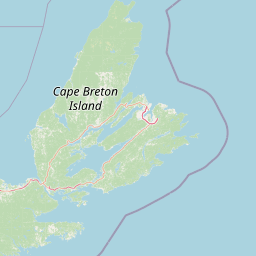
Map view of Sea Wolf Island National Wildlife Area

Use this park location map to pinpoint Sea Wolf Island National Wildlife Area in Canada, understand its exact geographic position, and read its mapped placement within the surrounding landscape more clearly.

Pigeon | © OpenStreetMap contributors

Location context for Sea Wolf Island National Wildlife Area

Nova Scotia
Park atlas

Compare adjacent coastal refuges and regional wildlife reserves

Explore Protected Areas and Parks Near Sea Wolf Island National Wildlife Area

Browse other protected areas near Sea Wolf Island National Wildlife Area to examine neighboring coastal geography and regional seabird habitats. Continuing into nearby wildlife reserves provides broader context on Atlantic marine conservation landscapes and island ecosystems.
National parkNova Scotia
About 39 km away#1 closest

Northeast

Cape Breton Highlands National Park: Mapped Protected Landscape in Nova Scotia

Discover its national park geography and natural terrain.

Uncover the protected landscape identity of Cape Breton Highlands National Park, a national park situated in Nova Scotia. This atlas-focused content details its mapped boundaries, regional geographic context, and natural terrain. It serves as a definitive resource for understanding the park's protected-area status and its contribution to the mapped natural landscapes of the region.

Area
949 km²
Established
1936
IUCN
II
Visitors
277.2K annual
Wildlife reserveNova Scotia
About 104 km away#2 closest

East

Réserve nationale de faune du Lac-Big Glace Bay: Coastal Geography and Protected Land Map

Wildlife reserve and coastal sanctuary in Nova Scotia

This protected area centers on a brackish coastal lagoon and a dynamic barrier beach system on the Atlantic coast of Nova Scotia. The reserve provides a critical migratory stopover for waterfowl, with terrain that transitions from exposed sandy shores to regenerated coastal forests on reclaimed land, offering a unique example of maritime ecological restoration.

Area
3.9 km²
Established
2022
IUCN
IV
Relief
Lowland
National parkPrince Edward Island
About 107 km away#3 closest

West

Prince Edward Island National Park: A Mapped Protected Landscape within Canada's Maritime Region

Discover its geographic context and natural terrain.

Prince Edward Island National Park offers a distinct protected area for exploration within the Canadian Maritimes. As a national park, it represents a commitment to preserving specific natural landscapes and their geographic characteristics. This resource provides insight into its mapped boundaries, regional setting on Prince Edward Island, and its contribution to the broader atlas of protected lands.

Area
27 km²
Established
1937
IUCN
II
Relief
Lowland
Wildlife reserveFrance
About 126 km away#4 closest

Northeast

Réserve nationale de faune de l'Île-Saint-Paul Wildlife Reserve and Regional Geography

Mapping the protected landscapes of France

The Réserve nationale de faune de l'Île-Saint-Paul provides a focused look at isolated terrain and coastal environmental protection. As a designated wildlife reserve in France, it offers a distinct opportunity to study boundary-driven conservation and regional geography through a mapping perspective that highlights its remote natural character.

Established
2025
Relief
Lowland
Climate
Temperate
Access
Access unknown
A wide watercolor illustration showing a landscape with green coniferous trees, tall grasses in the foreground, and soft rolling dunes in pastel pink and yellow hues in the background.
Wildlife reserveQuebec
About 138 km away#5 closest

North

Réserve nationale de faune de la pointe de l'Est: Quebec Coastal Wildlife Reserve Atlas

A mapped complex of parabolic dunes, lagoons, and migratory bird habitats

Located on the Magdalen Islands, Réserve nationale de faune de la pointe de l'Est safeguards an exceptional coastal landscape defined by wind-shaped barrier spits and extensive sand dunes. This protected area offers critical insight into the geography of the Gulf of Saint Lawrence, protecting diverse habitats ranging from salt marshes to rare parabolic dune formations and freshwater wetlands.

Area
7.2 km²
Established
1978
IUCN
III
Relief
Lowland
Wildlife reserveNova Scotia
About 142 km away#6 closest

South

Réserve nationale de faune de l'Île-Country: Nova Scotia Coastal Protected Area Geography

Mapped island habitats and protected Atlantic coastal terrain

Explore the protected landscape of Réserve nationale de faune de l'Île-Country, a 21-hectare wildlife reserve off the coast of Nova Scotia. This detailed overview focuses on the island's coastal mosaic of cobble ridges, shrub thickets, and meadow habitats that form a vital refuge for migratory seabird colonies within the Canadian Atlantic maritime region.

Area
0.21 km²
Established
2024
Relief
Lowland
Climate
Temperate
A horizontal watercolor painting showing a pale green and soft pink landscape with distant hills, a calm body of water, and a tree-lined shore.
Wildlife reserveNew Brunswick
About 199 km away#7 closest

West

Réserve nationale de faune du Cap-Jourimain: Protected Coastal Wetlands and Wildlife Maps

Essential geographic context for a strategic New Brunswick wildlife reserve

Examine the mapped boundaries and complex ecosystem transitions of Réserve nationale de faune du Cap-Jourimain. This federally protected area in New Brunswick offers a distinct look at coastal marshlands, tidal flats, and island topography situated at the narrowest point of the Northumberland Strait.

Area
6.617 km²
Established
1980
IUCN
IV
Relief
Lowland
National parkPrince Edward Island
About 204 km away#8 closest

West

Pituamkek National Park Reserve: Prince Edward Island National Park Atlas Exploration

Mapped protected area and regional geographic context.

Pituamkek National Park Reserve offers a unique opportunity for atlas-driven discovery, focusing on its protected status as a national park on Prince Edward Island. The page details the park's geographic setting and its role within the broader landscape context of Canada. Explore its specific mapped boundaries and understand its contribution to the network of protected natural areas, providing essential data for geographic research and landscape analysis.

Area
30 km²
Established
2024
IUCN
II
Relief
Lowland

Common questions about visiting, size, designation, and location context for Sea Wolf Island National Wildlife Area

Sea Wolf Island National Wildlife Area FAQs for park facts, access, geography, and protected area context

Find quick answers about Sea Wolf Island National Wildlife Area, including protected-area facts, park geography, trail and visitor context, and how the park fits into its surrounding country and regional landscape.
MoriAtlas Explorer

Continue Your Protected Areas Search Across the Global Atlas

Deepen your exploration by continuing the structured search for national parks and protected areas worldwide. Utilize the comprehensive filtering capabilities to compare different conservation landscapes and refine your understanding of global park geography. Discover more about the distribution and characteristics of protected natural areas.

Global natural geography