
Visitor Planning
When to visit Slovincian National Park: The essential short answer
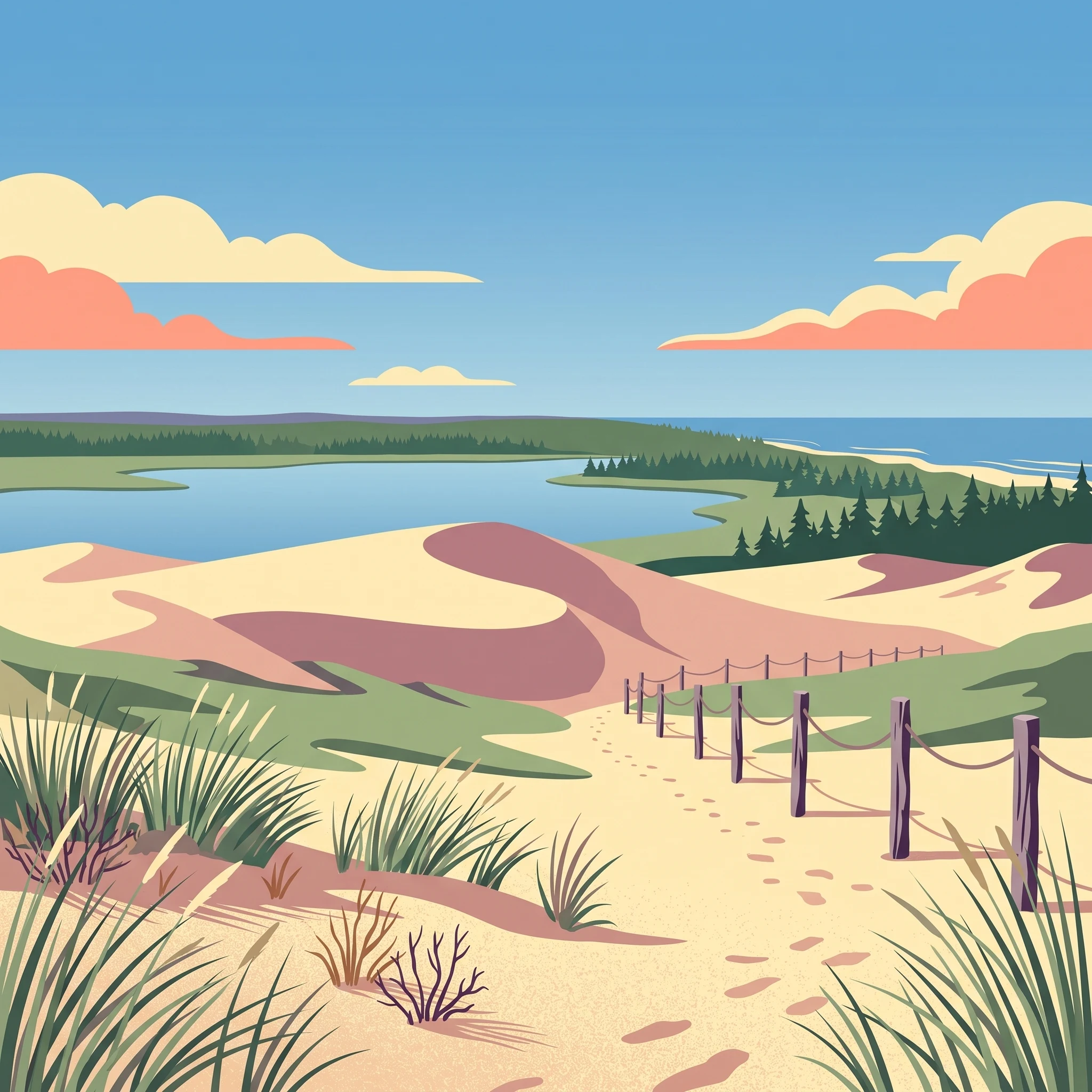
Deciding on the best time to visit Słowiński National Park requires balancing the shifting, exposed nature of its coastal landscape against personal preferences for weather intensity and crowd levels. For most travelers, the window spanning late spring through early autumn offers the most reliable conditions. During this period, the park’s signature moving sand dunes, vast coastal lakes, and pine forests are most accessible, benefiting from longer daylight hours and moderate temperatures that encourage extended exploration of the Baltic coast. While the allure of the migrating dunes remains a year-round phenomenon, the physical comfort of navigating the sandy terrain is significantly higher when wind speeds are lower and daylight persists long into the evening.
Core timing trade-offs for visitors
Identifying when to visit Słowiński National Park is essentially a choice between the high-season warmth and the quiet, introspective atmosphere of the shoulder months. Summer months bring the warmest temperatures and the most stable, albeit occasionally brisk, coastal weather. This is when the park's biological diversity is most vibrant, with wetlands and marshes fully alive and accessible. However, this popularity brings an increase in visitor activity. Conversely, the cooler, shoulder-season months of early spring and late autumn provide a tranquil experience, perfect for those prioritized by solitude or the observation of migratory birds moving along the Baltic Flyway.
The influence of coastal conditions on your trip
The park’s coastal location acts as the primary driver for its meteorological patterns. Visitors should anticipate that weather conditions are rarely stagnant, as the interplay between the Baltic Sea and the inland lake complex creates a dynamic environment. While winter months remain relatively mild compared to interior Poland, they also feature limited daylight hours and a distinct lack of the seasonal vitality found in the warmer half of the year. Precipitation patterns are relatively spread throughout the year, meaning that selecting a travel window should focus more on temperature and daylight duration than on hunting for a perfectly dry month. Instead, planning involves accepting that the park’s windswept, shifting dunes require preparation for exposure regardless of the calendar month chosen. Because the terrain is inherently exposed, your experience will vary significantly based on your ability to manage changing wind and moisture levels across the dunes and along the shoreline.
Seasonal Planning Overview
Best months for visiting the sand dunes and wetlands of Slovincian National Park
Peak Summer for Active Exploration
For travelers prioritizing consistent warmth and the longest daylight hours, the window from June through August offers the most stable conditions for navigating the park's shifting dunes. During these months, average daily highs climb toward the high 20s and low 30s in Celsius, while daylight extends significantly, reaching nearly 17 hours in June. This period is the most practical for those planning to traverse the dune fields or spend extended time at the Baltic coastline, as the higher temperatures mitigate the chill typically associated with the sea breeze. The trade-off for these favorable conditions is a higher probability of encountering other visitors, as the combination of school holidays and pleasant Baltic weather draws more regional interest to the Łeba and Rowy sectors of the park.
The Birdwatching Window: Spring and Autumn Transitions
Visitors specifically interested in the park's status as a critical node on the Baltic Flyway should look toward the shoulder seasons of April to May and September to October. These months mark the arrival and departure of migratory species, transforming the wetlands around Lakes Łebsko and Gardno into active observation areas. In spring, the landscape begins to thaw, with temperatures moving from sub-zero nights toward comfortable daytime averages of 10 to 20 degrees Celsius. Autumn provides a different atmosphere, with cooling air and diminishing daylight, which creates a quieter, more solitary experience. Travelers during these months must be prepared for variable weather, as wind speeds and precipitation patterns are less predictable than in mid-summer, though the trade-off is the opportunity to witness significant biodiversity without the intensity of peak summer crowds.
Winter and Early Spring Logistics
Visiting between November and March is a distinct choice suited for those who prefer seclusion and are comfortable with the inherent challenges of a coastal winter. While the Baltic climate remains generally milder than the Polish interior, the daylight hours drop significantly, dipping to around 7 hours in December. Wind chill becomes a more prominent factor in the dune environment, and the higher humidity levels, often exceeding 90 percent, can make the cold feel more persistent. This period is best for travelers who prioritize photography or a quiet connection to the landscape over physical activity or beach access. Facilities and local services in nearby towns are frequently reduced during these off-peak months, requiring advance verification of any planned support services before traveling.
Annual Climate Overview
Monthly Temperature, Precipitation, and Daylight Patterns in Slovincian National Park
The Annual Rhythm of Coastal Weather
The climate of Słowinski National Park is dictated by its proximity to the Baltic Sea and the expansive, shallow lake systems that define its geography. Because the park occupies a low-lying coastal strip, the air mass is heavily influenced by maritime moderation. While these measurements,derived from data covering 1991 to 2020 at an elevation of approximately 79 meters,offer a reliable statistical baseline, they should be interpreted as long-term normals rather than specific weather forecasts for your travel dates. The coastal environment can be volatile, and local conditions on the open dunes often differ significantly from those in the sheltered pine forests or near the village interiors.
Transitioning from Brisk Winters to Rapid Spring Warming
Winter in the park is characterized by high humidity levels, often exceeding 90 percent, which can make the air feel colder than the thermometer suggests. Temperatures during December, January, and February frequently hover near the freezing mark, with mean values oscillating just above 0°C. Snow is statistically rare but not impossible, and the prevailing winds from the sea during these months contribute to a sense of exposure. As the transition to spring occurs in March and April, the park experiences a noticeable increase in daylight hours, climbing from roughly 7 hours in mid-winter to nearly 14 hours by the end of April. This period often sees a sharp decrease in humidity, signaling the start of more stable conditions for walking the coastal trails.
Summer Dynamics: Peak Daylight and Thermal Variability
The warmest period of the year centers on June, July, and August. These months provide the most favorable conditions for exploring the sand dunes, as mean temperatures reach their annual peak, regularly climbing toward 18°C. Visitors during this window benefit from the longest days of the year, with daylight extending to nearly 17 hours in June. While summer is statistically the period with the highest precipitation values,often exceeding 2.8 mm per day in July,this rain frequently manifests as convective showers rather than prolonged, region-wide storms. The wind patterns during the summer months are generally more subdued compared to the winter, though the lack of tree cover on the dunes means that any breeze remains prominent to those traversing the sand.
Autumn Cooling and the Return of Maritime Moisture
By September, the park begins a steady transition toward cooler, autumnal weather. While September often remains pleasant with mean temperatures above 13°C, the shortening of daylight hours,dropping below 10 hours by the end of October,is rapid. Humidity levels begin to climb once again as the maritime influence intensifies. By November, the park enters a phase where cloud cover and wind frequency typically increase, and the mean temperature drops toward 3°C. This cycle underscores the importance of being prepared for shifting conditions, even within a single day. Because the terrain is largely exposed, moisture and wind are constant factors that can influence comfort, especially during the shoulder months when weather stability is at its lowest.
Seasonal Climate Patterns
Understanding Seasonal Weather Shifts in Slovincian National Park
Defining the Coastal Rhythm of Słowiński National Park
Rather than forcing a traditional four-season model, the environmental character of the park is best understood through two primary phases: the active, bright months of the warmer period and the quiet, transition-heavy months of the cooler season. The coastal location creates a distinct oceanic influence where day length and wind patterns serve as more reliable indicators of the visiting experience than standard calendar dates alone.
The Extended Active Period: May to September
This phase represents the primary window for accessing the sand dunes and exploring the interior trails. From May through September, visitors experience the longest daylight hours of the year, peaking in June and July. This period is defined by a significant transition in ground conditions and foliage. As the soil warms, the park's characteristic wetlands and coastal lakes become centers of activity. While average daytime temperatures remain moderate compared to continental inland regions, this is the most reliable time for clear, stable weather.
However, this active period includes an early transition in May where the lingering chill of winter gives way to rapid warming, and a late transition in September where the light begins to shorten noticeably. Visitors should view this period not as a singular summer block, but as a spectrum where the intense, long-light days of July and August transition into the slightly more tempered, golden-hour conditions of late summer.
The Transitional and Quiet Season: October to April
The remainder of the year is marked by a shift in both atmospheric pressure and visitor presence. Starting in October, the wind patterns,already a constant presence on the dunes,often become more pronounced, and the humidity levels rise as temperatures drop. This phase is characterized by shorter days, particularly between November and January when daylight hours reach their minimum.
This period does not imply a total shutdown of the ecosystem, but rather a contraction of activity. The wetlands enter a phase of dormancy or become staging grounds for migratory species, moving away from the summer visitor focus. Frost and lower temperatures are common, yet the coastal influence typically prevents the extreme, prolonged deep freezes found in central Poland. For those interested in the raw, shifting topography of the dunes, these months offer a unique perspective where the lack of vegetation and the higher frequency of maritime weather create a starker, more solitary environment. The transition months of March and April are particularly unpredictable, often oscillating between late winter gusts and the first reliable signs of spring growth. Travellers during this phase must remain flexible, as the lack of stable, warm weather makes the dunes and exposed coast more challenging to navigate than during the May to September window.
Seasonal Experiences
What Visiting Slovincian National Park Is Like Through the Year
Navigating the Moving Dunes Through the Year
The iconic moving sand dunes of the park offer distinct physical experiences depending on when you arrive. During the warmer months from late spring through early autumn, the dunes are most accessible for walking. As temperatures climb and daylight extends to its maximum in June and July, the exposed nature of the dune fields means visitors face direct sun and higher wind speeds, which can make traversing the sand shift-prone and physically demanding. These periods provide the longest days for exploring the terrain from the Wydma Lacka viewpoint, but the lack of shade requires careful planning regarding timing to avoid the midday heat.
In the cooler months of late autumn and winter, the dune landscape feels significantly more remote. While the cold does not stop access to the trails, the shorter days and the increased maritime wind exposure turn a walk into a more rigorous endurance activity. The sand is often firmer in damp or cold conditions, which can actually assist with walking, but visitors should be prepared for the harsher coastal environment that characterizes this off-season period.
Seasonal Birdwatching in the Wetland Complexes
Migratory patterns are the primary driver of biodiversity experiences within the park, particularly around the large coastal lakes of Lebsko and Gardno. The shoulder seasons, specifically during the peak spring migration in April and May and the return migration in September and October, transform the wetlands into essential hubs for waterfowl and raptors. During these months, the marshes and peat bogs,including the Great Swamp,become active focal points for wildlife observation. The relative quiet of the park during these shoulder windows allows for a more contemplative observation experience compared to the busy summer months.
Water-based experiences, such as the cruise boats that operate on Lake Lebsko, are restricted to the peak summer season. Outside of these months, the lakes remain largely free of water traffic, supporting the park's role as a wildlife refuge. Visitors interested in the natural silence of the coastal marshland environment will find that the autumn transition offers a distinct auditory experience, as the summer tourist activity fades and the migratory bird activity reaches its annual peak.
Coastal Heritage and Cultural Sites
The Czołpino Lighthouse and the open-air museum at Kluki serve as anchor points for cultural exploration regardless of the season, though their accessibility and surrounding conditions shift. The museum at Kluki, which preserves the heritage of the Slovincian people, is best explored when the weather permits moving between the historic buildings and the outdoor agricultural displays. While the lighthouse remains a static feature on the landscape, the approach to it through the coastal forest and dunes is heavily influenced by the seasonal climate. During the spring and summer, the forest paths are lush and filled with local flora, while late autumn and winter reveal the underlying structure of the landscape as foliage recedes, offering a starker, more architectural view of the coastal terrain. Always check local authority portals for updated access routes and operating hours before planning your trip, as services for these sites can fluctuate.
Visitor Priorities
Optimizing Your Slovincian National Park Visit Based on Interests
Prioritizing Milder Temperatures for Coastal Exploration
Visitors seeking to avoid the temperature extremes of winter or the occasionally intense summer heat should target the transitional months of May and September. During May, the average mean temperature is 11.83 degrees Celsius, with comfortable daily maximums that hover around 24 degrees. This period avoids the sharp frost risk seen in early spring while providing a crisp, manageable climate for traversing the open dune landscapes where shade is non-existent. September offers a similar climatic profile, with a mean of 13.85 degrees Celsius and more stable atmospheric conditions. The primary trade-off during these months is the potential for variable winds, which are a constant factor in this coastal environment and can make ambient temperatures feel significantly cooler than the recorded averages.
Seeking Drier Conditions for Dune and Wetland Access
If your priority is minimizing the likelihood of rain while exploring the shifting sands, April and May represent the statistically driest windows. Climatological data from 1991 to 2020 indicates that precipitation levels during these two months remain at their lowest annual points, often dipping below 2 millimeters per day. This period is particularly advantageous for visiting the moving dunes, as the firmer, drier sand is often more predictable underfoot compared to the potentially saturated ground of autumn or late summer. However, the compromise for these drier conditions is a higher probability of cooler nights and less developed vegetation in the surrounding forest zones, meaning the landscape will appear more stark and winter-worn than it does in mid-summer.
Maximizing Daylight for Extended Park Activities
For travellers whose itineraries focus on long days of observation and traversing the large distances between the Lebsko and Gardno lakes, June and July provide the most substantial daylight hours. With over 16 hours of daily light, these months allow for a leisurely pace when visiting the Kluki open-air museum or hiking the trails around the Rowokol observation point. The trade-off for this extended daylight is the peak intensity of the summer weather, which can lead to rapid shifts in heat across the sand dunes. While these months are technically the warmest, they also see a higher frequency of localized humidity, which can make sustained physical exertion during the midday hours feel more demanding than the temperate averages suggest.
Comparing Climate Constraints by Interest
Selecting your dates requires balancing the physical realities of the Baltic coast against your preferred activity. Those prioritizing bird observation often find the shoulder months of September and October more rewarding, even though these periods experience an uptick in humidity and wind speed compared to the late spring. The trade-off is clear: you are exchanging the calm, dry skies of May for the active, dynamic weather patterns that trigger migratory movements across the Baltic Flyway. If your primary goal is to reach the highest vantage points such as Rowokol, aim for the stability of early autumn when the lower average humidity and slightly reduced wind gusts of September offer clearer vistas than the often hazy or overcast mid-summer days.
Logistics and Access
Seasonal access and planning for Slovincian National Park
Navigating park entry points and transit
Access to Słowiński National Park is primarily centered around the town of Łeba to the east, which serves as the most established gateway for visitors. The main pedestrian and cycling entrance is located approximately three kilometers west of the town center. Because routes and transport frequencies are subject to seasonal adjustments, it is essential to verify the current status of local bus links and regional train connections through the official websites of Polish state transport providers or the park authority before departing. While historical travel routes have centered on minibus connections from the Lębork railway station, transit schedules often shift based on tourism demand and may be less frequent during the quieter late autumn or winter months.
Seasonal planning for site movement
The park's unique terrain, characterized by migrating sand dunes and extensive wetland areas, dictates the pace of exploration. During the peak summer period, the infrastructure is most active, with clear marking for walking paths and designated cycling trails. Visitors should be aware that the moving nature of the dunes means that trail alignments can occasionally change, and access to specific restricted zones may be modified by management to protect sensitive ecological habitats. For those planning a visit in the shoulder months or winter, it is important to understand that public service levels within the park, including bicycle rental availability in nearby towns and shuttle services, are typically reduced or suspended. Always check with the park administration regarding current trail accessibility and any temporary area closures before planning your route.
Requirements for permits and specialized access
Entry to the park generally requires a fee, and visitors should consult the official park website to confirm the current entry permit structure, as these arrangements can change or be updated to manage visitor flow. If you are planning activities beyond standard hiking or cycling, such as organized nature photography, research, or commercial film production, separate permissions are likely necessary. It is standard practice for national parks in this region to maintain strict regulations to safeguard the fragile ecosystem of the Baltic coast, and any departure from standard visitor pathways requires prior authorization. Because requirements for permits can be updated without advance notice, you must confirm your specific activity needs directly with the park office well in advance of your visit. Never assume that access is unrestricted in all parts of the dunes or coastal wetlands, as protection of the Ramsar-designated wetlands remains a high priority for the governing authorities.
Safety and Preparation
Weather considerations and safety for visiting Slovincian National Park
Managing Exposure to Coastal Conditions
Słowiński National Park is a dynamic environment where the weather often dictates the ease of your exploration. Because the landscape is dominated by open sand dunes and expansive coastal wetlands, you will be directly exposed to the elements for much of your visit. Wind speed is a constant factor throughout the year, with long-term data indicating mean wind speeds often exceeding 5 meters per second in winter and autumn. When planning, recognize that an open, treeless dune environment provides no shelter from gusts or direct sunlight. Preparing for these conditions means packing versatile, layered clothing that allows you to adapt to temperature swings between the cooler, maritime-influenced mornings and the warmer, sun-drenched afternoons of late spring and summer.
Terrain-Specific Safety and Navigation
The moving sand dunes are the park's most iconic feature, but they also present a challenge for physical mobility. The sand is soft, shifting, and can be energy-intensive to traverse, especially during warmer months when the sun reflects off the silica. While the park maintains marked trails and boardwalks to preserve the fragile ecosystem, you must strictly adhere to these designated routes. Wandering off-path is not only prohibited to protect the dunes but also limits your exposure to potentially uneven or steep terrain that can increase the risk of fatigue or minor injury. If you are planning an excursion during the peak summer window, ensure your footwear is appropriate for deep, loose sand rather than paved surfaces.
Preparing for Humidity and Biological Factors
Beyond wind and heat, the park's extensive wetland complex and marshy peat bogs influence your preparation needs, particularly from late spring through early autumn. The high relative humidity, which often lingers around 75 to 80 percent during the warmer months, can make the air feel closer than thermometer readings suggest. This environment is also ideal for insect activity. Visitors should be prepared for the presence of mosquitoes throughout the wetter, warmer periods. Rather than relying on rigid rules, assess the humidity and current precipitation trends before your departure. Local guidance often emphasizes the importance of remaining on boardwalks to avoid the moist, unstable ground of the wetlands, which protects both the local flora and your own safety.
Utilizing Official Alerts and Current Forecasts
Long-term climate normals provide a useful baseline for what to expect, but they cannot account for the specific weather patterns of your travel dates. Always verify current meteorological forecasts and check the official website of Słowiński National Park for active alerts or temporary trail closures. Changes in water levels or storm activity along the Baltic coast can occasionally influence which areas of the park are accessible. By combining your understanding of these general seasonal patterns with real-time site information, you can ensure your visit remains both enjoyable and aligned with local safety practices.
Final Planning
How to choose the best time for your Slovincian National Park visit
Choosing the right time to visit Słowiński National Park requires balancing your personal travel priorities against the natural rhythms of the Baltic coast. Because there is no single month that perfectly optimizes for every possible interest, the best approach is to identify which trade-offs align with your specific objectives. If your primary goal is to spend maximum time outdoors during the longest, warmest days of the year, the period from June through August provides the most favorable conditions for exploring the sand dunes and enjoying the coastal landscape. During these peak summer months, you benefit from high daylight hours, though you must be prepared for the reality of peak visitor numbers and the inherent unpredictability of coastal weather that can shift rapidly from sunshine to high wind.
For those who prioritize birdwatching or seek a more temperate climate for hiking, the shoulder seasons of late spring and early autumn offer a distinct advantage. During May and September, you will find a more peaceful atmosphere, as the primary migratory patterns bring diverse species to the wetlands, and the temperatures are generally more conducive to active exploration without the intensity of summer heat. These periods represent a strategic middle ground, balancing the appeal of relatively stable weather with the necessity of accepting shorter days compared to the height of summer. The trade-off here involves slightly higher humidity levels and a greater likelihood of varied conditions that require versatile, layered clothing.
If you are driven by the search for solitude and are comfortable with the challenges of the off-season, the winter and early spring months present a raw, dramatic view of the park. While these months see minimal crowds, they also bring significantly reduced daylight, higher wind, and much cooler temperatures that limit the scope of certain activities like lake navigation. Planning a visit during this quiet window requires a greater emphasis on self-reliance and weather preparation, as facilities and visitor services may operate on a limited schedule or close entirely. Regardless of when you decide to travel, always remember that long-term climate normals represent statistical expectations rather than current forecasts. Before finalizing your plans or heading out, verify real-time weather reports, park alerts, and current operational access schedules through official channels to ensure a safe and successful visit.