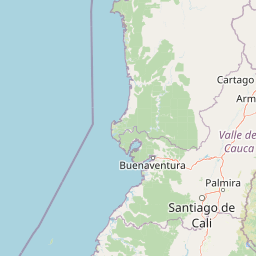
Why Tatamá National Natural Park stands out
Tatamá National Natural Park is renowned for its exceptional biodiversity and the preservation of completely untouched páramo ecosystems. The park contains one of only three unaltered páramos in Colombia, a rare distinction that makes it globally significant for high-altitude tropical ecosystem conservation. It is celebrated among birdwatchers for its extraordinary avifauna, with over 620 recorded species including the Gold-ringed Tanager, an endemic species found only in this region. The park also protects the highest peak in the Cordillera Occidental, Cerro Tatamá, and serves as a critical watershed providing water to major river systems.
Tatamá National Natural Park history and protected-area timeline
Tatamá National Natural Park was established in 1987 as part of Colombia's National System of Protected Areas (SINAP). The creation of the park responded to the need to preserve the unique biodiversity of the Cordillera Occidental and the critical páramo ecosystems found at high elevations. Prior to its designation as a national park, the area had been relatively undisturbed due to its rugged terrain and limited accessibility, which helped preserve its ecological integrity. The park's establishment also recognized the importance of protecting the watersheds that supply major river systems serving populated areas in the region. Since its creation, the park has been managed by Colombia's national parks service as part of the country's strategy to conserve its most significant natural areas.
Tatamá National Natural Park landscape and geographic character
The landscape of Tatamá National Natural Park is defined by the dramatic topography of the Cordillera Occidental, with the park encompassing some of the highest terrain in Colombia's western mountain range. Cerro Tatamá, the highest peak in the Cordillera Occidental, rises to 4,100 meters and forms a dramatic backdrop to the protected area. The terrain descends through steeply sloped valleys carved by numerous streams and rivers that eventually feed into the San Juan and Cauca River systems. The park's elevation range creates a spectacular transition of vegetation zones, from the lush tropical rainforest of the lower slopes through the mist-cloaked cloud forest to the sparse, windswept páramo of the highest elevations. The páramo landscape features characteristic bunchgrass tussocks, cushion plants, and wetlands that store water in this critical high-altitude environment.
Tatamá National Natural Park ecosystems, habitats, and plant life
The ecological diversity of Tatamá National Natural Park is extraordinary, with the park protecting multiple distinct habitat types along its steep altitudinal gradient. The lower elevations support primary west-Andean tropical and subtropical rainforest characterized by tall trees, dense canopy, and extraordinary epiphyte diversity. As elevation increases, the forest transitions to temperate cloud forest where persistent mist and high humidity create ideal conditions for mosses, lichens, and a remarkable diversity of orchids. The páramo ecosystem at the highest elevations represents a unique high-altitude tropical wetland environment found only above approximately 3,500 meters in the northern Andes. This páramo habitat at Tatamá remains completely unaltered, preserving natural processes and species assemblages that have been lost in other paramo areas across Colombia. The park's position within the Chocó bioregion connects it to one of the world's most biodiversity-rich areas.
Tatamá National Natural Park wildlife and species highlights
Tatamá National Natural Park supports remarkable wildlife diversity, with particular significance for its bird fauna. Over 620 bird species have been recorded within the park, including 16 species endemic to Colombia, with seven of these found only in the western Cordillera. The park provides critical habitat for threatened species including the Yellow-eared Parrot, a species endemic to Colombia that inhabits the high-altitude forest and páramo zones. The diverse bird community includes several species of antbird, tanager, wood-wren, and tapaculo that are restricted to the Colombian Western Andes. The park also supports significant orchid diversity with over 560 species recorded, many endemic to the area including the Montezuma maxillaria. The pristine condition of the park's ecosystems supports populations of larger mammals, though detailed documentation of mammalian fauna is more limited in available sources.
Tatamá National Natural Park conservation status and protection priorities
Tatamá National Natural Park represents one of the most important conservation priorities in Colombia due to the pristine condition of its ecosystems and the global significance of its páramo habitats. The park is one of only three páramos in Colombia that remain completely unaltered by human activity, making it a critical reference site for understanding these unique ecosystems and for guiding restoration efforts in degraded páramo areas elsewhere in the country. The protected area's designation as a national park provides legal protection for its biodiversity and watershed values. The park's location within the Chocó bioregion places it within a recognized global biodiversity hotspot, emphasizing its importance for conserving endemic species. Management focuses on protecting water resources, preserving biodiversity, and maintaining the ecological integrity of the páramo and cloud forest ecosystems.
Tatamá National Natural Park cultural meaning and human context
Tatamá National Natural Park is situated in a region historically inhabited by indigenous communities whose relationship with the Andean landscape predates the establishment of the protected area. The park's name derives from the local indigenous heritage, reflecting the cultural significance of Cerro Tatamá as a landmark in the regional landscape. The access route through Montezuma Road originates in the town of Pueblo Rico, a settlement with historical connections to the surrounding natural environment. The Montezuma Rainforest Ecolodge near the park entrance serves as a gateway for visitors, representing the growing interface between conservation and sustainable tourism in the region.
Top sights and standout views in Tatamá National Natural Park
Tatamá National Natural Park offers access to one of the most pristine high-altitude environments in the northern Andes. Visitors can explore the Montezuma Road, a scenic dirt route that ascends from Pueblo Rico through successive ecological zones to a military base at 2,600 meters, providing opportunities to experience the dramatic transition from tropical rainforest to cloud forest. The park's birdwatching potential is exceptional, with the chance to observe endemic species including the Gold-ringed Tanager and other restricted-range birds of the western Cordillera. The protected area provides scientific research opportunities in its completely unaltered páramo, offering insights into high-altitude tropical ecosystem functioning. The dramatic summit of Cerro Tatamá, the highest peak in the Cordillera Occidental, represents a landmark destination for those seeking to experience the most pristine Andean environments in Colombia.
Best time to visit Tatamá National Natural Park
The optimal time to visit Tatamá National Natural Park depends on seasonal weather patterns that affect visibility and trail conditions in this high-altitude environment. The dry season typically offers clearer views from the higher elevations and more comfortable conditions for hiking, though morning mist and cloud forest moisture are persistent features year-round. The wet season brings higher precipitation but also more dramatic cloud formation in the forest and potentially lusher vegetation throughout the park. Regardless of season, visitors should be prepared for variable mountain weather conditions, including rapid changes in temperature, fog, and precipitation, particularly at higher elevations where the páramo environment can be unexpectedly cold and windy.