
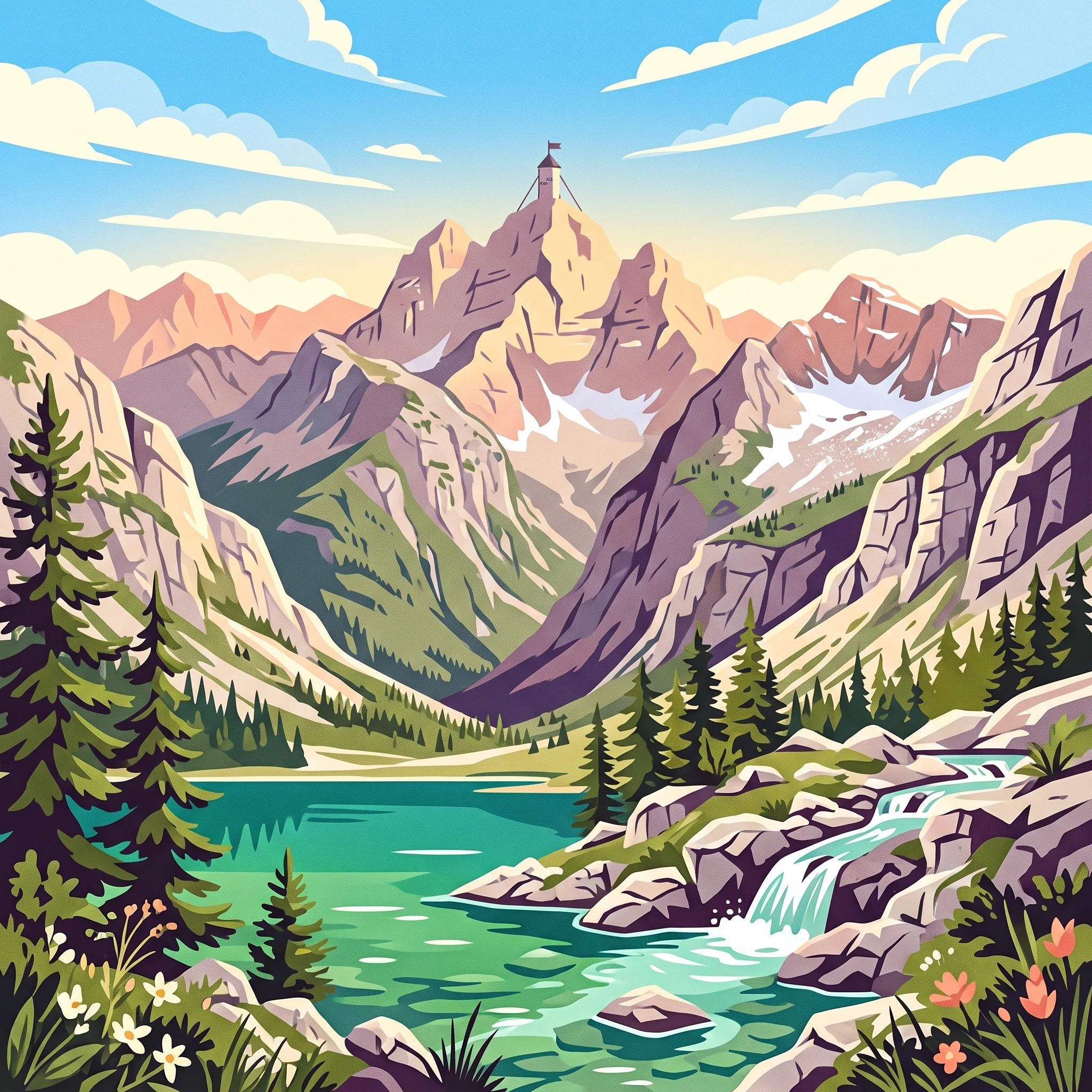
Trip Timing
Best Time to Visit Triglav National Park: A Quick Planning Guide
The best time to visit Triglav National Park is largely dictated by the dramatic shift between the high-alpine environment and the valley floor. For most travellers, the period from June through September represents the most stable window for exploring the park’s rugged terrain. During these months, the snow retreats from higher elevations, granting access to the expansive network of mountain paths and the remote glacial basins that define the Julian Alps. While July and August offer the most consistent daylight and warmest temperatures, those seeking to avoid the peak of human activity often find that the shoulder periods of June and September offer a balance of manageable weather and quieter trails.
Seasonal Trade-offs in the Julian Alps
Choosing when to visit requires a conscious decision between mountain accessibility and climate temperament. Triglav National Park is not a singular destination, but rather an elevation-dependent landscape where the weather at the summit of Mount Triglav behaves quite differently from the conditions in the low-lying river valleys. In late spring, while valley temperatures may invite light hiking, high-altitude routes often remain snowbound, necessitating technical equipment or a flexible itinerary. Conversely, autumn brings a crispness to the air that is ideal for valley-level exploration, though the reduction in daylight hours by October significantly compresses the time available for sustained mountain treks.
Environmental Factors Influencing Travel
The park experiences a distinct alpine climate where precipitation patterns and temperature fluctuations play a critical role in the safety and quality of a visit. You should expect the most significant humidity and precipitation during the transitions between seasons, while mid-summer provides a period of relative dryness that favors sustained time outdoors. However, in an area defined by limestone walls and glacial topography, weather conditions are rarely uniform across the entire 880-square-kilometer protected area. A clear morning in the Soča Valley does not guarantee stable conditions near the Aljažev Tower or the high-altitude glacial lakes. Consequently, any planning for this destination must account for the rapid weather changes inherent to the Julian Alps. Because these climate norms provide a baseline rather than a forecast, visitors must remain prepared for sudden shifts regardless of the month they select for their travel. The most effective approach involves choosing a window based on your specific tolerance for variable alpine conditions, prioritizing the summer months for high-elevation objectives and relying on the temperate valley climate for broader, less technical exploration during the shoulder seasons.
Seasonal Planning
Best Months to Visit Triglav National Park for Different Activities
Peak Alpine Conditions for High-Altitude Exploration
For travelers prioritizing full access to high-elevation trails and peak-bagging, the window from early July through August represents the period of greatest climate stability. During these months, the Julian Alps experience their highest mean temperatures, with daily maximums averaging between 27°C and 28°C at mid-elevation. This consistent warmth reduces the likelihood of encountering remnant snow on high-mountain passes and exposed ridges, allowing for the safest potential access to summits like Mount Triglav. The trade-off for these favorable conditions is the peak period of convective weather patterns, where afternoon thunderstorms are more frequent compared to the stable, crisp days of early autumn.
Transition Months for Balanced Activity
June and September serve as the most effective shoulder periods for visitors who want to avoid the mid-summer peak while still enjoying extensive daylight. June offers the longest days of the year, with over 15 hours of potential daylight, which is an advantage for long-distance trekkers tackling demanding circuits. However, June remains a transitional period where snow may still linger in shaded cirques and northern-facing couloirs from the preceding winter. Conversely, September often provides the most reliable weather for those seeking to photograph the landscape. As the humidity levels drop from their summer highs, visibility in the valleys tends to improve, and the lower average temperatures, while cooler than July, offer a comfortable climate for physical exertion without the intensity of summer heat.
Low-Elevation and Valley-Focused Visits
Travelers focusing on valley floor activities, such as exploring the Soča River gorges, visiting the lakes, or touring cultural centers in regions like Trenta or Bohinj, can extend their effective visiting season into May and October. In May, the landscape is often rejuvenated by spring snowmelt, creating dramatic waterfall displays, such as Boka Falls, though higher paths remain inaccessible due to hazardous conditions. October serves as a final window for lower-elevation exploration before the onset of more persistent cloud cover and lower mean temperatures, which drop toward freezing at night. While these months offer a quieter environment for experiencing the park’s cultural and lower-altitude natural sites, they require a flexible approach to weather, as rainfall frequency remains significant and the higher mountain huts and infrastructure generally shift to winter operations.
The Winter Constraint and Static Scenery
From November through April, the park shifts into a period dominated by low light, sub-zero mean temperatures, and deep snowpack. This window is primarily reserved for specialized mountain users equipped for cold-weather navigation and high-alpine safety. Visitors during this time face drastically limited access to the park interior, as the focus shifts to localized, valley-based winter activities. Those traveling in mid-winter must accept that major alpine routes become essentially off-limits, and the primary experience involves observing the stark, frozen aesthetics of the Julian Alps rather than active trekking.
Monthly Climate Data
Triglav National Park Weather and Climate Trends by Month
Annual Climate Rhythms in the Julian Alps
The climate of Triglav National Park is defined by a significant contrast between the deep winter freeze and the high-alpine warmth of the peak summer months. These long-term climate normals, recorded at an elevation of 1,044 meters, provide a baseline for understanding the park's year-round environmental shifts. It is essential to recognize that these figures represent statistical averages from 1991 to 2020 and serve as general indicators rather than specific weather forecasts for any given year or high-mountain summit.
Thermal Transitions and Daylight Availability
The park experiences its most drastic thermal variations between January and July. Average daily maximums start at a crisp 5.3 degrees Celsius in January, steadily climbing toward a peak of 27.6 degrees in July. This rise is mirrored by a gradual expansion in daylight hours, moving from a low of 8.9 hours in mid-winter to a maximum of 15.5 hours by June. For visitors, this shift dictates the available time for outdoor engagement, as the longer, brighter days of early summer provide significantly more flexibility for movement across the complex, steep terrain of the Julian Alps than the compressed daylight windows of late autumn and winter.
Precipitation Patterns and Atmospheric Moisture
Rainfall is relatively well-distributed throughout the year, though the character of this precipitation changes fundamentally with temperature. Monthly precipitation totals remain consistent from May through November, averaging between 3.5 and 4.2 millimeters per day. While these averages might suggest consistent weather, the higher temperatures during the summer months often lead to localized, intense afternoon storms. Conversely, the cooler, damper months of late autumn and early winter see higher relative humidity levels, often exceeding 88 percent in November and December. This saturation can make the air feel colder than the thermometer indicates, a crucial consideration for those planning activities in lower-elevation valleys.
Influence of Wind and Elevation Context
Wind speeds remain relatively stable throughout the year, typically ranging between 1.5 and 2.0 meters per second. While these averages indicate calm conditions, they do not account for the localized wind amplification that occurs on the high limestone ridges and open summits characteristic of the park. Even when valley winds are minimal, mountain weather can change rapidly. The transition months of April and October are particularly volatile, as they represent the shift between the frozen, snow-dominant conditions of winter and the growing season. During these times, the average daily minimums often drop below zero, highlighting that even as valley temperatures rise, the high-altitude areas of the park remain susceptible to freezing conditions well into the spring.
Seasonal dynamics
Seasonal Patterns and Weather Transitions in Triglav National Park
The Alpine Thermal Rhythm
Triglav National Park does not adhere to a traditional four-season calendar. Instead, its climatic patterns are dictated by rapid elevation changes and the specific geomorphology of the Julian Alps. The annual cycle functions through three distinct phases: the High-Altitude Stabilized Phase, the Transitional Volatility Phase, and the Alpine Dormancy Phase. Understanding these rhythms allows for a more accurate assessment of conditions than relying on arbitrary dates.
The High-Altitude Stabilized Phase: June through September
From June to September, the park experiences its most predictable weather, characterized by higher mean temperatures and sustained daylight hours. This window marks the primary period when the high-altitude terrain becomes accessible, as snow cover typically recedes from the alpine trails and basins. While precipitation remains present, the combination of warmer temperatures and long daylight hours provides the most reliable conditions for reaching higher elevations. This phase is defined by the transition from late spring runoff to stable summer conditions. Visitors should note that even within this phase, sudden afternoon convective storms are a common occurrence in mountainous terrain, and temperature drops are sharp as one climbs above 2,000 meters.
The Transitional Volatility Phases: May and October
May and October serve as volatile bridges between the dominant winter and summer patterns. These transition months are defined by rapid environmental shifts that often defy simple categorization. In May, the lingering effects of the winter snowpack in the higher basins compete with rapidly warming valley temperatures. The landscape is often in a state of flux, with melting snow creating muddy trails and swollen watercourses, even as temperatures reach into the low twenties Celsius at lower elevations.
October introduces a reverse transition. While it initially offers clear, crisp air and stable atmospheric pressure, the shortening days quickly lead to freezing nighttime temperatures that become more frequent by the end of the month. Both transition months are marked by heightened unpredictability, where a sudden cold snap can bring snow to the higher passes while the valley floors remain mild. These periods require significant flexibility in planning, as the window for safe movement in the high peaks narrows significantly compared to the summer months.
The Alpine Dormancy Phase: November through April
Spanning from November to April, the dormancy phase is characterized by significantly reduced daylight and a return to consistent sub-zero temperatures at higher altitudes. This period is not defined by static weather but by the dominance of cold, which dictates that human activity remains largely confined to the lower valley corridors. The mean temperatures drop consistently into the negative range, and the accumulation of snow effectively closes off high-altitude trekking routes. Winter activity during this time focuses on the park's peripheral valleys and managed lower-elevation zones. Access to the core alpine regions becomes restricted not just by weather, but by the physical hazards of avalanche-prone terrain and the severe wind conditions that define this part of the Julian Alps.
Seasonal Experiences
Experiencing Triglav National Park Throughout the Seasons
High-Altitude Alpine Trekking and Peak Access
The central experience of the Julian Alps, specifically ascending Mount Triglav and its surrounding high-altitude limestone plateaus, is intrinsically tied to the period when snowpack recedes and mountain hut infrastructure remains active. The most reliable windows for these activities typically align with the warmer, more stable summer months, specifically from late June through September. During this period, the routes to the highest peaks are generally clear of winter snow, allowing for more predictable footing on the iconic limestone scrambles. Because of the rugged, high-elevation nature of the terrain, these activities are sensitive to weather volatility, and the availability of secure cabling and support infrastructure on steep sections makes late summer the most defensible time for dedicated climbers.
River Gorges and Valley Floor Exploration
The lower-lying hydrological features, such as the Vintgar Gorge, the Mostnica Gorge, and the Soča River, offer a markedly different experience from the high-altitude summits. These areas are accessible for a longer portion of the year, though their character shifts significantly with seasonal water levels. The dramatic waterfalls like Boka and Savica often appear most robust during the periods of snowmelt in late spring, which can create spectacular visual conditions while also making some riparian trails damp or slippery. Visiting these lower-elevation sites during the shoulder months, such as May or October, often provides a quieter experience than the height of summer. However, users should note that certain wooden footbridges and established park pathways may operate on restricted seasonal schedules that require verification before arrival.
Glacial Lakes and Cultural Rhythms
Lake Bohinj and the wider Triglav Lakes Valley function as focal points for water-based activities and cultural engagement. While swimming, paddleboarding, and rowing are primary attractions at Lake Bohinj throughout the warmer summer months, the surrounding area also hosts cultural markers that depend on local agricultural cycles. The traditional Kravji Bal, or Cows Ball, serves as a significant seasonal milestone in mid-September, marking the return of livestock from high mountain pastures. This event offers an immersive look into local heritage that is physically restricted to this specific time of year. For those interested in historical sites, such as the 13th-century Church of St. John the Baptist, visiting during the peak summer window ensures the highest probability of operational hours, whereas visits in the deeper shoulder or winter months may find such heritage sites closed or operating on reduced access.
Variable Terrain and Mobility Considerations
The park landscape, ranging from deep karst caves to alpine passes, presents varying levels of accessibility throughout the year. While the landscape itself remains, the practical ability to traverse it changes drastically with the season. The use of cable car infrastructure, such as the Vogel lift, allows visitors to reach elevated terrain quickly during its operational window, which generally spans from late spring through mid-autumn. This provides a way to experience alpine viewpoints without the exhaustive physical ascent required on foot. Regardless of the chosen activity, the park’s primary challenge remains its variable alpine climate, meaning that even during the established visiting seasons, conditions can shift rapidly, making flexibility in planning and reliance on up-to-date route information the most effective way to manage a visit.
Visitor Priorities
Timing Your Visit to Triglav National Park Based on Travel Priorities
Selecting the Peak Window for High-Altitude Trekking
If your primary goal is to reach the summit of Mount Triglav or traverse the high-alpine terrain of the Triglav Lakes Valley, you must prioritize stability over warmth. The most suitable period for these excursions is between July and August. During these months, the high-altitude climate normals exhibit their highest mean temperatures, typically between 16 and 17 degrees Celsius at mid-mountain elevations, which minimizes the risk of lingering snow fields on technical trails. The key trade-off here is the necessity of navigating crowds and strict reliance on mountain hut availability, which peak during this window. While June also offers long daylight hours, you should be prepared for potential spring snowmelt on north-facing slopes, which can make high-altitude passages more treacherous for those without specific mountain experience.
Prioritizing Milder Weather for Valley Exploration
For travellers who prefer to focus on the park's lower-altitude assets, such as the Soča River valley or the perimeter of Lake Bohinj, the window shifts toward the shoulder months of May and September. In May, average maximum temperatures climb above 22 degrees Celsius, providing a fresh, green landscape as the lower meadows thaw. However, the compromise in May involves higher soil moisture and the possibility of localized spring rain as vegetation greens. Conversely, September often provides a more settled climate with average maximums around 22 degrees Celsius and a reduction in the intense convective thunderstorms that can occasionally build during the height of the summer heat in July. This makes September a particularly preferred choice for those seeking to avoid the peak heat of mid-summer while still maintaining access to valley-level activities and lower-elevation trekking routes.
Timing for Water-Based Excursions and Gorges
Visitors interested in the emerald waters of the Soča River or the park's various limestone gorges should aim for the interval between June and August. The water temperature of glacial-fed rivers remains bracing throughout the year, but the air temperature during these months makes aquatic activities like rafting significantly more comfortable. The trade-off is that these months correspond with the period of highest daily precipitation, often characterized by afternoon instability. You should interpret this as a need for flexibility; morning activities are almost always better suited to this period, as the likelihood of rain increases as the day warms and moisture-laden air rises from the Adriatic and the lowlands.
Balancing Daylight and Temperature for Longer Routes
If your priority is maximizing daylight for long-distance traverse or multi-day hut-to-hut loops, early June and July offer the greatest duration of sunlight, with daylight hours reaching their annual peak of over 15 hours. While these long days allow for more relaxed pacing, they also expose you to higher solar radiation. For hikers who struggle with exertion in high-temperature conditions, the trade-off is significant. Choosing to hike in mid-to-late September provides shorter daylight windows, requiring more rigorous timing and earlier starts, but it offers a substantially cooler ambient temperature that many find far more sustainable for strenuous, sustained movement through the limestone terrain.
Access and Logistics
Seasonal Access and Operational Considerations for Triglav National Park
Navigating Seasonal Infrastructure and Access
Triglav National Park functions as a dynamic alpine environment where physical access is frequently dictated by elevation and weather-induced conditions rather than fixed calendar dates. While valley areas, such as the regions surrounding Lake Bohinj or the Trenta Valley, remain reachable by road throughout most of the year, high-altitude mountain passes and narrow access roads often face temporary, weather-dependent closures. Infrastructure such as high-mountain huts and local cable car services typically follow a seasonal rhythm that aligns with the established high-alpine trekking window, but these dates are subject to annual adjustments based on snowpack levels and late-season weather patterns.
Transport and Regional Connectivity
Access to the park via public transport is well-supported by regional services, particularly during the primary summer months. Buses connect major hubs like Bled and Ljubljana to gateways such as Bohinjska Bistrica and Ukanc. Train services between Nova Gorica and Bohinjska Bistrica offer a scenic route that operates year-round, providing a consistent, albeit limited, alternative to road transport. Visitors planning their trip around these services should verify current schedules directly with the operators, as frequency, routes, and seasonal steam train additions are subject to annual service changes. Relying on real-time transit information is essential for travelers who do not have their own vehicle, as public transport options can be more constrained during the shoulder seasons and winter months.
Planning and Operational Verification
Because the park encompasses 880 square kilometers of varying terrain, local authorities may restrict access to specific sensitive areas or dangerous mountain routes at any time. Information centers located in Bled, Trenta, Bohinj, Radovna, Kobarid, and Mojstrana serve as the primary resource for the most current park status, including any temporary route closures or changes in service availability. Travelers should consult these official centers or the park's designated website before embarking on any excursion, especially when planning travel during the volatile transition months of May and October, or during the winter season when mountain conditions are highly variable. It is a fundamental part of trip planning to ensure that all planned activities and transport routes align with the most recent operational alerts, as these are the only definitive sources for whether a trail, road, or facility is open for public use.
Safety and Preparation
Seasonal Safety and Essential Preparation for Triglav National Park
Navigating Alpine Weather Patterns and Variability
Safety in the Julian Alps begins with acknowledging that climate data, such as long-term temperature or precipitation averages, serves as a general guide rather than a daily forecast. Even in the peak summer months of July and August, when mean temperatures typically reach their highest points, the alpine environment remains subject to rapid, localized shifts. Afternoon thunderstorms are a recurring feature of the summer season. These events can form quickly, bringing sudden drops in temperature and heavy precipitation. Preparing for such conditions requires constant vigilance, which includes monitoring official meteorological reports from the Slovenian Environment Agency before departure and during the excursion.
Seasonal Equipment and Layering Strategies
Effective preparation for the park involves adapting your gear to the specific season and the altitude of your planned route. While valley-level temperatures in May or September might suggest mild conditions, the higher elevations of the park frequently experience significantly colder temperatures. Carrying extra layers is a standard necessity, as the difference between a sunny trailhead and an exposed mountain pass can be substantial. For those engaging in high-altitude trekking, especially in the shoulder months where transitions in weather are most volatile, being equipped with appropriate footwear and durable, weather-resistant clothing is essential. If your plans involve traversing via ferratas, the use of specialized safety gear, including helmets and protective harnesses, is strongly advised as part of your standard preparation.
Daylight and Terrain Considerations
Daylight duration fluctuates significantly throughout the year, impacting both the timing of your activities and the safety of your route. In the winter months, daylight hours are at their lowest, which requires careful planning to ensure you can complete your route well before sunset. The terrain, characterized by limestone ridges and glacial valleys, presents unique challenges when conditions are wet or icy. Regardless of the season, checking current route information and mountain hut status is a critical step in your planning process. Because conditions on the ground change based on recent snowmelt, rainfall, or storm damage, always consult local park information centers in areas like Trenta or Bohinj to receive the most accurate updates on accessibility and safety. By remaining flexible and prioritizing updated information over static expectations, you can align your visit with the reality of the mountain environment.
Final Planning
How to choose the right time to visit Triglav National Park
Evaluating your personal priorities for alpine access
Determining the right time to visit Triglav National Park requires a candid assessment of your comfort with mountain environments. If your primary objective is high-altitude trekking, traversing the Julian Alps, or reaching the summits, the narrow window between late June and early September provides the most consistent weather conditions and essential infrastructure support. During this period, the snowpack has usually receded from higher elevations, and mountain huts are staffed to provide shelter and resources. Choosing these months prioritizes accessibility, but it necessitates accepting that you will be sharing the trails with a higher density of other visitors compared to the shoulder seasons.
Balancing weather stability against solitude
For travellers whose interest centers on the valleys, rivers, and cultural landscape, the shoulder months of May and October offer a distinct trade-off. While temperatures are cooler and the risk of inclement weather or sudden precipitation increases, these periods often provide a quieter experience. You must be prepared for variable conditions, as the climate at this elevation is sensitive to rapid changes. Daytime temperatures may feel mild in the valleys, but mornings and evenings at altitude can be quite cold, and daylight hours are significantly shorter than in mid-summer. Selecting these times is an ideal strategy if you prefer to avoid the peak heat and busier trails while remaining flexible with your daily itinerary.
Finalizing your travel timeline
When making your final decision, keep in mind that climate normals are long-term averages rather than accurate forecasts for your specific dates. High-alpine conditions in particular can fluctuate based on the timing of seasonal snowmelt and early autumn storms. Before finalizing your booking, consult current park alerts and local meteorological forecasts to understand the status of specific trails, cable cars, and road access. By matching your tolerance for temperature variations and your specific activity goals with these seasonal rhythms, you can select a visiting window that aligns with your expectations while remaining prepared for the dynamic nature of the Julian Alps.