
Seasonal Planning
When to Visit Tuktut Nogait National Park: The Essential Window
For those planning a visit to Tuktut Nogait National Park, the window for travel is remarkably narrow. While the park exists year-round, the practical best time to visit for most wilderness travellers is the brief summer period between late June and late August. During these months, the Arctic landscape transitions from winter conditions to a short-lived, vibrant growth phase, providing the only window where the tundra is generally free of snow and the river systems are accessible for navigation. Attempting to visit outside of this period introduces severe challenges related to extreme sub-zero temperatures, limited daylight, and the physical isolation inherent to the high Arctic.
The Relationship Between Daylight and Temperature
Choosing when to go requires balancing two interconnected environmental factors: the intense, near-constant daylight of midsummer and the volatile temperature fluctuations of the Arctic transition. From late June through July, the sun does not set, offering the practical benefit of extended hours for hiking and wildlife observation. However, temperature normals remain modest, with mean averages hovering around 6 to 9 degrees Celsius. This indicates that even during the height of the season, visitors must be prepared for weather that can shift rapidly. The lack of darkness is a defining characteristic of the visit, but it also means that the typical rhythms of dawn and dusk are absent, requiring a flexible approach to scheduling daily activities.
Understanding Arctic Accessibility
Accessibility within Tuktut Nogait is dictated by the environment rather than seasonal infrastructure. The park lacks permanent road access, meaning that travel depends entirely on the ability of aircraft or river-based transport to operate safely. The late June to August window aligns with the period when ice break-up on the rivers and the thawing of the tundra landscape allow for safer movement across the terrain. By early September, the onset of autumn often brings deteriorating weather, including high winds and early snowfalls, which effectively signals the end of the viable hiking season. Travellers should view this summer window not as a reliable tourist season, but as a short, strictly dictated period of environmental opportunity. Because of the extreme remoteness and the reliance on specialized transport, visitors must recognize that even within this summer window, success remains contingent upon highly unpredictable Arctic weather patterns. Decisions regarding dates should always prioritize a buffer for weather-related delays, as the environment does not conform to standard seasonal expectations.
Seasonal Windows
Best Months for Visiting Tuktut Nogait National Park
Peak Summer Wilderness Expedition Window
The narrow window from late June through August provides the only sustained opportunity for standard wilderness trekking and river-based travel in this region. During this period, the landscape transitions from late spring thaw to the height of the brief Arctic summer. Visitors during this time benefit from continuous daylight, which facilitates navigation and eliminates the risks associated with darkness, but they must balance these advantages against the reality of potential late-season weather shifts and the persistent, unpredictable nature of Arctic winds. Because there is no established infrastructure, travel during these months requires complete self-sufficiency and the ability to adapt to sudden changes in environmental conditions.
Early Season Expedition Considerations
Late June serves as the initiation of the park access season, though conditions remain dictated by the timing of the spring thaw. While daylight is constant, average daily maximums typically remain in the mid-to-high teens Celsius, and the ground may still retain lingering moisture from melting snow. Travellers choosing this window should prioritize gear capable of handling saturated terrain and lower temperature fluctuations. This is often the period when the landscape is most active with the arrival of migratory birds and the return of wildlife, making it the most ecologically active time to witness the park before the peak of the summer heat has fully passed.
Mid-Summer Conditions and Trade-offs
July represents the warmest period of the year, with average daily highs approaching 20 degrees Celsius. This month offers the most consistent temperature profile, making it a common choice for those looking for slightly more stability while exploring the canyons of the Hornaday River. However, the trade-off for warmer conditions is that precipitation levels are at their seasonal peak during this time. Visitors should be prepared for more frequent, though typically light, rain that can affect trail conditions and visibility. Despite the warmer average temperatures, the persistence of wind remains a constant factor that requires high-quality wind-resistant clothing, regardless of the relative warmth of the air.
Late Season Transition and Closing Window
August marks the final stage of the feasible travel window. As the month progresses, daylight hours begin to decline noticeably from the constant light of mid-summer, and temperatures begin a downward trend. By early September, the onset of colder weather and the potential for early snowfall make standard wilderness activities difficult. Those visiting in late August trade the prolonged light of July for the anticipation of autumn conditions. This window is suitable for travellers who prefer slightly cooler temperatures for strenuous hiking, provided they accept the inherent risk of the season concluding abruptly as the Arctic autumn takes hold.
Annual Climate Overview
Weather and Climate Trends in Tuktut Nogait National Park by Month
Interpreting the Arctic Annual Cycle
Understanding the climate of Tuktut Nogait National Park requires a shift in perspective away from the traditional four-season model. The annual cycle is defined by a deep, extended winter and an incredibly brief, intense window of summer thaw. These climate normals, based on the 1991 to 2020 period at an elevation of approximately 569 metres, provide a baseline for the conditions one might encounter, though they should not be mistaken for a local forecast. The park's interior, removed from the moderating influences of the coast, experiences distinct extremes in temperature and daylight that dictate the limits of human presence.
The Transition to Summer Light
The most significant climatic shift occurs between May and June, as the region experiences a rapid transition into the period of constant daylight. In May, average temperatures remain below freezing, with a mean of -3.76 degrees Celsius. However, the surge in daylight to 20.7 hours initiates the critical process of snow melt. By June, the park reaches its full transition into the summer window, characterized by 24 hours of daylight and average maximum temperatures rising to 18.5 degrees Celsius. This is the period when the landscape finally sheds its winter coat, allowing for the limited accessibility that defines the hiking and wildlife observation season. Visitors should note that while daylight is omnipresent, it does not guarantee warmth; wind remains a constant presence throughout the summer, with average speeds hovering between 4.1 and 4.6 metres per second, which can significantly alter the perceived temperature regardless of the sun's position.
Midsummer Variability and Precipitation
July represents the peak of the park's limited warmth, with a mean temperature of 8.88 degrees Celsius and maximums reaching 19.65 degrees Celsius. This is also the wettest period of the year, with precipitation reaching 2.5 millimetres per day. Humidity remains relatively lower during this time compared to the winter months, typically hovering around 85 percent. Despite these averages, the climate is defined by high variability. A sunny day can shift rapidly into a cold, wet spell as low-pressure systems move across the tundra. Travelers must prepare for these shifts, as the exposed nature of the terrain provides little shelter from the Arctic winds that persist even when the sun is at its highest point.
The Rapid Autumn Descent
The window of summer viability is notoriously narrow, closing as quickly as it opens. By August, the average mean temperature drops back to 5.91 degrees Celsius, and by September, the landscape faces a sharp decline. In September, the mean temperature falls to -1.05 degrees Celsius, and daylight contracts significantly to 12.7 hours. This transition is marked by increased moisture, as the ground begins to freeze and the first signs of winter weather reappear. Humidity climbs back toward the 90 percent mark, and the combination of colder temperatures, shorter days, and persistent wind signals the effective end of the summer season. By October, average minimums plummet to -23.22 degrees Celsius, and the region enters the long, dark, and frigid winter period that dominates the remainder of the calendar.
Seasonal Weather Patterns
Arctic Seasons and Annual Weather Transitions in Tuktut Nogait
The Arctic Thaw and High Summer Window
The most distinct phase of the Tuktut Nogait environment is the brief window of transition from deep freeze to a short, peak-light summer. This period spans from late June through August. It is defined by the rapid shift in solar radiation, moving from the perpetual daylight of midsummer to the quick onset of cooling as the sun begins to dip lower by late August. During this phase, the landscape sheds its snow cover, and temperatures reach their annual peak, with average daytime highs typically hovering between 17 and 20 degrees Celsius. This is the only time the terrain is sufficiently free of ice and snow to allow for conventional foot travel, though moisture remains high and the ground remains saturated as meltwater lingers in the tundra.
The Late-Summer Cooling Transition
By the time September arrives, the park undergoes a noticeable environmental shift that separates the summer visiting window from the approach of the Arctic winter. This transitional month acts as a bridge between the tundra's brief period of biological activity and the return of sub-zero temperatures. Travelers often note a sharp drop in both the average daily mean and the overnight minimums during this period. While early September may retain some of the landscape features of late summer, the encroaching weather patterns, increased wind, and cooling ground temperatures make it a period of high variability. This marks the end of the primary window for typical wilderness access, as the climate begins its long descent toward the persistent, dark, and frigid conditions characteristic of the remaining months.
The Extended Winter and Shoulder Seasons
The vast majority of the year, from October through May, is dominated by winter conditions. However, it is useful to distinguish the deep, dark heart of winter from the late-winter shoulder season. The months of November, December, and January form the darkest phase of the year, with daylight dropping to zero in mid-winter and mean temperatures often falling well below -25 degrees Celsius. This is a period of extreme, static cold. In contrast, the period from late March through early May constitutes a lighter, slightly more manageable shoulder season. As daylight returns rapidly and mean temperatures begin to climb from their lowest points, the park experiences conditions that are more conducive to specialized, winter-focused activities like ski touring. While this period is warmer than the mid-winter months, it is still defined by harsh, shifting winds and a landscape heavily covered in snow and ice, requiring specialized gear and a high level of self-sufficiency. Unlike the summer thaw, these months never offer a truly temperate experience, serving instead as a distinct seasonal phase defined by its own risks and challenges compared to the brief, snow-free window that characterizes the summer period.
Seasonal Experiences
What Visiting Tuktut Nogait National Park Is Like Throughout the Year
Navigating the Hornaday River and Canyon Landscapes
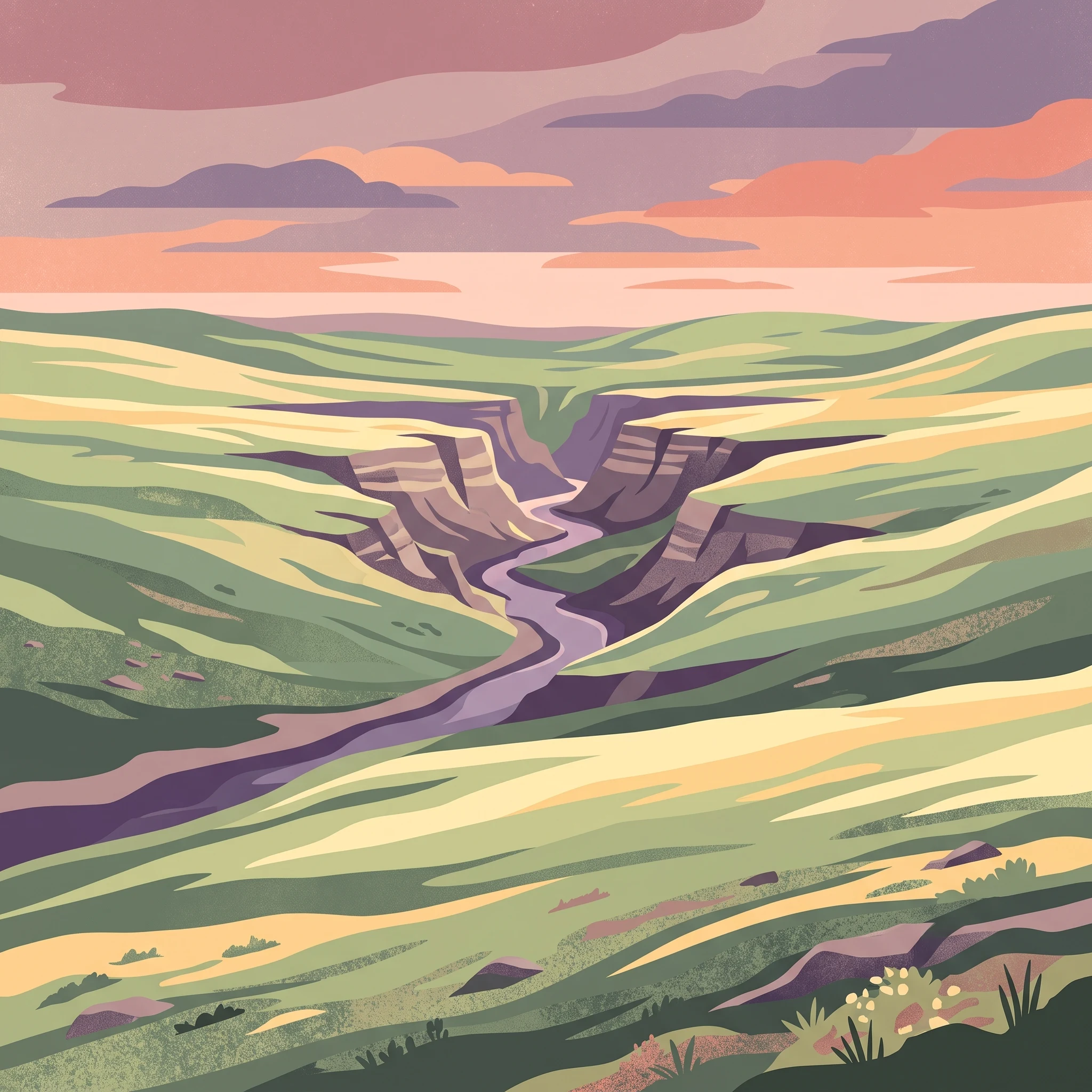
The dramatic geomorphology of the park, defined by 170-metre deep amber and red canyons, dictates the feasibility of river-based exploration. The Hornaday River serves as the primary artery for travel, but its navigability is strictly tied to the window of the summer thaw. Paddling expeditions typically occur when water levels are sufficient following the melt and before the onset of the September freeze. During the peak of July, the combination of relatively higher temperatures and near-constant daylight provides the necessary conditions for self-supported river travel. However, visitors must recognize that these canyons are not merely scenic backdrops but are dynamic environments where water levels can shift rapidly. The sheer verticality of these landscapes means that walking access is often restricted to ridge-top trekking, which requires stable ground conditions found most consistently from late June through mid-August.
Timing for Wildlife and Caribou Observations
Experiential visits focused on wildlife, specifically the Bluenose-West caribou herd, require an understanding of their migratory cycle. Because the park serves as critical calving grounds, human presence during sensitive biological periods can disrupt natural behaviors. Timing a visit to coincide with the post-calving period requires extreme caution and adherence to current park guidelines. Observational opportunities for raptors, including peregrine falcons and gyrfalcons nesting within the canyon walls, are most likely when these birds are actively tending to their young during the mid-summer months. These biological windows coincide with the period of continuous daylight, which allows for extended observation periods but also demands that visitors be prepared for the environmental stressors of the Arctic tundra. Because these animals are highly sensitive, there is no single best time that guarantees sightings, and the unpredictable nature of Arctic ecology makes any wildlife-focused itinerary inherently speculative.
Backpacking on the Arctic Tundra
For those intending to engage in multi-day hiking expeditions, the ground conditions between late June and August offer the only viable window. The transition from the late-winter snowpack to the tundra surface requires patience; early visitors in late June may encounter saturated, boggy ground as the subsurface permafrost thaws. By July, the surface typically becomes more stable, though travelers should anticipate the persistence of uneven, rocky, or soft terrain across the rolling tundra landscape. Hiking in this environment is not comparable to maintained trails in southern national parks. The absence of infrastructure means that navigation is entirely self-directed. The experience of trekking through the tundra is dominated by the need to navigate around riparian zones and steep canyon edges. Those seeking to experience the landscape during its peak green phase should look toward late July, while those who prioritize a quieter, more austere atmosphere may find the cooling temperatures of late August more suitable for covering distance before the onset of autumn.
Visitor Priorities
Choosing the Best Time to Visit Tuktut Nogait Based on Your Travel Priorities
Balancing Daylight and Warmth for Arctic Hiking
Choosing the timing for a wilderness trek requires navigating the narrow intersection of favorable ground conditions and acceptable temperatures. While the period from late June through August offers the only snow-free window for terrestrial travel, different phases serve different objectives. Those prioritizing maximum daylight for long-distance hiking or backcountry navigation will find the late June to early July window most effective. During this stretch, the sun remains above the horizon, eliminating the need for headlamps and allowing for more flexible travel schedules. The compromise is that early-season hiking often involves navigating residual snow patches and wetter ground as the permafrost continues its thaw. Hikers expecting firm, dry tundra must weigh the utility of continuous light against the increased likelihood of encountering saturated soil or soft, muddy patches in the initial weeks of the season.
Targeting the Mildest Conditions for Canyons and Shorelines
Visitors whose priority is to experience the most temperate conditions possible should target mid-to-late July. Climatic normals indicate that this period contains the warmest mean temperatures, often approaching 9 degrees Celsius. This is the optimal window for exploring the Hornaday River canyons or the coastline, as the river levels are generally more predictable following the initial spring runoff. However, the trade-off for these milder temperatures is a measurable increase in precipitation. August brings a subtle shift; while daytime maximums remain substantial, the risk of moisture increases and the nights begin to show the return of the nocturnal cycle. Travelers focusing on photography or extended river sessions often prefer late July for the consistent, albeit cool, thermal profile, accepting that stable weather is never guaranteed in this latitude.
Selecting Windows for Specialized Arctic Pursuits
For those drawn to the park for winter-specific interests like ski touring or snowshoeing, the late-winter shoulder season is the only logical choice. Relying on the daylight gains observed from March through May, these months provide the necessary illumination for safe navigation in a landscape that is otherwise inaccessible during the darkness of deep winter. Unlike the summer hiking season, which is governed by soil stability and thaw, this period is defined by cold-weather preparation. Skiers should anticipate temperatures that can fluctuate between relatively mild near-zero conditions and extreme lows reaching below -30 degrees Celsius. The critical trade-off here is the immense physical challenge of Arctic winter conditions; this window is not for standard tourism but for those equipped for self-sufficient winter survival. Visitors seeking to witness the landscape in its most pristine, frozen state must accept that the environment here is significantly more unforgiving than during the brief summer thaw.
Access and Logistics
Seasonal Access and Practical Trip Planning for Tuktut Nogait National Park
Navigating Remote Wilderness Access
Tuktut Nogait National Park operates under a strict logistical framework dictated by its extreme northern location and lack of permanent infrastructure. Because there are no roads, trails, or established visitor centers within the park boundaries, all access is dependent on aerial transport or localized land travel. Visitors must treat this destination as a fully self-reliant environment. Anyone planning a trip must first coordinate with the Parks Canada office in Inuvik, which serves as the primary hub for administrative requirements, orientation, and safety coordination.
Requirements for Entry and Registration
All individuals entering the park are required to register with the Parks Canada office before their departure. This is not merely a formality but a critical safety measure given the region's remoteness. During this registration, you must attend an orientation session, which provides essential guidance on navigating the specific ecological and cultural sensitivities of the area.
Furthermore, if your route involves landing aircraft within the park, you must obtain an Aircraft Landing Permit. Since there are no landing strips, all aerial access is water-based. Common landing sites include major lakes such as Hornaday Lake, Canoe Lake, and Long Lake. You must verify current permitting requirements and approved landing locations directly with park authorities, as operational protocols can be adjusted based on wildlife conservation needs or changing environmental conditions.
Crossing Inuvialuit Lands
The park is bordered on the north and west by privately owned Inuvialuit lands. Accessing the park overland from these directions requires traversing this territory. Visitors are welcomed by the Inuvialuit on the condition that they demonstrate profound respect for the land and do not disrupt local traditional activities. If your travel plans include fishing or other specific activities on these lands, you are required to register with the local Hunters and Trappers Committee. Because land use rights and local community protocols may evolve, it is necessary to contact the Parks Canada office in Inuvik for the most recent guidance on land access and current expectations for visitors.
Arranging Transport to the Park
Reaching the park typically begins with travel to Inuvik, which is served by scheduled commercial flights from southern Canadian cities. From Inuvik, secondary transport is required to reach the vicinity of the park, such as the community of Paulatuk. Local operators occasionally provide boat shuttle services from Paulatuk to coastal regions like the Hornaday or Brock River deltas. Charter flights from Norman Wells or Inuvik remain the most common method for direct access to the interior lakes. Since service providers, flight availability, and charter costs fluctuate, visitors should contact local air carriers and the park office well in advance to confirm current logistical possibilities.
Safety and Preparation
Arctic Weather Hazards and Essential Gear for Tuktut Nogait
Preparation for a visit to this Arctic landscape requires acknowledging the limitations of human infrastructure and the dominance of environmental variables. Because the park lacks permanent facilities and support systems, your safety depends on self-sufficiency and the ability to interpret shifting weather patterns. While the summer window offers the most accessible conditions, temperature fluctuations and consistent wind contribute to a high risk of heat loss, even during the peak of July. Proper preparation starts by recognizing that historical climate normals reflect long-term averages rather than the volatile, day-to-day reality of the Arctic tundra.
Adapting to Rapid Weather Shifts
Weather in this region is notoriously unpredictable. Even within the relatively milder months of June through August, temperatures can drop significantly during weather fronts, and wind speeds can accelerate rapidly. You must be prepared for the possibility of cool, damp conditions throughout your stay. Humidity levels generally increase in August, which can make temperatures feel colder when combined with the persistent wind typical of open tundra environments. Your gear system should prioritize versatility, utilizing moisture-wicking base layers and wind-resistant outer shells that can be layered based on hourly shifts in conditions. Avoid relying on a single, static set of clothing.
Managing Arctic Terrain and Wildlife Encounters
Moving across the tundra and through the canyons of the Hornaday River involves navigating uneven, often saturated terrain. Proper footwear must support long-distance travel on unpredictable surfaces. Safety in this environment also requires specific protocols for wildlife, particularly regarding the presence of grizzly and black bears. Because the park is a remote wilderness, carrying bear-deterrent methods and knowing how to implement them is a primary safety requirement. It is standard practice to secure all food and attractants within a bear-exclusion fence at your campsite to mitigate the risks associated with the park's resident wildlife. Do not attempt to rely on local food sources or emergency infrastructure, as there are no roads or supply stations within the protected area.
Prioritizing Official Guidance and Forecasts
Before your departure, you must check current environmental alerts, fire hazard reports, and park-specific closures issued by the relevant authorities. Relying on seasonal averages is insufficient for safety, as extreme weather events or late-season snow events can occur outside of typical patterns. Always coordinate your travel plans with the park office in Inuvik. By providing your travel route and expected timeline, you ensure that authorities have the necessary context should your return be delayed by weather or environmental conditions. Always treat all wilderness travel here as a high-stakes, self-reliant endeavor.
Trip Decision Framework
How to Choose the Right Time to Visit Tuktut Nogait National Park
Synthesizing Your Tuktut Nogait Trip Timing
Choosing when to visit this remote Arctic landscape is a process of balancing personal risk tolerance with specific experiential goals. Because the park operates on an extreme seasonal binary, your decision should center on the narrow window between late June and August. If your priority is to witness the landscape in its most active, snow-free state, the shift from late June into early July provides the most dramatic transition. During this time, you navigate soil saturation and initial river ice melt, but you gain the advantage of consistent daylight that allows for extended, flexible travel in an environment where night does not technically fall. This is the period most aligned with those seeking to see the land shed its winter coat, though it requires the highest level of preparedness for wet conditions and shifting terrain stability.
Prioritizing Thermal Comfort and Accessibility
For travellers whose primary focus is finding the relative warmth of an Arctic summer, mid-to-late July remains the most statistically reliable period. While precipitation frequency peaks slightly during this month, the mean temperatures reach their annual high, providing a more manageable climate for those engaged in sustained tundra hiking or base-camping. If you prefer to avoid the highest moisture levels of late summer while still benefitting from a significant thaw, late June or early July often offers a slightly drier alternative, albeit with colder nighttime lows. August serves as a transitional month where the risk of early seasonal cooling increases, making it a better fit for those who value the onset of autumn colors and a reduction in insect activity, provided they are prepared for the unpredictable nature of late-season weather systems.
Finalizing Your Decision
Ultimately, there is no single best time to visit that guarantees success in such an isolated wilderness. Your travel dates should be determined by your comfort level with variable weather and your specific interest in either the biological vitality of the early thaw or the stark, changing palette of the late season. Before finalizing any plans, remember that the provided climate normals are long-term historical averages rather than forecasts for any specific year. Always verify current park status, regional travel advisories, and mandatory registration requirements with the Parks Canada office in Inuvik well before your departure. Regardless of the month you select, your readiness for self-sufficient travel in a landscape without infrastructure is the most critical factor in a safe and meaningful visit.