
Why Uncompahgre National Forest stands out
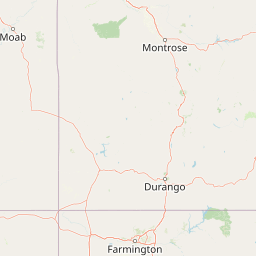
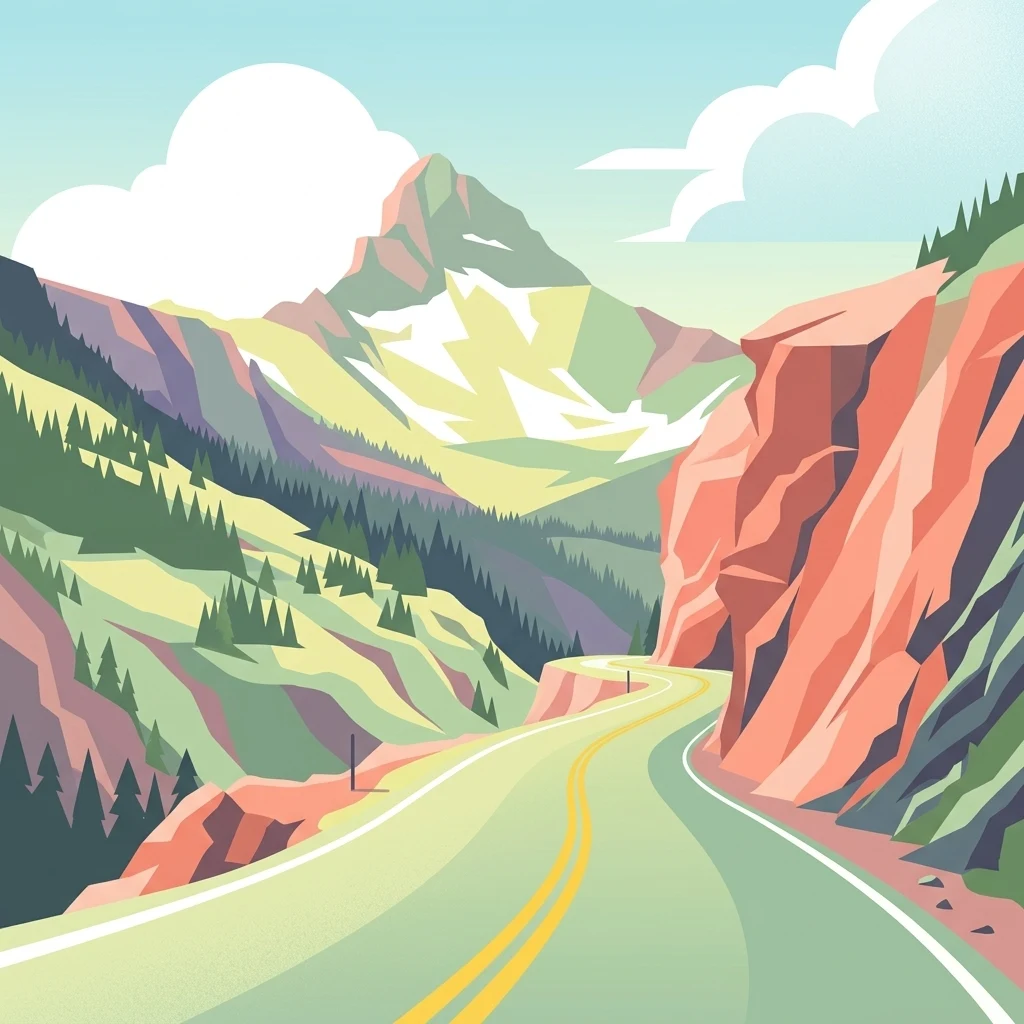
Uncompahgre National Forest is best known for containing the arid Uncompahgre Plateau and the northern portion of the rugged San Juan Mountains, two distinctly different landscapes within a single administrative boundary. The forest is recognized for its three alpine wilderness areas: Uncompahgre, Mount Sneffels, and Lizard Head, which protect some of Colorado's most dramatic high-country terrain. The Million Dollar Highway, which winds along the Uncompahgre Gorge south of Ouray, is one of the most iconic scenic drives in the American West and passes through the forest. The area is also notable for its abandoned mining roads left over from the 1800s mineral rush, which now serve as recreational routes for jeeping and ATV riding.
Uncompahgre National Forest history and protected-area timeline
Uncompahgre National Forest was established on June 14, 1905, during the early era of national forest creation in the western United States. The forest's name derives from the Uncompahgre Plateau and the broader Uncompahgre Valley region, which were themselves named for the Uncompahgre people, a band of the Ute tribe historically associated with this part of Colorado.
For nearly half a century after its establishment, Uncompahgre was administered as a standalone national forest. In 1954, the U.S. Forest Service began jointly administering Uncompahgre and Grand Mesa National Forests as a single administrative unit, reflecting the practical logic of consolidating management across adjacent forest lands. In 1973, the Gunnison National Forest was added to the joint administration, creating the Grand Mesa, Uncompahgre, and Gunnison (GMUG) National Forests as they are known today. The shared Forest Supervisor's Office is located in Delta, Colorado, with local ranger district offices in Montrose, Gunnison, and Norwood.
Much of the forest's visible infrastructure, including many of its dirt roads, dates back to the mineral mining rushes of the 1800s, when prospectors traveled through the San Juan Mountains in search of silver, gold, and other ores. These historic mining roads have since been repurposed for recreational use, particularly by jeep and ATV enthusiasts, adding a layer of human history to the forest's natural and scenic character. In 2024, the forest's administration expanded its stewardship mandate with the acquisition of the West Gold Hill Dinosaur Tracksite near Ouray, a Late Jurassic sauropod trackway recognized for its unique 270-degree looping turn and its high concentration of continuous fossilized footprints.
Uncompahgre National Forest landscape and geographic character
Uncompahgre National Forest's landscape is shaped by the dramatic meeting of two major geographic features: the Uncompahgre Plateau and the northern San Juan Mountains. The Uncompahgre Plateau is a large, relatively flat-topped highland that rises above the surrounding valleys, characterized by arid conditions, pinyon-juniper woodland, sagebrush, and expansive mesa-like terrain. Its climate is notably dry, and the plateau's open vistas and remoteness contrast sharply with the mountains to its east.
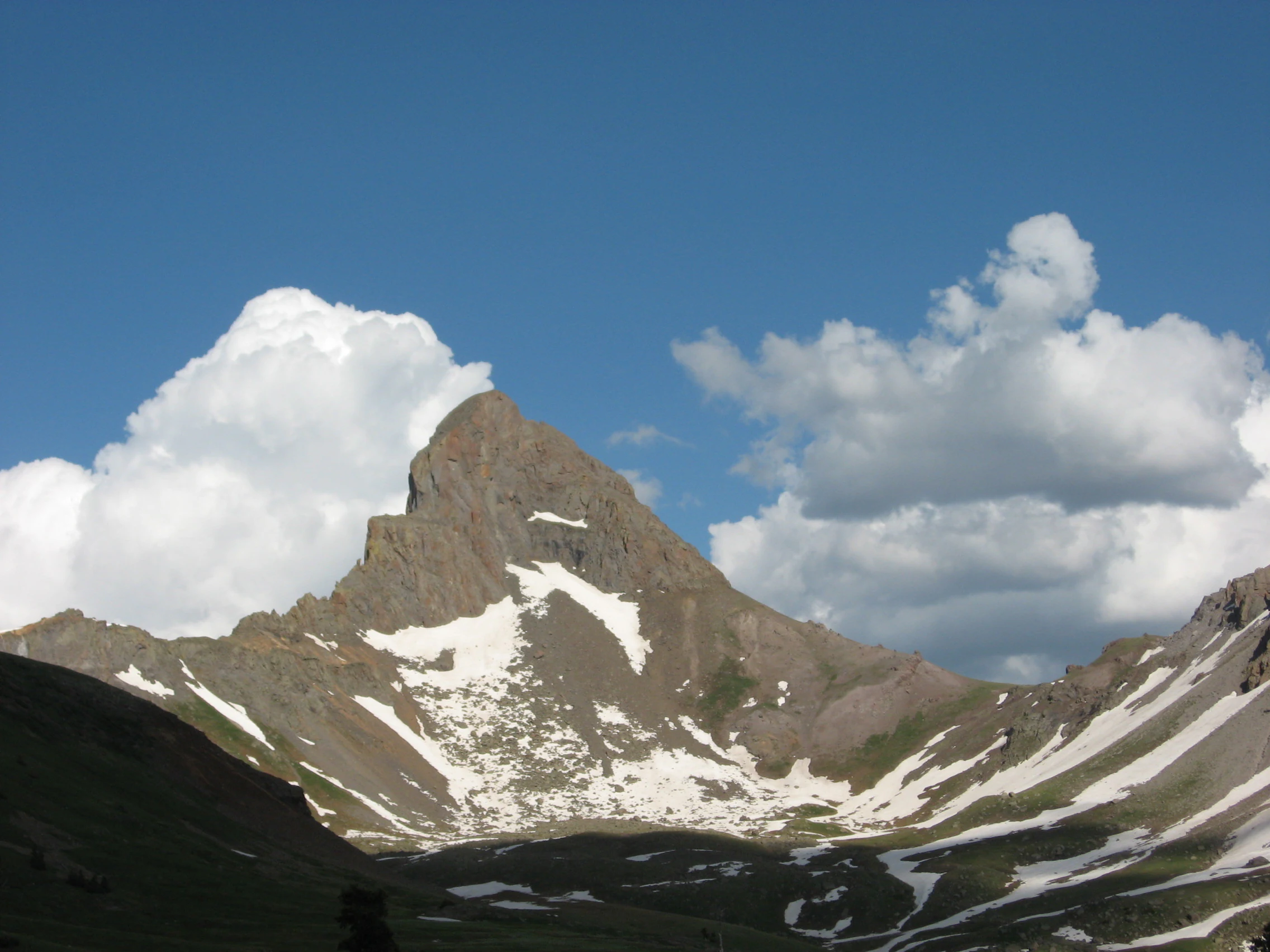
The northern portion of the San Juan Mountains, which falls within the forest, presents a far different physical character. Here, the terrain is rugged and heavily dissected, with deep gorges, steep ridges, alpine cirques, and numerous peaks rising well above timberline. The Uncompahgre Gorge, carved along the route of the Million Dollar Highway south of Ouray, is one of the most dramatic features of this mountainous terrain. Peaks such as Wetterhorn Peak exemplify the sharp, glacially carved summits that define the San Juan skyline as seen from within the forest.
The forest also encompasses significant alpine wilderness areas: the Uncompahgre Wilderness, Mount Sneffels Wilderness, and Lizard Head Wilderness. These areas preserve the highest-elevation terrain, including alpine tundra, exposed rock, and remote backcountry settings. The transitions between the arid plateau and the wetter, snowier mountains occur over relatively short distances, producing a landscape of striking ecological and visual contrasts.
Uncompahgre National Forest ecosystems, habitats, and plant life
Within Uncompahgre National Forest, two broadly different ecological systems sit side by side. The Uncompahgre Plateau supports a semi-arid ecosystem typical of the Colorado Plateau's margins, dominated by pinyon pine, Utah juniper, scattered ponderosa pine, sagebrush, and native grassland communities. The dry climate, rocky soils, and elevation of the plateau produce a sparse but hardy vegetative cover adapted to limited moisture and intense sunlight.
Moving eastward and upward into the San Juan Mountains, the ecology shifts dramatically. Montane and subalpine forests of Douglas fir, aspen, Engelmann spruce, and subalpine fir clothe the slopes, giving way to alpine tundra above treeline. The moisture-catching effect of the high peaks supports denser forests, wetter meadows, and a richer understory than on the plateau. Riparian corridors along streams and around lakes like Trout Lake provide yet another ecological niche supporting aquatic species and water-dependent vegetation.
The combination of arid plateau forest and moist mountain forest within a single administrative boundary gives Uncompahgre National Forest a notable ecological range, spanning cold desert to alpine tundra, with the wilderness areas serving as anchor points for the highest-elevation and most ecologically sensitive habitat.
Uncompahgre National Forest wildlife and species highlights
The varied elevations and habitats within Uncompahgre National Forest support a correspondingly broad mix of wildlife. On the dry Uncompahgre Plateau, characteristic species include mule deer, black bears, mountain lions, coyotes, and a variety of smaller mammals adapted to semi-arid conditions, along with birds such as jays, ravens, and raptors that hunt across the open terrain.
In the forested slopes and alpine zones of the San Juan Mountains portion of the forest, wildlife communities shift to species more associated with montane and subalpine environments. Elk are a major presence in these mountain forests, particularly in the wilderness areas during summer and rutting season. Bighorn sheep inhabit some of the steeper, rockier terrain. Black bears and mountain lions continue to roam these elevations as well, alongside pine martens, red foxes, and various squirrel and chipmunk species. The alpine tundra and rock fields above treeline host marmots, pikas, and white-tailed ptarmigan in the highest elevations.
The forest's rivers, streams, and lakes also support trout and other cold-water fish, making the area significant for both aquatic ecosystems and recreational fishing. Birdlife in the mountain forests includes woodpeckers, nuthatches, grouse, and a range of songbirds and raptors, while the cliffs and gorges near Ouray provide nesting habitat for species adapted to vertical rock environments. The 2024 acquisition of the West Gold Hill Dinosaur Tracksite also adds a paleontological dimension to the forest's natural heritage, preserving fossil evidence of Late Jurassic sauropods that once traversed the region roughly 150 million years ago.
Uncompahgre National Forest conservation status and protection priorities
Uncompahgre National Forest plays a significant role in conserving the ecological diversity of western Colorado. By protecting both the arid Uncompahgre Plateau ecosystem and the northern San Juan Mountains under a single federal forest designation, it preserves a striking ecological gradient that would otherwise be subject to varying degrees of development, grazing pressure, and resource extraction.
The three designated wilderness areas within the forest; Uncompahgre, Mount Sneffels, and Lizard Head, offer the highest level of protection available within the National Forest System, shielding alpine habitats, watersheds, and wildlife corridors from mechanized use and road construction. These wilderness areas are particularly important for maintaining habitat quality for sensitive alpine species and for protecting the headwaters of regional streams.
The forest's conservation mission has expanded beyond traditional forestry and wildlife management. The 2024 acquisition of the West Gold Hill Dinosaur Tracksite near Ouray reflects a broader stewardship role that includes the protection of scientifically significant paleontological resources. The trackway contains 134 fossilized sauropod footprints from the Late Jurassic period and is recognized as the world's only known example of a 270-degree looped turn in a dinosaur trackway. By bringing this site under federal ownership and management, the GMUG National Forests have ensured its long-term protection as a unique natural and scientific treasure.
Uncompahgre National Forest cultural meaning and human context
The Uncompahgre Plateau and the surrounding valley take their name from the Uncompahgre band of the Ute people, whose historical homeland extended across much of western Colorado. This Indigenous connection remains part of the cultural geography of the region, though the National Forest itself is primarily discussed in terms of its natural and recreational identity.
The forest's cultural landscape is also deeply shaped by the mining heritage of the San Juan Mountains. The 1800s mineral rushes brought an influx of prospectors and settlers into the region, leaving behind a network of mining roads, abandoned workings, and small historic communities. Many of the dirt roads within the forest today are remnants of this era, repurposed over time from industrial routes into recreational byways for jeep and ATV touring.
Nearby towns such as Telluride, Ouray, Montrose, and Norwood contribute to the cultural setting of the forest. Telluride in particular has become both a historic mining town and a modern cultural destination, while Ouray is known for its hot springs and its Victorian-era architecture nestled within the Uncompahgre Gorge.
Top sights and standout views in Uncompahgre National Forest
Uncompahgre National Forest's most distinctive features include the dramatic juxtaposition of the arid Uncompahgre Plateau with the rugged northern San Juan Mountains, and the protection of three alpine wilderness areas that anchor its high-country terrain. The forest is traversed by some of Colorado's most celebrated scenic drives, including the Million Dollar Highway along the Uncompahgre Gorge and the San Juan Skyway.
Other standout qualities include the forest's deep mining-road network dating to the 1800s mineral rush, trout fishing opportunities at lakes such as Trout Lake, the iconic Bridal Veil Falls near Telluride, and the recently acquired West Gold Hill Dinosaur Tracksite, a globally unique Late Jurassic sauropod trackway featuring the world's only known 270-degree looping turn in a dinosaur footprint trail.
Best time to visit Uncompahgre National Forest
Uncompahgre National Forest can be enjoyed across much of the year, but the experience varies significantly with season and elevation. Summer, from roughly June through September, is the most popular time to visit, offering the best conditions for scenic driving along high-elevation byways, hiking into the wilderness areas, and accessing the higher alpine roads. The relatively dry climate and abundant sunshine that characterize the plateau and the mountain valleys make summer attractive for jeep tours, ATV riding, and outdoor recreation.
Fall brings cooler temperatures and golden aspens at mid-elevations, making the San Juan Mountains portion of the forest especially scenic for photography and sightseers. Winter transforms the higher elevations into a snowy landscape with opportunities for snowmobiling, cross-country skiing, and backcountry travel, though many of the higher roads close seasonally. Spring tends to be brief and variable, with snowmelt swelling rivers and streams and gradually reopening the higher passes and trails as conditions improve.