
Seasonal Planning
Best time to visit Wadden Sea National Park: an essential orientation
Determining the best time to visit Wadden Sea National Park involves reconciling the dramatic cycles of migratory bird patterns with the coastal climate realities of southwestern Denmark. There is no single universal period for every visitor, as the park functions as a dynamic, tide-driven ecosystem that changes in character throughout the year. For most travelers, the choice hinges on whether the primary goal is to witness the peak wildlife spectacles of spring and autumn or to enjoy the longer daylight hours and milder conditions of summer. Access to the vast tidal flats and the islands of Fano, Mando, and Romo is fundamentally shaped by these seasonal rhythms, making your timing the most important planning factor for a successful trip.
Prioritizing wildlife and migratory spectacles
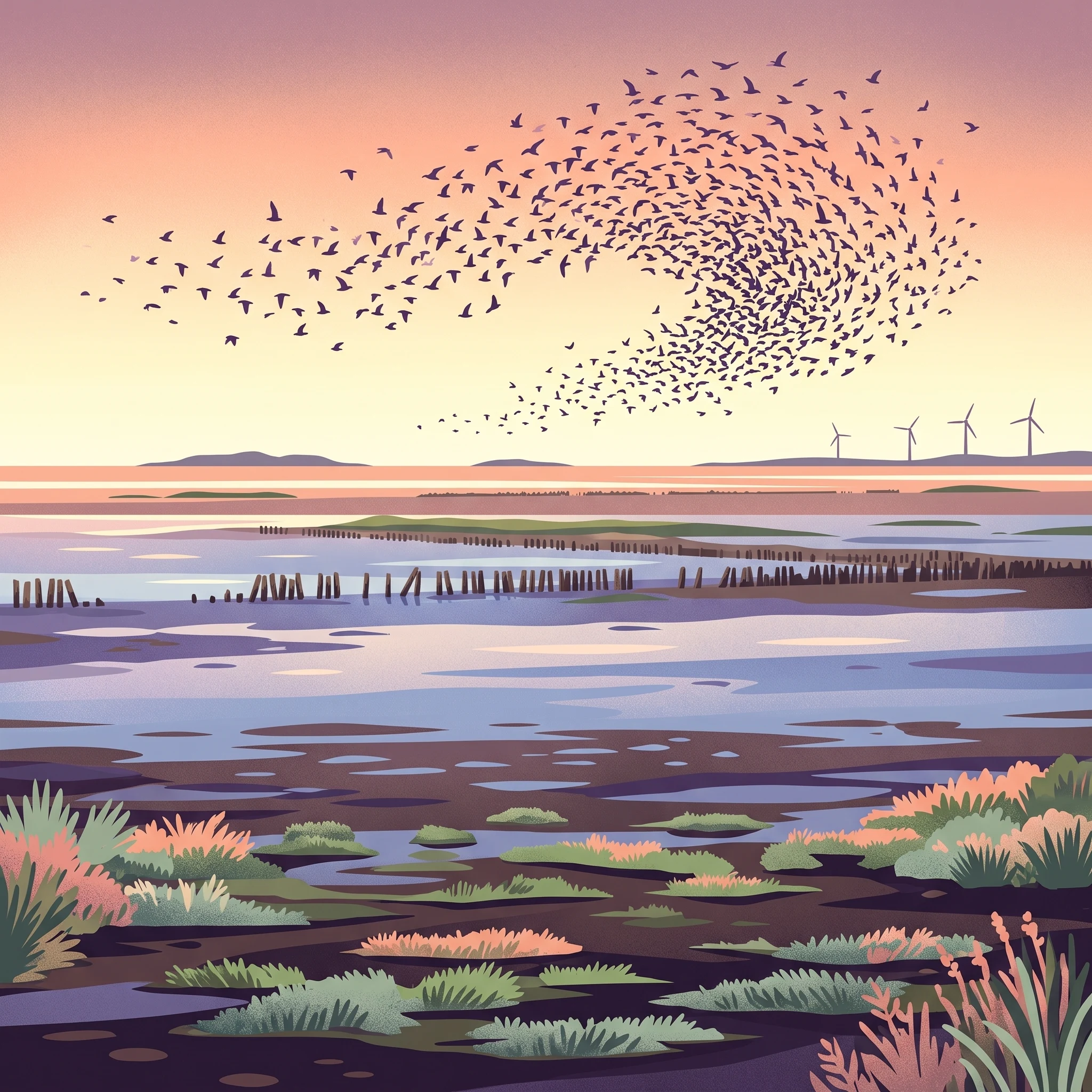
If your primary interest is the park's status as a premier migratory bird sanctuary, you must align your visit with the spring and autumn passages. Millions of birds rely on these wetlands as a vital link in their journey between Arctic breeding grounds and wintering areas. The autumn months are particularly famous for the sort sol phenomenon, where massive flocks of European starlings perform intricate aerial displays before settling in the marshlands. These events are ephemeral and highly dependent on the timing of seasonal migrations, meaning those specifically seeking this experience should focus on the shoulder seasons when bird activity is most intense and diverse.
Balancing weather and daylight for coastal exploration
For visitors whose priorities lean toward hiking, cycling, or spending extended time outdoors, the summer months offer the most favorable climate profile. July and August provide the highest average temperatures, generally peaking near 25 degrees Celsius, alongside the longest periods of daylight. These months maximize your window for exploring the tidal landscape, which requires navigating the unique risks of the Wadden Sea environment. However, even in mid-summer, the weather remains susceptible to coastal winds and rapid shifts in conditions. While the longer days are ideal for traversing the islands and coastal dunes, you should remain prepared for variable weather regardless of the month you choose.
Understanding the trade-offs of the intertidal landscape
It is important to recognize that the park's physical state is defined by the tides rather than just the calendar. The landscape is a fluid, changing environment where the sea dictates daily accessibility. While temperature and daylight normals provide a reliable foundation for scheduling your arrival, they do not guarantee specific conditions on any given day. As you plan, distinguish between the logistical advantages of warmer, sunnier months and the unique, biodiversity-rich experiences that characterize the cooler, more volatile transition periods. Your trip will be most effective if you decide whether you are chasing the rare, ephemeral natural events of the migration seasons or seeking the physical accessibility of the warmer summer peak.
Seasonal Planning
Best months to visit Wadden Sea National Park for key experiences
Peak Wildlife Viewing and Migration Windows
The most distinctive times to visit the Wadden Sea are during the spring and autumn migration periods. From March through May, and again from August through October, the park becomes a critical staging ground for millions of migratory birds. Visitors prioritizing nature observation will find these months offer the highest likelihood of witnessing massive avian activity. While spring brings the return of breeding birds, the autumn months are specifically noted for the spectacular sort sol phenomenon, where vast flocks of starlings create complex, shifting aerial patterns over the marshlands during the transition to winter.
These windows come with a climatic trade-off. Spring visitors encounter more variable conditions, with average maximum temperatures ranging from 10.4°C in March to 20.6°C by May. Autumn visits, particularly in October and November, see increasing rainfall and cooler temperatures, requiring visitors to be prepared for the exposed, windy nature of the coastal landscape.
Balancing Weather and Daylight for General Exploration
For those whose primary goal is general exploration, hiking, or traversing the coastal dunes and islands, the period between June and August offers the most reliable weather. During these months, average daily mean temperatures reach their annual highs, consistently sitting between 14°C and 17°C. These months also provide the longest daylight hours, with June averaging over 17 hours of light. This extended visibility provides a significant practical advantage for exploring the intertidal zones and coastal paths, as it allows for greater flexibility when working around the natural tidal shifts that define the park geography.
The primary compromise for choosing these warmer, sunnier months is the potential for higher visitor interest, which can impact the quiet, expansive atmosphere that defines the park during the off-season. Additionally, those seeking the unique biological spectacle of the migratory seasons will miss the peak of the bird activity, as the park is less densely populated with migratory species during the height of the northern summer.
Navigating the Off-Peak Winter Months
Visitors traveling between November and February should anticipate significantly harsher conditions. With daylight hours dropping to as low as seven hours in December and mean temperatures hovering near the freezing point, this period is generally less suitable for casual coastal hiking. However, these months offer a stark, solitary perspective on the Danish coastline. This period is best suited for those specifically interested in the wintering bird populations that remain in the Wadden Sea, provided they are well-equipped for high humidity, strong winds, and the challenges of a colder coastal environment.
Annual Climate Patterns
Weather and Climate Normals by Month in Wadden Sea National Park
Understanding the climate of Wadden Sea National Park requires looking beyond simple temperature averages to the relationship between wind, moisture, and the vast, exposed tidal landscape. These long-term climate normals, based on data from 1991 to 2020, illustrate a coastal environment defined by transition rather than extreme stability. It is important to note that these values represent historical climate trends at a specific elevation, not real-time weather forecasts or a guarantee of current conditions for any specific point within the park.
The Shift Toward Longer Daylight and Milder Temperatures
As the calendar moves from the short, dark days of winter toward the transition of spring, the park experiences a rapid increase in daylight and a gradual warming of mean temperatures. While January and December see the shortest duration of sunlight at approximately seven hours, this figure climbs steadily through the spring, reaching its peak in June and July at roughly 17 hours. This extended light is a defining characteristic of the region, providing the most significant window for coastal exploration. During the core summer months, mean temperatures hover near 17 degrees Celsius, with average daily highs occasionally reaching the mid-20s. However, because the park is a maritime environment, these warmer peaks are frequently moderated by the surrounding North Sea, preventing the intense heat often experienced further inland.
Wind, Humidity, and the Coastal Influence
Humidity remains high throughout the year, rarely dipping below 80 percent, which can make the air feel cooler or more penetrating than raw thermometer readings suggest. This sensation is compounded by wind, which is a constant presence in the Wadden Sea. Wind speeds remain notably steady across the year, averaging between 5 and 7 meters per second. Because the landscape is exceptionally flat and open, there is little topographical shielding from these breezes. Visitors should anticipate that the wind-chill factor will often make the actual environment feel more brisk than the climate normals for mean temperature indicate, especially during the shoulder seasons of autumn and spring.
Precipitation Patterns Across the Year
Rainfall is distributed relatively evenly across the months, yet the intensity and frequency vary enough to influence planning. Late autumn, specifically October and November, marks the period with slightly higher precipitation averages, often nearing 3 millimeters per day. Conversely, the spring months of April and May represent the relatively driest phase of the year. While these climate normals provide a baseline for what to expect, the Wadden Sea is a dynamic system. Because the park is largely composed of tidal flats and marshes, high wind and sudden shifts in atmospheric pressure can lead to localized weather changes that occur rapidly. Visitors should always treat these monthly averages as a guide for broad seasonal tendencies rather than a prediction of day-to-day conditions during their stay.
Seasonal dynamics
Seasonal patterns and weather transitions at Wadden Sea National Park
The Wadden Sea does not adhere to a traditional four-season calendar. Instead, the coastal environment is defined by two primary phases: a period of relative thermal stability and daylight abundance from May through August, and a more volatile, wind-driven period spanning the remaining months. Understanding these transitions is essential, as the park landscape is subject to constant tidal influence that renders standard seasonal expectations secondary to wind and water conditions.
The Extended Light Phase: May through August
From late spring through the end of summer, the Wadden Sea experiences its most stable visiting window. This period is defined by a significant increase in daylight, peaking at over 17 hours in June, which provides the longest possible daily access for navigating the tidal flats and coastal paths. Temperatures reach their annual maximums during this time, with mean values settling between 11 degrees Celsius in May and nearly 17 degrees in August. While this is the warmest period, the presence of the North Sea ensures that temperatures remain moderate, rarely reaching extremes. Visitors will notice the landscape at its most accessible, as the increased solar energy and lower relative humidity,dropping to around 81-82 percent,create conditions that feel significantly more comfortable for extended outdoor activity compared to the damp, dark months of the winter half-year.
The Transition into Autumn: September and October
As daylight begins to diminish rapidly in September, the park enters a distinct transitional phase. This period acts as the bridge between the reliable warmth of summer and the approaching winter chill. Average maximum temperatures drop from the low 20s in early autumn to the mid-teens by October, while wind speeds begin a gradual upward trend, climbing back toward their winter peak. This window is marked by increasing precipitation, which typically hits its annual high of nearly 3 millimeters per day in October. The high humidity, which averages between 84 and 88 percent during these months, makes the air feel cooler than the thermometer suggests, particularly when wind gusts increase across the exposed salt marshes.
The Wind-Driven Winter Phase: November through April
The period from November to April constitutes the most challenging phase of the year. Defined by high relative humidity that often exceeds 90 percent and sustained winds that remain consistently above 6 meters per second, this season prioritizes resilience over comfort. Daylight levels reach their minimum in December and January, sometimes dipping below 7 hours. While the mean temperatures remain largely above freezing, the combination of moisture and wind creates a wind-chill factor that defines the experience of being near the coast. This is not a uniform period of snow or ice, but rather a season of persistent dampness and atmospheric instability. The transition back toward spring in March and April is signaled by a rapid gain in daylight and a gradual decrease in wind speeds, which marks the slow return to the more hospitable conditions of the extended light phase.
Seasonal Experiences
Experiencing Wadden Sea National Park Landscapes and Wildlife Through the Year
Connecting Seasonal Rhythms to Park Activities
The Wadden Sea environment operates on a strict natural schedule governed by tidal cycles and migratory bird patterns. Because the Danish portion of the park is defined by its role as a global corridor for millions of birds, your visiting experience will be fundamentally shaped by whether you arrive during the peak migration months of spring and autumn or the quieter, more stable periods of summer.
Migration Windows and the Murmuration Experience
The most distinctive wildlife event in the park is the starling murmuration, often referred to as black sun, which occurs during the autumn migration period. These massive, shifting formations are primarily observed in the marshlands as birds gather to roost in the evening. Because these events depend on the arrival and departure of migratory populations, they are most reliably witnessed in the shoulder months of September and October. Visiting during this period offers the best opportunity to observe the scale of this ecological event, though you should anticipate cooler, breezier conditions that require practical outdoor gear for extended time in the coastal marsh.
Tidal Exploration and Coastal Access
For experiences centered on the tidal flats, such as guided walks across the seabed or visiting isolated areas like Mandø, the season dictates the viability of your plans. The Låningsvejen, a gravel road that provides access to Mandø, is entirely dependent on the tide. During warmer months, particularly from May through August, the extended daylight hours provide a broader window for these activities, allowing more flexibility in coordinating your visit with low-tide cycles. While summer offers the benefit of longer, more temperate days, the park remains a dynamic system regardless of the season. Visitors seeking to walk the flats should always consult current local tidal charts, as the risk of being cut off by the rising water exists year-round.
Seal Safari and Island Experiences
Seal spotting is a primary activity throughout the warmer months when these marine mammals frequent the exposed sandbanks to rest. Tours operating from the islands of Fanø, Mandø, or Rømø typically align their schedules with the warmer season, where the combination of lower wind speeds and more reliable daylight makes boat or guided walking access more comfortable. Exploring the unique geography of these barrier islands is possible throughout the year, but the experience shifts notably between the peak of summer, when beach and dune exploration is supported by longer light, and the winter months, when the focus shifts to the dramatic, wind-swept landscapes of the North Sea coastline. If you are planning to visit the Vadden Sea Centre or other interpretive sites, recognize that the nature of your interaction with the park will remain tied to the immediate weather conditions, as high humidity and wind are constants in this coastal environment.
Travel Priorities
Selecting the Best Time to Visit Wadden Sea National Park Based on Interests
Prioritizing Milder Temperatures and Extended Daylight
If your primary goal is to maximize time outdoors while benefiting from the most comfortable climatic conditions, the window from late May through early August offers the best alignment with your preferences. During these months, the park experiences its longest daylight hours, peaking at over 17 hours in June, which provides immense flexibility for exploring the expansive tidal flats and salt marshes. The climate normals for this period indicate mean temperatures climbing toward 17°C in July and August, significantly warmer than the annual average. The primary trade-off during this peak recreational period is the reduction in bird migration activity, as the millions of migratory birds that define the Wadden Sea are largely absent during their northern breeding season. While you gain stable, long-daylight exploration windows, you lose the spectacular, high-density wildlife events that occur during the shoulder seasons.
Targeting Lower Precipitation for Hiking and Exploration
For visitors whose itinerary relies on consistent dry weather for walking or traversing the coastal landscape, April and May stand out as the most supported months based on climate normals. Precipitation levels in April average 1.47 mm per day, the lowest point in the annual cycle, followed closely by May at 1.65 mm. While these months are technically drier, they also feature lower average maximum temperatures, often peaking between 16°C and 20°C. Choosing this period requires a commitment to layering, as the wind, which remains an omnipresent feature of the coastal landscape, can make these spring days feel significantly cooler than the numerical averages suggest. The trade-off here is a shorter daily light window compared to mid-summer, though the trade-off is often rewarded with fewer mid-day heat peaks and quieter trails.
Navigating Windy Conditions for Coastal Landscapes
Visitors who prioritize the dramatic, wind-swept essence of the Wadden Sea must look toward the autumn and winter months, particularly from October through December. During this phase, wind speeds, which average around 6.2 to 6.9 m/s, combined with higher humidity (often exceeding 90%), create a raw, atmospheric environment that defines the park’s northern character. While the temperatures drop during this time, with mean figures often dipping below 6°C by November, this period is essential for witnessing the profound seasonal shifts in the wetland landscape. The main compromise for seeking this authentic, rugged experience is the significantly reduced daylight,falling below 7 hours by December,and the necessity of highly specialized, weather-resistant clothing. This timing is rarely about comfort in the traditional sense, but rather about witnessing the landscape in its most active, weather-driven state where the tidal channels and salt marshes are most volatile.
Access and Planning
Seasonal access and trip planning at Wadden Sea National Park
Accessing the tidal landscape
Practical access to the Danish Wadden Sea requires an understanding of the region's inherent mobility constraints. Unlike traditional terrestrial parks with fixed access points, the national park is defined by an intertidal system where daily tidal cycles and seasonal meteorological shifts directly influence physical movement. Coastal towns such as Esbjerg, Ribe, and Højer serve as the primary gateways, offering the most stable infrastructure for visitors. From these locations, the route into the park often involves navigating roads that cut through marshlands or, in the case of islands like Mando, crossing tidal causeways that are periodically submerged. Visitors should anticipate that the accessibility of specific areas fluctuates based on current water levels, which change twice daily. Always consult local tidal charts and official municipal announcements regarding road safety and causeway accessibility before attempting to travel into these low-lying areas.
Seasonal planning and transport infrastructure
Infrastructure availability, including guided transport and seasonal ferries, is not static throughout the year. While the North Sea Trail provides a durable route for hiking and cycling behind the dikes, secondary routes across the tidal flats or towards isolated islands may operate on seasonal schedules or depend entirely on weather-proof amphibious transport. Service providers often adjust their trip frequencies based on visitor demand and daylight availability, which varies significantly between the short, dark days of December and the extended, light-rich days of summer. If you are planning a visit that requires transit via specialized vehicles, such as those used for seal or oyster safaris, it is essential to verify current schedules directly with the service operator. Official park visitor centers remain the most reliable source for information on route closures, maintenance, or temporary restrictions caused by severe weather events.
Planning considerations for dynamic coastal zones
Effective planning in this national park necessitates a distinction between stable coastal access and the unpredictable nature of the intertidal zones. Because the environment is protected for its bird populations and sensitive ecosystems, certain areas may be temporarily cordoned off during peak migration or breeding seasons to minimize human disturbance. Do not assume that trails or beaches remain open year-round based on regional climate norms. Instead, prioritize checking the Nationalpark Vadehavet official website for any active regulations or seasonal access alerts before finalizing your travel dates. This proactive approach ensures that your logistics align with current park management goals and environmental protection protocols. Always prioritize flexibility in your itinerary, particularly during the transition months of autumn and spring when wind conditions and tidal surges are most likely to impact transport reliability.
Safety and Preparation
Weather, Safety, and Seasonal Preparation in Wadden Sea National Park
Preparation for a trip to the Wadden Sea requires an understanding of the park's coastal environment, where consistent wind and high humidity levels are constant factors throughout the year. Because the landscape is defined by dynamic tidal flats and open salt marshes, visitors should prioritize layering as the primary strategy for managing shifting conditions. Even during the warmer months of June and July, when temperatures can reach their peak, the persistent breeze across the flats necessitates wind-resistant outer layers. The relative humidity, which remains high year-round and frequently exceeds 80 percent, can make cooler temperatures feel more penetrating, particularly during the transition months of autumn and spring.
Managing Coastal Weather and Exposure
The climate data reflects a significant seasonal shift in daylight hours, ranging from under seven hours in December to over seventeen in June. This variation directly impacts planning, as shorter winter days limit the safe window for traversing tidal areas or coastal paths. Visitors planning activities during the winter months should anticipate limited visibility and significantly colder conditions, with mean temperatures dropping near or below freezing. Regardless of the season, the lack of natural shelter in the open marshlands means that wind exposure is a factor for every visitor. Wearing wind-proof and water-resistant clothing is generally more useful than relying on heavy insulation, as it allows for adjustments based on current weather activity rather than broad seasonal averages.
Situational Awareness and Terrain
Safety in the Wadden Sea is fundamentally tied to the tidal nature of the terrain. The shifting intertidal landscape means that environmental conditions can change rapidly. Preparation should not focus on specific gear for hazards that are not present, but rather on situational awareness. Visitors should familiarize themselves with the specific routes they intend to take, as the park features diverse environments including the Skallingen peninsula and various islands like Rømø and Fanø, each with its own access characteristics. Because weather normals are long-term trends rather than daily predictions, it is essential to check official weather forecasts and local park alerts immediately before departure. Always review current guidance provided by the national park authorities regarding access, as conditions on tidal causeways or walking paths can be influenced by wind direction and tidal surges that fall outside of standard seasonal patterns. If you are uncertain about a route or the current state of a trail, prioritize local signage and official information centers over personal assumptions about favorable weather.
Trip decision guide
How to choose the right time to visit Wadden Sea National Park
Deciding when to visit the Wadden Sea National Park comes down to aligning your tolerance for coastal weather with the specific natural phenomena you wish to experience. There is no single universal window, as the park transitions from a hub of intense migratory activity to a destination for long, light-filled days and then to a rugged, wind-swept sanctuary. Your choice should hinge on which of these environmental phases most effectively matches your travel goals. If your priority is witnessing the massive influx of migratory birds that define the park, the spring and autumn shoulder seasons are unmatched. During these months, the ecosystem is at its most dynamic, but visitors must accept more frequent wind and the variable conditions typical of the Danish coast. Conversely, those seeking the stability of warmer temperatures and the comfort of long daylight hours for walking or exploring tidal areas will find the summer window from June through August to be the most practical. During this period, the increased daylight provides greater flexibility for navigating the unique tidal causeways and coastal paths that become more challenging during the shorter, darker months of the year. If you prefer a quieter, more atmospheric visit, the late autumn and winter months offer a stark beauty and complete solitude, though this comes with the requirement for robust, wind-resistant gear and a realistic approach to the limited daylight and cooler temperatures. Ultimately, the right time for your trip is the period where your desire for either intense natural action or manageable, open-air recreation outweighs the inherent trade-offs in weather conditions. Because this coastal landscape is perpetually shifting, treat these seasonal patterns as general guidance rather than fixed expectations. Before finalizing your dates or embarking on your journey, always verify current tidal forecasts, local accessibility reports, and official park alerts. Staying informed about the immediate weather and status of tidal crossings is the most important step in turning your selected window into a safe and successful visit.