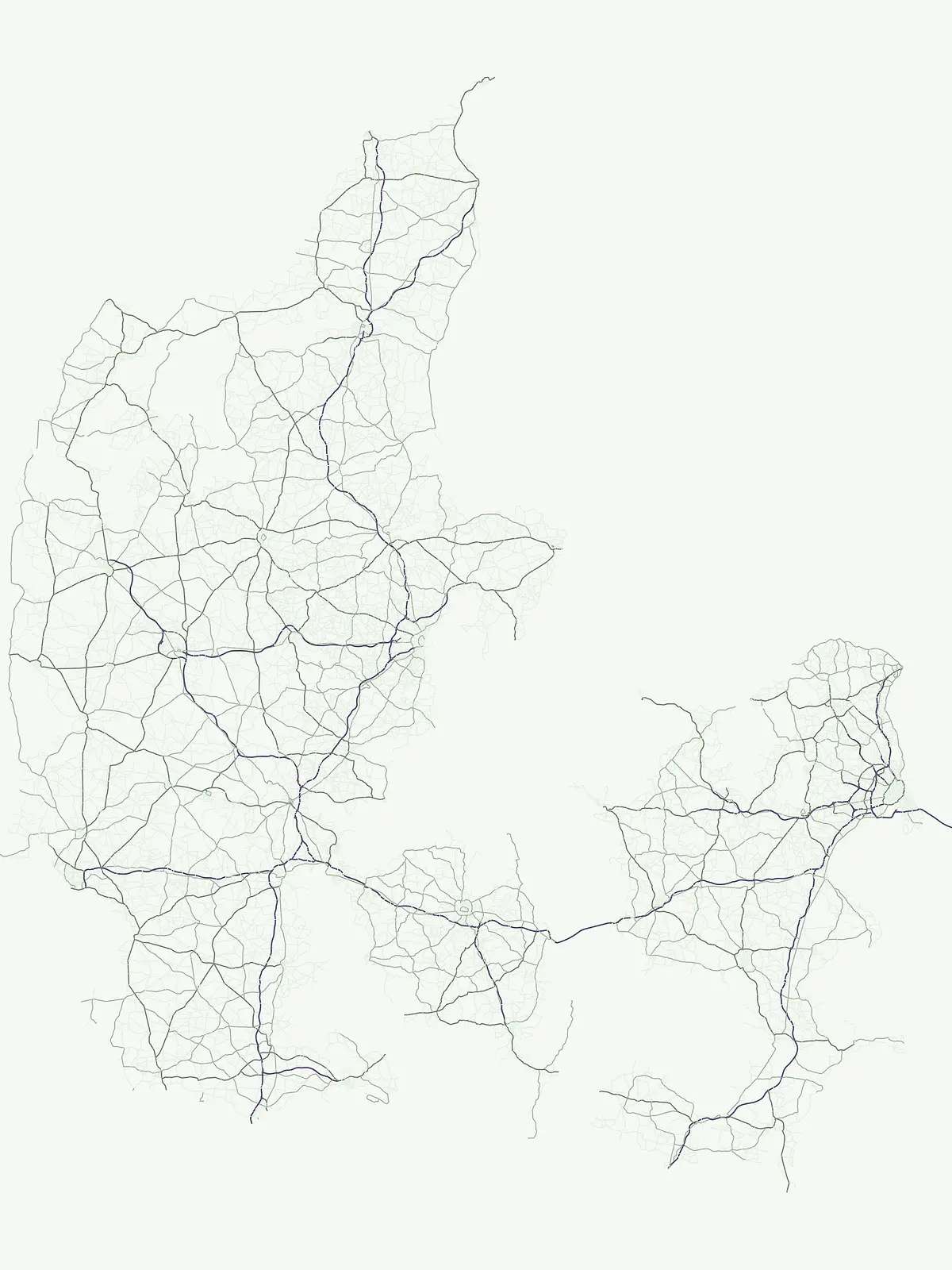
A comprehensive geographic atlas focusing on habitat preservation and regional biodiversity reserves.
Nature Reserves and Protected Conservation Areas Across the Landscapes of Denmark
This geographic collection documents the network of nature reserves in Denmark, prioritizing areas established for habitat protection and the conservation of sensitive ecosystems. The catalog maps these protected lands across the country, providing insights into the distribution of marshes, heathlands, and coastal environments. Each area serves as a critical node in the national protected-area system, maintained to ensure the integrity of Danish wilderness and natural heritage.
Explore mapped wildlife sanctuaries, wetlands, and fragile ecosystems across the Jutland peninsula and coastal islands.
Nature Reserve in Denmark: Protected Habitats and Conservation Areas
Nature reserves in Denmark safeguard sensitive habitats, rare species, and diverse ecosystems spanning coastal dunes, peatlands, and inland heathlands. These specialized conservation areas provide vital ecological protection across regional landscapes, maintaining natural biodiversity independent of heavy recreational development.
Nature Reserve Protected Areas in Denmark: Complete Park List
Browse dedicated nature reserves across Denmark, featuring specialized wetland habitats, coastal dunes, and protected heathlands. Compare individual conservation areas to analyze how ecological management spans diverse regional landscapes.
Nature reserveKalundborg KommuneMarine
Nekselø
Coastal geography and protected wetland terrain in Kalundborg Kommune
Nekselø represents a distinctive protected area in Denmark, where a unique microclimate creates favorable conditions for diverse, warmth-loving flora and fauna. As a managed nature reserve in Kalundborg Kommune, it offers a compelling study in island geography and small-scale, community-led conservation efforts within the international Ramsar and Natura 2000 protected frameworks.
Remote coastal nature reserve and marine habitat within the Danish Kattegat sea
Nordre Rønner represents a significant cluster of islets in the Kattegat, showcasing the interplay of post-glacial land rise and coastal ecology. Managed within Læsø Municipality, these eleven hectares of protected land include essential nesting grounds for terns and harbor seals. This resource outlines the physical geography, mapped island connections, and the status of this unique maritime nature reserve.
Protected freshwater wetlands and urban green corridors in Denmark
Brabrand Sø represents a rare, shallow freshwater lake and wetland complex located at the edge of the Aarhus urban fabric. This nature reserve, formed within a post-glacial tunnel valley, remains a cornerstone of the regional landscape through its integration of bird habitats, drinking-water protection, and open meadow terrain. The area offers a profound look at how peri-urban green infrastructure sustains both ecological health and geological character in the Aarhus Kommune region.
Geographic atlas of a protected Danish barrier island
Dybsø is a distinct barrier island situated off the coast of Zealand. Its protected landscape consists of open grasslands, coastal reed beds, and freshwater ponds that shelter the shallow waters of the fjord system. As a designated nature reserve, the area represents a critical wildlife refuge, maintained through traditional grazing to preserve its unique maritime terrain and geological history.
Explore pioneer plant habitats and coastal meadow geography
Amager Fælled functions as a 223-hectare nature reserve that borders the urban development of Copenhagen. The landscape offers a study in contrasts, featuring thin drought-prone soils, historical military and landfill substrates, and protected coastal meadow strips. This site remains a vital geographical reference for understanding urban-edge conservation and the long-term layering of human land use.
A vital protected landscape in Southern Jutland featuring untouched forest and raised bogs.
Draved Skov provides an unparalleled look into natural lowland forest dynamics in Denmark. Covering 250 hectares of varying glacial terrain, this nature reserve showcases a complex mosaic of oak, linden, and alder ecosystems integrated with the expansive Kongens Mose raised bog, offering an essential look at Northern European wetland and woodland geography.
A brackish lagoon basin shaped by historic land reclamation efforts.
Saltbæk Vig is a major coastal water body on the northwestern edge of Zealand, Denmark, defined by shallow waters and low-lying wetland terrain. This nature reserve serves as an important regional landmark, where historic drainage embankments now form unique boundaries that define the lagoon's ecological character and protected status.
A diverse Natura 2000 habitat mosaic in Northern Denmark
Åsted Ådal serves as a premier example of Danish glacial topography, offering a deep dive into the complex environmental transitions of a moraine-carved valley. The protected site highlights a rich botanical and avian assemblage, anchored by its unique stream corridor and steep slopes, providing a comprehensive view of regional landscape character.
Natura 2000-område nr. 4 Hirsholmene, havet vest herfor og Ellinge Å's udløb
A dual marine and coastal nature reserve in Region Nordjylland
Analyze the marine and coastal topography of this significant Natura 2000 site. The mapped region spans from the Kattegat bubble reefs to the freshwater influence of the Ellinge Å outlet, offering a clear perspective on the distribution of sandbanks, island groups, and terrestrial habitats that characterize this protected Danish geography.
A rare calcareous dune ecosystem in Region Nordjylland, Denmark.
Solsbæk is a designated nature reserve on the Vendsyssel coast, notable for its concentrated series of coastal dune habitats. Formed by lime-rich shell sand, the landscape sustains a diverse array of vegetation including grey and green dunes, juniper scrub, and dune heath. This compact site provides a vital reference for understanding the ecological structure and botanical variety of protected coastal lands in northern Denmark.
More designation routesExplore adjacent conservation categories and broader protected landscapes across Denmark5
Compare Denmark Designations: Other Protected Area Types and Park Families
Compare Denmark designations to see how national parks, protected areas, and wildlife reserves shape regional geography. Evaluating alternative conservation categories clarifies the broader protected area network across the country.
Regional map of protected natural sites across Denmark
Protected area
44%
Trace the geographic reach of Denmark through a curated collection of 37 protected areas and conservation sites. This resource offers a structured way to navigate regional landscape diversity, from coastal habitats and river valleys to expansive heathlands and vital wetlands located across the nation.
Regional geography, scenic stewardship, and landscape parks
Protected landscape
8%
Discover seven significant protected landscapes found throughout Denmark. This geographic index covers areas where conservation is tied to scenic character and the interaction between natural terrain and cultural land management. Explore the distribution of these regions within the Danish atlas.
Discover 4 nationally recognized parks and their landscapes.
National park
6%
This country-detail page provides an atlas-centric view of Denmark's national park system. Understand the geographic distribution, landscape characteristics, and protected area significance of these nationally recognized sites, facilitating focused exploration of Danish natural heritage.
Browse the protected natural monuments of Denmark through a specialized geographic lens. This selection emphasizes sites of geological or scenic significance, offering a focused view of the country's most unique and compact protected landscapes.
Browse the geographic details of wildlife reserves throughout Denmark. This record provides a structured look at protected habitats and conservation zones, helping you understand the placement and regional importance of these vital areas within the broader Danish geography.