Mori Atlas logo
Protection category

Mapped protected areas dedicated to targeted ecological intervention and species persistence.

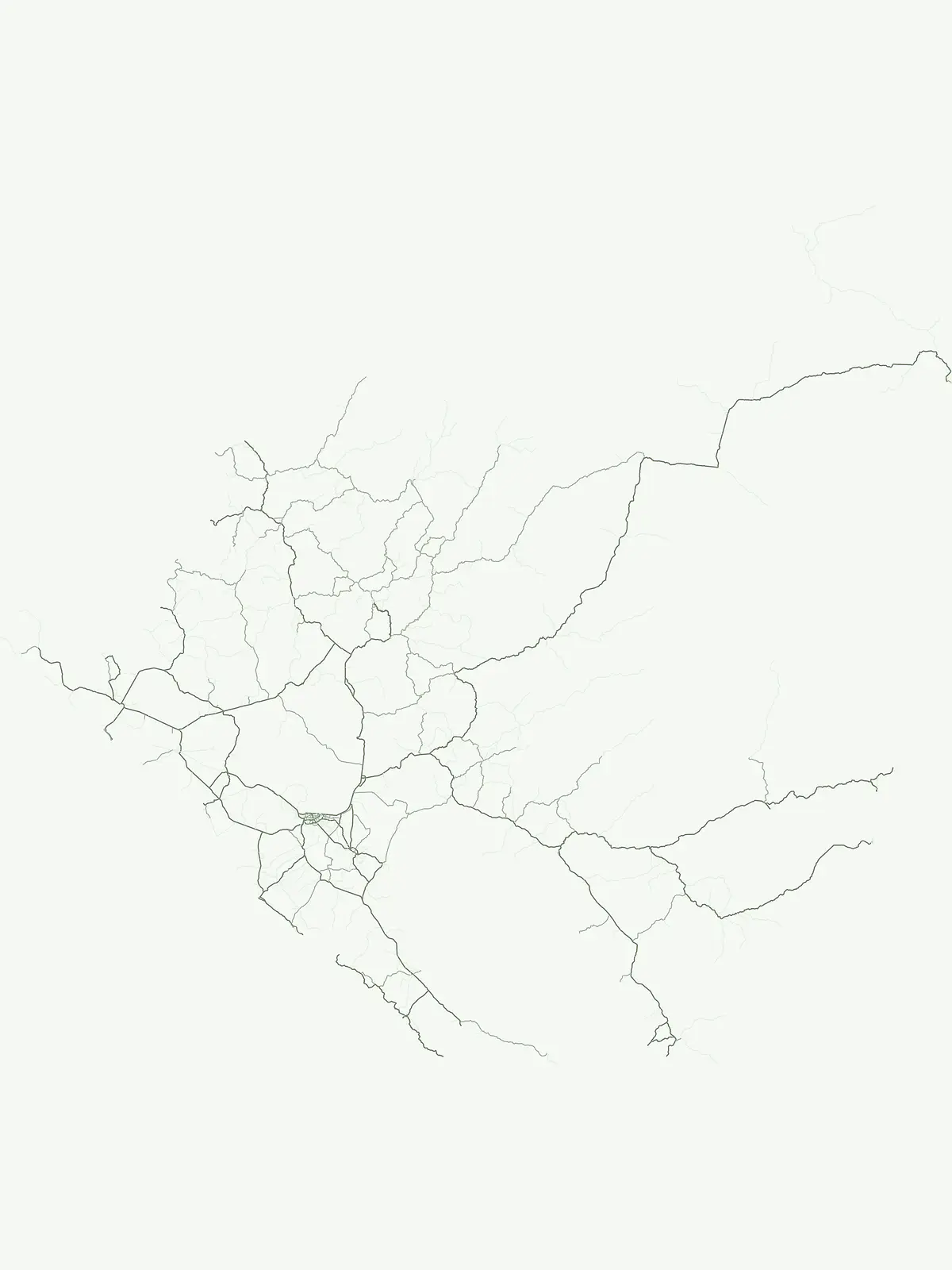
Nicaragua Habitat/Species Management Area Protected Lands and Conservation Geography

Nicaragua features several protected areas managed under the Habitat/Species Management Area framework, where the primary objective centers on active stewardship of specific ecological conditions. These sites require regular, adaptive conservation measures to maintain habitats, support migratory species, and protect vulnerable nesting sites. Gain insight into the regional geography and spatial distribution of these protected zones throughout Nicaragua, ranging from coastal wetland estuaries to specialized volcanic reserves.

Nicaragua Habitat/Species Management Area Protected Lands and Conservation Geography
Parks in this category

Explore conservation zones, coastal wetlands, and wildlife reserves across the country

Nicaragua Habitat/Species Management Area Parks and Protected Reserves

Browse protected areas in Nicaragua managed specifically for targeted habitat preservation and native species conservation. Compare regional reserves such as coastal estuaries, volcanic crater lakes, and forest ecosystems to understand national biodiversity networks.
Biosphere reserveJinotega Department

Bosawás Biosphere Reserve

Extensive primary forest and mountainous terrain in Nicaragua

Examine the geographic layout and protected boundaries of Bosawás Biosphere Reserve. Spanning nearly 20,000 square kilometers across Jinotega Department, this massive biosphere reserve includes the Saslaya massif and essential watersheds, serving as a critical study of tropical rainforest preservation and complex highland topography.

20,000 km²1997IVMajor water bodies
Nature reserveNicaragua

Laguna de Apoyo Nature Reserve

A study of volcanic lake hydrology and tropical dry forest terrain.

Laguna de Apoyo Nature Reserve is a prominent protected landscape in Nicaragua, centered on a deep crater lake of volcanic origin. This nature reserve protects a circular caldera filled by an endorheic lake, ringed by diverse tropical dry forest. The area serves as a significant site for understanding geological landforms and the specialized freshwater biodiversity found within its sheltered basin.

35 km²1991TropicalIV
Nature reserveChinandega DepartmentMarine

Estero Padre Ramos Natural Reserve

Mangrove forests and tidal landscapes of the Pacific coast

Gain insights into the geography and protected status of Estero Padre Ramos Natural Reserve. This coastal sanctuary in the Chinandega Department features pristine estuarine channels, mudflats, and rocky reefs that define the local terrain and support international marine turtle conservation efforts.

91.57 km²1983TropicalAccess unknown
Country pattern

Exploring Category IV protected areas, reserves, and managed wildlife habitats across Nicaragua

Nicaragua Habitat/Species Management Area Protected Zones and Conservation Geography

Category IV protected areas focus on active ecological management to maintain specific species populations and vital habitats. Conservation geography across Nicaragua applies targeted interventions to volcanic reserves, coastal wetlands, and forest ecosystems.

Matching parks

3

These parks and protected areas currently define how Habitat/Species Management Area appears across Nicaragua.

Category focus

A protected area managed mainly to protect particular species or habitats, often through targeted, regular, or adaptive conservation interventions.

Representative parks

Bosawás Biosphere ReserveLaguna de Apoyo Nature ReserveEstero Padre Ramos Natural Reserve
Management profile

Targeted habitat management

Habitat/Species Management Area

IUCN Category IV is built around focused ecological management. Rather than emphasizing wilderness, a singular monument, or broad public recreation, this category is used where the central task is to maintain, conserve, restore, or manage particular species, habitats, or ecological conditions. Many Category IV areas require active intervention, sometimes on an ongoing basis, because their conservation values depend on management actions such as water-level control, grazing regimes, fire management, invasive-species removal, nest-site protection, or habitat restoration. The category is especially important for places where biodiversity goals are precise, operational, and management-intensive.

Definition

A Habitat/Species Management Area is a protected area that aims to protect particular species or habitats and whose management reflects this priority. Many areas in this category require regular, active interventions to address the needs of particular species or to maintain specific habitats, although intensive intervention is not an absolute requirement in every case. The key point is that management is deliberately oriented toward identifiable conservation outcomes for habitats, ecological communities, or species assemblages rather than toward a broader wilderness or landscape experience.

Key characteristics

Category IV areas are often more specific in ecological focus than other protected-area categories. They may protect bird nesting islands, wetlands managed for migratory species, heathlands that depend on disturbance regimes, grasslands maintained by grazing, breeding ponds, coastal habitats, coral assemblages, forest patches, or recovery landscapes for threatened species. Some sites are relatively small and highly specialized, while others are larger and contain multiple management units. What defines them is not simply their size or beauty, but the fact that conservation success often depends on active and sometimes repeated management tailored to ecological needs. In many systems, Category IV is one of the most practical and operational categories for day-to-day biodiversity conservation.

Management focus

Management in Category IV areas is usually active, adaptive, and closely tied to measurable ecological targets. Managers may restore habitat structure, regulate hydrology, remove invasive species, manage vegetation through mowing or grazing, protect breeding locations, maintain early-successional habitat, or implement species recovery plans. Monitoring is often central, because the category tends to involve specific management outcomes that can be tracked over time. Visitor use may be allowed, but it is usually secondary to ecological objectives and may be restricted if it conflicts with species or habitat needs. The category is often associated with sites where conservation value depends not on leaving the area alone, but on stewarding it carefully and repeatedly in response to ecological evidence.

Protection purpose

The purpose of Category IV is to secure the long-term conservation of particular habitats, species, or ecological conditions through focused management that directly addresses their needs. It exists for situations where general protection alone is insufficient and where biodiversity outcomes depend on deliberate conservation action.

Management objective

Typical objectives include conserving threatened or characteristic species, maintaining or restoring priority habitats, supporting breeding, feeding, roosting, or migration functions, applying site-specific management interventions, controlling ecological threats such as invasive species or hydrological disruption, monitoring conservation outcomes, and adapting management over time to improve habitat condition and species persistence.

Global context

Wider background behind Habitat/Species Management Area

This reference block covers the broader history and global examples that define Habitat/Species Management Area as an IUCN management category, rather than the country-specific park pattern shown elsewhere on the page.

Category history

This category reflects an important shift in modern conservation: the recognition that some protected areas cannot achieve their goals through passive protection alone. As landscapes became fragmented and many habitats increasingly shaped by historical land use, conservation practice expanded to include management-intensive approaches aimed at keeping or restoring specific ecological conditions. The IUCN category system acknowledges this reality through Category IV, which gives a clear home to protected areas whose purpose is highly targeted habitat or species conservation. It has become especially relevant in regions where biodiversity depends on active stewardship rather than complete exclusion of human intervention.

Global examples

Examples often include bird sanctuaries, wetland reserves managed for migratory species, heathland and grassland reserves maintained by mowing or grazing, breeding habitat protection sites, and specialized conservation areas established for threatened plants, reptiles, mammals, or marine species. Depending on national systems, many wildlife refuges, habitat reserves, and species-focused nature reserves may align with Category IV where management clearly prioritizes targeted ecological outcomes.

More categories

Compare conservation designations and national park classifications across Nicaragua

Explore Other IUCN Protected Area Categories in Nicaragua

Navigate beyond Habitat and Species Management Areas to review all protected area categories represented across Nicaragua. Comparing different conservation classifications reveals the full scope of regional park management and national environmental designations.

IUCN category ii

National Park

A large natural or near-natural protected area managed to safeguard ecological processes, characteristic species, and ecosystems while also supporting education, recreation, and compatible visitor use.

Example parks

Masaya Volcano National Park, Zapatera Archipelago National Park

Explore the geographic spread and conservation efforts across Nicaragua's diverse natural landscapes.

Frequently Asked Questions About National Parks and Protected Areas in Nicaragua

Uncover essential information about the national parks and protected areas mapped across Nicaragua's Central American geography, including its Caribbean and Pacific coasts. These common questions offer a structured overview of park distribution, conservation landscapes, and key geographic contexts for exploring Nicaragua's natural heritage.
MoriAtlas Explorer

Continue Exploring Nicaragua's Protected Landscapes and Park Geography

Delve deeper into the mapped terrain and protected areas of Nicaragua by continuing your exploration of the country's diverse conservation landscapes. MoriAtlas offers a structured way to compare and understand the geographic context of each park, facilitating a richer appreciation of Nicaragua's natural heritage through detailed atlas data.