

Mori Atlas logo
National parkAlas Purwo National Park

Discover the mapped boundaries and natural terrain of this designated national park in Indonesia.

Alas Purwo National Park: East Java's Protected Landscape and Geographic Context

(Taman Nasional Alas Purwo)

Alas Purwo National Park represents a significant protected area within the Indonesian province of East Java. As a designated national park, it offers a distinct landscape for geographic discovery, allowing for detailed exploration of its mapped boundaries and natural terrain. This focus on protected lands provides a crucial element for understanding regional geography and the distribution of conservation areas within East Java.

National ParkEast JavaBanteng ConservationSurfing DestinationMangrove ForestSavanna Ecosystem

Alas Purwo National Park

National park

Park overview

Structured park overview, official facts, and landscape profile for Alas Purwo National Park

Alas Purwo National Park park facts, protected area profile, and essential visitor context
Review the core facts for Alas Purwo National Park, including designation, size, terrain, visitor scale, habitats, and operating context in one park-focused overview.

About Alas Purwo National Park

Alas Purwo National Park occupies a distinctive position at the far eastern edge of Java island, where the Blambangan Peninsula extends into the Bali Strait separating Java from Bali. This location has deep cultural significance in Javanese tradition, believed to be the place where land first appeared according to mythological accounts, giving the park its name meaning first or ancient forest. The park encompasses a remarkable diversity of ecosystems within its boundaries, ranging from coastal mangrove swamps along the southern shore to rolling savanna grasslands and dense lowland monsoon forest in the interior. The landscape is punctuated by Mount Linggamanis, a volcanic formation reaching 322 meters elevation that provides panoramic views across the park and toward the Bali Strait. Beyond its natural values, Alas Purwo holds spiritual significance for local communities, particularly Hindu practitioners who conduct the Pagerwesi ritual at Pura Luhur Giri Salaka within the park boundaries. The park's management operates under a zonation system that includes core protection zones, wilderness areas, rehabilitation zones, traditional use areas, and zones designated for spiritual and cultural practices.

Quick facts and research context for Alas Purwo National Park

Alas Purwo National Park spans roughly 434 square kilometers along the Blambangan Peninsula at Java's eastern tip. The terrain combines coastal mangroves with extensive savanna areas and lowland monsoon forest, interrupted by the volcanic peak of Mount Linggamanis rising to 322 meters. The park is home to endangered species including the banteng, a wild cattle species whose population in the Sadengan savanna has been carefully monitored. The coastal location provides habitat for four turtle species including olive ridley, hawksbill, green, and leatherback turtles. Annual rainfall averages 1000 to 1500 millimeters with temperatures ranging from 22 to 31 degrees Celsius.

Park context

Deeper park guide and search-rich context for Alas Purwo National Park

Alas Purwo National Park history, landscape, wildlife, and travel context
Explore Alas Purwo National Park through its history, landscape character, ecosystems, wildlife, conservation priorities, cultural context, and seasonal travel timing in a structured park guide built for atlas discovery and search intent.

Why Alas Purwo National Park stands out

Alas Purwo is renowned for two distinct attractions: its population of wild banteng cattle roaming the savanna grasslands, and the world-class surf break at Plengkung Beach in Grajagan Bay, internationally known as G-Land. The surf break produces rideable waves up to 5 meters during the March to November season, drawing experienced surfers from around the globe to what is considered one of Asia's premier surfing destinations. The banteng population in the Sadengan area represents one of the last remaining herds of this endangered species on Java, with conservation efforts focused on protecting these animals from poaching and habitat loss.

Alas Purwo National Park history and protected-area timeline

Alas Purwo National Park was officially established through the Indonesian Ministry of Forestry decision No. 283/Kpts-II/1992, dated February 26, 1992, with the area formally designated as a national park under Law No. 5 of 1990 concerning conservation of natural resources and their ecosystems. The park's establishment reflected growing recognition of the Blambangan Peninsula's ecological importance and the need to protect Java's remaining wilderness areas and endangered species populations. Prior to national park status, the area existed as a nature reserve with varying levels of protection. The establishment came during a period of increased environmental awareness in Indonesia and the expansion of the national park system to include unique ecosystems not represented in existing protected areas. Since designation, management has balanced conservation objectives with sustainable use and cultural preservation, recognizing the traditional relationships between local communities and the landscape.

Alas Purwo National Park landscape and geographic character

The physical geography of Alas Purwo features a coastal peninsula setting with elevation generally ranging from sea level to about 322 meters at Mount Linggamanis. The terrain varies from flat coastal areas to gently rolling hills, with topography becoming more pronounced toward the central highlands. The park's coastline stretches along the Bali Strait, featuring beaches backed by coral formations and mangrove areas where rivers meet the sea. The interior contains extensive savanna grasslands, particularly in the Sadengan area, where native grasses support the park's signature wildlife species. Lowland monsoon forest covers significant portions of the park, with bamboo forest comprising approximately 40 percent of the total forested area. Several short, generally shallow rivers including Segoro Anak and Sunglon Ombo flow through the park, while numerous springs emerge in areas around Mount Kunci, Mount Kuncur, Goa Basori, and Sendang Srengenge. The park's soils consist primarily of sandy clay with some clay loam substrates.

Alas Purwo National Park ecosystems, habitats, and plant life

The ecological character of Alas Purwo reflects Java's eastern climate regime with wet and dry seasons influencing vegetation patterns and wildlife behavior. The park contains multiple distinct habitat types that support remarkable biodiversity: mangrove ecosystems along tidal channels and coastal areas, savanna grasslands maintained by seasonal fire patterns and soil conditions, bamboo forest forming extensive pure stands, lowland monsoon forest with diverse tree species, and coastal beach and coral environments. Annual rainfall ranges from 1000 to 1500 millimeters, with the western portion of the park receiving more precipitation than the eastern areas. The dry season extends from April through October, with the wet season bringing rains from October through April. Temperature ranges from 22 to 31 degrees Celsius with humidity varying between 40 and 85 percent. Botanical surveys have documented at least 584 plant species including grasses, herbs, shrubs, lianas, and trees, with species such as Terminalia catappa, Calophyllum inophyllum, Sterculia foetida, Barringtonia asiatica, and Manilkara kauki among those specifically noted in park documentation.

Alas Purwo National Park wildlife and species highlights

Alas Purwo provides critical habitat for several endangered species, most notably the banteng Bos javanicus, a wild cattle species that survives in relatively few locations on Java. The Sadengan savanna supports the park's main banteng population, with counts showing approximately 57 individuals in 2004, rising to 73 by 2010 following conservation interventions. Beyond banteng, the park protects Javan langur, dhole wild dog, green peafowl, red junglefowl, and several turtle species including olive ridley, hawksbill, green, and leatherback turtles. The mammal fauna includes an estimated 45 species ranging from small species like the common palm civet and Java mouse deer to larger predators such as the Javan leopard. Over 250 bird species have been recorded including the rhinoceros hornbill, white-bellied sea eagle, and the endemic Javan green peafowl. The reptile and amphibian fauna includes approximately 70 species, with seven protected reptile species including the endangered reticulated python, estuary crocodile, and all four turtle species found in Indonesian waters.

Alas Purwo National Park conservation status and protection priorities

The park functions as a critical refuge for Java's endangered species and represents one of the last substantial protected areas of lowland forest and savanna on the island. Conservation priorities focus on protecting the banteng population, which faces threats from poaching and habitat encroachment, particularly during dry seasons when animals range beyond park boundaries in search of water. The park's management operates under a zonation system that balances strict protection of core areas with sustainable use and cultural practices. Under Indonesian Law No. 5 of 1990, Alas Purwo serves three primary functions: maintaining ecological processes that support life systems, preserving biodiversity of plants and animals along with their ecosystems, and enabling sustainable use of biological resources for research, education, and nature-based tourism. The designation as an IUCN Category II protected area reflects its national park status and the formal protection afforded to its ecosystems and species.

Alas Purwo National Park cultural meaning and human context

Alas Purwo holds deep significance in Javanese cultural and spiritual traditions that extend beyond its ecological values. The park's name itself reflects mythological origins, with local legend holding that this was the first place where land emerged from the ocean, making it a site of profound ancestral importance. Hindu communities conduct the Pagerwesi ceremony at Pura Luhur Giri Salaka, a temple within the park boundaries that draws worshippers during specific religious observances. The area is traditionally considered sacred, with practices including meditation, retreats, and spiritual cleansing still conducted at certain times of the lunar calendar, particularly during the first day of the Javanese year, full moons, and dark moons. Local communities around the park practice traditional Java culture, with most residents following Islamic traditions while maintaining connections to the spiritual landscape. The perception of Alas Purwo as a mystical location with supernatural inhabitants has shaped local relationships with the area for generations.

Top sights and standout views in Alas Purwo National Park

The combination of exceptional wildlife viewing opportunities and world-class surfing makes Alas Purwo distinctive among Indonesian national parks. The chance to observe wild banteng herds moving across the savanna at dawn and dusk represents a rare wildlife experience in Java, while the coastal location provides access to one of Asia's most celebrated surf breaks. The park's cultural layer adds another dimension through its sacred sites and ongoing traditional practices. The diversity of ecosystems from mangrove to monsoon forest creates varied landscapes within a single protected area, while the relatively low visitor numbers compared to other Indonesian parks offer a more remote and wilderness-oriented experience.

Best time to visit Alas Purwo National Park

The optimal visiting period for Alas Purwo depends on interests: the dry season from April through November coincides with the surf season at Grajagan Bay when waves are most consistent and suitable for experienced surfers. Wildlife viewing improves during the dry season as animals congregate around remaining water sources, making banteng more visible in the savanna areas. The wet season from October through April brings green landscapes and different wildlife activity patterns, though some coastal access may be affected by conditions. The transitional periods at the start and end of the dry season often offer favorable conditions for general exploration. The park can be visited year-round, though those seeking specific experiences should consider how seasonal patterns align with their interests.

Park location guide

Geography guide, regional context, and park location map for Alas Purwo National Park

Alas Purwo National Park park geography, regions, and map view in Indonesia
Understand where Alas Purwo National Park sits in Indonesia through a broader geographic reading of the surrounding landscape, nearby location context, and its mapped position within the national park landscape.

How Alas Purwo National Park fits into Indonesia

Indonesia is a vast archipelagic nation in Southeast Asia and Oceania, spanning over 17,000 islands between the Indian and Pacific Oceans. As the world's fourth-most populous country with 288 million people, it features extraordinary cultural and biological diversity, withJavanese and Sundanese being the largest ethnic groups. The country gained independence from the Netherlands in 1945 and operates as a unitary presidential republic.

Wider geography shaping Alas Purwo National Park in Indonesia

Indonesia is situated in Southeast Asia and Oceania, spanning the equatorial region between the Indian Ocean to the west and the Pacific Ocean to the east. The archipelago includes major islands such as Sumatra, Java, Sulawesi, and parts of Borneo and New Guinea. It borders Papua New Guinea, Timor-Leste, and Malaysia by land, with extensive maritime boundaries throughout the region.

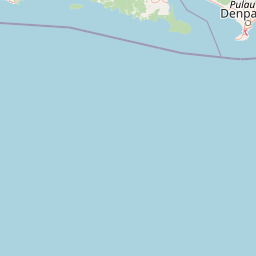
Map view of Alas Purwo National Park

Use this park location map to pinpoint Alas Purwo National Park in Indonesia, understand its exact geographic position, and read its mapped placement within the surrounding landscape more clearly.

Pigeon | © OpenStreetMap contributors

Location context for Alas Purwo National Park

East Java
Park atlas

Trace the geographic spread of protected areas and compare conservation landscapes across East Java, building on Alas Purwo National Park.

Compare Nearby National Parks and Protected Areas in Java, Beyond Alas Purwo National Park
Expand your exploration from Alas Purwo National Park to discover other protected areas and national parks within the broader Java region. Comparing these nearby conservation landscapes provides valuable geographic context and deepens your understanding of regional biodiversity and protected-area efforts.
National parkEast Java

Meru Betiri National Park: Mapped Protected Landscape in East Java

Discover the terrain and geography of this national park.

Meru Betiri National Park in East Java, Indonesia, offers a rich tapestry of mapped landscapes, from its distinctive sandy beaches and mangrove ecosystems along the southern coast to its interior volcanic highlands and tropical rainforests. This protected area is crucial for understanding the regional geography and the distribution of conservation lands across Java. Explore its topographic diversity and unique ecological settings that define this significant national park.

Area
580 km²
Established
1982
IUCN
II
Visitors
2.5K annual
National parkEast Java

Bromo Tengger Semeru National Park: East Java National Park and Protected Landscape Atlas

Mapped terrain and protected area boundaries in Indonesia's East Java

Delve into the protected geography of Bromo Tengger Semeru National Park, a designated national park situated in East Java. This resource offers detailed insights into the park's mapped boundaries and its role as a protected landscape within the dynamic region. Understand its place in the atlas of Indonesian natural areas and explore its unique terrain through structured geographic data.

Area
502.76 km²
Established
1982
IUCN
II
Visitors
61.7K annual
National parkEast Nusa Tenggara

Komodo National Park: National Park Protected Landscape Atlas Entry

Mapped boundaries and regional geography for this Indonesian protected area.

Delve into the atlas representation of Komodo National Park, an essential protected landscape within the East Nusa Tenggara region of Indonesia. This entry highlights the park's mapped boundaries and its distinctive geographic setting. Understand the park's role as a national park and its contribution to the structured exploration of protected areas and natural landscapes across the Lesser Sunda Islands.

Area
1,733 km²
Established
1980
IUCN
II
Visitors
45K annual
National parkEast Nusa Tenggara

Manupeu Tanah Daru National Park: National Park Protected Landscape and East Nusa Tenggara Geography

Discover its mapped boundaries and regional atlas context.

Delve into the protected landscape of Manupeu Tanah Daru National Park, a significant national park situated within East Nusa Tenggara. This dedicated page provides detailed geographic context, focusing on the park's mapped boundaries and its contribution to the regional natural landscape. Understand its identity as a protected area and explore its place within the broader atlas of global conservation lands, fostering a deeper appreciation for its distinct geographic characteristics.

Area
879.84 km²
Established
1998
IUCN
II
Relief
Lowland
National parkSumba

Laiwangi Wanggameti National Park: Protected Landscape and Geographic Atlas

Explore the mapped boundaries and regional context of this national park.

Laiwangi Wanggameti National Park serves as a vital protected area within Indonesia's Sumba region. This entry facilitates a deep dive into the park's specific geography, offering insights into its mapped protected boundaries and its contribution to the regional landscape. Users can engage with structured data to understand the park's unique natural identity and its place within a broader atlas of protected lands, focusing on geographic context and landscape characteristics.

Area
470.14 km²
Established
1998
IUCN
II
Scope
Terrestrial
National parkCentral Kalimantan

Sabangau National Park: Central Kalimantan's Mapped Protected Landscape

Discover protected area boundaries and regional geography.

Sabangau National Park stands as a notable protected area within the expansive Central Kalimantan region of Indonesia. This national park offers a focused point for exploring specific mapped boundaries and understanding its unique position within the broader geographic tapestry of Borneo. Users can investigate the park's landscape context and its identity as a distinct protected territory, contributing to a structured understanding of Indonesia's natural areas.

Area
5,687 km²
Established
2004
IUCN
II
Relief
Lowland
National parkSouth Sulawesi

Bantimurung-Bulusaraung National Park: National Park Protected Landscape Identity and Geographic Setting

Mapped boundaries and regional atlas context for this South Sulawesi park.

Bantimurung-Bulusaraung National Park is an important protected area in South Sulawesi, Indonesia, designated as a national park. This entry provides a focused look at its geographic scope, mapped outlines, and the characteristics that define it as a protected landscape. Understanding this park's specific terrain and regional setting is key to appreciating its role within the broader atlas of natural areas and conservation efforts.

Area
437 km²
Established
2004
IUCN
II
Visitors
600K annual
National parkEast Nusa Tenggara

Kelimutu National Park: Volcanic Terrain and Colored Crater Lakes in East Nusa Tenggara

Explore the mapped geography of this unique Indonesian national park.

Kelimutu National Park represents a remarkable protected landscape in East Nusa Tenggara, Indonesia, distinguished by its volcanic origins and the famed three colored lakes of Mount Kelimutu. This national park protects diverse montane forests and offers a unique insight into the region's geological wonders. Its geography features volcanic slopes and the iconic caldera, making it a significant point of interest for atlas-driven exploration of protected natural areas.

Area
50 km²
Established
1992
IUCN
II
Visitors
12.5K annual

Common questions about visiting, size, designation, and location context for Alas Purwo National Park

Alas Purwo National Park FAQs for park facts, access, geography, and protected area context
Find quick answers about Alas Purwo National Park, including protected-area facts, park geography, trail and visitor context, and how the park fits into its surrounding country and regional landscape.
MoriAtlas Explorer

Continue Your Protected Areas Search Across the Global Atlas

Deepen your exploration by continuing the structured search for national parks and protected areas worldwide. Utilize the comprehensive filtering capabilities to compare different conservation landscapes and refine your understanding of global park geography. Discover more about the distribution and characteristics of protected natural areas.

Global natural geography