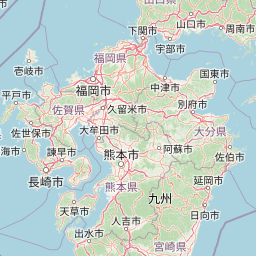
Why Aso-Kujū National Park stands out
Aso-Kujū National Park is best known for its extraordinary volcanic geology, centered on Mount Aso, which contains one of the world's largest calderas. The volcano's iconic crater and the surrounding volcanic landscape represent a globally significant example of caldera formation and ongoing volcanic activity. Beyond the geological wonders, the park protects the Kujū mountain range to the north, offering hiking trails through diverse ecosystems from volcanic plains to alpine zones. The combination of active volcanic scenery, natural hot springs, and mountain wilderness makes this park one of Japan's most distinctive protected landscapes.
Aso-Kujū National Park history and protected-area timeline
The volcanic landscape that became Aso-Kujū National Park has been shaped by dramatic geological events beginning approximately 270,000 years ago when major eruptions helped form the current caldera system. Long before modern protection, the area held deep spiritual significance in Japanese culture. Aso Shrine at the base of Mount Aso is a Shinto shrine traditionally believed to have been a center of worship predating the accession of Emperor Jinmu, with the shrine complex at Ichinomiya said to have been established in 281 BC. The shrine's original location is uncertain because it was repeatedly destroyed and rebuilt near the crater of Aso-san. Modern protection began on December 4, 1934, when the area was established as Aso National Park, making it one of Japan's earliest national parks. Significant expansions occurred on September 1, 1953, when Mount Yufu, Mount Tsurumi, and Mount Takasaki in Ōita Prefecture were designated as extensions. Mount Takasaki was later separated in 1956 to become part of Seto Inland Sea National Park. The Yamanami Highway, a scenic road through the park, opened in 1964 as the Toll Road Beppu Aso Road and became free to use in 1994 following the expiration of toll collection. On September 10, 1986, the name was officially changed from Aso National Park to Aso Kujū National Park to better reflect the combined territory encompassing both the Aso caldera and the Kujū mountains.
Aso-Kujū National Park landscape and geographic character
The landscape of Aso-Kujū National Park is dominated by volcanic terrain of exceptional scale and diversity. At its center lies the massive Mount Aso caldera, a depression roughly 24 by 18 kilometers in extent that ranks among the largest calderas in the world. Within this vast caldera sits the active Naka-dake crater, a continuously evolving volcanic vent that remains active and periodically emits gases and volcanic material. The inner crater walls expose layers of volcanic rock and ash that tell the geological history of repeated eruptions. Around the caldera rim, terrain rises to form jagged peaks and dramatic cliffs, with the surrounding landscape transitioning from the stark volcanic plains of the crater floor to forested slopes and eventually the higher peaks of the Kujū mountains to the north. The Kujū range adds mountainous character to the park, with peaks reaching elevations that support different ecological communities than those found in the volcanic lowlands. Within the park boundaries, visitors encounter a striking contrast between the raw mineral surfaces of recent volcanic activity and the green forests that have established on older lava flows and ash deposits. Stream systems have carved valleys through the volcanic terrain, creating additional topographic diversity and providing water for the surrounding agricultural lands.
Aso-Kujū National Park ecosystems, habitats, and plant life
The volcanic landscape of Aso-Kujū National Park supports a surprising diversity of habitats despite the dramatic geological character of the terrain. The park spans an elevation range that supports multiple vegetation zones, from warm-temperate broadleaf forests at lower elevations through cool-temperate mixed forests to subalpine vegetation on the highest peaks. The varied topography creates numerous microhabitats, with differences in aspect, elevation, soil development, and moisture creating conditions favorable for diverse plant communities. The older volcanic slopes and the Kujū mountain range support forested areas that provide habitat for numerous species. The interaction between volcanic soil fertility and the varied topography has created a mosaic of vegetation types across the park. Because the area has been a protected national park since 1934, the ecological systems have benefited from长期 protection that has allowed natural processes to continue with minimal direct human interference in core areas.
Aso-Kujū National Park wildlife and species highlights
The diverse habitats within Aso-Kujū National Park support a range of wildlife species adapted to the various ecological zones present in the park. The forested areas of the Kujū mountains and the older volcanic slopes provide habitat for mammals including various species of deer and smaller mammals that inhabit the forest understory and open areas. Birdlife is particularly notable in the park, with species ranging from forest-dwelling songbirds to birds of prey that soar on the thermal currents generated by the volcanic terrain. The open grasslands of the volcanic plains and caldera floor provide habitat for different species than those found in the forest zones, supporting bird species that prefer more open terrain. The park's protection status and long history as a national park have helped maintain wildlife populations and the ecological connections between different habitat types within the protected boundary.
Aso-Kujū National Park conservation status and protection priorities
Aso-Kujū National Park holds significant conservation value as one of Japan's oldest and most geologically important protected areas. The park protects an extraordinary volcanic landscape that represents a globally significant example of caldera formation and active volcanic processes. The protection of Mount Aso and its caldera system ensures that this remarkable geological feature remains intact for scientific study, environmental education, and natural heritage preservation. The establishment of the park in 1934 reflected early recognition of the need to protect Japan's most outstanding natural landscapes, and the subsequent expansion to include the Kujū mountains and extensions in Ōita Prefecture demonstrated growing understanding of the broader ecological and scenic values of the region. As an IUCN Category II protected area, the park is managed primarily for ecosystem protection and recreation while allowing sustainable use of certain areas. The long-standing protection has allowed natural processes to continue in much of the park while providing opportunities for people to experience and appreciate this remarkable volcanic landscape.
Aso-Kujū National Park cultural meaning and human context
Aso-Kujū National Park exists within a landscape of deep cultural significance that predates modern protection. The volcanic terrain of Mount Aso has been a site of spiritual importance in Japanese religious tradition for centuries. Aso Shrine, located at the base of the mountain, is traditionally considered one of the oldest centers of worship in Japan, with historical accounts suggesting establishment in 281 BC and connections to the legendary Emperor Jinmu. The shrine has been destroyed and rebuilt multiple times due to volcanic activity, reflecting the ongoing relationship between the local community and the active volcano. The surrounding agricultural landscape, particularly the rice paddies and vegetable farms of Kumamoto Prefecture that are irrigated by water from the Shirakawa River flowing from the park, represents centuries of human settlement and land use that has shaped the regional cultural identity. The park encompasses areas within multiple municipalities on Kyūshū, each with their own local traditions and connections to the land.
Top sights and standout views in Aso-Kujū National Park
The defining highlight of Aso-Kujū National Park is the extraordinary volcanic landscape centered on Mount Aso, whose massive caldera ranks among the world's largest and whose active Naka-dake crater provides ongoing demonstration of natural volcanic processes. The park offers visitors the rare opportunity to witness an active volcanic environment within a protected natural area, with viewpoints allowing observation of the crater and caldera landscape. The Kujū mountain range to the north provides contrasting mountain scenery and additional hiking opportunities through forests and alpine zones. Natural hot springs, particularly at Sujiyu Onsen, allow visitors to experience the geothermal activity that accompanies the volcanic setting. The network of hiking and biking trails throughout the park enables exploration of the diverse landscapes, while established campgrounds provide opportunities for longer stays. The Yamanami Highway offers a scenic driving route through the park with access to multiple areas of interest.
Best time to visit Aso-Kujū National Park
The best time to visit Aso-Kujū National Park depends on what visitors hope to experience, with each season offering distinct advantages. Spring and autumn generally provide the most comfortable conditions for outdoor activities, with moderate temperatures and colorful seasonal changes in the vegetation. Summer brings warmer weather but also the potential for the volcanic gases from Naka-dake to be more noticeable, particularly in the caldera area. Winter can bring snow to the higher elevations of the Kujū mountains while the lower volcanic areas remain accessible, offering a different perspective on the landscape. Visitors interested in seeing the active crater should be aware that volcanic activity can affect access to certain areas, and checking current conditions before visiting is advisable. The hot springs can be enjoyed year-round, providing an opportunity to experience the park's geothermal features regardless of the season.