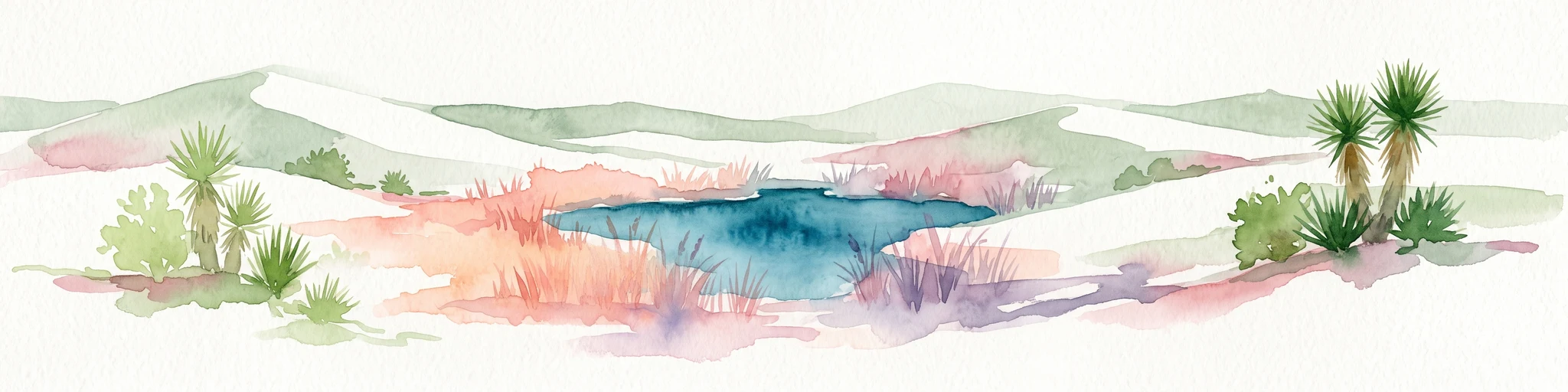
Why Big Bend National Park stands out
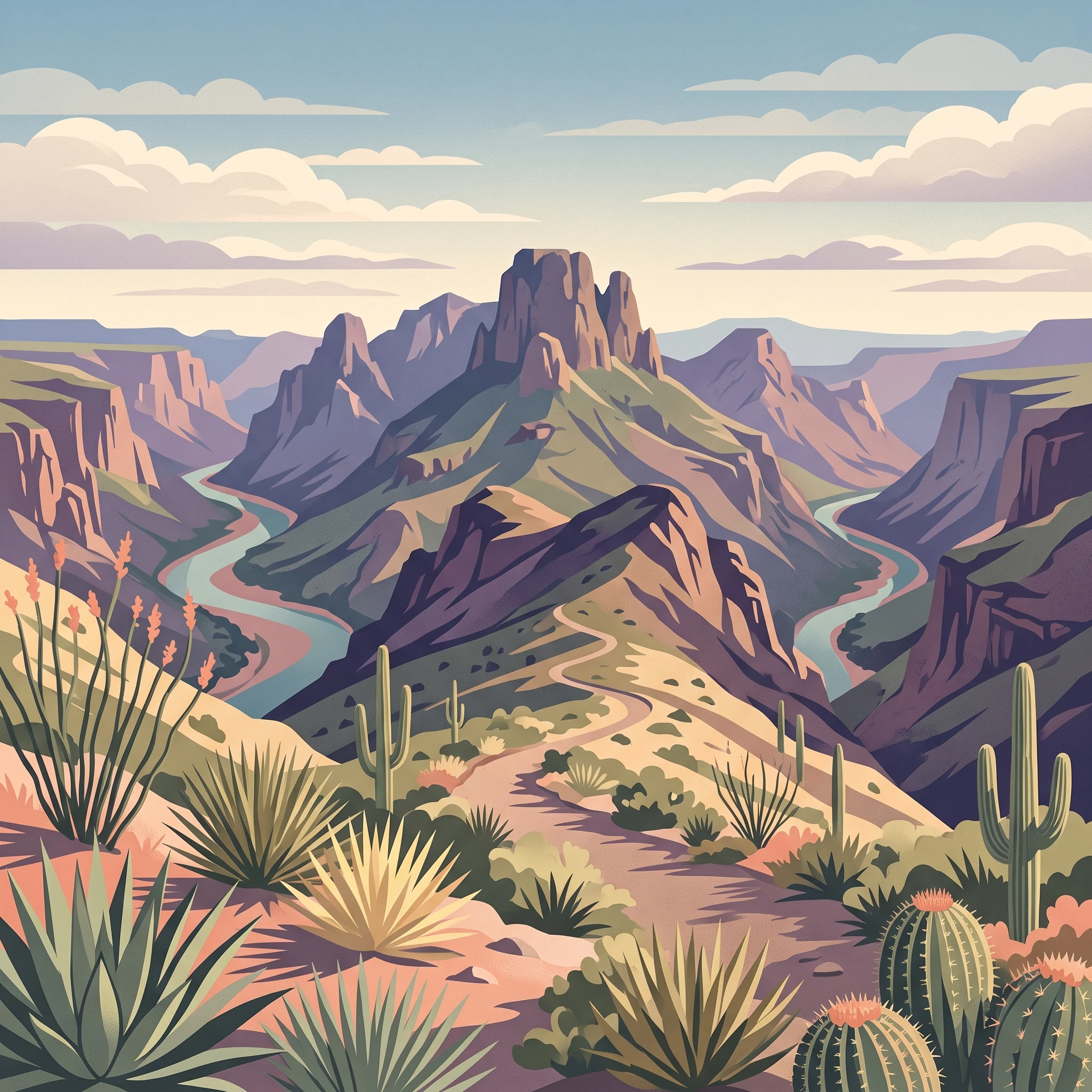
Big Bend National Park is best known for its extraordinary ecological diversity within a Chihuahuan Desert setting, where the dramatic contrast between desert and mountain environments creates one of North America's most distinctive protected landscapes. The park is famous for the Chisos Mountains, the only mountain range entirely contained within a U.S. national park, which function as sky islands supporting endemic species and habitats found nowhere else in the country. The deep canyons of the Rio Grande, including Santa Elena, Mariscal, and Boquillas canyons, showcase spectacular geological formations where the river has cut nearly vertical walls through limestone uplifts. The park is a renowned destination for birdwatchers, hosting the only U.S. breeding location for the Colima warbler and providing critical migratory corridor habitat for over 450 recorded bird species. The exceptional darkness of the night sky, recognized with Gold Tier Dark-Sky Park status, makes Big Bend a premier destination for stargazing and astronomical observation. The rich paleontological record preserved in the park's geological formations includes significant dinosaur fossils, marine reptiles from ancient seas that once covered the region, and the remains of the giant pterosaur Quetzalcoatlus.
Big Bend National Park history and protected-area timeline
The human history of Big Bend National Park spans nearly 10,000 years, beginning with prehistoric cultures that inhabited the region's desert canyons and river valleys. The Chisos Indians were a loosely organized group of nomadic hunters and gatherers who likely practiced limited seasonal agriculture in the area, while the Jumano traveled and traded throughout West Texas and southeastern New Mexico. In the early 18th century, the Mescalero Apaches invaded the region and displaced the Chisos, and the Comanches later used the area along the Comanche Trail for raids into the Mexican interior until the mid-19th century. European exploration began around 1535 with Spanish expeditions, including those of Álvar Núñez Cabeza de Vaca, and later Spanish colonists established presidios along the Rio Grande in the late 18th century to protect the northern frontier of New Spain. Following the Mexican-American War in 1848, the U.S. Army conducted military surveys of the region, and African American soldiers known as buffalo soldiers patrolled the area. Ranchers began settling in the Big Bend around 1880, and by 1900, sheep, goat, and cattle operations had occupied most of the region. Mining communities such as Boquillas and Terlingua developed in the late 19th and early 20th centuries around valuable mineral deposits. In the 1930s, conservation advocates recognized the area's unique value, leading to the establishment of Texas Canyons State Park in 1933, its redesignation as Big Bend State Park later that year, and ultimately the creation of Big Bend National Park on June 12, 1944, when the State of Texas deeded land to the federal government.
Big Bend National Park landscape and geographic character
The landscape of Big Bend National Park showcases remarkable geological diversity shaped by hundreds of millions of years of tectonic activity, erosion, and depositional processes. The park's terrain ranges from the semi-arid desert basins at elevations around 1,800 feet to the pine-oak forests of the Chisos Mountains at nearly 8,000 feet. The Chisos Mountains represent the park's most prominent geographical feature, a cluster of volcanic peaks that form sky islands surrounded by desert, creating unique ecological conditions with isolated populations of plants and animals. The Rio Grande has carved three spectacular canyons through the park: Santa Elena, Mariscal, and Boquillas, where nearly vertical limestone walls rise from the river. The geological record preserved in the park's formations includes ancient marine sediments from the Cretaceous period when an inland sea covered the region, volcanic rocks from Cenozoic volcanic activity, and evidence of the Marathon orogeny and Laramide orogeny that uplifted and deformed the landscape. The park exhibits dramatic contrasts in terrain, from the open desert scrublands and grasslands to the rocky canyons, volcanic dikes, and the fertile riparian zone along the Rio Grande that supports a belt of vegetation extending into the desert along creeks and arroyos.
Big Bend National Park ecosystems, habitats, and plant life
The ecological diversity of Big Bend National Park is extraordinary for a desert environment, largely due to the dramatic elevation range and the presence of the Chisos Mountains as ecological islands within the desert. The park protects the largest contiguous expanse of Chihuahuan Desert topography in the United States, characterized by desert shrubland, igneous and limestone grasslands, and riparian vegetation communities that follow the water courses through the otherwise arid landscape. The Chisos Mountains support montane woodland ecosystems with oak and maple species found nowhere else in the United States, including the endemic Chisos oak. The riparian zones along the Rio Grande and its tributaries contain some of the most biologically productive habitats in the park, supporting numerous plant and animal species that depend on the water and vegetation provided by these corridors. Throughout the open desert areas, the adaptability of desert vegetation, including over 60 cactus species, creates a landscape of surprising complexity and seasonal color when wildflowers bloom in spring. The diversity of habitats created by the combination of desert, mountain, and river environments makes Big Bend one of the most botanically rich protected areas in the Southwest.
Big Bend National Park wildlife and species highlights
Despite its harsh desert environment, Big Bend National Park supports an impressive diversity of wildlife, with more than 600 vertebrate species and approximately 3,600 insect species recorded within its boundaries. The park's location at the crossroads of multiple ecological regions and its variety of habitats from desert to mountain create conditions that support both desert-adapted species and species more typical of higher elevations. Mammals in the park include approximately 75 species, with cougars being particularly notable despite their secretive nature, as around 150 sightings are reported annually though only two dozen individuals are believed to reside in the park. Mexican black bears inhabit the mountain areas, while other species include coyotes, gray foxes, collared peccaries known as javelinas, and black-tailed jackrabbits. The park is a birdwatching destination of national significance, hosting more than 450 recorded species including the Colima warbler, which breeds only in the Chisos Mountains and represents the only U.S. population of this species. The riparian areas and desert springs support diverse communities of smaller animals, and the park's nocturnal character becomes evident as many desert animals remain hidden during the intense heat of the day and become active at night.
Big Bend National Park conservation status and protection priorities
Big Bend National Park represents the most significant protected area for Chihuahuan Desert ecology in the United States, preserving a landscape of exceptional conservation value across multiple ecological zones. The park's designation as an International Dark-Sky Park with Gold Tier status by the International Dark-Sky Association highlights its exceptional dark sky resources, which are among the finest in the contiguous United States and support astronomical observation and nocturnal wildlife communities. The Chisos Mountains harbor endemic species including the Chisos oak, found nowhere else in the United States, making the park critical for conservation of these unique genetic resources. The riparian corridors along the Rio Grande provide vital habitat for migratory species and support biodiversity that would not exist in the desert environment without these water-derived ecosystems. The park's international boundary with protected areas in Mexico, including the Cañón de Santa Elena Flora and Fauna Protection Area and Maderas del Carmen, creates opportunities for transboundary conservation cooperation that helps protect species that move across the international border. The protection of the park's archaeological sites spanning nearly 10,000 years of human occupation also preserves irreplaceable cultural heritage resources.
Big Bend National Park cultural meaning and human context
The cultural landscape of Big Bend National Park reflects nearly 10,000 years of continuous human habitation and use, from prehistoric Paleo-Indian groups through historic periods of Native American occupation, Spanish exploration and colonization, and later Anglo-American settlement. The prehistoric archaeological record reveals an Archaic-period desert culture whose inhabitants developed a nomadic hunting-and-gathering lifestyle that remained largely unchanged for thousands of years, leaving behind evidence of campsites and shelters throughout the park. Historic Native American groups including the Chisos, Mescalero Apaches, and Comanches used the region for hunting, trading, and periodic raids, with the Comanche Trail passing through the park. Spanish colonial presence began around 1535 with exploratory expeditions and later established presidios along the Rio Grande in the late 18th century to protect the northern frontier of New Spain. The historic period saw the development of ranching operations starting around 1880 and mining communities such as Boquillas and Terlingua that supported the regional economy. The Hot Springs Historic District preserves evidence of early tourism development in the area, with the hot springs serving as the first major tourist attraction before the national park was established in 1944.
Top sights and standout views in Big Bend National Park
Big Bend National Park offers visitors an extraordinary combination of geological wonders, ecological diversity, and cultural heritage that distinguishes it among American national parks. The Chisos Mountains provide a unique mountain experience within the desert, with hiking trails like the South Rim trail circling through high canyons and the Window trail descending to dramatic views of the desert below. The Rio Grande canyons, particularly Santa Elena Canyon with its nearly vertical limestone walls, represent some of the most spectacular river gorge landscapes in the Southwest. The exceptional dark sky resources, recognized with Gold Tier designation, make the park a premier destination for stargazing, with thousands of stars, planets, and the Milky Way visible on clear nights. The paleontological significance of the park, with fossils ranging from marine reptiles and dinosaurs to the giant Quetzalcoatlus pterosaur, provides visitors with connections to ancient ecosystems that once covered the region. The Chisos Basin area serves as the park's central developed area, while scenic drives like the Ross Maxwell Scenic Drive provide access to some of the most picturesque landscapes in the park.
Best time to visit Big Bend National Park
The optimal time to visit Big Bend National Park depends on visitor preferences and tolerance for desert conditions, with each season offering distinct advantages and challenges. Spring, particularly March through May, brings comfortable temperatures and spectacular wildflower blooms, including the iconic bluebonnets that color the desert and the bright display of yucca, ocotillo, and desert marigold. Fall, from September through November, offers similarly mild temperatures as summer extremes moderate, making it ideal for hiking and backcountry exploration. Summer temperatures at lower elevations frequently exceed 100 degrees Fahrenheit, though the higher elevations of the Chisos Mountains remain significantly cooler and provide a respite from the desert heat. Winter months generally bring mild daytime temperatures though occasional cold fronts can bring subfreezing conditions, particularly at higher elevations, and the park experiences its lowest visitation during this season. The summer months of July and August typically receive the most rainfall, which can create flash flood conditions in desert washes, while the rest of the year tends to be quite dry. Visitors interested in wildlife viewing may find different species more active during different seasons, while those interested in stargazing will find exceptional conditions year-round, though summer months offer the added opportunity to view the Milky Way core.