Why Sierra de Órganos National Park stands out
Sierra de Órganos is best known for its extraordinary rock formations, which are the park's defining visual landmark and the source of its name. These towering, nearly vertical columns and cliff faces were formed through volcanic activity and subsequent erosion over thousands of years, creating a landscape that evokes the appearance of organ pipe cacti or the pipes of a pipe organ. The park is also notable for its ecological significance as a refuge for endemic and threatened species in the Sierra Madre Occidental, particularly the cacomixtle (a small procyonid mammal) and the kit fox, both of which face conservation challenges in the region. Additionally, the park's dramatic desert mountain scenery has made it a favored filming location for Western movies since the 1950s.
Sierra de Órganos National Park history and protected-area timeline
Sierra de Órganos National Park was established through federal decree on November 27, 2000, creating formal protection for this distinctive mountain landscape in Zacatecas. The park is administered by Mexico's Secretariat of Environment and Natural Resources (Secretaría de Medio Ambiente y Recursos Naturales), which oversees management and conservation activities within the protected area. The establishment of the park came during a period of growing recognition in Mexico of the need to preserve unique geological formations and the biodiversity they support. Prior to formal protection, the area had been subject to increasing recreational use and some environmental pressures from nearby agricultural and ranching activities. The park's designation as a national park reflected both its outstanding natural value and its potential for sustainable recreation and environmental education. Beyond its recent protected status, the area has a longer history of human presence and use, with the landscape serving as a filming location for Mexican and American filmmakers beginning in the 1950s, when the dramatic rock formations began attracting producers of Western films.
Sierra de Órganos National Park landscape and geographic character
The landscape of Sierra de Órganos National Park is defined by its dramatic topography and striking rock formations that dominate the visual character of the area. The terrain is characterized by uneven, mountainous relief with ridges and steep peaks forming small plateaus, from which nearly vertical cliff faces descend into small valleys. These geological formations create a visually spectacular environment where towering columns and rock walls rise abruptly from the surrounding landscape. The elevation range of approximately 440 meters between the lowest and highest points in the park contributes to the dramatic topographic variation. The underlying geology consists of volcanic rocks that have been sculpted by erosion into the distinctive formations visible today. The semi-arid environment produces a landscape where vegetation is adapted to dry conditions, yet the higher elevations support more lush pine-oak forest. Small valleys scattered throughout the mountainous terrain provide scenic viewpoints from which visitors can appreciate the scale and beauty of the rock formations. The absence of significant rivers in the area means the landscape relies on precipitation and groundwater, contributing to the xeric character of the lower elevations.
Sierra de Órganos National Park ecosystems, habitats, and plant life
The ecological character of Sierra de Órganos reflects its position within the Sierra Madre Occidental, where the park preserves important examples of mountain forest and desert scrub habitats. In the higher elevations, the park supports mixed pine-oak forests dominated by species such as Pinus cembroides (Mexican stone pine) and encino (Quercus magnoliifolia), creating closed canopy woodlands that provide habitat for forest-dwelling species. At lower elevations, the vegetation transitions to xerophilous scrub and arid grassland, with species adapted to semi-arid conditions including palms, various cacti such as biznaga, and drought-resistant shrubs like maguey, sotol, and jarilla. This altitudinal gradient in vegetation creates a mosaic of habitats within the relatively compact area of the park. The biodiversity survey documented by Mexico's National Commission for the Knowledge and Use of Biodiversity records more than 240 plant and animal species within the park, with eight species listed in some category of risk under Mexican environmental regulations. The park's position within the Sierra Madre Occidental makes it an important ecological corridor and refuge for species associated with this major mountain system.
Sierra de Órganos National Park wildlife and species highlights
The wildlife of Sierra de Órganos National Park represents the faunal diversity of the Sierra Madre Occidental region, with both common species and several endemic or threatened forms. Mammals inhabiting the park include typical desert and mountain species such as coyotes, gray foxes, cougars, bobcats, raccoons, and white-tailed deer, along with smaller mammals like hares, opossums, badgers, and collared peccaries. The park is particularly notable for supporting two endemic and threatened species: the cacomixtle (Bassariscus), a small procyonid related to raccoons, and the kit fox (Vulpes macrotis), both of which face conservation pressures in the region. Birdlife is diverse, with mourning doves, white-winged doves, scaled quail, and the common calandria (a mockingbird relative) among the commonly observed species. Birds of prey are well represented, with peregrine falcons and golden eagles nesting and hunting in the area. The diverse avifauna includes the Mexican jay and the pyrrhuloxia (siscaper cardinal), adding color to the bird communities. Reptiles, including the black-tailed rattlesnake, are present in the rocky habitats. While the park supports this biodiversity, external threats from nearby human settlements engaged in agriculture and livestock ranching, as well as sand mining operations, place pressure on wildlife populations and habitat integrity.
Sierra de Órganos National Park conservation status and protection priorities
Sierra de Órganos National Park represents an important conservation designation within the Sierra Madre Occidental, protecting both geological and biological values. The park's inclusion as a component of the Camino Real de Tierra Adentro UNESCO World Heritage Site in 2010 reflects international recognition of its outstanding universal value, though the World Heritage designation primarily reflects the historical cultural route rather than the park's natural features alone. As an IUCN Category II protected area (national park), the park aims to protect ecological processes and genetic resources while allowing for compatible human use. The biodiversity present within the park faces notable conservation challenges, with documented threats including proximity to agricultural and livestock operations that have caused ecosystem deterioration in some areas, as well as sand mining exploitation. Of the more than 240 species documented in the park, eight are listed in risk categories under Mexico's official species protection list (NOM-059). The presence of endemic and threatened species such as the cacomixtle and kit fox underscores the conservation importance of this semi-arid mountain habitat. Maintaining the ecological integrity of Sierra de Órganos requires addressing external pressures while managing the park for sustainable visitation and environmental education.
Sierra de Órganos National Park cultural meaning and human context
Sierra de Órganos holds cultural significance beyond its geological and ecological value, most notably as a dramatic backdrop for film production. Beginning in the 1950s, the park's striking rock formations attracted filmmakers producing Western movies, with both American and Mexican directors utilizing the landscape for its authentic rugged appearance. Over the decades, the park has served as filming location for numerous Western films, including productions starring prominent actors such as John Wayne, Kirk Douglas, Anthony Quinn, María Félix, and Pedro Armendáriz. This film history has embedded the park in popular culture and created a distinctive association between Sierra de Órganos and the visual language of the Western genre. The area's proximity to the historic Camino Real de Tierra Adentro, the World Heritage-listed trade route that connected Mexico City to the northern frontier, provides additional historical context. While the park does not encompass significant archaeological sites, its landscape forms part of the broader cultural and historical tapestry of north-central Mexico.
Top sights and standout views in Sierra de Órganos National Park
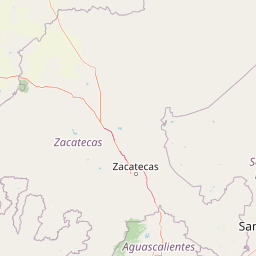
The most compelling highlight of Sierra de Órganos is its extraordinary rock formation landscape, where volcanic-derived columns and cliffs rise dramatically from the mountain terrain in formations that inspired the park's organ pipe-inspired name. Visitors can hike through the terrain and view these geological wonders from multiple angles, with small valleys offering particularly striking perspectives. The park's ecological diversity, transitioning from pine-oak forest to xerophilous scrub across its elevation range, supports a rich community of wildlife including the endemic and threatened cacomixtle and kit fox. The opportunity to observe birds of prey such as peregrine falcons and golden eagles adds to the nature-focused appeal. The park's role as a filming location for classic Western movies has created a unique cultural heritage dimension, with the landscape recognizable to film enthusiasts. The relative accessibility from Sombrerete along Highway 45, with a 10-kilometer access road from the highway, makes this geological wonder achievable for visitors interested in exploring one of Zacatecas's distinctive natural landmarks.
Best time to visit Sierra de Órganos National Park
The best time to visit Sierra de Órganos National Park depends on visitor preferences and tolerance for temperature extremes. The semi-arid climate means that spring and fall generally offer the most comfortable conditions for outdoor activities, with moderate daytime temperatures and cooler nights. Winter months can bring colder temperatures, particularly at night, but the drier conditions can make the rock formations more striking against clear skies. Summer months may see some precipitation and can experience higher daytime temperatures, though the higher elevation provides some moderation compared to lower desert areas. Visitors interested in wildlife observation may find different species active during different seasons, while those focused on photography may prefer times of year with favorable light and less atmospheric haze. The park's popularity as a filming location has declined from its peak decades ago, but the dramatic landscape remains compelling year-round for visitors prepared for the semi-arid mountain conditions.