Why Barranca del Cupatitzio National Park stands out
The park is best known for its extraordinary concentration of springs and waterfalls that cascade down the ravine of the Cupatitzio River. Notable waterfalls include Tzararácua, La Camelina, La Yerbabuena, and El Golgota, while artificially enhanced fountains such as La Copa de Oro, Cutzi-La Luna, Arcoiris, Velo de Novia, and Janintzizic create a distinctive water feature landscape. The park contains both the recreational Área de Río within Uruapan and the larger, less-accessible Área de Montaña covered in dense highland forest. The Eduardo Ruiz commemorative name honors a local writer and historian who contributed to preserving regional legends.
Barranca del Cupatitzio National Park history and protected-area timeline
The park was established on November 2, 1938, when the Mexican government purchased the private property known as Quinta Hurtado from the Hurtado family to create a recreational area for the region. The land was officially designated a national park to preserve its natural springs and forested slopes while providing public access to one of the most scenic locations in western Michoacán. The park bears the name Eduardo Ruiz in honor of a local writer, historian, and journalist who dedicated himself to compiling regional legends and who originally donated the land for protection. In 2007, the official management program was published, providing the regulatory framework for the park's administration and operation. The former hacienda house at the northern entrance has been converted into the Hotel Mansion de Cupatitzio, serving as a historical landmark within the park boundaries.
Barranca del Cupatitzio National Park landscape and geographic character
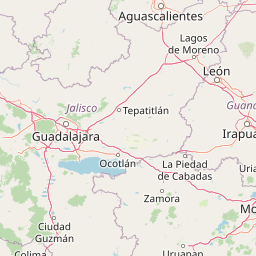
The park occupies a ravine system formed where the Cupatitzio River emerges from underground springs at the base of mountainous terrain in the Sierra Madre del Sur. The landscape features steep-sided ravine walls where water naturally cascades downward, creating multiple small waterfalls. The terrain transitions from the urban recreational zone with gentle slopes and developed pathways to the mountainous conservation area with more rugged topography and dense forest cover. The volcanic origin of the region contributes to the hydrological characteristics that sustain the park's numerous springs and water features.
Barranca del Cupatitzio National Park ecosystems, habitats, and plant life
The park sits within a transitional ecological zone between the Nearctic and Neotropical regions, giving it a mix of temperate and tropical biodiversity. The vegetation includes broad-leafed species typical of both climate types, with pine and oak forest dominating the higher elevations. The park supports over 400 species of plants and animals, with notable concentrations of endemic species due to the region's geographic isolation. The Área de Montaña contains the majority of the park's biodiversity, with conservation areas supporting species that require more intact forest habitat. The hydrological system with its clean, free-flowing water supports specialized aquatic and riparian species throughout the park.
Barranca del Cupatitzio National Park wildlife and species highlights
The park hosts significant wildlife diversity despite its relatively small size and urban proximity. Fifty-seven species of mammals have been recorded within the park boundaries, representing 36 percent of Michoacán's mammal species. Notable species include the ocelote, a endangered cat documented by camera traps in the mountainous zone, along with several endemic rodents and bats. The bird community includes 134 recorded species, representing over 25 percent of Michoacán's avifauna, with 14 species endemic to Mexico including the long-tailed forest quail and several endemic hummingbirds, woodpeckers, and wrens. Reptile diversity includes 17 species, while five amphibian species have been documented. Many species are protected under Mexico's NOM-059 conservation listing, including several species categorized as endangered or threatened.
Barranca del Cupatitzio National Park conservation status and protection priorities
The park serves as a critical conservation island within an increasingly urbanized landscape, protecting the headwaters of a major river system and the associated biodiversity. The management program addresses challenges typical of protected areas adjacent to cities, including invasive species, habitat modification, and visitor pressure on sensitive areas. Conservation priorities focus on the Área de Montaña, which contains the majority of native species and intact habitat. The park also provides important ecosystem services including water capture, climate regulation, carbon storage, and oxygen production for the surrounding region. Several species of conservation concern, including the ocelote and the endemic Michoacán pocket gopher, rely on the protected habitat within the park's boundaries.
Barranca del Cupatitzio National Park cultural meaning and human context
The park's name derives from the Purépecha language, the indigenous language of the region, reflecting the deep connection between the landscape and local heritage. The name Cupatitzio translates to river that sings, a reference to the perpetual sound of flowing water from the many springs and waterfalls. A significant local legend centers on La Rodilla del Diablo, the spring pool at the river's origin, which according to tradition was created when the Devil fell to his knees while fleeing from Juan de San Miguel, the Franciscan friar traditionally credited with founding modern Uruapan. The park also contains a deteriorating mural named Eréndira by local artist Manuel Pérez Coronado, representing the region's cultural heritage.
Top sights and standout views in Barranca del Cupatitzio National Park
The park's defining characteristic is its concentration of water features, including natural cascades like Tzararácua and La Camelina alongside constructed fountains that utilize natural spring flows. The origin of the Cupatitzio River at La Rodilla del Diablo offers both natural and cultural significance through the associated legend. The dual-zone structure provides accessible recreation near the urban core while preserving extensive forest habitat in the mountainous zone. The presence of the Eduardo Ruiz commemorative name connects the natural landscape to regional literary heritage.
Best time to visit Barranca del Cupatitzio National Park
The park can be visited year-round due to its consistent temperate climate with average temperatures between 18 and 20 degrees Celsius. The rainy season from June to September brings higher water volumes to the waterfalls and springs, though afternoon rains may affect visitor comfort. The dry season from December through May offers more predictable conditions for outdoor exploration. The park's popularity means that weekdays and early mornings typically provide a more peaceful experience compared to weekends when local visitors congregate in greater numbers.