
Mori Atlas logo
National parkLagunas de Zempoala National Park

Discover the mapped boundaries and natural terrain within this key national park in the State of Mexico.

Lagunas de Zempoala National Park: Protected Landscape and Regional Geography Atlas

(Parque Nacional Lagunas de Zempoala)

Lagunas de Zempoala National Park stands as a significant protected area within the State of Mexico, offering a unique focus for geographic exploration and atlas-based discovery. This national park entity provides critical context for understanding its protected landscape, mapped boundaries, and its place within the regional terrain. Engage with the park's specific geographic identity and explore its natural context as part of a structured approach to landscape discovery.

Lagoons and WetlandsHigh-Altitude Protected AreaPine and Fir ForestsTrans-Mexican Volcanic BeltIUCN Category IIOldest Mexican National Parks

Lagunas de Zempoala National Park

National park

Park overview

Structured park overview, official facts, and landscape profile for Lagunas de Zempoala National Park

Lagunas de Zempoala National Park park facts, protected area profile, and essential visitor context
Review the core facts for Lagunas de Zempoala National Park, including designation, size, terrain, visitor scale, habitats, and operating context in one park-focused overview.

About Lagunas de Zempoala National Park

Lagunas de Zempoala National Park protects a remarkable complex of volcanic lagoons in the heart of central Mexico's mountainous landscape. The park's seven water bodies occupy closed basins formed in ancient volcanic craters and valleys, creating a mosaic of permanent and seasonal wetlands at an altitude that makes this ecosystem unique in the region. The area lies within the Chichinautzin biological corridor, a zone that connects various protected areas and serves as a vital migration route and habitat for numerous species. The lagoons are replenished both by rainfall and by rivers descending from the Ajusco volcano and surrounding peaks, ensuring a reliable water supply for the three permanent lakes while the four seasonal basins fill during the rainy season. The park's location, relatively close to both Mexico City and Cuernavaca, makes it a significant recreation area where visitors can enjoy hiking trails around the lakes, camping facilities, and panoramic viewpoints. The combination of stunning mountain scenery, unique wetland habitats, and accessible natural beauty has made this park a treasured destination for generations of Mexican nature enthusiasts.

Quick facts and research context for Lagunas de Zempoala National Park

Lagunas de Zempoala National Park covers approximately 4,790 hectares and contains seven lagoons, of which three (Zempoala, Tonatihua, and Prieta) maintain water year-round while the remaining four are seasonal. The park sits at an elevation of about 2,900 meters in the central portion of the Trans-Mexican Volcanic Belt, with its highest point at Cerro Zempoala reaching 3,680 meters. The surrounding landscape features pine, fir, and oak forests typical of high-elevation central Mexican environments. The area experiences a cold subhumid climate with summer rains, receiving approximately 1,040 millimeters of annual precipitation. The park is administered by Mexico's Secretariat of the Environment and Natural Resources and holds IUCN category II protected area status.

Park context

Deeper park guide and search-rich context for Lagunas de Zempoala National Park

Lagunas de Zempoala National Park history, landscape, wildlife, and travel context
Explore Lagunas de Zempoala National Park through its history, landscape character, ecosystems, wildlife, conservation priorities, cultural context, and seasonal travel timing in a structured park guide built for atlas discovery and search intent.

Why Lagunas de Zempoala National Park stands out

Lagunas de Zempoala is best known for its chain of seven high-altitude lagoons nestled in volcanic terrain, representing one of the most important wetland systems in central Mexico. The park protects critical habitat within the Chichinautzin biological corridor and harbors over 1,150 species of plants and animals, with 76 species listed under Mexico's endangered species regulations. The permanent lagoons, fed by rain and mountain streams from the Ajusco area, support diverse aquatic ecosystems including populations of trout and the iconic axolotl. The surrounding conifer forests, particularly the fir-dominated cloud forest zones, represent rare remaining tracts of well-preserved high-elevation vegetation in the region.

Lagunas de Zempoala National Park history and protected-area timeline

Lagunas de Zempoala received national park designation on November 27, 1936, through a decree issued by President Lázaro Cárdenas, making it one of the earliest protected areas established in Mexico's modern park system. The original decree established the park boundaries to protect the lagoons and surrounding forest, recognizing the ecological and scenic importance of this high-altitude watershed. In May 1947, the park's territory was modified through a subsequent decree, reducing the protected area to its current extent of approximately 4,700 hectares. This adjustment reflected more detailed geographic survey work and refined understanding of the region's boundaries. Throughout the intervening decades, the park has continued to serve as a cornerstone of Mexico's environmental protection infrastructure, providing sanctuary for native species and preserving traditional recreational uses. The establishment of this park set an important precedent for the protection of Mexico's volcanic landscape features and high-altitude ecosystems, many of which would later receive formal protected status.

Lagunas de Zempoala National Park landscape and geographic character

The landscape of Lagunas de Zempoala is defined by its volcanic origins, with the lagoons occupying depressions formed in the crater remnants and valleys of the Trans-Mexican Volcanic Belt. The terrain is characterized by steep mountain slopes and inclines that channel water from higher elevations into the closed basin valleys where the lakes form. Cerro Zempoala, the highest peak within the park, rises to 3,680 meters and provides a dramatic volcanic backdrop to the lagoon system. The surrounding mountains create a natural amphitheater effect that contributes to the lakes' distinctive character. The landscape transitions from rocky volcanic slopes covered in pine and fir forests to the marshy margins of the lagoons themselves. The three permanent lagoons (Zempoala, Tonatihua, and Prieta) maintain stable water levels throughout the year, while the four seasonal lakes (Compila, Seca, Ocoyotongo, Quila, and Hueyapan) fill and recede with the rainy season, adding dynamic change to the landscape. This interplay between permanent water and seasonal wetlands creates a varied visual environment throughout the year.

Lagunas de Zempoala National Park ecosystems, habitats, and plant life

The nature of Lagunas de Zempoala reflects the park's position in a biogeographically significant transition zone between tropical and temperate ecosystems. The surrounding forests are dominated by Mexican pine species including Pinus montezumae, Pinus teocote, and the high-elevation Pinus hartwegii, while Abies religiosa (sacred fir) forms extensive forests in the upper reaches above 3,000 meters. The lagoon waters support distinctive aquatic communities, with the cool high-altitude conditions allowing species like trout to thrive. The area is recognized as one of Mexico's most important sites for biodiversity, with over 1,150 plant and animal species documented within the park boundaries. The lakes serve as important habitat for waterfowl and aquatic birds, while the surrounding forest provides cover for numerous terrestrial species. The humid conditions at this elevation support cloud forest elements in the fir-dominated zones, creating a unique environment where moisture-loving plant communities thrive.

Lagunas de Zempoala National Park wildlife and species highlights

The wildlife of Lagunas de Zempoala encompasses both aquatic and terrestrial species adapted to the high-altitude environment. Among mammals, the park supports populations of white-tailed deer, coyotes, pumas, foxes, weasels, rabbits, squirrels, and skunks, with the teporingo (a type of volcano rabbit) being endemic to the region. The avian fauna includes raptors such as falcons, along with hummingbirds and numerous smaller bird species that inhabit the forest edges and aquatic margins. The lagoons contain populations of trout and, most famously, the axolotl (Ambystoma mexicanum), one of Mexico's most iconic and endangered amphibians. Reptiles and additional amphibian species also inhabit the area, contributing to the ecological richness. Several introduced species, including rainbow trout and carp, have established populations in the lakes, while domestic animals such as sheep and dogs occasionally enter the park boundaries. The presence of 76 species listed under Mexico's endangered species regulations underscores the conservation significance of the park's wildlife communities.

Lagunas de Zempoala National Park conservation status and protection priorities

Lagunas de Zempoala holds significant conservation importance as one of Mexico's oldest national parks and as a protected area within the critical Chichinautzin biological corridor. The park protects a rare example of high-altitude lacustrine ecosystems in central Mexico, preserving wetland habitats that have become increasingly rare in the region. The designation of IUCN category II status reflects the park's role in protecting both natural landscapes and the ecological processes that sustain biodiversity. The documented presence of over 1,150 species, including 76 species in some category of risk under Mexico's official endangered species list (NOM-059), demonstrates the park's biological significance. The protection of the lagoon system also provides important ecosystem services including water retention, groundwater recharge, and flood control for downstream areas. However, challenges remain, including pressure from nearby human populations, introduced species impacts, and the need for ongoing habitat management.

Lagunas de Zempoala National Park cultural meaning and human context

The cultural context of Lagunas de Zempoala is deeply rooted in the region's indigenous heritage, as evidenced by the park's Nahuatl-derived name. The term Zempoala comes from the Nahuatl language and means either place of many waters or twenty lagoons, reflecting the significance of the lagoon system to pre-Hispanic communities. The area lies within territory historically inhabited by Nahuatl-speaking peoples, and the landscape retains cultural importance for local communities in both the State of Mexico and Morelos. The park's proximity to Mexico City and Cuernavaca has shaped its modern use patterns, with the area serving as a recreation destination for urban populations seeking escape to natural environments. Traditional activities such as horseback riding and fishing continue at the site, maintaining connections between contemporary visitors and the land's historical uses.

Top sights and standout views in Lagunas de Zempoala National Park

The seven lagoons of Zempoala remain the park's most distinctive feature, with Zempoala lagoon being the largest and most accessible. The hiking trail that circumnavigates the main lake provides visitors with close views of the aquatic environment and surrounding forest. The park's high-elevation setting offers a cool mountain retreat that contrasts sharply with the climate of nearby urban areas. The viewpoint (mirador) within the park provides panoramic vistas across the lagoon-studded landscape toward the volcanic peaks. Camping facilities allow visitors to experience the park's atmosphere during both day and night, while the presence of services including food vendors and horse rentals facilitates access for less-prepared visitors. The stone wall approximately 3,200 meters in length offers opportunities for technical climbing activities like rappelling.

Best time to visit Lagunas de Zempoala National Park

The best time to visit Lagunas de Zempoala depends on the experience sought, with different seasons offering distinct advantages. The rainy season from June through September fills the seasonal lagoons and maintains high water levels in the permanent lakes, creating the most verdant landscape but also bringing more frequent precipitation. The dry season from November through May offers clearer skies and more predictable weather, though some seasonal lagoons may be dry during this period. The winter months can bring cold temperatures, especially at night, given the park's high elevation, while summer provides the warmest conditions. Weekend visits are popular but can be crowded, particularly during holidays, while weekday visits offer a quieter experience. The spring months often provide a good balance of comfortable temperatures and manageable visitor numbers.
Park location guide

Geography guide, regional context, and park location map for Lagunas de Zempoala National Park

Lagunas de Zempoala National Park park geography, regions, and map view in Mexico
Understand where Lagunas de Zempoala National Park sits in Mexico through a broader geographic reading of the surrounding landscape, nearby location context, and its mapped position within the national park landscape.

How Lagunas de Zempoala National Park fits into Mexico

Mexico, officially the United Mexican States, is a country in North America spanning the Sierra Madre mountain ranges, coastal plains, and tropical regions. It borders the United States to the north, Guatemala and Belize to the southeast, and has coastlines along the Pacific Ocean, Gulf of Mexico, and Caribbean Sea. With a population exceeding 130 million, Mexico is home to one of the world's most significant concentrations of Indigenous languages alongside Spanish.

Wider geography shaping Lagunas de Zempoala National Park in Mexico

Mexico occupies a land area of 1,972,550 km2, making it the thirteenth-largest country in the world. The terrain is highly diverse, featuring the Sierra Madre Occidental and Sierra Madre Oriental mountain ranges, the Mexican Plateau, coastal lowlands along the Pacific and Gulf/Caribbean margins, and the Yucatan Peninsula. The country spans multiple climate zones from desert in the north to tropical rainforest in the south.

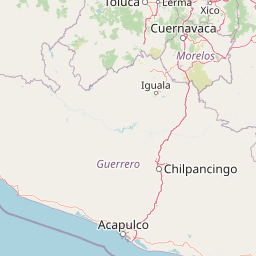
Map view of Lagunas de Zempoala National Park

Use this park location map to pinpoint Lagunas de Zempoala National Park in Mexico, understand its exact geographic position, and read its mapped placement within the surrounding landscape more clearly.

Pigeon | © OpenStreetMap contributors

Location context for Lagunas de Zempoala National Park

MorelosState of Mexico
Park atlas

Compare protected landscapes and mapped park geography in the volcanic highlands of Central Mexico

Explore Nearby National Parks and Protected Areas Beyond Lagunas de Zempoala in Central Mexico
After exploring Lagunas de Zempoala National Park, browse other national parks and protected areas located in the high-altitude volcanic landscapes of Central Mexico. A regional view helps compare diverse conservation sites, tracing interconnected biological corridors and understanding the geographic spread of protected wetlands and forests near Mexico City.
National parkMexico

Cumbres del Ajusco National Park: Exploring Mexico's National Park Protected Landscape

Discover mapped boundaries and regional geography.

Cumbres del Ajusco National Park is an important national park offering rich opportunities for geographic exploration. This detailed profile focuses on its identity as a protected landscape within Mexico, providing essential context for map-based discovery. Understand the park's specific location, its mapped territory, and its role within the nation's network of conservation areas, facilitating a structured atlas view.

Area
9.2 km²
Established
1936
IUCN
II
Relief
Mountain
National parkMorelos

El Tepozteco National Park: Protected National Park in Morelos

Explore the mapped geography and protected landscape of this Mexican national park.

Delve into El Tepozteco National Park, a key protected area designated as a national park within the Morelos region of Mexico. This profile provides detailed insight into its mapped boundaries and its significance within the broader regional geography. It serves as a resource for understanding the park's protected landscape and its context for atlas-based geographic exploration.

Area
232.587 km²
Established
1937
IUCN
II
Relief
Mountain
National parkMexico City

Desierto de los Leones National Park: Protected National Park and its Geographic Setting

Explore mapped boundaries and regional landscape context near Mexico City.

Delve into the specifics of Desierto de los Leones National Park, a designated national park recognized for its protected landscape. This MoriAtlas entry focuses on its geographic presence within the Mexico City region, providing clear insights into its mapped boundaries and the surrounding natural terrain. Understand the park's importance as a conservation area and its contribution to the regional geography through dedicated atlas data.

Area
18.67 km²
Established
1917
IUCN
II
Visitors
205K annual
National parkMexico

Fuentes Brotantes de Tlalpan National Park: National Park Geographic Atlas and Terrain Exploration

Explore protected land boundaries and mapped natural landscapes.

Delve into the geographic specifics of Fuentes Brotantes de Tlalpan National Park, a protected national park situated within Mexico. This detailed view highlights the park's mapped terrain and its significance as a distinct natural landscape. Understand its role in the country's protected area network and its contribution to the broader atlas of natural geography.

Area
0.08 km²
Established
1936
IUCN
II
Relief
Upland
National parkMexico State

Los Remedios National Park: Protected Landscape and Historical Geography of Mexico State

Mapped terrain and cultural heritage within this unique national park.

Delve into the protected landscape of Los Remedios National Park, a national park situated in Mexico State. This page provides detailed geographic context, focusing on its volcanic terrain, mapped boundaries, and the convergence of pre-Hispanic and colonial heritage. Understand its role as a protected area within the western Valley of Mexico and explore the mapped elements that define its cultural and natural identity.

Area
4 km²
Established
1938
IUCN
II
Relief
Mountain
National parkMexico

Iztaccíhuatl, Popocatépetl National Park: Mexico's National Park Protected Area

Mapped boundaries and regional geographic context.

Iztaccíhuatl, Popocatépetl National Park is a protected natural landscape offering insight into Mexico's geography. This atlas entry focuses on the park's defined boundaries and its role within the national protected areas framework. Explore the unique geographic character and mapped extent of this significant park, understanding its position within the country's natural landscape atlas.

Area
398.19 km²
Established
1935
IUCN
II
Relief
Mountain
National parkMichoacán

Insurgente José María Morelos y Pavón National Park: Mapped Protected Landscape in Michoacán

Discover its geographic context and protected area boundaries.

Explore Insurgente José María Morelos y Pavón National Park, a designated national park in Michoacán, Mexico. This page provides detailed insights into its protected status, mapped geographic features, and its role as a significant natural landscape within the regional atlas. Understand the park's protected boundaries and its contribution to the geographic understanding of Michoacán.

Area
71.92 km²
Established
1939
IUCN
II
Relief
Mountain
National parkHidalgo

El Chico National Park: National Park Boundaries and Regional Geography in Hidalgo

Explore the mapped protected landscape and terrain of this national park.

El Chico National Park is a distinct protected area offering insight into Mexico's regional geography and conservation landscapes. This page details its specific geographic footprint, the character of its natural terrain, and its place within Hidalgo's broader protected areas atlas. Users can examine mapped boundaries and understand the park's unique environmental context.

Area
27.39 km²
Established
1982
IUCN
II
Relief
Mountain

Common questions about visiting, size, designation, and location context for Lagunas de Zempoala National Park

Lagunas de Zempoala National Park FAQs for park facts, access, geography, and protected area context
Find quick answers about Lagunas de Zempoala National Park, including protected-area facts, park geography, trail and visitor context, and how the park fits into its surrounding country and regional landscape.
MoriAtlas Explorer

Continue Your Protected Areas Search Across the Global Atlas

Deepen your exploration by continuing the structured search for national parks and protected areas worldwide. Utilize the comprehensive filtering capabilities to compare different conservation landscapes and refine your understanding of global park geography. Discover more about the distribution and characteristics of protected natural areas.

Global natural geography